Un perfil de referencia de una rama de linaje. Compartir haplogrupos no demuestra una relación familiar ni una identidad cultural.
Perfil de referencia
Contexto de la rama
Contexto histórico de la rama de linaje mtDNA HV
Origins and Evolution
Haplogroup HV derives from the major macro-haplogroup R and is best understood as a West Eurasian branch that formed during the Late Pleistocene (roughly the Upper Paleolithic). Estimates place the origin of HV at about ~25–35 kya, likely in the Near East or adjacent parts of Western Asia, a region that acted as a refugium and corridor between Southwest Asia, the Caucasus, and Ice Age Europe. From HV arose several important descendant lineages—most notably H and V—that later became prominent in Europe.
Over time HV diversified into internal branches (often labeled HV0, HV1, HV2, etc.) with differing geographic footprints; some lineages remained concentrated in the Near East and Caucasus, while others expanded into Europe during postglacial recolonizations and later demographic events.
Subclades
H (mtDNA H): The largest and most widespread descendant of HV, H experienced a major expansion in Europe, particularly during the Late Paleolithic and Mesolithic and continuing into the Neolithic and later periods. H reaches high frequencies in many contemporary European populations.
V (mtDNA V): A smaller branch derived from HV that is notable for elevated frequency in Northwest Europe and among some Saami and other circumarctic groups; V is often interpreted as a postglacial re-expansion lineage from southwestern refugia.
Other HV sublineages (HV0, HV1, HV2, etc.): Several less common branches persist across the Near East, Caucasus, and parts of Europe and North Africa; some of these represent deep regional continuity while others reflect later movement and admixture.
Geographical Distribution
HV and its descendants show a classic West Eurasian distribution. Modern and ancient DNA studies indicate:
Southern and Western Europe: High representation of descendant haplogroup H (derived from HV) and detectable HV lineages, reflecting both Paleolithic presence and later demographic expansions.
Northern Europe and Scandinavia: Presence of V and some H subclades, with V particularly notable among Saami and certain Atlantic coastal populations, consistent with postglacial recolonization routes.
Near East and Caucasus: Many basal HV and HV-derived lineages persist, indicating an origin or long-term presence in this region and acting as a source reservoir for later European dispersals.
North Africa and Central/South Asia: Low-frequency occurrences of HV lineages reflect prehistoric connections, trade, and episodic gene flow between West Eurasia and neighboring regions.
Ancient DNA has repeatedly recovered HV or its descendants in Upper Paleolithic, Mesolithic, and Neolithic contexts in Europe and the Near East, supporting a long-term role in Eurasian maternal ancestry.
Historical and Cultural Significance
Haplogroup HV (through its major daughter H) is central to discussions of European maternal ancestry. The expansion of H is often associated with postglacial recolonization of northern Europe and with major demographic shifts during the Mesolithic and Neolithic. Sublineage V has been used in studies of Uralic- and Saami-related histories because of its elevated frequencies in those groups.
HV-lineages appear in a variety of archaeological contexts — from Upper Paleolithic hunter-gatherers to Neolithic farming communities and Bronze Age cultures in Europe — making this haplogroup informative for reconstructing maternal lineage continuity, migration routes, and demographic events across West Eurasia.
Conclusion
mtDNA haplogroup HV is a pivotal West Eurasian lineage that links the broader R macro-haplogroup to the highly successful European haplogroups H and V. Its origin in the Near East/Western Asia during the Late Pleistocene and subsequent dispersal into Europe underpin much of the maternal genetic landscape of modern Europeans, while residual basal HV lineages preserve genetic signatures of ancient Near Eastern and Caucasian populations.
Puntos clave
Origins and Evolution
Subclades
Geographical Distribution
Historical and Cultural Significance
Conclusion
Perfil de referencia
Árbol y relaciones
Contexto filogenético y subclados
Trayectoria evolutiva
Sigue las ramas superiores registradas hasta HV. Las fechas son estimaciones y pueden cambiar al revisarse los datos de referencia.
The populations where mtDNA haplogroup HV is found include:
Western and Southern European populations (high presence of descendant H and detectable HV)
Northern European populations, including Scandinavian coastal groups and the Saami (notable for V)
Near Eastern populations (Anatolia, Levant, Caucasus) with basal HV lineages
North African populations at low to moderate frequencies (historical and prehistoric gene flow)
Central and South Asian populations at low frequencies (historic contacts and migrations)
Contexto histórico
Una rama a través del tiempo
Formación estimada en una cronología histórica amplia. Los marcadores temporales aportan contexto y no implican relación con culturas concretas.
~30k años de antigüedad
Haplogrupo HV
Formación estimada de esta rama de mtDNA; las fechas y ubicaciones son estimaciones de referencia.
Esta rama
~20k años de antigüedad
Último máximo glacial
Máxima extensión de la última glaciación y aislamiento de poblaciones
~10k años de antigüedad
Revolución neolítica
Inicio de la agricultura y formación de comunidades sedentarias
~5k años de antigüedad
Edad del Bronce
Metalurgia, escritura y primeras civilizaciones
~3k años de antigüedad
Edad del Hierro
Herramientas de hierro y ampliación de redes comerciales
~2.5k años de antigüedad
Antigüedad clásica
Desarrollo de las civilizaciones griega y romana
Actualidad
Actualidad
Época moderna
Perfil de referencia
Contexto arqueológico
Asociaciones arqueológicas registradas para la rama mtDNA HV
Asociaciones registradas
Estas etiquetas describen contextos arqueológicos registrados para las muestras de referencia enlazadas a HV. Una asociación no demuestra que todos los portadores pertenecieran a una cultura ni siguieran una ruta migratoria concreta.
Ganj Dareh CultureHajji FiruzIron Gates CulturePottery NeolithicPPNA AnatoliaStarčevoStarčevo CultureSzatmár Group
Las atribuciones culturales se basan en el contexto arqueológico de las muestras de ADN antiguo y pueden representar asociaciones regionales de periodos concretos.
Perfil de referencia
Catálogo de muestras
34 portadores directos y 66 portadores de subclados del haplogrupo HV
10 mostradas · 50 muestras coincidentes
Ninguna muestra coincide con estos filtros. Prueba otra etiqueta, ubicación o periodo.
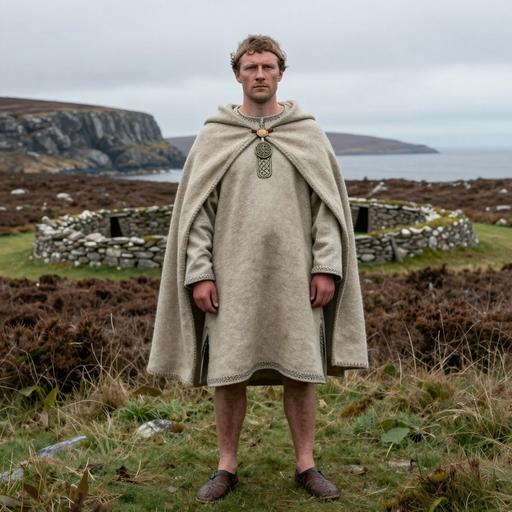
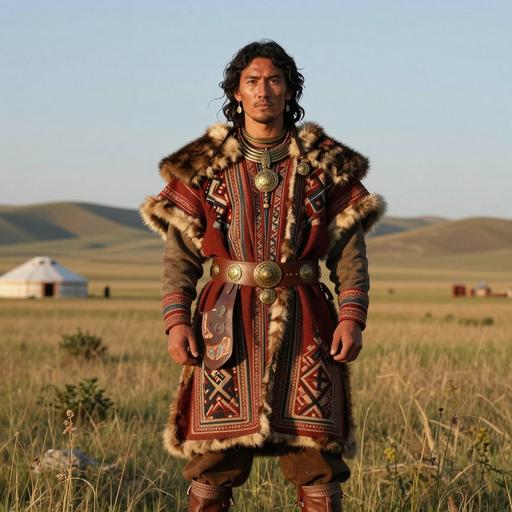
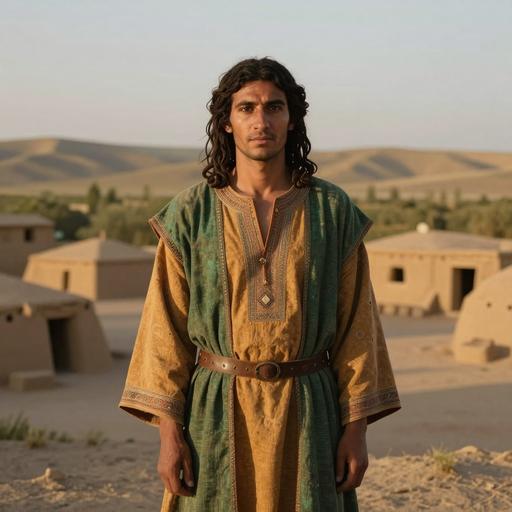
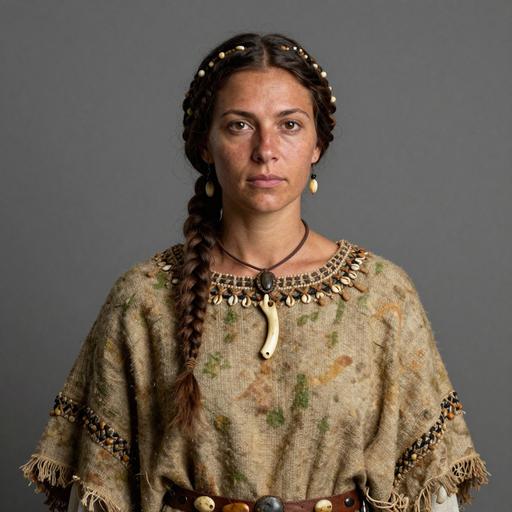
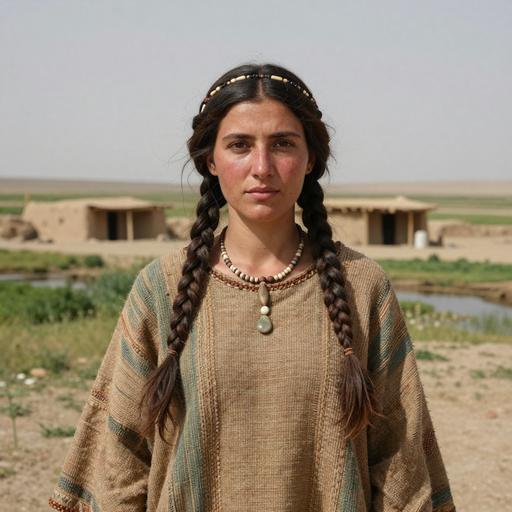
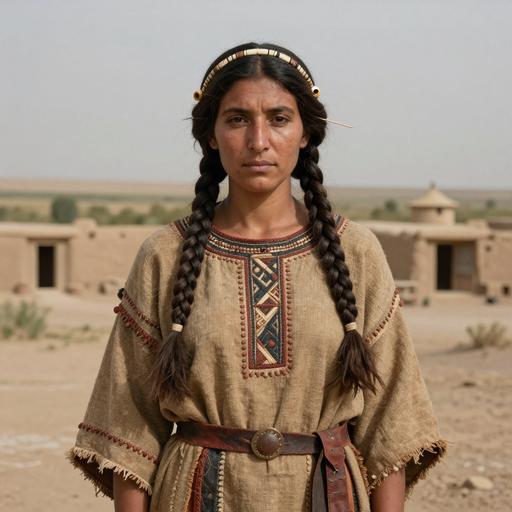
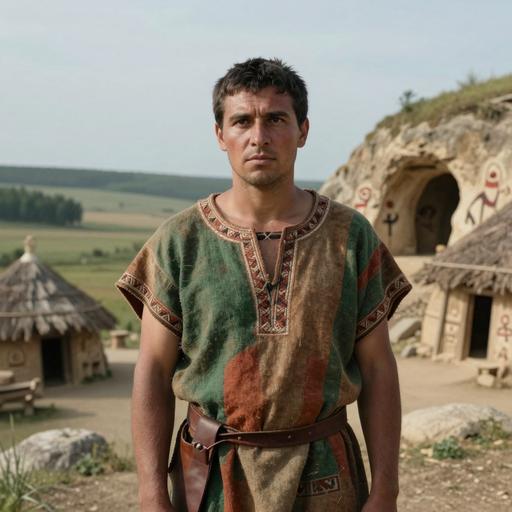
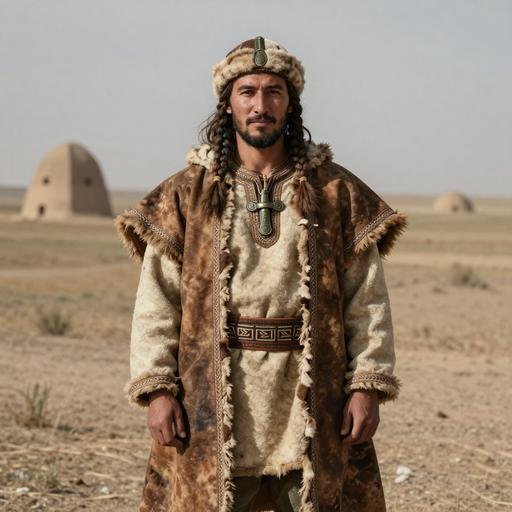
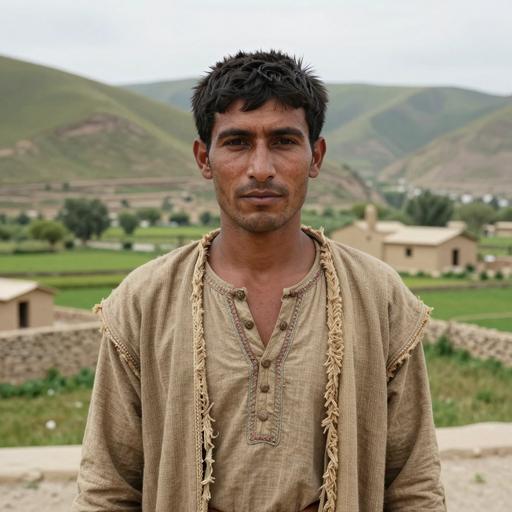
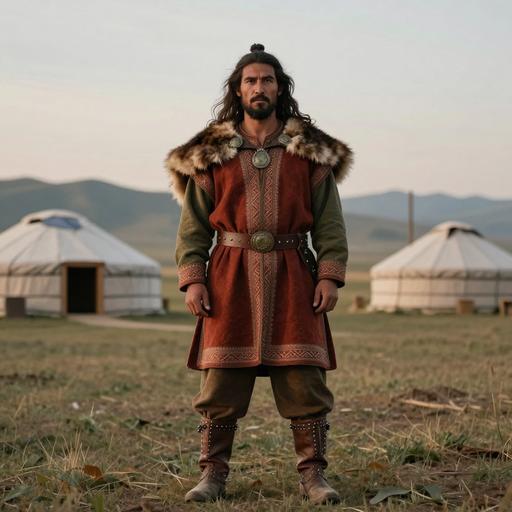
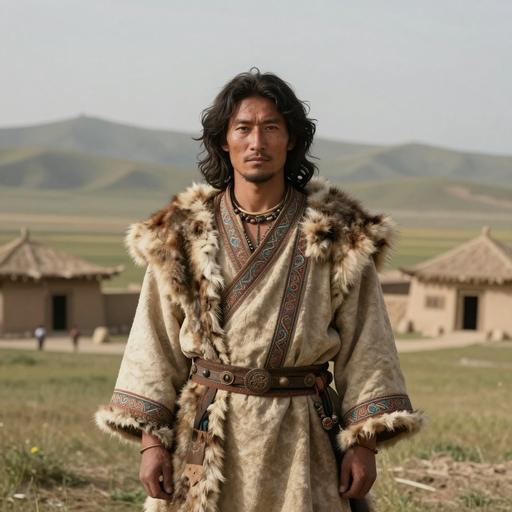
Los retratos son ilustraciones generadas con IA. Las etiquetas de muestra y los identificadores de acceso identifican los registros de referencia.
Retrato
Muestra
País
Época
Fecha
Cultura
mtDNA
Coincidencia
Identificador de muestra: R37
Italy
Imperial Rome
1-400 CE
Roman Empire
HV
Direct
Identificador de muestra: I2699
United Kingdom
Scotland LIA
159 calBCE - 26 calCE (2050±30 BP, SUERC-24241)
Scottish Iron Age
HV
Direct
Identificador de muestra: DRU001
Germany
Saxon Medieval Drantum, Germany
600-900 CE
Saxon Drantum
HV+16311
Direct
Identificador de muestra: TMH-199
Hungary
Hungary LateAvar
663-818 calCE (1280±27 BP, DeA-22541)
Avar Culture
HV+16311
Direct
Identificador de muestra: ETR004
Italy
Early Medieval Siena, Tuscany, Italy
700-1200 CE
Siena Culture
HV
Direct
Identificador de muestra: I3752
Kazakhstan
Kazakhstan IA Saka
777 BCE - 547 BCE
Saka Culture
HV
Direct
Identificador de muestra: KPN014
Denmark
Saxon Medieval Zealand, Denmark
1000-1100 CE
Zealand Saxon
HV+16311
Direct
Identificador de muestra: I19354
Armenia
Late Bronze Age Armenia
1203-1014 calBCE (2910±25 BP, PSUAMS-9009)
Late Bronze Age Armenian
HV
Direct
Identificador de muestra: R61
Italy
Medieval to Early Modern Italy
1280 CE - 1430 CE
Medieval Italian
HV
Direct
Identificador de muestra: I14872
Greece
Mycenaean Greece
1516-1436 calBCE (3220±20 BP, PSUAMS-7863)
Mycenaean
HV
Direct
Identificador de muestra: I4899
Uzbekistan
Bronze Age Bustan
1600-1300 BCE
Bustan Culture
HV
Direct
Identificador de muestra: I6935
India
India Roopkund B
1671-1945 calCE (150±15 BP, PSUAMS-5472)
Roopkund B Group
HV
Direct
Identificador de muestra: ALA095
Turkey
Middle to Late Bronze Age Turkey
1922-1750 calBCE (3516±25 BP, MAMS-41109)
Anatolian Bronze Age
HV
Direct
Identificador de muestra: VERT113
Ukraine
The Corded Ware Culture in Verteba Cave, Ukraine
1958-1771 calBCE (3545±25 BP, PSUAMS-3153)
Corded Ware
HV+16311
Direct
Identificador de muestra: KO1014
Czech Republic
Early Bronze Age Unetice Culture, Bohemia, Czech Republic
2050-1900 BCE
Unetice Culture
HV
Direct
Identificador de muestra: KO1003
Czech Republic
Bell Beaker Culture, Bohemia, Czech Republic
2294-2136 calBCE (3783±25 BP, MAMS-30782)
Bell Beaker
HV
Direct
Identificador de muestra: HOP004
Czech Republic
Bell Beaker Culture, Bohemia, Czech Republic
2451-2147 calBCE (3826±27 BP, MAMS-38921)
Bell Beaker
HV
Direct
Identificador de muestra: I0118
Germany
Late Neolithic Alberstedt, Germany
2469 BCE - 2238 BCE
Alberstedt Culture
HV
Direct
Identificador de muestra: KO1001
Czech Republic
Neolithic Rivnac Culture, Bohemia, Czech Republic
2899-2699 calBCE (4216±24 BP, MAMS-30781)
Rivnac Culture
HV
Direct
Identificador de muestra: KO1016
Czech Republic
Neolithic Rivnac Culture, Bohemia, Czech Republic
2900-2700 BCE
Rivnac Culture
HV
Direct
Identificador de muestra: I2512
Iran
Chalcolithic Tepe Hissar
2917-2786 calBCE (4265±25 BP, PSUAMS-1914)
Tepe Hissar
HV
Direct
Identificador de muestra: VLI088
Czech Republic
Corded Ware Culture, Bohemia, Czech Republic
3081-2497 calBCE (4217±92 BP, CRL-9199)
Corded Ware
HV
Direct
Identificador de muestra: I12483
Turkmenistan
Chalcolithic Geoksyur
3300-2850 BCE
Geoksyur Culture
HV
Direct
Identificador de muestra: I12480
Turkmenistan
Chalcolithic Geoksyur
3400-2800 BCE
Geoksyur Culture
HV
Direct
Identificador de muestra: I0559
Germany
Middle Neolithic Baalberge Culture, Germany
3646-3528 calBCE (4815±26 BP, MAMS-22818)
Baalberge Culture
HV
Direct
Identificador de muestra: I1720
Russia
Russia Caucasus Maikop
3700 BCE - 3000 BCE
Maikop Culture
HV
Direct
Identificador de muestra: I2111
Ukraine
Ukraine Eneolithic Trypillia
3765 BCE - 3543 BCE
Trypillia Culture
HV
Direct
Identificador de muestra: DER009
Germany
Neolithic Linear Pottery Culture in Saxony, Germany
5209 BCE - 4957 BCE
Linear Pottery Culture
HV+16311
Direct
Identificador de muestra: DER031
Germany
Neolithic Linear Pottery Culture in Saxony, Germany
5211-4993 calBCE (6141±33 BP, KIA-30402)
Linear Pottery Culture
HV+16311
Direct
Identificador de muestra: DER032
Germany
Neolithic Linear Pottery Culture in Saxony, Germany
5316-5066 calBCE (6257±40 BP, KIA-30403)
Linear Pottery Culture
HV+16311
Direct
Identificador de muestra: DER021
Germany
Neolithic Linear Pottery Culture in Saxony, Germany
5400-4900 BCE
Linear Pottery Culture
HV+16311
Direct
Identificador de muestra: I0633
Serbia
Serbia EN
5610 BCE - 5376 BCE
Starčevo
HV
Direct
Identificador de muestra: I5405
Serbia
Serbia IronGates N
5836-5632 calBCE (6829±53 BP, AA-58320)
Iron Gates Culture
HV
Direct
Identificador de muestra: I4351
Iran
Chalcolithic Hajji Firuz
6065 BCE - 5889 BCE
Hajji Firuz
HV
Direct
Identificador de muestra: I20000
Turkey
Roman Period 5 Turkey
27 BCE - 476 CE
Roman Turkey
HV4
Subclado
Identificador de muestra: UGU011
Mongolia
Medieval Xiongnu
50 BCE - 850 CE
Xiongnu
HV6
Subclado
Identificador de muestra: KNT004
Kazakhstan
Late Iron Age Kazakhstan
242-342 calCE (1762?14 BP)
Late Iron Age
HV18
Subclado
Identificador de muestra: I21401
France
France GrandEst IA2
300-200 BCE
Iron Age II Culture
HV0
Subclado
Identificador de muestra: I19500
Bulgaria
Late Iron Age Bulgaria
300-200 BCE
Bulgarian LIA
HV9
Subclado
Identificador de muestra: A181026
Hungary
Early Hun Period Sarmatian Transtisza, Hungary
350-450 CE
Sarmatian Culture
HV0
Subclado
Identificador de muestra: I8245
Pakistan
Aligrama Iron Age Site in Swat Valley, Pakistan
355-114 calBCE (2165±20 BP, PSUAMS-6197)
Aligrama Culture
HV6
Subclado
Identificador de muestra: C3331
China
Iron Age Possible Scythian Wusun G218, Xinjiang, China
400 BCE - 50 CE
Wusun Culture
HV18
Subclado
Identificador de muestra: C3354
China
China Xinjiang Tielieketesai IA 1
400-200 BCE
Tielieketesai Culture
HV20
Subclado
Identificador de muestra: ERS86
France
France GrandEst IA2
400-100 BCE
Iron Age II Culture
HV0
Subclado
Identificador de muestra: TAQ006
Italy
Etruscan Italy
400-1 BCE
Etruscan
HV22
Subclado
Identificador de muestra: TAQ008
Italy
Etruscan Italy
400-1 BCE
Etruscan
HV0
Subclado
Identificador de muestra: CSN010
Italy
Etruscan Grosseto, Italy
395-209 calBCE (2265±20 BP, PSUAMS-2386)
Etruscan
HV0
Subclado
Identificador de muestra: SZ38
Hungary
Langobard Period Hungary
400-650 CE
Langobard Culture
HV0
Subclado
Identificador de muestra: I20986
United Kingdom
Middle to Late Iron Age England
450-1 BCE
Late Iron Age British
HV0+195
Subclado
Identificador de muestra: I11573
United Kingdom
England EarlyMedieval
500-700 CE
Anglo-Saxon
HV6
Subclado
Identificador de muestra: R37
Imperial Rome - Italy - Isola Sacra
Italy Imperial Rome 1-400 CE
HVDirect
Identificador de muestra: I2699
Late Iron Age Scotland - United Kingdom - Scotland. South Uist. Hornish Point
United Kingdom Scotland LIA 159 calBCE - 26 calCE (2050±30 BP, SUERC-24241)
Middle to Late Iron Age England - United Kingdom - England. Hampshire. Middle Wallop. Suddern Farm
United Kingdom Middle to Late Iron Age England 450-1 BCE
HV0+195Subclado
Identificador de muestra: I11573
Early Medieval England - United Kingdom - England. Dorset. Worth Matravers
United Kingdom England EarlyMedieval 500-700 CE
HV6Subclado
MATERNAL LINAJE · ADN ANTIGUO
Mapa de pruebas de linajes antiguos
Sigue los clados superiores hasta esta rama y explora dónde se encontraron portadores antiguos.
Cargando observaciones antiguas...
La reducción de movimiento está activada. Utiliza la cronología o Mostrar todo para explorar a tu ritmo.
Leer las observaciones en una tabla
Observaciones antiguas visibles por rama, periodo y punto medio de la fecha
Rama
Periodo
Intervalo de fechas
Muestra
Identificador de muestra
Ubicación
Haplogrupo
Relación
Los marcadores son ubicaciones de hallazgos arqueológicos. Una línea discontinua representa una transición geográfica propuesta e incierta entre ramas consecutivas, apoyada en varias observaciones fechadas; no es una ruta de viaje exacta, un lugar de nacimiento ni una prueba de descendencia directa. Las muestras del clado parental pueden pertenecer a otras ramas descendientes. Se mantienen huecos cuando las pruebas son insuficientes. Las fechas de las muestras son distintas de las fechas de formación de los haplogrupos.
La agrupación por periodo histórico refleja cuándo vivió cada individuo antiguo y combina todas las ramas de esta cadena de linajes; no es una secuencia migratoria ni una cronología personal entre periodos.
Perfil de referencia
Mapa de distribución de portadores
Distribución geográfica de muestras de ADN antiguo (100), portadores directos o de subclados de HV
Portador directo Portador de un subclado
Filtro de periodo temporal
Todos los periodos
Mostrando todas las muestras
Perfil de referencia
Distribución temporal
Distribución de portadores por periodos arqueológicos
Perfil de referencia
Distribución geográfica
Recuentos por país registrado de las muestras. Reflejan la selección de referencia disponible, no frecuencias de población.
Perfil de referencia
Distribución por país y época
Compara los recuentos de muestras registradas por países y periodos arqueológicos. Selecciona una celda con datos para examinar una muestra.
Datos
Datos y procedencia
Información sobre las fuentes y la calidad de los datos
Última actualización2026-02-09
Fuente de datos
La clasificación, las fechas estimadas y el contexto geográfico reflejan los datos de referencia registrados y pueden cambiar al revisarse las pruebas. La cobertura de muestras es desigual; las ubicaciones registradas y las asociaciones arqueológicas no establecen el origen personal ni la identidad cultural.