Saltar al contenido principal
mtDNA · Materno linaje

L3H1A1

mtDNA Haplogroup L3H1A1

Un perfil de referencia de una rama de linaje. Compartir haplogrupos no demuestra una relación familiar ni una identidad cultural.

Perfil de referencia

Contexto de la rama

Contexto histórico de la rama de linaje mtDNA L3H1A1

Origins and Evolution

mtDNA haplogroup L3H1A1 is a downstream subclade of L3H1A, itself a branch of the broader L3 macro-haplogroup that is central to later Out-of-Africa maternal diversity. Based on the time depth of the parent clade (L3H1A, ~9 kya) and observed diversity in modern samples, L3H1A1 most likely arose in the Horn/East Africa region during the mid-Holocene (roughly ~6 kya). This timing places its origin after the initial post-glacial demographic shifts and roughly contemporaneous with local cultural transitions from Later Stone Age forager groups toward early pastoralist and food-producing systems in parts of eastern Africa.

L3H1A1 represents a regional lineage that documents maternal continuity in eastern/coastal Africa and subsequent dispersals at varying scales — including inland movements into central and southern Africa and more recent movement out of Africa via historical trade and the Atlantic slave trade.

Subclades (if applicable)

As a named terminal subclade (L3H1A1), its internal diversity is relatively limited in published databases compared with older L3 subclades. A small number of further downstream branches may be detectable in high-resolution mitogenomes from East African populations, but currently L3H1A1 is primarily treated as a distinct lineage nested under L3H1A. Where deeper sequencing has been applied, researchers sometimes resolve local sublineages that reflect micro-geographic structure (for example, coastally-associated vs. inland variants), but such subclades remain sparsely sampled.

Geographical Distribution

L3H1A1 is concentrated in the Horn of Africa and adjacent coastal eastern Africa, with low-to-moderate frequencies in parts of central and southern Africa and scattered occurrences elsewhere due to historical admixture and the African diaspora. Populations showing the highest representation include Oromo, Amhara and Somali groups in Ethiopia and neighboring areas, as well as coastal Swahili-adjacent communities. Low-frequency occurrences in central African hunter-gatherer groups (e.g., Mbuti), some Khoe-San groups in southern Africa, and sporadic hits in West Africa reflect complex internal African migrations and gene flow. Very low-frequency detections in North Africa, the Middle East and African-descended populations in the Americas are consistent with historic movements (trade, medieval Indian Ocean networks, and the Atlantic slave trade).

Genetic surveys and mitochondrial genome studies that include high-resolution sequencing report only a handful of ancient DNA instances attributable to L3H1A1 in archaeological contexts, highlighting both its relative rarity outside its core range and the limited aDNA sampling from some African regions.

Historical and Cultural Significance

L3H1A1's emergence in the Holocene places it in a period of ecological and cultural change across eastern Africa. Although not tied to a single archaeological culture in the same way as some Eurasian haplogroups, the lineage is plausibly associated with the demographic substrate of Later Stone Age populations in the Horn and with later pastoralist expansions and coastal trade networks:

  • Later Stone Age: The deep roots of L3H1A1 in eastern Africa imply continuity from Holocene forager populations that persisted in the region.
  • Pastoral Neolithic / Early Pastoralist: As herding and mixed economies spread in parts of eastern Africa during the mid- to late-Holocene, maternal lineages like L3H1A1 likely traveled with mobile groups or became incorporated through local admixture.
  • Coastal trade and Swahili networks: Low-level presence among coastal populations aligns with maritime and overland connections linking the Horn and East African coast, facilitating gene flow over the last two millennia.
  • African diaspora: The detection of L3H1A1 at low frequencies in African-descended populations in the Americas is a genetic echo of the trans-Atlantic slave trade and subsequent population history.

While L3H1A1 is not diagnostic of any single cultural package, its distribution helps reconstruct maternal continuity in eastern Africa and the ways local lineages participated in broader demographic processes.

Conclusion

mtDNA L3H1A1 is a regional East African maternal lineage that formed in the Holocene and demonstrates continuity in the Horn and adjacent coastal areas, with sporadic downstream dispersals into central and southern Africa and later global spread through historical movements. Continued sampling of whole mitochondrial genomes and additional ancient DNA from eastern and central Africa will improve resolution of internal substructure and the timing of dispersal events for this lineage.

Puntos clave

  • Origins and Evolution
  • Subclades (if applicable)
  • Geographical Distribution
  • Historical and Cultural Significance
  • Conclusion
Perfil de referencia

Árbol y relaciones

Contexto filogenético y subclados

Trayectoria evolutiva

Sigue las ramas superiores registradas hasta L3H1A1. Las fechas son estimaciones y pueden cambiar al revisarse los datos de referencia.

Pasos Haplogrupo Antigüedad estimada Época arqueológica Tiempo transcurrido Subclados inmediatos Portadores modernos analizados Referencias antiguas
1 L3H1A1 Actual ~6,000 years ago Chalcolithic 6,000 years 0 1 0
2 L3H1A ~9,000 years ago Neolithic 9,000 years 2 2 3
3 L3H1 ~25,000 years ago Paleolithic 25,000 years 1 6 0
4 L3H ~35,000 years ago Paleolithic 35,000 years 1 6 0
5 L3 ~70,000 years ago Paleolithic 70,000 years 7 30,162 6
6 L3'4 - - - 2 30,212 0
7 L3'4'6 - - - 2 30,216 0
8 L2'3'4'6 - - - 2 31,333 0
9 L2'3'4'5'6'7 - - - 2 31,349 0
10 L1'2'3'4'5'6'7 - - - 2 31,852 0
11 L ~160,000 years ago Paleolithic 160,000 years 2 32,236 5

Subclados (0)

Rama terminal: no hay subclados registrados

Ramas hermanas (1)

Otras ramas del mismo haplogrupo superior

Perfil de referencia

En el mundo

Distribución geográfica y presencia moderna

Origen registrado

East Africa / Horn of Africa

Distribución moderna

The populations where mtDNA haplogroup L3H1A1 is found include:

  1. Oromo and Amhara (Horn of Africa / East Africa)
  2. Somali and other Horn populations (East Africa)
  3. Coastal East African groups (e.g., Swahili-adjacent populations)
  4. Mbuti and other Central African hunter-gatherer groups (low to moderate frequencies)
  5. Khoe-San groups in Southern Africa (low frequencies)
  6. Yoruba and other West African groups (sporadic/low frequencies)
  7. African-descended populations in the Americas (African American, Afro-Caribbean; low frequencies due to diaspora)
  8. North African and Middle Eastern populations (very low frequencies reflecting historical admixture)
Contexto histórico

Una rama a través del tiempo

Formación estimada en una cronología histórica amplia. Los marcadores temporales aportan contexto y no implican relación con culturas concretas.

  1. ~10k años de antigüedad

    Revolución neolítica

    Inicio de la agricultura y formación de comunidades sedentarias

  2. ~6k años de antigüedad

    Haplogrupo L3H1A1

    Formación estimada de esta rama de mtDNA; las fechas y ubicaciones son estimaciones de referencia.

    Esta rama
  3. ~5k años de antigüedad

    Edad del Bronce

    Metalurgia, escritura y primeras civilizaciones

  4. ~3k años de antigüedad

    Edad del Hierro

    Herramientas de hierro y ampliación de redes comerciales

  5. ~2.5k años de antigüedad

    Antigüedad clásica

    Desarrollo de las civilizaciones griega y romana

  6. Actualidad

    Actualidad

    Época moderna

Perfil de referencia

Contexto arqueológico

Asociaciones arqueológicas registradas para la rama mtDNA L3H1A1

Asociaciones registradas

Estas etiquetas describen contextos arqueológicos registrados para las muestras de referencia enlazadas a L3H1A1. Una asociación no demuestra que todos los portadores pertenecieran a una cultura ni siguieran una ruta migratoria concreta.

Austria_Avar Bungule Corded Ware Elmenteitan Culture Historic Era 2 Iron Age Pastoral Jordanow-Michelsberg Culture Molo Cave Culture Pastoral Neolithic Slab Grave Culture St. Helena Colonial Tanzanian Prehistoric Yemen_Medieval_Soqotri
Las atribuciones culturales se basan en el contexto arqueológico de las muestras de ADN antiguo y pueden representar asociaciones regionales de periodos concretos.
Perfil de referencia

Catálogo de muestras

3 portadores directos del haplogrupo L3H1A1

3 mostradas · 3 muestras coincidentes

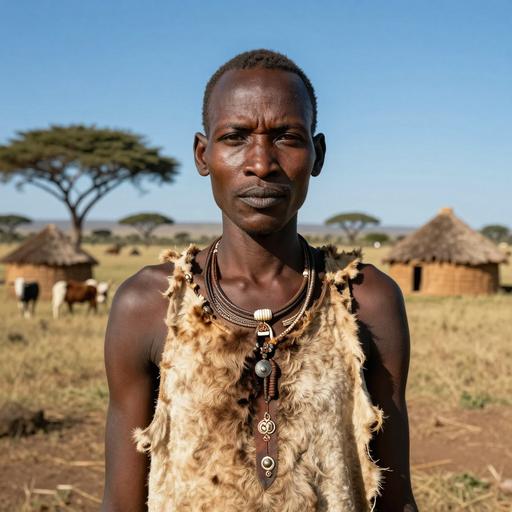
Los retratos son ilustraciones generadas con IA. Las etiquetas de muestra y los identificadores de acceso identifican los registros de referencia.

Retrato Muestra País Época Fecha Cultura mtDNA Coincidencia
Retrato ilustrativo de Nilotic individual, Nakuru. Naivasha Burial Groud, Kenya (405-375 BCE) generado con IA
Identificador de muestra: I8920
Kenya Kenya PastoralN 405 BCE - 375 BCE Pastoral Neolithic L3h1a1 Direct
Retrato ilustrativo de Africa East Pastoralist individual, Nakuru. Naivasha Burial Groud, Kenya (405-375 BCE) generado con IA
Identificador de muestra: I8920
Kenya Pastoralist Societies in East Africa 405 BCE - 375 BCE L3h1a1 Direct
Retrato ilustrativo de IA Pastoral-o individual, Laikipia. Kisima Farm. KFR-C4, Kenya (892-992 BCE) generado con IA
Identificador de muestra: I8901
Kenya Kenya IA Pastoral 892-992 calCE (1110±15 BP, PSUAMS-4743) Iron Age Pastoral L3h1a1 Direct
MATERNAL LINAJE · ADN ANTIGUO

Mapa de pruebas de linajes antiguos

Sigue los clados superiores hasta esta rama y explora dónde se encontraron portadores antiguos.

Cargando observaciones antiguas...

Los marcadores son ubicaciones de hallazgos arqueológicos. Una línea discontinua representa una transición geográfica propuesta e incierta entre ramas consecutivas, apoyada en varias observaciones fechadas; no es una ruta de viaje exacta, un lugar de nacimiento ni una prueba de descendencia directa. Las muestras del clado parental pueden pertenecer a otras ramas descendientes. Se mantienen huecos cuando las pruebas son insuficientes. Las fechas de las muestras son distintas de las fechas de formación de los haplogrupos.

Perfil de referencia

Mapa de distribución de portadores

Distribución geográfica de muestras de ADN antiguo (3), portadores directos o de subclados de L3H1A1

Portador directo
Filtro de periodo temporal
Todos los periodos
Mostrando todas las muestras
Perfil de referencia

Distribución temporal

Distribución de portadores por periodos arqueológicos

Perfil de referencia

Distribución geográfica

Recuentos por país registrado de las muestras. Reflejan la selección de referencia disponible, no frecuencias de población.

Perfil de referencia

Distribución por país y época

Compara los recuentos de muestras registradas por países y periodos arqueológicos. Selecciona una celda con datos para examinar una muestra.

Datos

Datos y procedencia

Información sobre las fuentes y la calidad de los datos

Última actualización 2026-02-16
Puntuación de confianza 50/100
Cobertura Low

Fuente de datos

La clasificación, las fechas estimadas y el contexto geográfico reflejan los datos de referencia registrados y pueden cambiar al revisarse las pruebas. La cobertura de muestras es desigual; las ubicaciones registradas y las asociaciones arqueológicas no establecen el origen personal ni la identidad cultural.