Saltar al contenido principal
mtDNA · Materno linaje

M10A2

mtDNA Haplogroup M10A2

Un perfil de referencia de una rama de linaje. Compartir haplogrupos no demuestra una relación familiar ni una identidad cultural.

Perfil de referencia

Contexto de la rama

Contexto histórico de la rama de linaje mtDNA M10A2

Origins and Evolution

mtDNA haplogroup M10A2 is a daughter clade of M10A, itself a post-Last Glacial Maximum branch of the broad Asian macro-haplogroup M. Based on the position of M10A2 within the M10 phylogeny and the known age of M10A in Central–Northeast Asia (~12 kya), a reasonable estimate places the origin of M10A2 in the early Holocene (around ~9 kya). This timing is consistent with Holocene demographic expansions and population structure shifts in northern East Asia and the eastern Eurasian steppe that followed climatic stabilization after the Younger Dryas.

Phylogenetically, M10A2 carries the defining mutations that distinguish it from other M10A lineages; it is best understood as a regional diversification of M10A that reflects localized maternal population histories of the eastern steppe, adjacent Siberia, and parts of northern East Asia.

Subclades (if applicable)

At present, published population surveys and phylogenies indicate limited deep substructure within M10A2 in available datasets. Small, named subbranches (for example hypothetical M10A2a/M10A2b in some internal phylogenies) may be reported in high-resolution mitogenome studies, but broad population-level sampling is sparse, so many internal splits remain poorly resolved. Future mitogenome sequencing and ancient DNA sampling from the eastern steppe and adjacent regions will likely reveal finer subclade structure and clearer coalescence dates.

Geographical Distribution

M10A2 shows a concentrated but patchy distribution centered on Central–Northeast Asia and the eastern Eurasian steppe. It is most commonly observed at low-to-moderate frequency among Mongolic-speaking groups (e.g., Mongolians, Buryats) and appears in several Turkic-speaking populations of the Altai and adjacent Central Asia (Tuvans, Altaians, occasional Kazakh/Kyrgyz samples). The haplogroup is also recorded among northern Siberian indigenous groups (Yakut/Sakha, Evenks) and at low frequencies in the Tibetan Plateau, northern Han Chinese, Korean, and some Japanese regional samples. The pattern is consistent with a core eastern steppe / Northeast Asian origin with later dispersals and contacts producing a broader, low-frequency presence in neighboring regions.

Ancient DNA evidence currently includes a small number of archaeological samples from the eastern steppe and Bronze–Iron Age nomadic horizons, demonstrating continuity of M10A-derived maternal lineages in that geographic corridor through the Holocene.

Historical and Cultural Significance

The geographic and temporal profile of M10A2 links it to communities that participated in steppe pastoralist lifeways and northern East Asian forager-farmer interactions. Although not a hallmark lineage of large transcontinental migrations on its own, M10A2 likely rode along with broader demographic processes:

  • Early Holocene (Neolithic) expansions of northern East Asian groups establishing regional population structure.
  • Bronze Age and Iron Age mobile pastoralist horizons (e.g., eastern steppe groups) that redistributed northern East Asian maternal lineages across a broad latitudinal band.

Archaeologically, M10A2-bearing individuals have been recovered from eastern steppe assemblages linked to Bronze Age pastoralism and later Iron Age nomadic polities (e.g., Xiongnu-related contexts), suggesting the haplogroup contributed maternally to those cultural complexes. Its presence among modern Mongolic and Turkic groups reflects both continuity and later admixture events across the Eurasian steppe.

Conclusion

mtDNA haplogroup M10A2 represents a regional Holocene offshoot of M10A centered in Central–Northeast Asia and the eastern Eurasian steppe. It is most frequent among Mongolic and some Turkic populations and occurs at lower frequencies across Siberia, the Tibetan Plateau, northern Han, Korean and Japanese groups. The lineage illustrates how maternal diversity in northern East Asia diversified during the early Holocene and was redistributed by later mobile pastoralist and contact-related processes; however, fuller understanding awaits expanded mitogenome sampling and additional ancient DNA data.

Puntos clave

  • Origins and Evolution
  • Subclades (if applicable)
  • Geographical Distribution
  • Historical and Cultural Significance
  • Conclusion
Perfil de referencia

Árbol y relaciones

Contexto filogenético y subclados

Trayectoria evolutiva

Sigue las ramas superiores registradas hasta M10A2. Las fechas son estimaciones y pueden cambiar al revisarse los datos de referencia.

Pasos Haplogrupo Antigüedad estimada Época arqueológica Tiempo transcurrido Subclados inmediatos Portadores modernos analizados Referencias antiguas
1 M10A2 Actual ~9,000 years ago Neolithic 9,000 years 0 2 0
2 M10A ~12,000 years ago Neolithic 12,000 years 2 23 1
3 M10 ~25,000 years ago Paleolithic 25,000 years 1 24 0
4 M ~60,000 years ago Paleolithic 60,000 years 42 2,671 41
5 L3 ~70,000 years ago Paleolithic 70,000 years 7 30,162 6
6 L3'4 - - - 2 30,212 0
7 L3'4'6 - - - 2 30,216 0
8 L2'3'4'6 - - - 2 31,333 0
9 L2'3'4'5'6'7 - - - 2 31,349 0
10 L1'2'3'4'5'6'7 - - - 2 31,852 0
11 L ~160,000 years ago Paleolithic 160,000 years 2 32,236 5

Subclados (0)

Rama terminal: no hay subclados registrados

Ramas hermanas (1)

Otras ramas del mismo haplogrupo superior

Perfil de referencia

En el mundo

Distribución geográfica y presencia moderna

Origen registrado

Central–Northeast Asia

Distribución moderna

The populations where mtDNA haplogroup M10A2 is found include:

  1. Mongolic-speaking groups (Mongolians, Buryats)
  2. Turkic-speaking populations of the Altai and Central Asia (Tuvans, Altaians, some Kazakh/Kyrgyz samples)
  3. Siberian indigenous peoples (Yakut/Sakha, Evenk and other north Siberian groups)
  4. Tibetan Plateau populations (Tibetans and neighboring highland groups)
  5. Northern Han Chinese and ethnic minorities in northern China (low to moderate frequency)
  6. Korean peninsula populations (low frequency)
  7. Japan (sporadic/low frequency in some regional samples)
  8. Central Asian groups (Kyrgyz, scattered Uzbek/Kazakh samples at low frequency)
  9. Ancient eastern steppe assemblages (Bronze Age and Iron Age burials associated with nomadic horizons)
  10. Diaspora and admixed East Eurasian communities (scattered occurrences)
Contexto histórico

Una rama a través del tiempo

Formación estimada en una cronología histórica amplia. Los marcadores temporales aportan contexto y no implican relación con culturas concretas.

  1. ~10k años de antigüedad

    Revolución neolítica

    Inicio de la agricultura y formación de comunidades sedentarias

  2. ~9k años de antigüedad

    Haplogrupo M10A2

    Formación estimada de esta rama de mtDNA; las fechas y ubicaciones son estimaciones de referencia.

    Esta rama
  3. ~5k años de antigüedad

    Edad del Bronce

    Metalurgia, escritura y primeras civilizaciones

  4. ~3k años de antigüedad

    Edad del Hierro

    Herramientas de hierro y ampliación de redes comerciales

  5. ~2.5k años de antigüedad

    Antigüedad clásica

    Desarrollo de las civilizaciones griega y romana

  6. Actualidad

    Actualidad

    Época moderna

Perfil de referencia

Contexto arqueológico

Asociaciones arqueológicas registradas para la rama mtDNA M10A2

Asociaciones registradas

Estas etiquetas describen contextos arqueológicos registrados para las muestras de referencia enlazadas a M10A2. Una asociación no demuestra que todos los portadores pertenecieran a una cultura ni siguieran una ruta migratoria concreta.

China_Tibet_Pulanduowa_IA Goyet Cave Gravettian Hunnic Period Indonesian Hunter-Gatherer Culture Medieval Tuv Ostuni Culture Russia_Udmurtia_Medieval_LateChiyalik-oEurope Sukhbaatar Bronze Culture Tang Culture Three Kingdoms Period Xiongnu Culture
Las atribuciones culturales se basan en el contexto arqueológico de las muestras de ADN antiguo y pueden representar asociaciones regionales de periodos concretos.
Perfil de referencia

Catálogo de muestras

2 portadores directos del haplogrupo M10A2

2 mostradas · 2 muestras coincidentes

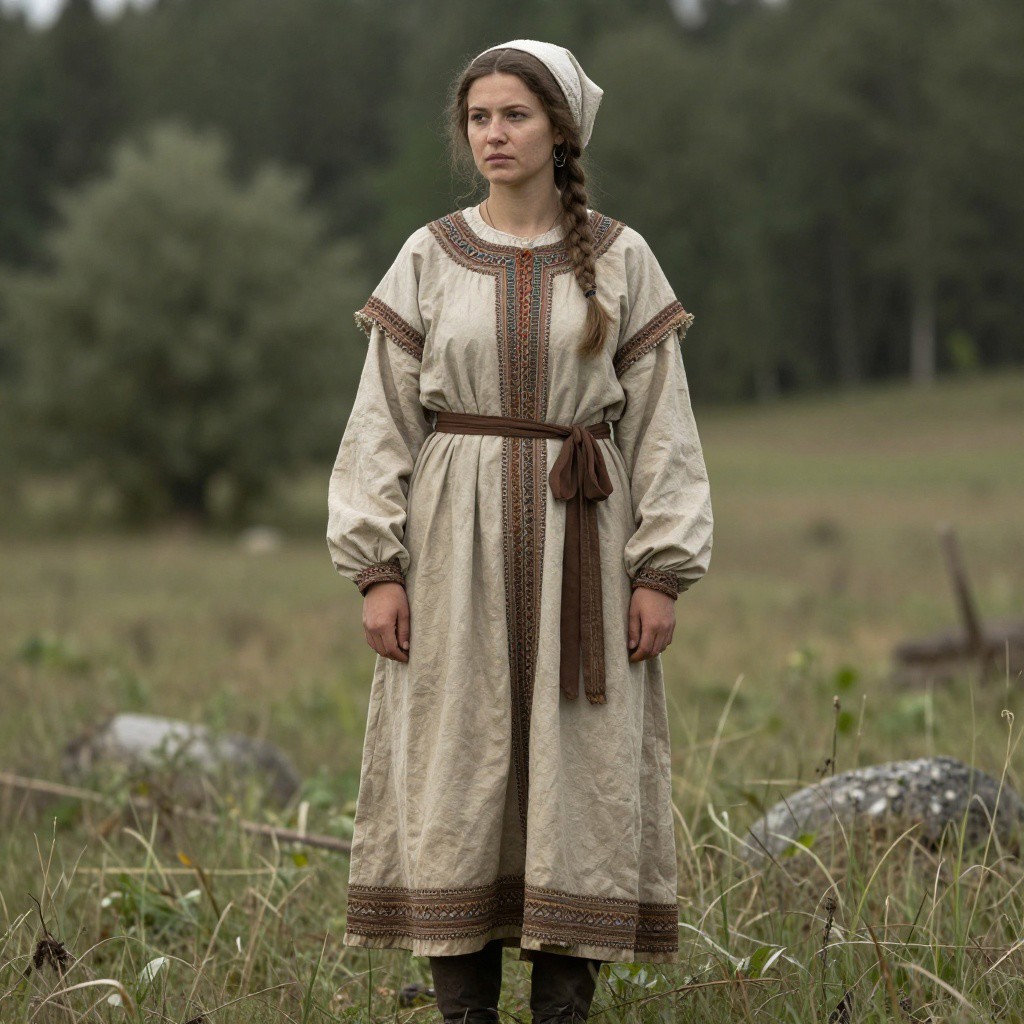
Los retratos son ilustraciones generadas con IA. Las etiquetas de muestra y los identificadores de acceso identifican los registros de referencia.

Retrato Muestra País Época Fecha Cultura mtDNA Coincidencia
Retrato ilustrativo de Tov Late Medieval individual, Tuv. Argali Mountain, Mongolia (1,000-1,500 CE) generado con IA
Identificador de muestra: ARG002
Mongolia Late Medieval Tuv, Mongolia 1000-1500 CE Medieval Tuv M10a2 Direct
Retrato ilustrativo de Udmurtia Medieval Late Chiyalik-o Europe individual, Zuevy-Klyuchi-2 (Udmurtia, Karakulinsky District, Zuyevy Klyuchi Village), Russia (1,299-1,407 CE) generado con IA
Identificador de muestra: I30343
Russia Russia Udmurtia Medieval LateChiyalik oEurope 1318-1407 calCE (585±15 BP, PSUAMS-13159) Russia_Udmurtia_Medieval_LateChiyalik-oEurope M10a2 Direct
MATERNAL LINAJE · ADN ANTIGUO

Mapa de pruebas de linajes antiguos

Sigue los clados superiores hasta esta rama y explora dónde se encontraron portadores antiguos.

Cargando observaciones antiguas...

Los marcadores son ubicaciones de hallazgos arqueológicos. Una línea discontinua representa una transición geográfica propuesta e incierta entre ramas consecutivas, apoyada en varias observaciones fechadas; no es una ruta de viaje exacta, un lugar de nacimiento ni una prueba de descendencia directa. Las muestras del clado parental pueden pertenecer a otras ramas descendientes. Se mantienen huecos cuando las pruebas son insuficientes. Las fechas de las muestras son distintas de las fechas de formación de los haplogrupos.

Perfil de referencia

Mapa de distribución de portadores

Distribución geográfica de muestras de ADN antiguo (2), portadores directos o de subclados de M10A2

Portador directo
Filtro de periodo temporal
Todos los periodos
Mostrando todas las muestras
Perfil de referencia

Distribución temporal

Distribución de portadores por periodos arqueológicos

Perfil de referencia

Distribución geográfica

Recuentos por país registrado de las muestras. Reflejan la selección de referencia disponible, no frecuencias de población.

Perfil de referencia

Distribución por país y época

Compara los recuentos de muestras registradas por países y periodos arqueológicos. Selecciona una celda con datos para examinar una muestra.

Datos

Datos y procedencia

Información sobre las fuentes y la calidad de los datos

Última actualización 2026-02-16
Puntuación de confianza 50/100
Cobertura Low

Fuente de datos

La clasificación, las fechas estimadas y el contexto geográfico reflejan los datos de referencia registrados y pueden cambiar al revisarse las pruebas. La cobertura de muestras es desigual; las ubicaciones registradas y las asociaciones arqueológicas no establecen el origen personal ni la identidad cultural.