Un perfil de referencia de una rama de linaje. Compartir haplogrupos no demuestra una relación familiar ni una identidad cultural.
Perfil de referencia
Contexto de la rama
Contexto histórico de la rama de linaje mtDNA N1A1A1
Origins and Evolution
mtDNA haplogroup N1A1A1 is a downstream branch of the broader N1a clade, itself derived from macro-haplogroup N. Based on its phylogenetic position and comparison with better-characterized N1a subclades, N1A1A1 most likely arose during the early to mid-Neolithic period following the initial domestication and farming expansions in Anatolia and the Near East. The estimated coalescence time for this subclade is on the order of ~7–9 kya, consistent with population movements that spread farming into southeastern and central Europe.
Because N1A1A1 occupies an intermediate position between its parent (N1A1AA) and more derived daughter lineages, it functions as a useful marker in phylogenetic trees for tracing maternal descent through the Neolithic transition. However, current phylogeographic resolution for this precise subclade remains limited and requires additional targeted complete-mitogenome sampling to refine age estimates and branching structure.
Subclades
As an intermediate clade, N1A1A1 may contain further downstream sublineages that have been sparsely sampled or remain to be defined in the PhyloTree and in population surveys. Where identified, those child branches are expected to show restricted geographic distributions reflecting local founder events during the Neolithic and subsequent Chalcolithic/ Bronze Age periods. Continued high-resolution sequencing of ancient and modern mitogenomes is needed to resolve internal structure and diagnostic mutations of N1A1A1.
Geographical Distribution
Ancient DNA evidence from Early Neolithic farming contexts in Europe (notably Linearbandkeramik-related and other early farmer assemblages) shows elevated frequencies of N1a lineages; while many published Neolithic samples are classified to broader N1a clades, isolated reports and phylogenetic inference indicate that N1A1A1 and closely related subclades are part of that farmer-associated mtDNA pool. In modern populations, N1A1A1 appears rare and patchily distributed, with low-frequency occurrences expected in the Near East, Anatolia, the Caucasus, and southern/eastern Europe — regions linked to the original Neolithic dispersals and later regional demographic processes.
Historical and Cultural Significance
Because of its connection to the N1a family, N1A1A1 is important for studies of the Neolithic demographic transition. N1a lineages more broadly were prominent among early European farmers and thus N1A1A1 can serve as a marker of maternal ancestry tied to the spread of agriculture, sedentism, and associated cultural packages (ceramics, farming technologies). The lineage likely experienced its principal demographic impact during the Neolithic expansion (origin and initial spread) and may have persisted at low frequencies through the Chalcolithic and Bronze Age as populations mixed and restructured.
Conclusion
N1A1A1 is a Neolithic-age subclade of the N1a maternal lineage that helps link Anatolian/Near Eastern origins with the early farming populations of Europe. Its modern rarity and intermediate phylogenetic position mean that more complete mitogenome sequencing—especially from ancient remains and undersampled present-day groups in the Near East and Caucasus—is required to fully characterize its diversity, historical dynamics, and subclade structure. Until broader sampling is achieved, geographic and chronological assignments remain best treated as provisional and consistent with a Near Eastern/Anatolian Neolithic origin.
Puntos clave
Origins and Evolution
Subclades
Geographical Distribution
Historical and Cultural Significance
Conclusion
Perfil de referencia
Árbol y relaciones
Contexto filogenético y subclados
Trayectoria evolutiva
Sigue las ramas superiores registradas hasta N1A1A1. Las fechas son estimaciones y pueden cambiar al revisarse los datos de referencia.
The populations where mtDNA haplogroup N1A1A1 is found include:
Early Neolithic farming communities of Anatolia
Early European Farmers (e.g., LBK and other Neolithic Central European groups)
Neolithic and Chalcolithic sites in the Balkans
Modern Near Eastern populations (low frequency)
Populations of the Caucasus region (sporadic occurrences)
Southern European populations (Italy, Greece, low frequency)
Eastern European populations (low, patchy frequencies)
Modern descendants and admixed populations with Neolithic maternal ancestry
Contexto histórico
Una rama a través del tiempo
Formación estimada en una cronología histórica amplia. Los marcadores temporales aportan contexto y no implican relación con culturas concretas.
~10k años de antigüedad
Revolución neolítica
Inicio de la agricultura y formación de comunidades sedentarias
~8k años de antigüedad
Haplogrupo N1A1A1
Formación estimada de esta rama de mtDNA; las fechas y ubicaciones son estimaciones de referencia.
Esta rama
~5k años de antigüedad
Edad del Bronce
Metalurgia, escritura y primeras civilizaciones
~3k años de antigüedad
Edad del Hierro
Herramientas de hierro y ampliación de redes comerciales
~2.5k años de antigüedad
Antigüedad clásica
Desarrollo de las civilizaciones griega y romana
Actualidad
Actualidad
Época moderna
Perfil de referencia
Contexto arqueológico
Asociaciones arqueológicas registradas para la rama mtDNA N1A1A1
Asociaciones registradas
Estas etiquetas describen contextos arqueológicos registrados para las muestras de referencia enlazadas a N1A1A1. Una asociación no demuestra que todos los portadores pertenecieran a una cultura ni siguieran una ruta migratoria concreta.
Las atribuciones culturales se basan en el contexto arqueológico de las muestras de ADN antiguo y pueden representar asociaciones regionales de periodos concretos.
Perfil de referencia
Catálogo de muestras
15 portadores directos y 85 portadores de subclados del haplogrupo N1A1A1
10 mostradas · 50 muestras coincidentes
Ninguna muestra coincide con estos filtros. Prueba otra etiqueta, ubicación o periodo.
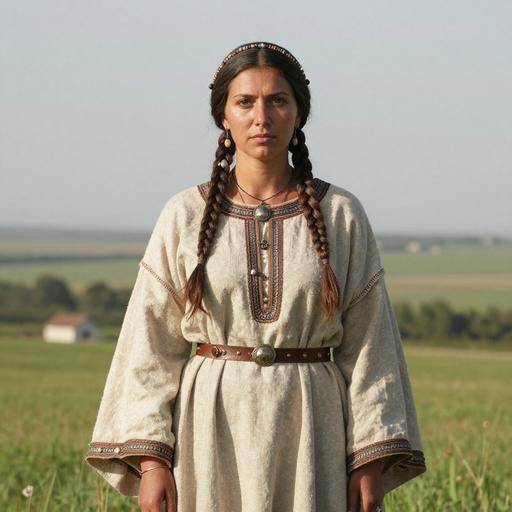
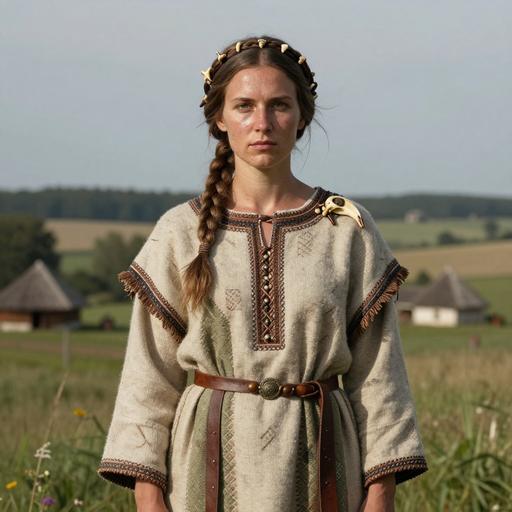
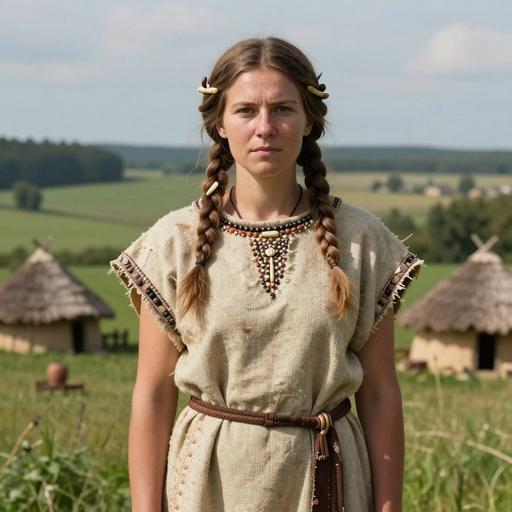
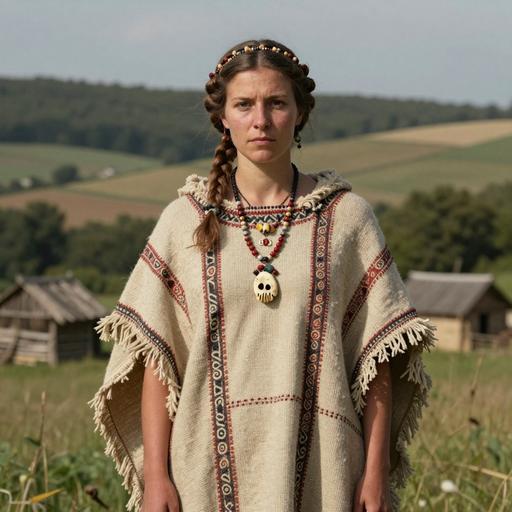
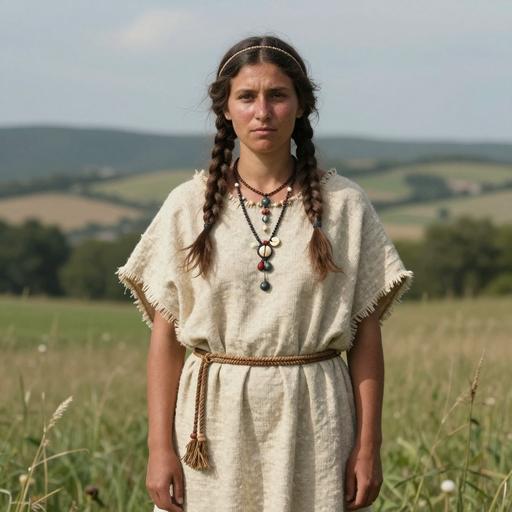
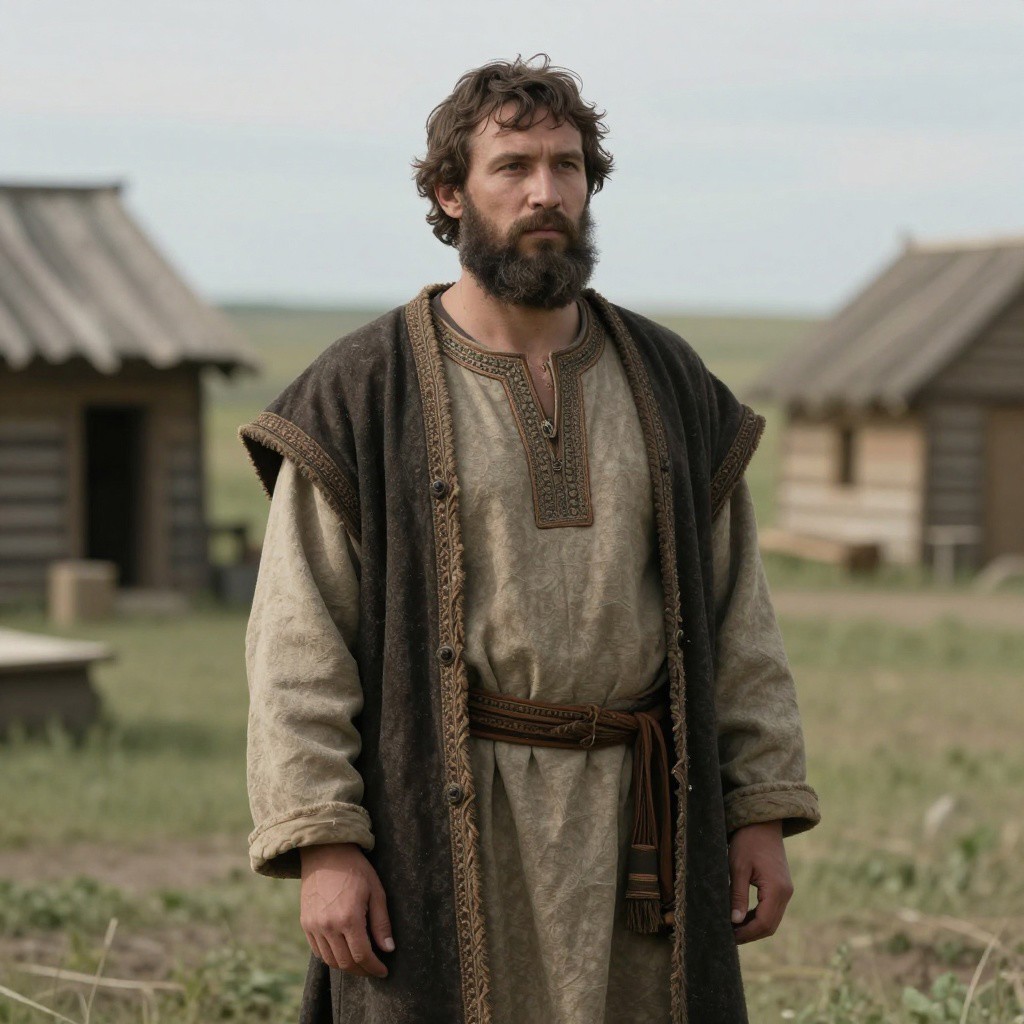
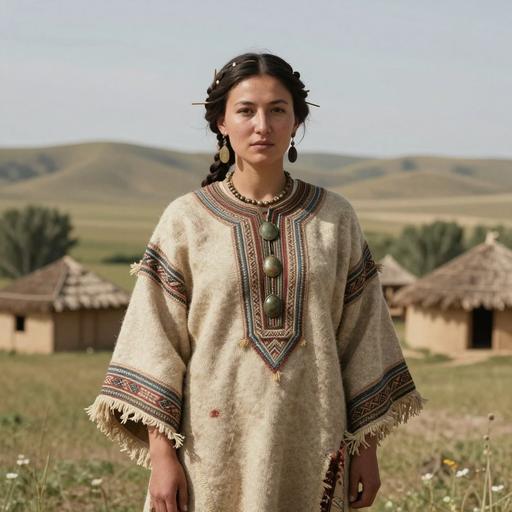
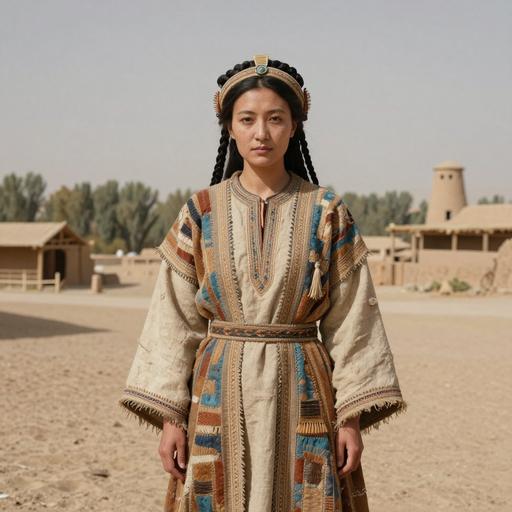
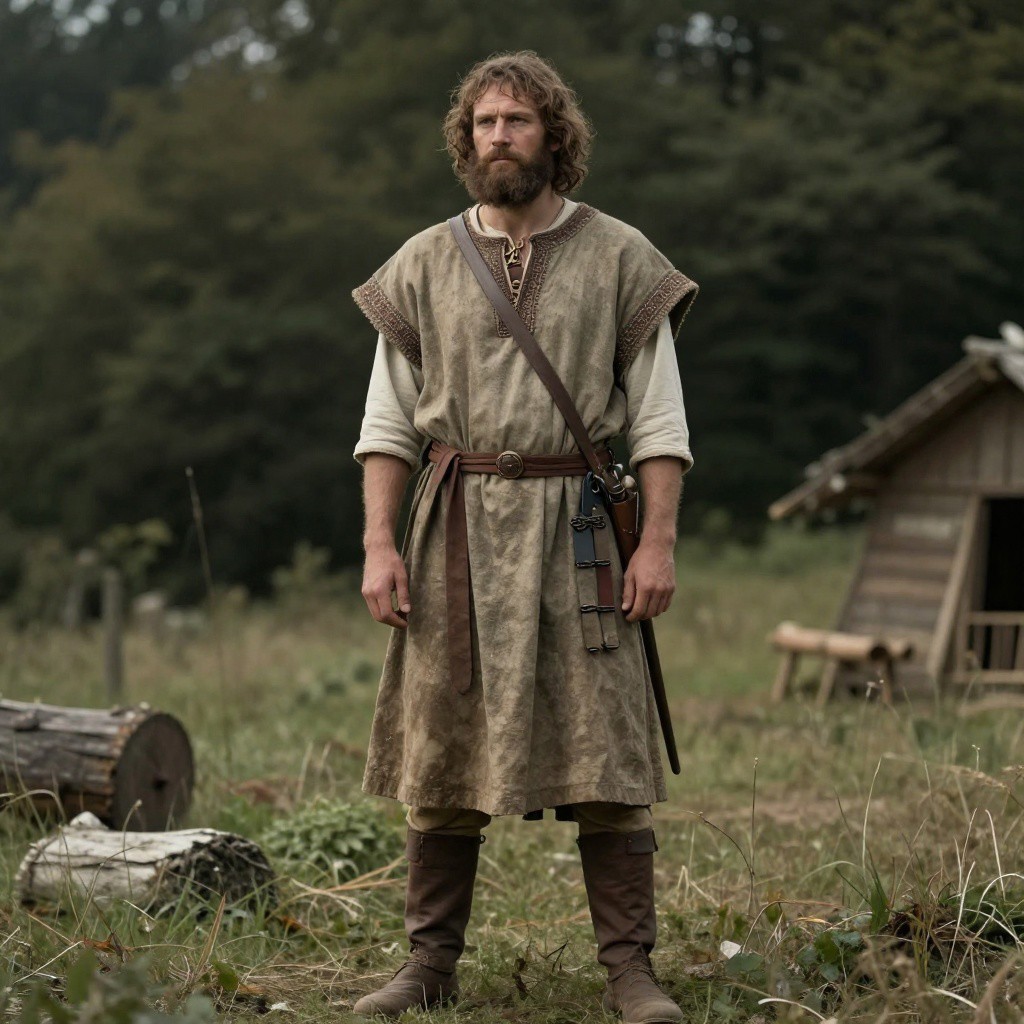
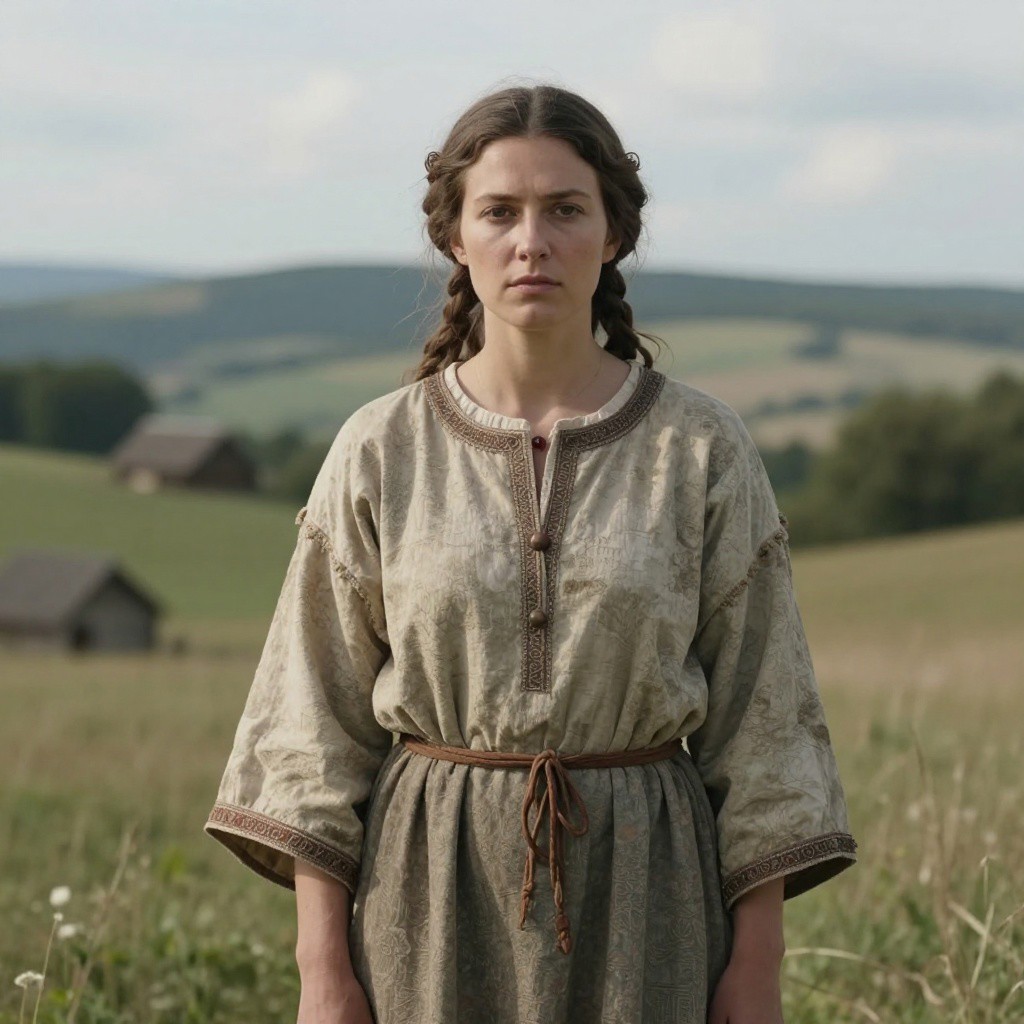
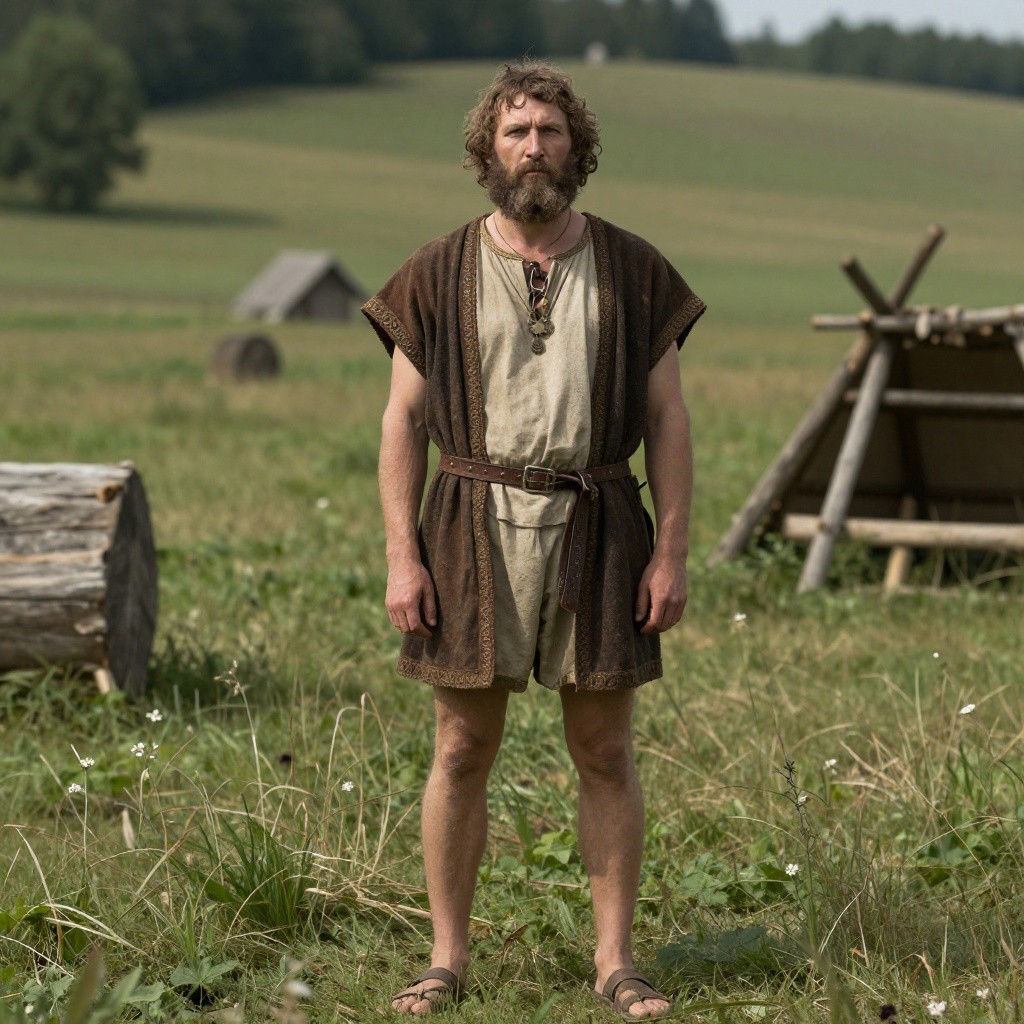
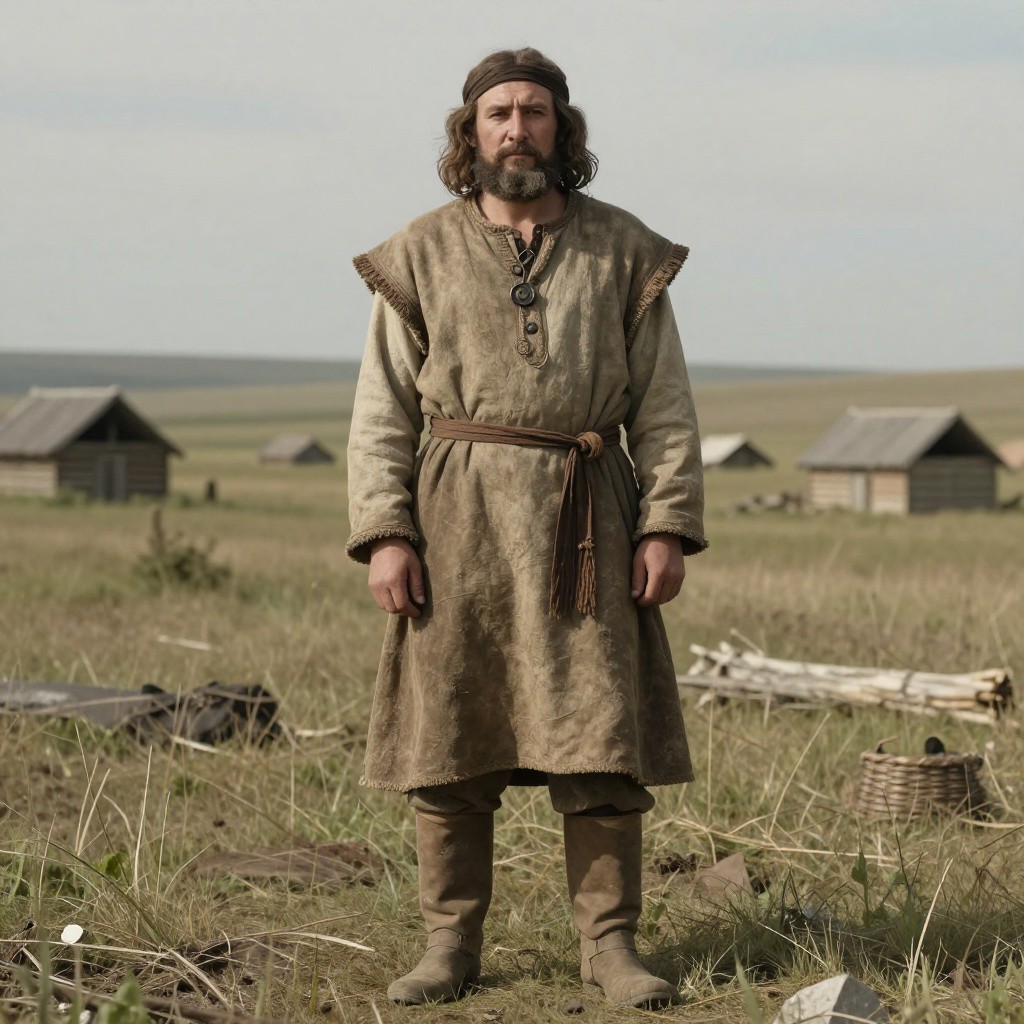
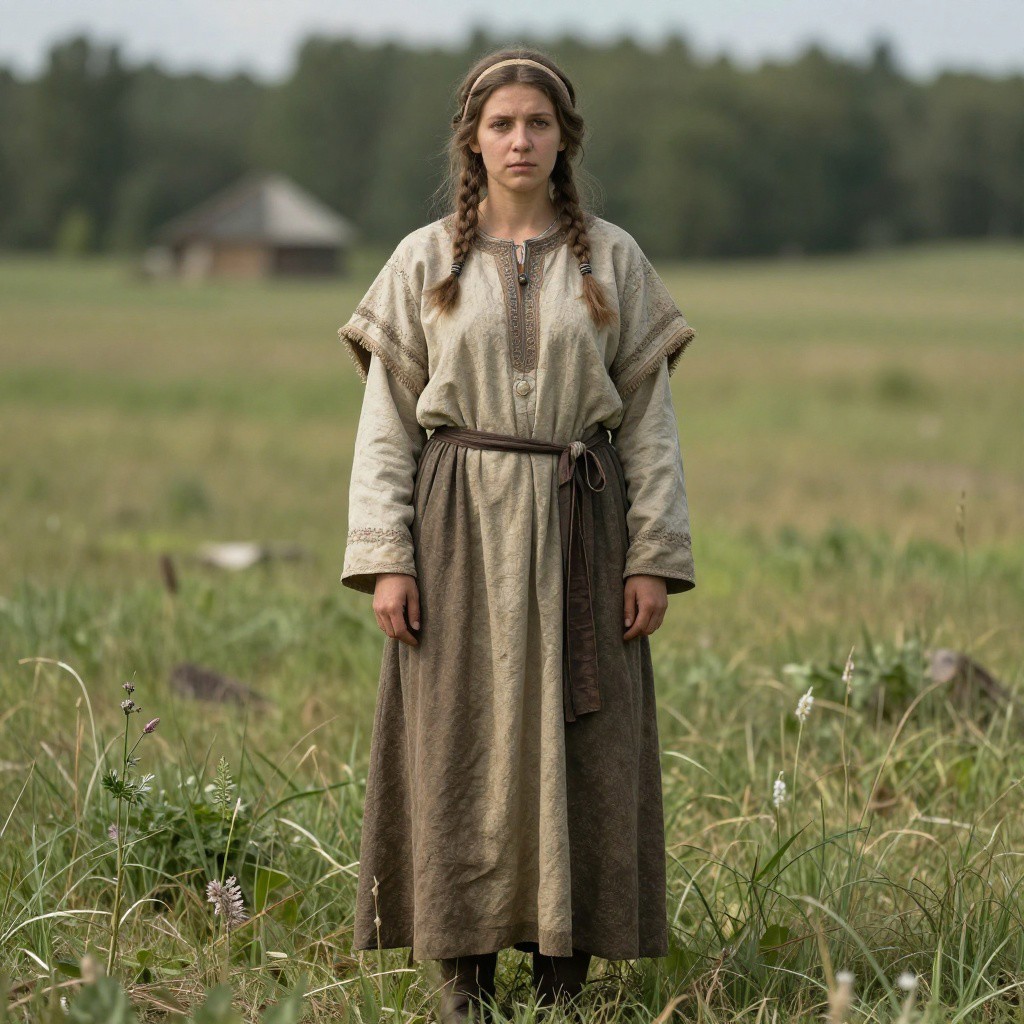
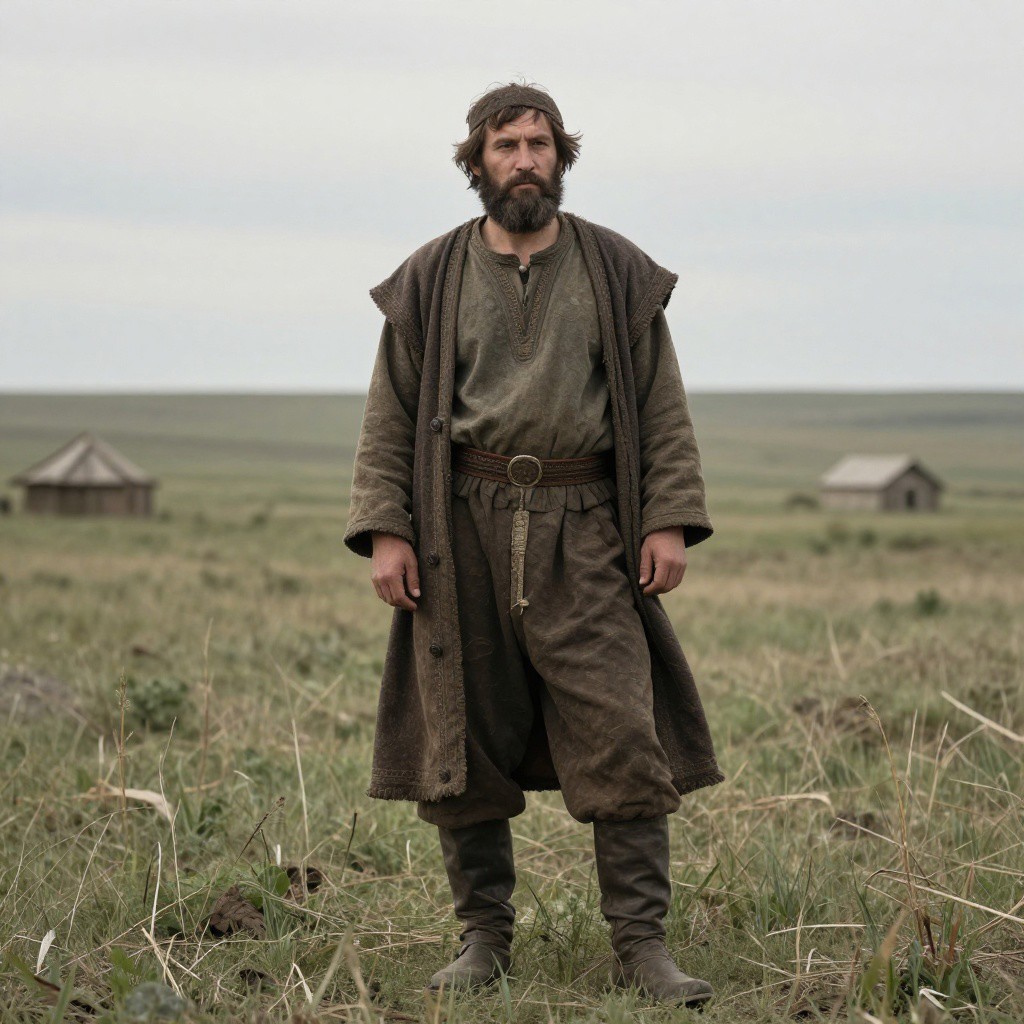
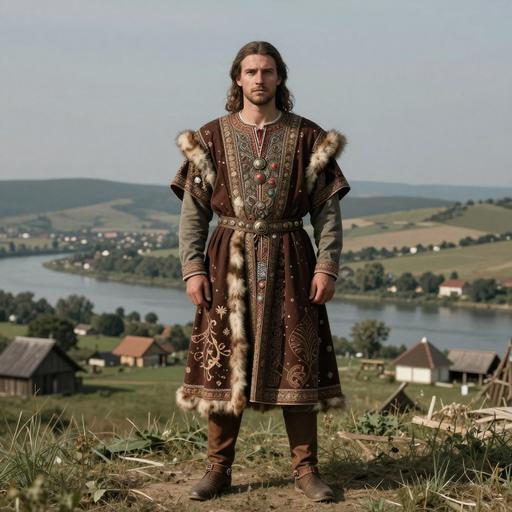
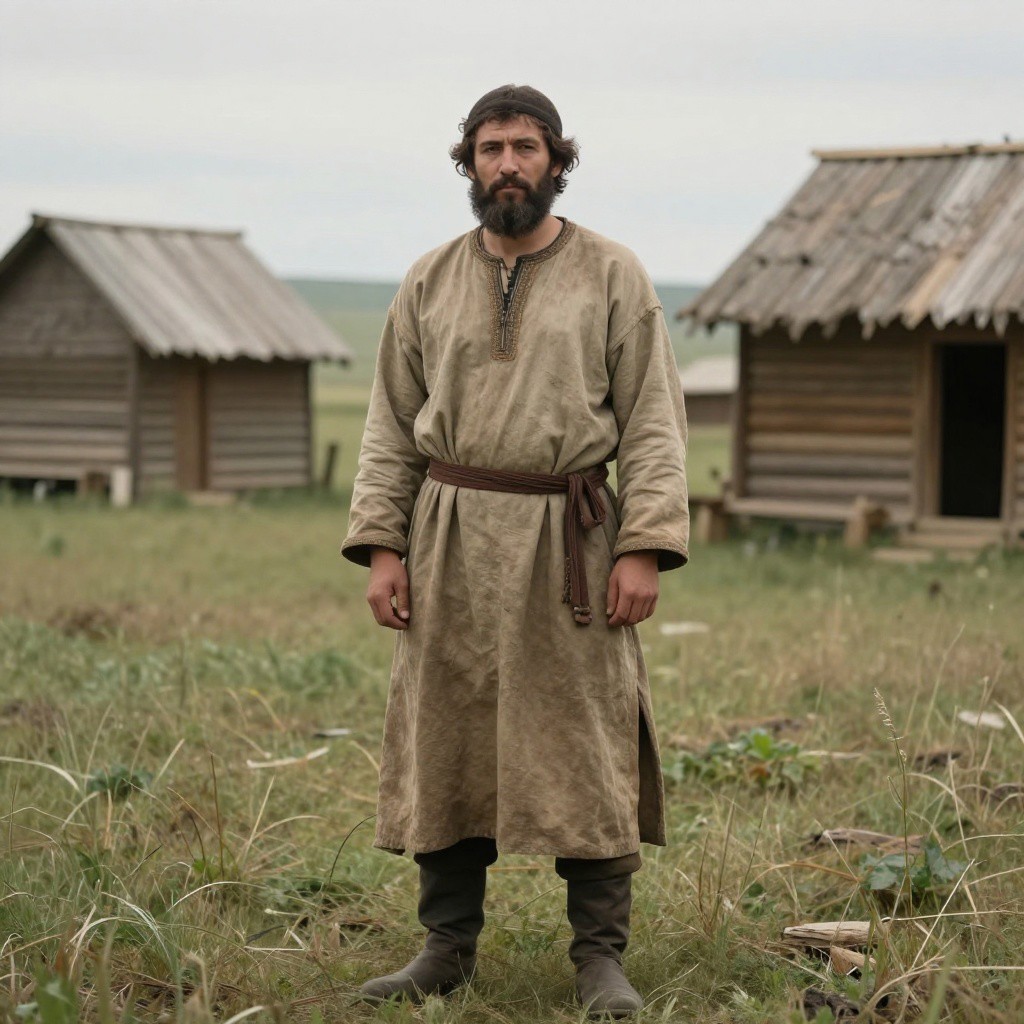
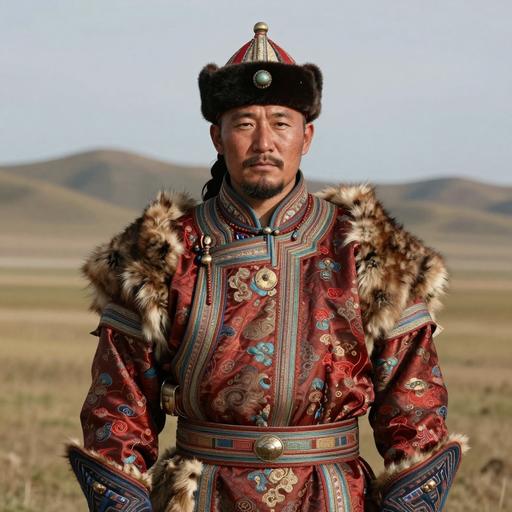
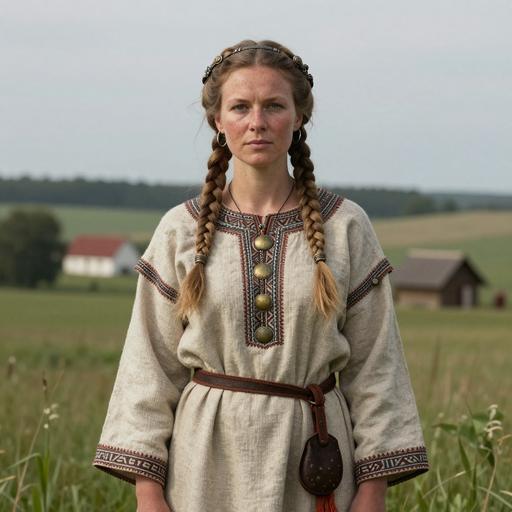
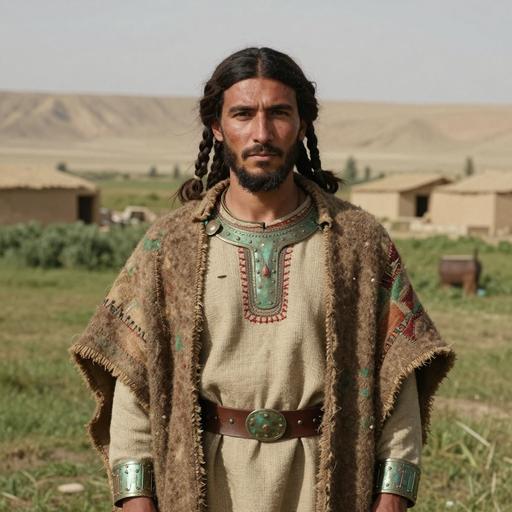
Los retratos son ilustraciones generadas con IA. Las etiquetas de muestra y los identificadores de acceso identifican los registros de referencia.
Viking Age England - United Kingdom - England. Dorset. Ridgeway Hill Mass Grave
United Kingdom England Viking 970 CE - 1025 CE
N1a1a1a2Subclado
Identificador de muestra: VK264
United Kingdom The Viking Age 970 CE - 1025 CE
N1a1a1a2Subclado
Identificador de muestra: VK324
Viking Age Denmark - Denmark - Jutland. Ribe
Denmark Denmark Viking 978 CE - 1120 CE
N1a1a1a2aSubclado
Identificador de muestra: VK324
Denmark The Viking Age 978 CE - 1120 CE
N1a1a1a2a*Subclado
Identificador de muestra: I19081
I19081
Russia Russia Tatarstan Medieval EarlyChiyalik 1010-1160 calCE (979±24 BP, DeA-16567)
N1a1a1a1aSubclado
Identificador de muestra: DAS001
Late Medieval Sukhbaatar, Mongolia - Mongolia - Sukhbaatar. Lamt Mountain
Mongolia Mongolia Sukhbaatar LateMedieval 1000-1500 CE
N1a1a1a1aSubclado
Identificador de muestra: PLE-115
Early Árpád Dynasty Period Hungary - Hungary - Hajdú-Bihar County. Püspökladány-Eperjesvölgy
Hungary Hungary EarlyArpadian 1000 CE - 1050 CE
N1a1a1a1aSubclado
Identificador de muestra: PCA0407
Iron Age Santok Culture - Poland - Santok (Lubusz Province, Gorzów Wielkopolski, Santok)
Poland Iron Age Santok Culture 1000-1200 CE
N1a1a1a1Subclado
Identificador de muestra: I32297
Medieval Serbian Slavs - Serbia - Viminacium-Svetinja (Braničevo District, Požarevac Municipality, Kostolac)
Serbia Medieval Serbian Slavs 1100-1300 CE
N1a1a1a1aSubclado
Identificador de muestra: I4255
Bronze Age Kashkarchi - Uzbekistan - Ferghana. Burial Kashkarchi
Uzbekistan Bronze Age Kashkarchi 1200-1000 BCE
N1a1a1a1Subclado
Identificador de muestra: I13518
Mycenaean Greece - Greece - Pylos. Palace of Nestor
Greece Mycenaean Greece 1200-1050 BCE
N1a1a1a3Subclado
MATERNAL LINAJE · ADN ANTIGUO
Mapa de pruebas de linajes antiguos
Sigue los clados superiores hasta esta rama y explora dónde se encontraron portadores antiguos.
Cargando observaciones antiguas...
La reducción de movimiento está activada. Utiliza la cronología o Mostrar todo para explorar a tu ritmo.
Leer las observaciones en una tabla
Observaciones antiguas visibles por rama, periodo y punto medio de la fecha
Rama
Periodo
Intervalo de fechas
Muestra
Identificador de muestra
Ubicación
Haplogrupo
Relación
Los marcadores son ubicaciones de hallazgos arqueológicos. Una línea discontinua representa una transición geográfica propuesta e incierta entre ramas consecutivas, apoyada en varias observaciones fechadas; no es una ruta de viaje exacta, un lugar de nacimiento ni una prueba de descendencia directa. Las muestras del clado parental pueden pertenecer a otras ramas descendientes. Se mantienen huecos cuando las pruebas son insuficientes. Las fechas de las muestras son distintas de las fechas de formación de los haplogrupos.
La agrupación por periodo histórico refleja cuándo vivió cada individuo antiguo y combina todas las ramas de esta cadena de linajes; no es una secuencia migratoria ni una cronología personal entre periodos.
Perfil de referencia
Mapa de distribución de portadores
Distribución geográfica de muestras de ADN antiguo (100), portadores directos o de subclados de N1A1A1
Portador directo Portador de un subclado
Filtro de periodo temporal
Todos los periodos
Mostrando todas las muestras
Perfil de referencia
Distribución temporal
Distribución de portadores por periodos arqueológicos
Perfil de referencia
Distribución geográfica
Recuentos por país registrado de las muestras. Reflejan la selección de referencia disponible, no frecuencias de población.
Perfil de referencia
Distribución por país y época
Compara los recuentos de muestras registradas por países y periodos arqueológicos. Selecciona una celda con datos para examinar una muestra.
Datos
Datos y procedencia
Información sobre las fuentes y la calidad de los datos
Última actualización2026-06-14
Puntuación de confianza50/100
CoberturaLow
Fuente de datos
La clasificación, las fechas estimadas y el contexto geográfico reflejan los datos de referencia registrados y pueden cambiar al revisarse las pruebas. La cobertura de muestras es desigual; las ubicaciones registradas y las asociaciones arqueológicas no establecen el origen personal ni la identidad cultural.