Un perfil de referencia de una rama de linaje. Compartir haplogrupos no demuestra una relación familiar ni una identidad cultural.
Perfil de referencia
Contexto de la rama
Contexto histórico de la rama de linaje mtDNA U5A1B
Origins and Evolution
mtDNA haplogroup U5A1B is a downstream branch of U5a1, itself part of the broader haplogroup U5, one of the oldest and most characteristic maternal lineages of European hunter-gatherers. U5 lineages expanded and differentiated during and after the Last Glacial Maximum (LGM); based on the phylogenetic position of U5a1 and archaeological context of related lineages, U5A1B most plausibly arose in northern or northeastern Europe during the late Paleolithic to early Mesolithic (roughly the early postglacial period, on the order of ~12 kya). As a derived subclade of U5a1, U5A1B represents a continuation of maternal lines that were present in European hunter-gatherer refugia and that participated in the postglacial recolonization of higher latitudes.
Subclades
U5A1B is a defined descendant of U5a1; depending on sequencing resolution and sample coverage, there may be further downstream branches recognized in modern and ancient datasets (for example population-specific sublineages in Scandinavia or the eastern Baltic). Where high-resolution mitochondrial genomes are available, researchers sometimes identify private or regionally localized branches beneath U5A1B that reflect later drift and founder effects, particularly in small or isolated populations.
Geographical Distribution
U5A1B has its strongest representation in Northern and Eastern Europe, with notable frequencies and continuity in Scandinavia and the Baltic region. It is recorded at elevated frequencies among indigenous northern European groups such as the Saami, and it occurs in various proportions across Central and Western Europe. Low-frequency occurrences have been observed in the Caucasus, parts of Central Asia, and North Africa, likely resulting from complex prehistoric and historic gene flow and episodic migrations. In the ancient DNA record U5A1B and closely related U5a lineages appear across Mesolithic and some later contexts in northern Europe; your database notes 26 ancient samples attributed to this lineage, consistent with persistence across multiple periods.
Historical and Cultural Significance
Because U5 and its subclades are strongly associated with European hunter-gatherer populations, U5A1B is often interpreted as a marker of maternal continuity from Mesolithic populations into later periods in northern Europe. In areas such as Fennoscandia and the eastern Baltic, the lineage is tied to the genetic substrate of indigenous groups and can reveal patterns of survival in postglacial refugia and subsequent local expansions or persistence. During the Neolithic and Bronze Age, the frequency of U5-derived lineages typically declines in many regions due to the incoming farmer-associated mtDNA but persists in northern and more isolated populations. Where U5A1B occurs in Bronze Age or later contexts, it can reflect local continuity, admixture with incoming groups, or population structure maintained by small communities.
Conclusion
U5A1B is best understood as a regional, hunter-gatherer-derived maternal lineage that emerged after the LGM in northern or northeastern Europe and persisted through the Mesolithic into later periods, particularly in northern and indigenous populations such as the Saami. Its distribution in modern and ancient samples highlights patterns of postglacial recolonization, local founder effects, and subsequent interactions with incoming cultural complexes; continued high-resolution mitogenome sequencing and denser ancient sampling will further refine the internal branching and geographic history of U5A1B.
Puntos clave
Origins and Evolution
Subclades
Geographical Distribution
Historical and Cultural Significance
Conclusion
Perfil de referencia
Árbol y relaciones
Contexto filogenético y subclados
Trayectoria evolutiva
Sigue las ramas superiores registradas hasta U5A1B. Las fechas son estimaciones y pueden cambiar al revisarse los datos de referencia.
The populations where mtDNA haplogroup U5A1B is found include:
Northern European populations (e.g., Scandinavia)
Indigenous Saami populations of northern Scandinavia
Eastern European populations (Baltic region, parts of Russia)
Central and Western European populations (lower to moderate frequencies)
Caucasus populations (low frequency)
Some Central Asian and North African populations (sporadic, low frequency)
Contexto histórico
Una rama a través del tiempo
Formación estimada en una cronología histórica amplia. Los marcadores temporales aportan contexto y no implican relación con culturas concretas.
~12k años de antigüedad
Haplogrupo U5A1B
Formación estimada de esta rama de mtDNA; las fechas y ubicaciones son estimaciones de referencia.
Esta rama
~10k años de antigüedad
Revolución neolítica
Inicio de la agricultura y formación de comunidades sedentarias
~5k años de antigüedad
Edad del Bronce
Metalurgia, escritura y primeras civilizaciones
~3k años de antigüedad
Edad del Hierro
Herramientas de hierro y ampliación de redes comerciales
~2.5k años de antigüedad
Antigüedad clásica
Desarrollo de las civilizaciones griega y romana
Actualidad
Actualidad
Época moderna
Perfil de referencia
Contexto arqueológico
Asociaciones arqueológicas registradas para la rama mtDNA U5A1B
Asociaciones registradas
Estas etiquetas describen contextos arqueológicos registrados para las muestras de referencia enlazadas a U5A1B. Una asociación no demuestra que todos los portadores pertenecieran a una cultura ni siguieran una ruta migratoria concreta.
BoyanovoCorded Ware CultureEurasian SteppeFatyanovoPoltavkaRussia_MBA_CaucasusRussia_Orenburg_EBA_YamnayaRussia_Samara_Eneolithic_EkaterinovkaUkrainian Neolithic
Las atribuciones culturales se basan en el contexto arqueológico de las muestras de ADN antiguo y pueden representar asociaciones regionales de periodos concretos.
Perfil de referencia
Catálogo de muestras
24 portadores directos y 31 portadores de subclados del haplogrupo U5A1B
10 mostradas · 50 muestras coincidentes
Ninguna muestra coincide con estos filtros. Prueba otra etiqueta, ubicación o periodo.
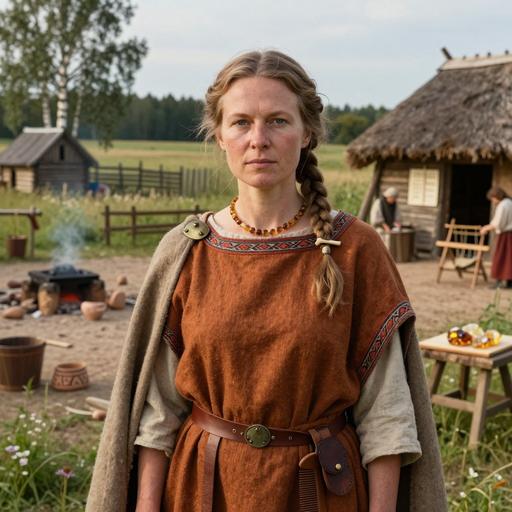
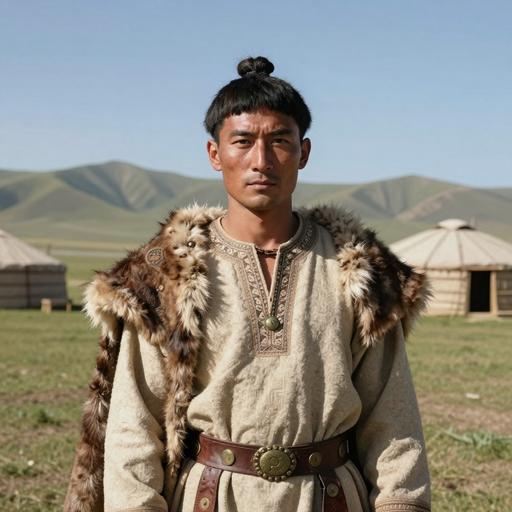
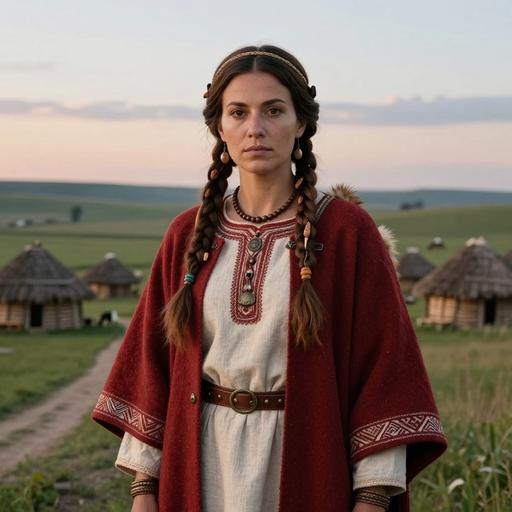
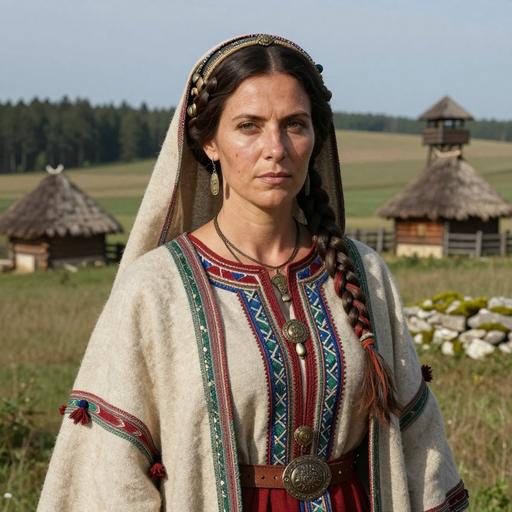
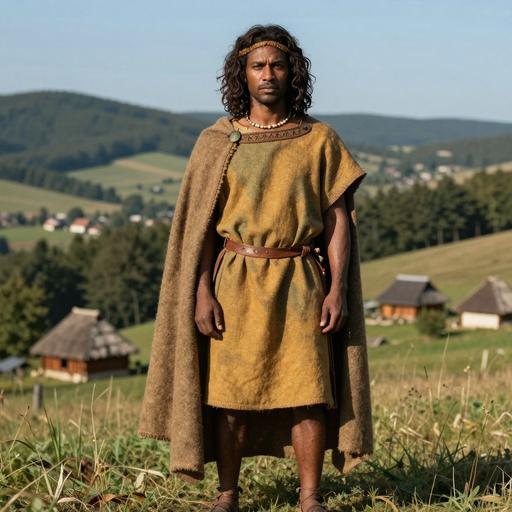
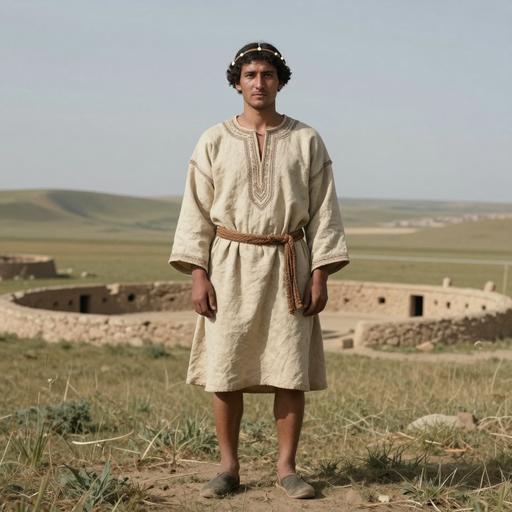
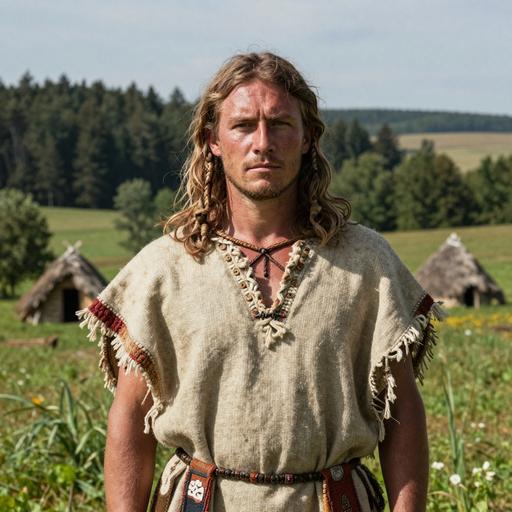
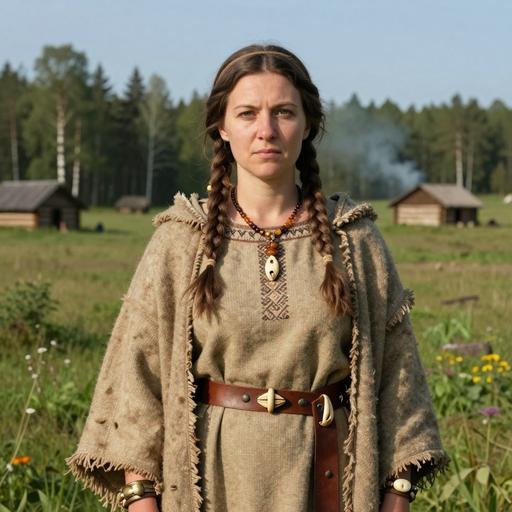
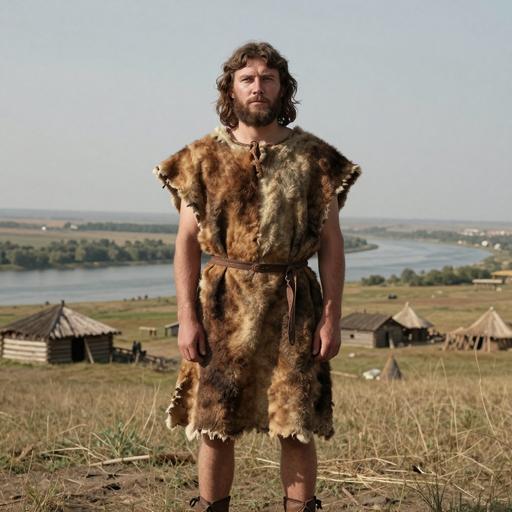
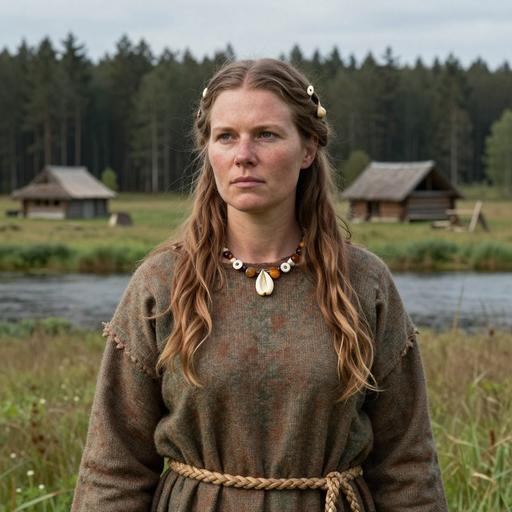
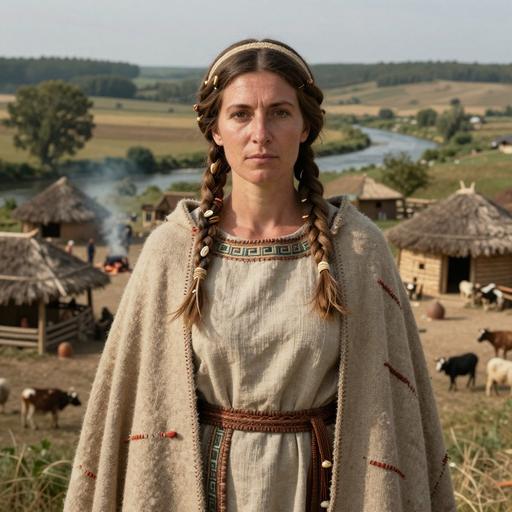
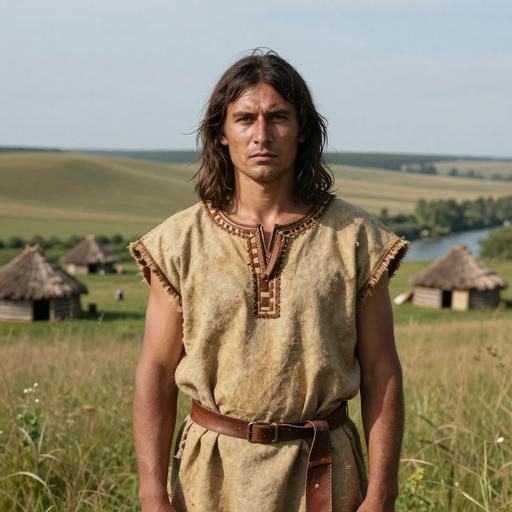
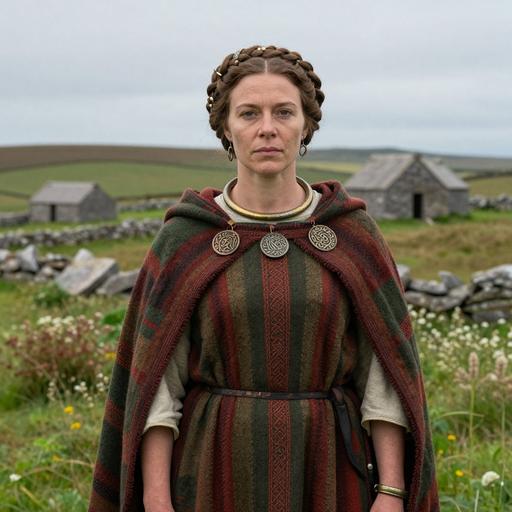
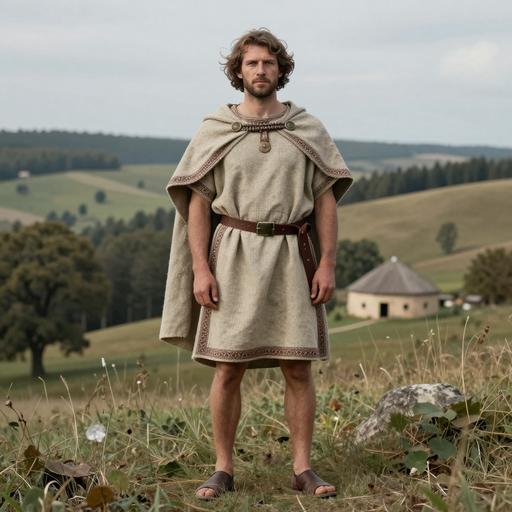
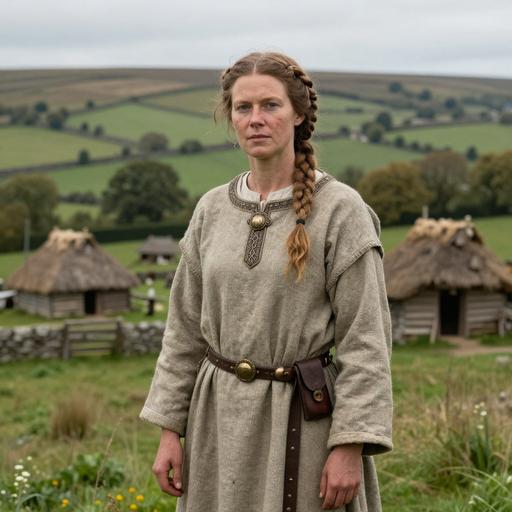
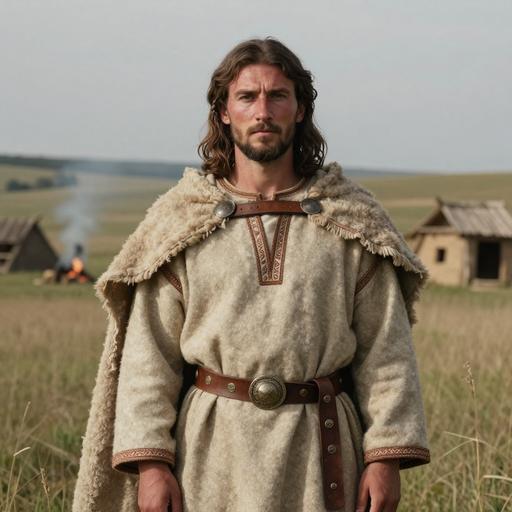
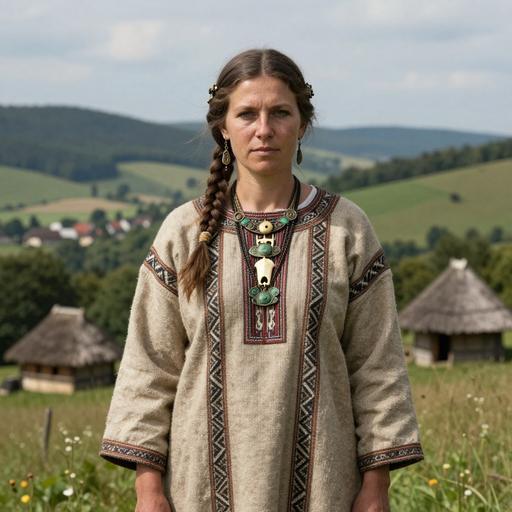
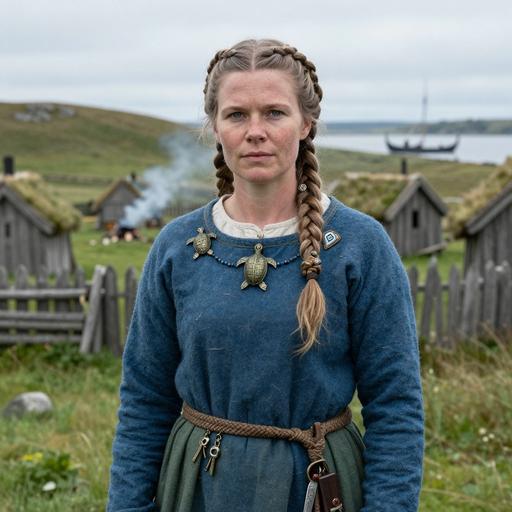
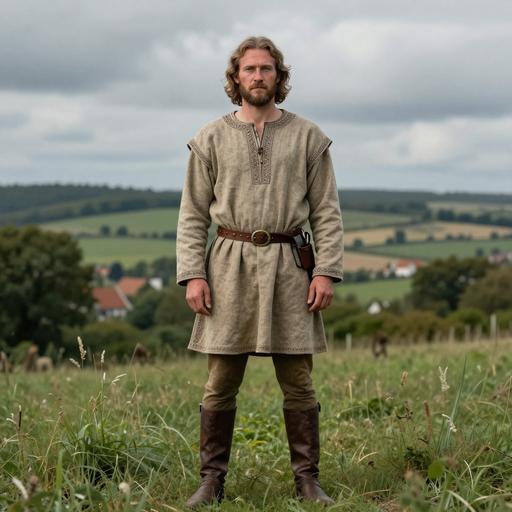
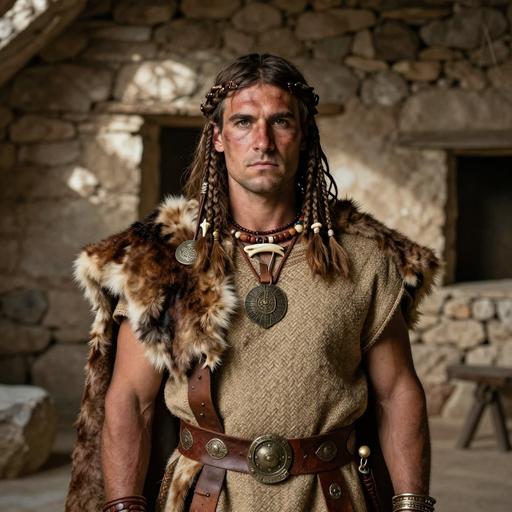
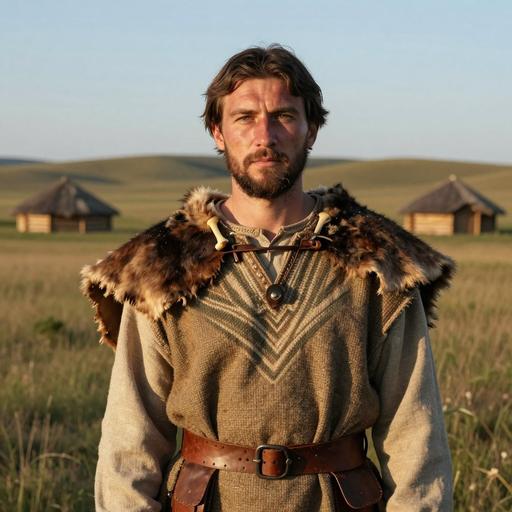
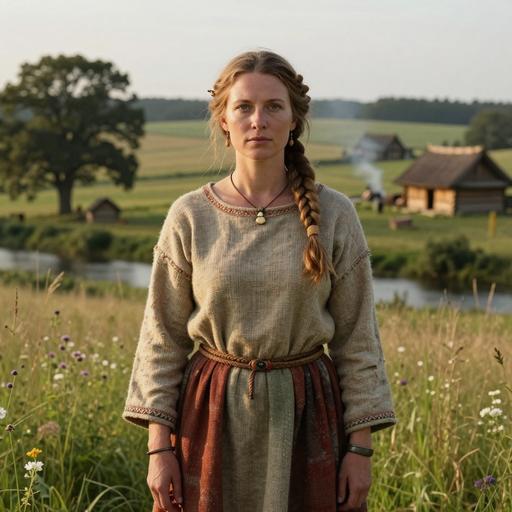
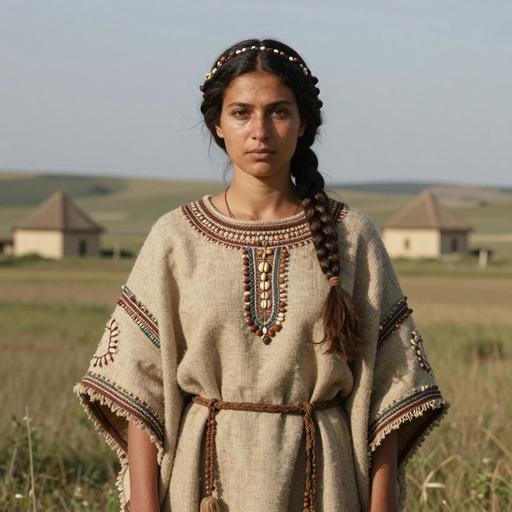
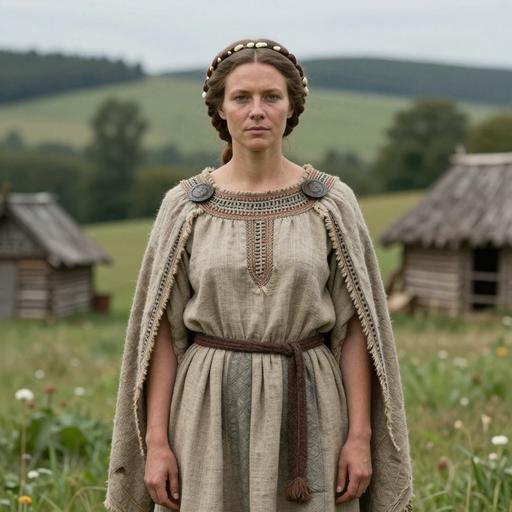
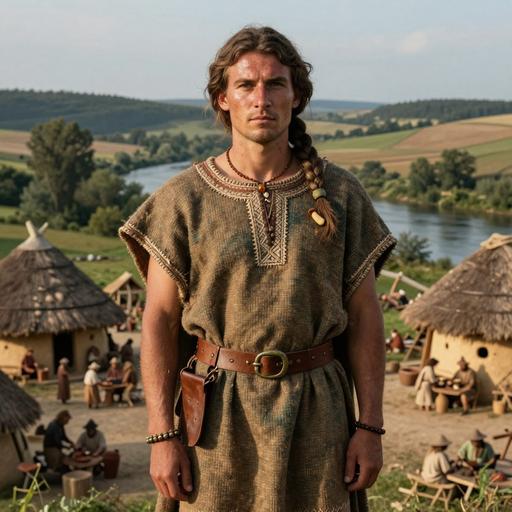
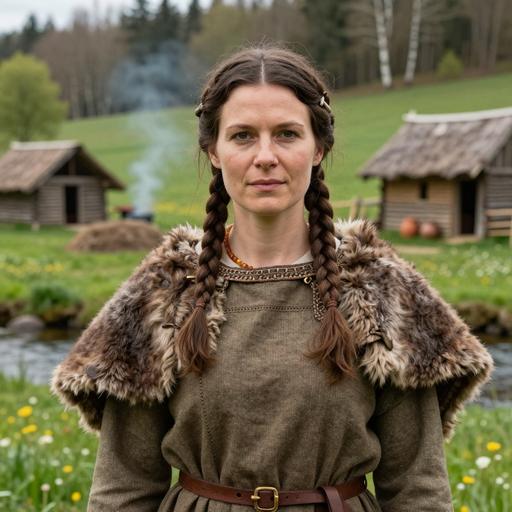
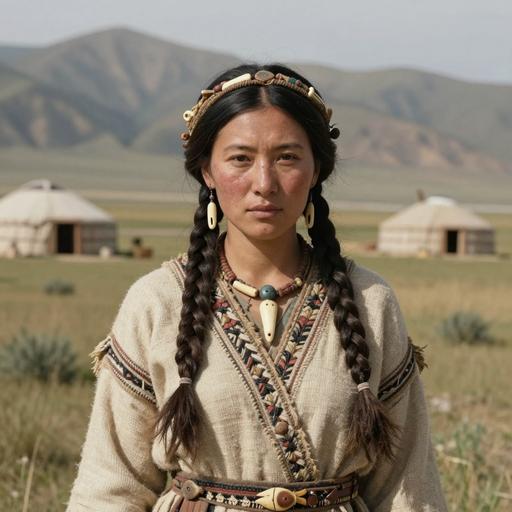
Los retratos son ilustraciones generadas con IA. Las etiquetas de muestra y los identificadores de acceso identifican los registros de referencia.
Retrato
Muestra
País
Época
Fecha
Cultura
mtDNA
Coincidencia
Identificador de muestra: PCA0473
Poland
Wielbark Culture
100-300 CE
Wielbark
U5a1b
Direct
Identificador de muestra: I18832
Hungary
Hungary IA LaTene
350-200 BCE
La Tene Culture
U5a1b
Direct
Identificador de muestra: I17314
Czech Republic
Iron Age La Tène Culture, Czech Republic
400-200 BCE
La Tène Culture
U5a1b
Direct
Identificador de muestra: C1649
China
China Xinjiang Wutulan IA
450-50 BCE
Wutulan Culture
U5a1b
Direct
Identificador de muestra: RKF151
Hungary
Hungary LateAvar
650-900 CE
Avar Culture
U5a1b
Direct
Identificador de muestra: RKF158
Hungary
Hungary LateAvar
650-900 CE
Avar Culture
U5a1b
Direct
Identificador de muestra: RKF221
Hungary
Hungary LateAvar
650-900 CE
Avar Culture
U5a1b
Direct
Identificador de muestra: CHL006
Czech Republic
Early Bronze Age Unetice Culture, Bohemia, Czech Republic
2030-1882 calBCE (3591±28 BP, MAMS-40618)
Unetice Culture
U5a1b
Direct
Identificador de muestra: BNL009
Czech Republic
Early Bronze Age Unetice Culture, Bohemia, Czech Republic
Early Bronze Age Unetice Culture, Poland - Poland - Przeclawice
Poland Poland EBA Unetice 1886 BCE - 1691 BCE
U5a1b1Subclado
Identificador de muestra: RISE150
Poland The Unetice Culture 1886 BCE - 1691 BCE
U5a1b1Subclado
Identificador de muestra: I23212
The Maros Culture in Serbia - Serbia - North Banat. Kikinda. Mokrin
Serbia The Maros Culture in Serbia 2100-1800 BCE
U5a1b1Subclado
Identificador de muestra: PDA001
Early Bronze Age Unetice Culture, Bohemia, Czech Republic - Czech Republic - Bohemia. Praha-Ďáblice
Czech Republic Early Bronze Age Unetice Culture, Bohemia, Czech Republic 2140-1973 calBCE (3675±22 BP, MAMS-30755)
U5a1b1Subclado
Identificador de muestra: I13468
Early Bronze Age Unetice Culture, Czech Republic - Czech Republic - Central Bohemia. Prague 5. Prague-Stodůlky (Malá Ohrada site)
Czech Republic Early Bronze Age Unetice Culture, Czech Republic 2150-1850 BCE
U5a1b1Subclado
Identificador de muestra: PDA004
Early Bronze Age Unetice Culture, Bohemia, Czech Republic - Czech Republic - Bohemia. Praha-Ďáblice
Czech Republic Early Bronze Age Unetice Culture, Bohemia, Czech Republic 2197-2035 calBCE (3717±20 BP, MAMS-30757)
U5a1b1Subclado
Identificador de muestra: PDA002
Early Bronze Age Unetice Culture, Bohemia, Czech Republic - Czech Republic - Bohemia. Praha-Ďáblice
Czech Republic Early Bronze Age Unetice Culture, Bohemia, Czech Republic 2199-2035 calBCE (3720±21 BP, MAMS-30756)
U5a1b1Subclado
Identificador de muestra: LEU034
Early Bronze Age Unetice Culture, Germany - Germany - Leubingen-1 (Thüringen, Kyffhäuserkreis)
Germany Early Bronze Age Unetice Culture, Germany 2200-2000 BCE
U5a1b1Subclado
Identificador de muestra: LEU009
Early Bronze Age Unetice Culture, Germany - Germany - Leubingen-1 (Thüringen, Kyffhäuserkreis)
Germany Early Bronze Age Unetice Culture, Germany 2150-2000 BCE
U5a1b1Subclado
Identificador de muestra: KO7003
Early Bronze Age Unetice Culture, Bohemia, Czech Republic - Czech Republic - Bohemia. Kolín VII
Czech Republic Early Bronze Age Unetice Culture, Bohemia, Czech Republic 2284-2046 calBCE (3761±24 BP, MAMS-30793)
U5a1b1Subclado
Identificador de muestra: PDA003
Early Bronze Age Unetice Culture, Bohemia, Czech Republic - Czech Republic - Bohemia. Praha-Ďáblice
Czech Republic Early Bronze Age Unetice Culture, Bohemia, Czech Republic 2286-2050 calBCE (3765±24 BP, MAMS-38479)
U5a1b1Subclado
Identificador de muestra: EHU001
Chalcolithic Spain - Spain - Castilla y León. Burgos. Monasterio de Rodilla. El Hundido
Spain Spain C 2287-2044 cal BCE (3760±30 BP, Beta-492280)
U5a1b1Subclado
Identificador de muestra: C2049
The Bronze Age Chemurcheck culture - China - Xinjiang. Aletai Region. Qinghe County. Chaganguole
China The Bronze Age Chemurcheck culture 2450-2100 BCE
U5a1b1Subclado
MATERNAL LINAJE · ADN ANTIGUO
Mapa de pruebas de linajes antiguos
Sigue los clados superiores hasta esta rama y explora dónde se encontraron portadores antiguos.
Cargando observaciones antiguas...
La reducción de movimiento está activada. Utiliza la cronología o Mostrar todo para explorar a tu ritmo.
Leer las observaciones en una tabla
Observaciones antiguas visibles por rama, periodo y punto medio de la fecha
Rama
Periodo
Intervalo de fechas
Muestra
Identificador de muestra
Ubicación
Haplogrupo
Relación
Los marcadores son ubicaciones de hallazgos arqueológicos. Una línea discontinua representa una transición geográfica propuesta e incierta entre ramas consecutivas, apoyada en varias observaciones fechadas; no es una ruta de viaje exacta, un lugar de nacimiento ni una prueba de descendencia directa. Las muestras del clado parental pueden pertenecer a otras ramas descendientes. Se mantienen huecos cuando las pruebas son insuficientes. Las fechas de las muestras son distintas de las fechas de formación de los haplogrupos.
La agrupación por periodo histórico refleja cuándo vivió cada individuo antiguo y combina todas las ramas de esta cadena de linajes; no es una secuencia migratoria ni una cronología personal entre periodos.
Perfil de referencia
Mapa de distribución de portadores
Distribución geográfica de muestras de ADN antiguo (55), portadores directos o de subclados de U5A1B
Portador directo Portador de un subclado
Filtro de periodo temporal
Todos los periodos
Mostrando todas las muestras
Perfil de referencia
Distribución temporal
Distribución de portadores por periodos arqueológicos
Perfil de referencia
Distribución geográfica
Recuentos por país registrado de las muestras. Reflejan la selección de referencia disponible, no frecuencias de población.
Perfil de referencia
Distribución por país y época
Compara los recuentos de muestras registradas por países y periodos arqueológicos. Selecciona una celda con datos para examinar una muestra.
Datos
Datos y procedencia
Información sobre las fuentes y la calidad de los datos
Última actualización2026-02-16
Puntuación de confianza50/100
CoberturaLow
Fuente de datos
La clasificación, las fechas estimadas y el contexto geográfico reflejan los datos de referencia registrados y pueden cambiar al revisarse las pruebas. La cobertura de muestras es desigual; las ubicaciones registradas y las asociaciones arqueológicas no establecen el origen personal ni la identidad cultural.