Saltar al contenido principal
mtDNA · Materno linaje

U5A1G1

mtDNA Haplogroup U5A1G1

Un perfil de referencia de una rama de linaje. Compartir haplogrupos no demuestra una relación familiar ni una identidad cultural.

Perfil de referencia

Contexto de la rama

Contexto histórico de la rama de linaje mtDNA U5A1G1

Origins and Evolution

mtDNA haplogroup U5A1G1 is a downstream branch of U5a1g, itself a subclade of the broader U5a lineage. The U5 haplogroup is one of the oldest and best‑documented maternal lineages in Europe, strongly associated with Palaeolithic and Mesolithic hunter‑gatherer populations. U5A1G1 most likely formed during the early Holocene (post‑Last Glacial Maximum) within Northern and Eastern Europe as local populations expanded and diversified following climatic amelioration. Its age, topology and modern distribution are consistent with a regional origin after the main LGM refugial phase but still reflecting deep Mesolithic ancestry retained in northern populations.

Subclades

U5A1G1 is a terminal or near‑terminal branch within the U5a1g cluster. As a downstream clade it is defined by additional private mutations on top of the U5a1g backbone and therefore often appears in phylogenies as a localized lineage. Because U5 lineages have a rich ancient DNA record, U5A1G1 can be traced in both modern and archaeological samples, but it remains a relatively low‑diversity subclade compared with major continental mtDNA branches. Further substructure may exist at a fine geographic scale (for example within Saami groups or specific Baltic localities) but requires dense sampling and complete mitogenomes to resolve fully.

Geographical Distribution

The distribution of U5A1G1 is strongly northern and northeastern European in modern populations. It reaches its highest relative frequency among Saami and is present at moderate frequencies among other Scandinavian populations and Finns/Baltic peoples. It is detectable at lower frequencies in parts of northern Russia and Karelia, at sporadic low frequencies in Central Europe (Germany, Poland) and in some Caucasus samples, and very rarely appears in North Africa where it likely reflects later, secondary gene flow rather than a primary pattern of spread. U5A1G1 is also represented in ancient DNA: several Holocene and late Mesolithic/Neolithic European remains carry U5A1G1 or closely related U5a1g lineages, consistent with long‑term local continuity.

Historical and Cultural Significance

Because U5 lineages are emblematic of European hunter‑gatherer maternal ancestry, U5A1G1 is interpreted as part of the Mesolithic genetic substrate that persisted in northern Europe into the Neolithic and later periods. Its prominence in the Saami and in other northern/Eastern populations points to survival and local continuity through cultural transitions (for example the arrival of Neolithic farming and later Bronze Age movements). Unlike haplogroups associated with Near Eastern farmers (e.g., many H and J subclades) or steppe pastoralists (whose maternal composition includes a mix of lineages), U5A1G1 typically signals continuity from pre‑farming inhabitants and is therefore used in studies as a marker of indigenous northern ancestry.

Interactions with incoming populations (Neolithic farmers, Bronze Age steppe groups) likely reduced the overall frequency of U5A1G1 in some regions, but the lineage persisted in refugial northern contexts and in populations with continued reliance on mixed foraging/fishing economies. Its presence in archaeological contexts underscores continuity rather than wholesale replacement in many northern European locales.

Conclusion

U5A1G1 is a geographically focused, Holocene‑aged subclade of the ancient European U5 maternal radiation. It is best understood as a marker of post‑glacial northern European hunter‑gatherer ancestry that survived through subsequent cultural and demographic changes, remaining most visible today among Saami, Scandinavian, Finnish and Baltic groups and as rare occurrences elsewhere in Europe and adjacent regions. Continued sampling of complete mitogenomes and ancient remains will refine its internal structure and migration history further.

Puntos clave

  • Origins and Evolution
  • Subclades
  • Geographical Distribution
  • Historical and Cultural Significance
  • Conclusion
Perfil de referencia

Árbol y relaciones

Contexto filogenético y subclados

Trayectoria evolutiva

Sigue las ramas superiores registradas hasta U5A1G1. Las fechas son estimaciones y pueden cambiar al revisarse los datos de referencia.

Pasos Haplogrupo Antigüedad estimada Época arqueológica Tiempo transcurrido Subclados inmediatos Portadores modernos analizados Referencias antiguas
1 U5A1G1 Actual ~7,000 years ago Neolithic 7,000 years 0 0 0
2 U5A1G ~9,000 years ago Neolithic 9,000 years 2 2 29
3 U5A1A ~12,000 years ago Neolithic 12,000 years 3 225 78
4 U5a1 ~18,000 years ago Mesolithic 18,000 years 9 521 0
5 U5a ~17,000 years ago Mesolithic 17,000 years 2 659 110
6 U5A'B - - - 2 1,339 0
7 U5 ~35,000 years ago Paleolithic 35,000 years 1 1,339 142
8 U ~46,000 years ago Paleolithic 46,000 years 5 5,557 110
9 R ~55,000 years ago Paleolithic 55,000 years 17 22,830 57
10 NA - - - 1 22,830 0
11 N ~60,000 years ago Paleolithic 60,000 years 16 26,150 13
12 L3 ~70,000 years ago Paleolithic 70,000 years 7 30,162 6
13 L3'4 - - - 2 30,212 0
14 L3'4'6 - - - 2 30,216 0
15 L2'3'4'6 - - - 2 31,333 0
16 L2'3'4'5'6'7 - - - 2 31,349 0
17 L1'2'3'4'5'6'7 - - - 2 31,852 0
18 L ~160,000 years ago Paleolithic 160,000 years 2 32,236 5

Subclados (0)

Rama terminal: no hay subclados registrados

Ramas hermanas (1)

Otras ramas del mismo haplogrupo superior

Perfil de referencia

En el mundo

Distribución geográfica y presencia moderna

Origen registrado

Northern and Eastern Europe

Distribución moderna

The populations where mtDNA haplogroup U5A1G1 is found include:

  1. Saami (indigenous Northern Scandinavia)
  2. Scandinavians (Norway, Sweden, Denmark)
  3. Finns and Baltic peoples (Estonia, Latvia, Lithuania)
  4. Eastern European populations (northern Russia, Karelia)
  5. Central European populations at low frequency (Germany, Poland)
  6. Caucasus populations at low frequency
  7. North African populations at very low frequency (likely secondary gene flow)
  8. Ancient Mesolithic and Neolithic European remains (10 identified ancient samples)
Contexto histórico

Una rama a través del tiempo

Formación estimada en una cronología histórica amplia. Los marcadores temporales aportan contexto y no implican relación con culturas concretas.

  1. ~10k años de antigüedad

    Revolución neolítica

    Inicio de la agricultura y formación de comunidades sedentarias

  2. ~7k años de antigüedad

    Haplogrupo U5A1G1

    Formación estimada de esta rama de mtDNA; las fechas y ubicaciones son estimaciones de referencia.

    Esta rama
  3. ~5k años de antigüedad

    Edad del Bronce

    Metalurgia, escritura y primeras civilizaciones

  4. ~3k años de antigüedad

    Edad del Hierro

    Herramientas de hierro y ampliación de redes comerciales

  5. ~2.5k años de antigüedad

    Antigüedad clásica

    Desarrollo de las civilizaciones griega y romana

  6. Actualidad

    Actualidad

    Época moderna

Perfil de referencia

Contexto arqueológico

Asociaciones arqueológicas registradas para la rama mtDNA U5A1G1

Asociaciones registradas

Estas etiquetas describen contextos arqueológicos registrados para las muestras de referencia enlazadas a U5A1G1. Una asociación no demuestra que todos los portadores pertenecieran a una cultura ni siguieran una ruta migratoria concreta.

1984 Afanasievo British Late Bronze Age Faroese Late Bronze Age Culture Lusatian Culture Moldova_EN_Gordinesti_Khadzhider_Zhivotilovka-oCaucasus Russia_Bashkortostan_EarlyMedieval_Karayakupovo Russia_Rostov_EBA_Don_Yamnaya Sarmatian Culture Srubnaya-Alakul Ukraine_LBA_Trzciniec_Komarow Ukraine_MIA_Scythian Unetice Culture Yamnaya Culture
Las atribuciones culturales se basan en el contexto arqueológico de las muestras de ADN antiguo y pueden representar asociaciones regionales de periodos concretos.
Perfil de referencia

Catálogo de muestras

16 portadores directos del haplogrupo U5A1G1

10 mostradas · 16 muestras coincidentes

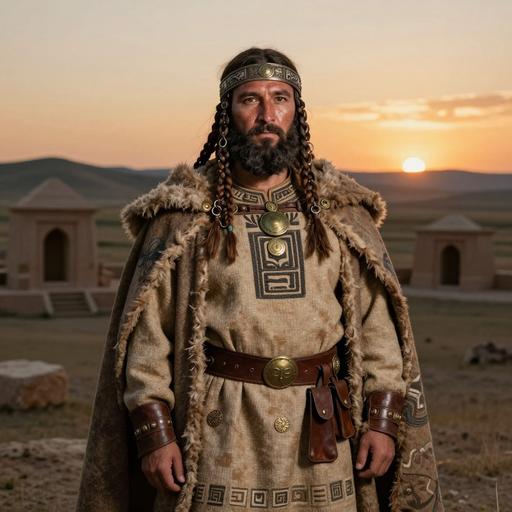
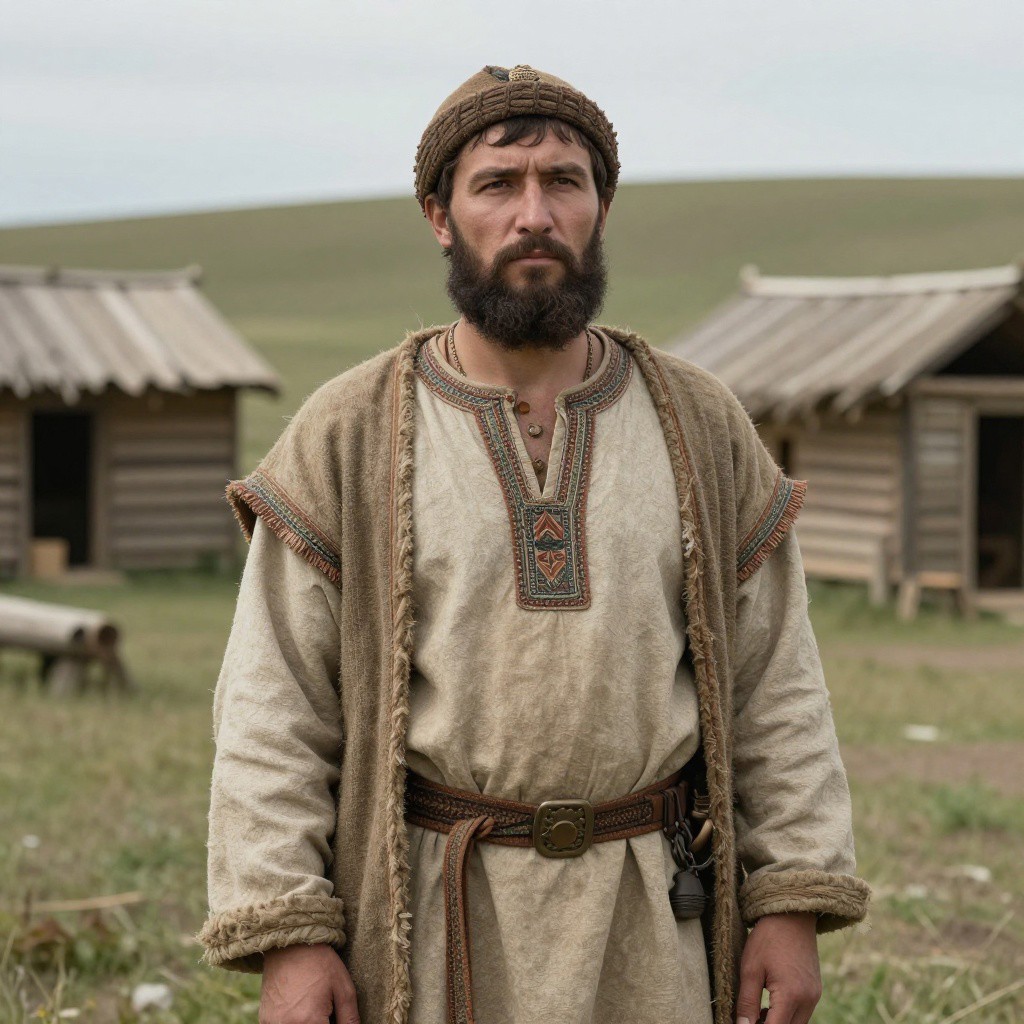
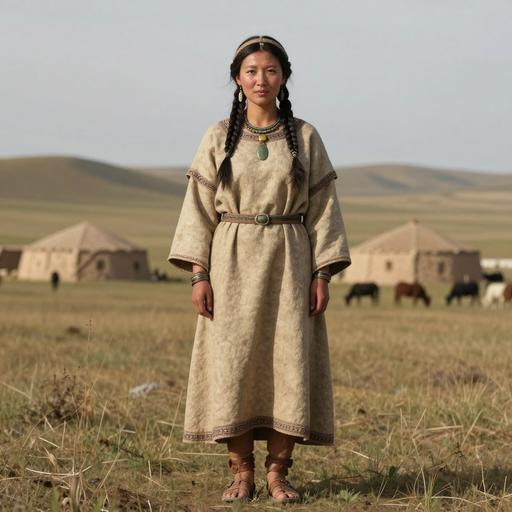
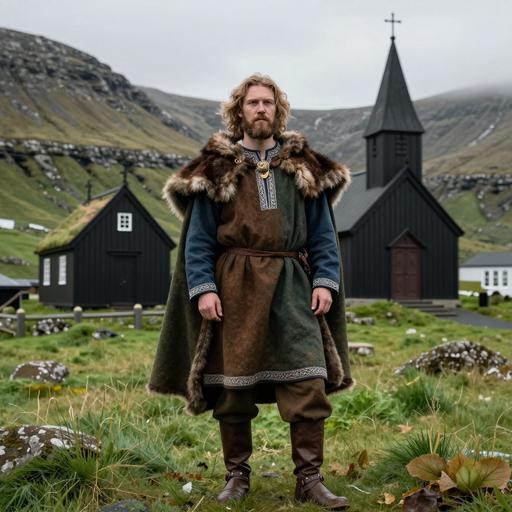
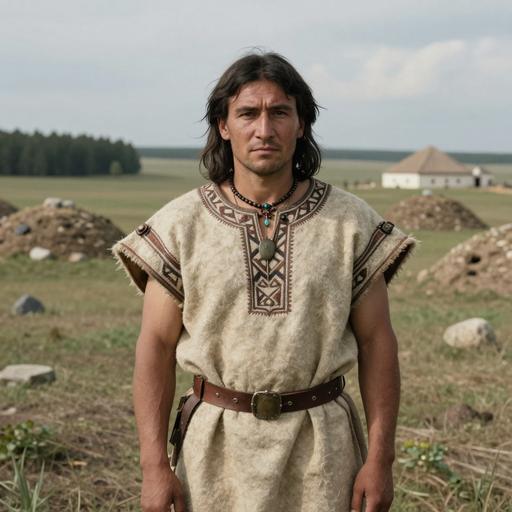
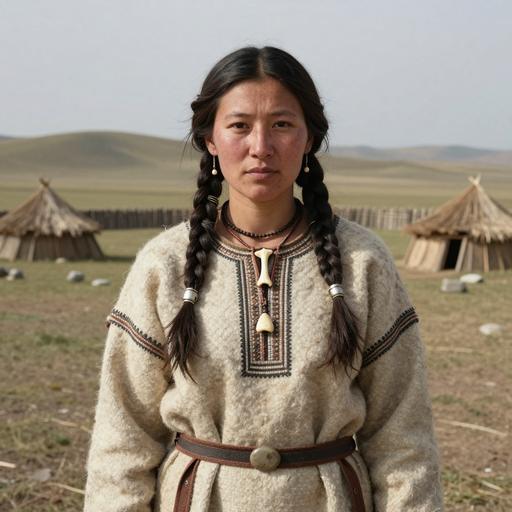
Los retratos son ilustraciones generadas con IA. Las etiquetas de muestra y los identificadores de acceso identifican los registros de referencia.

Retrato Muestra País Época Fecha Cultura mtDNA Coincidencia
Retrato ilustrativo de Sicily Himera IA b Greek individual, Himera (Sicily, Palermo, Termini Imerese), Italy (c. 409 BCE) generado con IA
Identificador de muestra: I7223
Italy Sicilian Greek (Himeran) 409 BCE Himeran Greek U5a1g1 Direct
Retrato ilustrativo de IA Sarmatian individual, Mangistau Region. Tupkaragan District. Taushyk Village. Aigirly Sanctuary, Kazakhstan (500-300 BCE) generado con IA
Identificador de muestra: AIG006
Kazakhstan Iron Age Sarmatian, Kazakhstan 500-300 BCE Sarmatian Culture U5a1g1 Direct
Retrato ilustrativo de MIA Scythian individual, Medvyn (Forest-steppe, Right bank of Dnipro, Kyiv), Ukraine (708-592 BCE) generado con IA
Identificador de muestra: UKR035AB
Ukraine Ukraine MIA Scythian 700-600 BCE Ukraine_MIA_Scythian U5a1g1 Direct
Retrato ilustrativo de Bashkortostan Early Medieval Karayakupovo individual, Karanayevo (Bashkortostan, Mechetlinsky District, Karanayevo Village), Russia (892-1,008 CE) generado con IA
Identificador de muestra: I25538
Russia Russia Bashkortostan EarlyMedieval Karayakupovo 900-1000 CE Russia_Bashkortostan_EarlyMedieval_Karayakupovo U5a1g1 Direct
Retrato ilustrativo de Early Slav individual, Ląd (Greater Poland Province, Słupca County, Lądek), Poland (1,000-1,200 CE) generado con IA
Identificador de muestra: PCA0202
Poland Iron Age Lusatian culture of Poland 1000-1200 CE Lusatian Culture U5a1g1 Direct
Retrato ilustrativo de England LBA individual, England. North Yorkshire. Raven Scar Cave, United Kingdom (1,090-900 BCE) generado con IA
Identificador de muestra: I16467
United Kingdom England LBA 1100-900 BCE British Late Bronze Age U5a1g1 Direct
Retrato ilustrativo de LBA-3 individual, East Kazakhstan region. Katon Karagai district. Ul’ken Narym. Malaya Krasnoyarka, Kazakhstan (1,391-1,200 BCE) generado con IA
Identificador de muestra: I6709
Kazakhstan Kazakhstan LBA 1391-1200 calBCE (3025±25 BP, PSUAMS-2940) Late Bronze Age Culture U5a1g1 Direct
Retrato ilustrativo de Norse individual, Faroes. Church2, Faroes (1,500-1,700 CE) generado con IA
Identificador de muestra: VK27
Faroes Early Modern Faroe Islands 1500 CE - 1700 CE Faroese U5a1g1 Direct
Retrato ilustrativo de Nordic Ma individual, Faroes. Church2, Faroes (1,500-1,700 CE) generado con IA
Identificador de muestra: VK27
Faroes Medieval Nordic Region 1500 CE - 1700 CE 1984 U5a1g1 Direct
Retrato ilustrativo de LBA Trzciniec Komarow individual, Beremiany (Tarnopil Province, Buchach Region, site Red Field), Ukraine (1,852-1,588 BCE) generado con IA
Identificador de muestra: poz644
Ukraine Ukraine LBA Trzciniec Komarow 1875-1620 calBCE (3420±35, Poz-76313) Ukraine_LBA_Trzciniec_Komarow U5a1g1 Direct
MATERNAL LINAJE · ADN ANTIGUO

Mapa de pruebas de linajes antiguos

Sigue los clados superiores hasta esta rama y explora dónde se encontraron portadores antiguos.

Cargando observaciones antiguas...

Los marcadores son ubicaciones de hallazgos arqueológicos. Una línea discontinua representa una transición geográfica propuesta e incierta entre ramas consecutivas, apoyada en varias observaciones fechadas; no es una ruta de viaje exacta, un lugar de nacimiento ni una prueba de descendencia directa. Las muestras del clado parental pueden pertenecer a otras ramas descendientes. Se mantienen huecos cuando las pruebas son insuficientes. Las fechas de las muestras son distintas de las fechas de formación de los haplogrupos.

Perfil de referencia

Mapa de distribución de portadores

Distribución geográfica de muestras de ADN antiguo (16), portadores directos o de subclados de U5A1G1

Portador directo
Filtro de periodo temporal
Todos los periodos
Mostrando todas las muestras
Perfil de referencia

Distribución temporal

Distribución de portadores por periodos arqueológicos

Perfil de referencia

Distribución geográfica

Recuentos por país registrado de las muestras. Reflejan la selección de referencia disponible, no frecuencias de población.

Perfil de referencia

Distribución por país y época

Compara los recuentos de muestras registradas por países y periodos arqueológicos. Selecciona una celda con datos para examinar una muestra.

Datos

Datos y procedencia

Información sobre las fuentes y la calidad de los datos

Última actualización 2026-02-16
Puntuación de confianza 50/100
Cobertura Low

Fuente de datos

La clasificación, las fechas estimadas y el contexto geográfico reflejan los datos de referencia registrados y pueden cambiar al revisarse las pruebas. La cobertura de muestras es desigual; las ubicaciones registradas y las asociaciones arqueológicas no establecen el origen personal ni la identidad cultural.