Saltar al contenido principal
mtDNA · Materno linaje

U5A2C3A

mtDNA Haplogroup U5A2C3A

Un perfil de referencia de una rama de linaje. Compartir haplogrupos no demuestra una relación familiar ni una identidad cultural.

Perfil de referencia

Contexto de la rama

Contexto histórico de la rama de linaje mtDNA U5A2C3A

Origins and Evolution

U5A2C3A is a downstream subclade of mtDNA haplogroup U5A2C3, itself part of the broader U5 lineage long associated with European Mesolithic hunter‑gatherers. The parent clade U5A2C3 has been dated to the early Holocene/post‑glacial period (~10 kya) in Northern/Northeastern Europe; U5A2C3A likely coalesced later within that regional context, with a reasonable time depth of around ~7 kya based on its position in the phylogeny and sparse downstream diversity observed in modern and ancient datasets. Its origin is best explained by survival and local differentiation of maternal lineages in post‑glacial northern refugia and subsequent persistence under conditions of small effective population size and genetic drift.

Subclades

At present, U5A2C3A appears to be a relatively low‑diversity terminal subclade with few well‑characterized downstream branches in public databases. A small number of private or regionally restricted variants have been reported in high‑coverage mitogenomes from Fennoscandia and adjacent regions, but large‑scale substructure within U5A2C3A is not yet well resolved. Continued sequencing of complete mitochondrial genomes from northern Europe and ancient samples may reveal additional internal structure.

Geographical Distribution

Modern occurrences of U5A2C3A are concentrated in Fennoscandia and the Baltic/North‑Eastern European corridor, where it persists at low to moderate frequencies. The lineage is found at its highest relative densities among populations with documented Mesolithic ancestry continuity, including the Saami and some Finnish and northern Scandinavian groups. Lower‑frequency occurrences are recorded across broader Eastern and Western Europe and sporadically in the Caucasus, Central Asia and North Africa—likely reflecting historical gene flow, rare long‑distance dispersal or recent migrations. U5A2C3A is also found in several ancient DNA contexts tied to hunter‑gatherer or early local Neolithic occupations in northern and northeastern Europe, consistent with a Mesolithic origin and local persistence.

Historical and Cultural Significance

Because U5 lineages are emblematic of pre‑Neolithic European maternal ancestry, U5A2C3A is most strongly associated with Mesolithic hunter‑gatherer groups in northern Europe and their demographic legacy. Its survival through the Neolithic and into modern northern populations suggests continuity rather than wholesale replacement in parts of Fennoscandia and the Baltic region. This clade may therefore serve as a useful marker for studies of maternal continuity, post‑glacial recolonization routes, and founder effects that shaped modern northern European populations (for example, the elevated haplogroup diversity patterns seen in the Saami and some Finnish subpopulations).

Implications for Genetic Genealogy and Research
For genealogical and population studies, presence of U5A2C3A in an individual typically indicates deep maternal ancestry connected to northern Europe and a possible association with Mesolithic‑derived maternal lineages. However, because the clade is relatively rare and has limited downstream resolution in current databases, full mtDNA genome sequencing is recommended to confirm classification and to identify any private mutations that inform recent maternal genealogy.

Conclusion

U5A2C3A is a geographically and historically informative mtDNA subclade reflecting post‑glacial maternal continuity in Northern/Northeastern Europe. It remains uncommon but persistent in Fennoscandian and Baltic populations and is a useful marker for tracing Mesolithic maternal ancestry and localized demographic processes (drift, founder events) in northern Europe. Ongoing ancient DNA sampling and complete mitogenome sequencing will improve the resolution of its internal structure and precise time depth.

Puntos clave

  • Origins and Evolution
  • Subclades
  • Geographical Distribution
  • Historical and Cultural Significance
  • Implications for Genetic Genealogy and Research

Perfil de referencia

Árbol y relaciones

Contexto filogenético y subclados

Trayectoria evolutiva

Sigue las ramas superiores registradas hasta U5A2C3A. Las fechas son estimaciones y pueden cambiar al revisarse los datos de referencia.

Pasos Haplogrupo Antigüedad estimada Época arqueológica Tiempo transcurrido Subclados inmediatos Portadores modernos analizados Referencias antiguas
1 U5A2C3A Actual ~7,000 years ago Neolithic 7,000 years 0 0 5
2 U5A2C3 ~10,000 years ago Neolithic 10,000 years 1 0 0
3 U5A2C ~12,000 years ago Neolithic 12,000 years 3 8 20
4 U5A2 ~18,000 years ago Mesolithic 18,000 years 5 128 0
5 U5a ~17,000 years ago Mesolithic 17,000 years 2 659 110
6 U5A'B - - - 2 1,339 0
7 U5 ~35,000 years ago Paleolithic 35,000 years 1 1,339 142
8 U ~46,000 years ago Paleolithic 46,000 years 5 5,557 110
9 R ~55,000 years ago Paleolithic 55,000 years 17 22,830 57
10 NA - - - 1 22,830 0
11 N ~60,000 years ago Paleolithic 60,000 years 16 26,150 13
12 L3 ~70,000 years ago Paleolithic 70,000 years 7 30,162 6
13 L3'4 - - - 2 30,212 0
14 L3'4'6 - - - 2 30,216 0
15 L2'3'4'6 - - - 2 31,333 0
16 L2'3'4'5'6'7 - - - 2 31,349 0
17 L1'2'3'4'5'6'7 - - - 2 31,852 0
18 L ~160,000 years ago Paleolithic 160,000 years 2 32,236 5

Subclados (0)

Rama terminal: no hay subclados registrados

Perfil de referencia

En el mundo

Distribución geográfica y presencia moderna

Origen registrado

Northern / Northeastern Europe (Fennoscandia / Baltic)

Distribución moderna

The populations where mtDNA haplogroup U5A2C3A is found include:

  1. Northern Europeans (Scandinavia, Finland)
  2. Saami people of Fennoscandia
  3. Eastern Europeans (Baltic states, northwestern Russia)
  4. Western and Central Europeans at lower to moderate frequencies
  5. Populations in the Caucasus at low frequencies
  6. Isolated occurrences in Central Asia and North Africa (low frequency)
  7. Ancient European hunter‑gatherer populations (Mesolithic archaeological contexts)
Contexto histórico

Una rama a través del tiempo

Formación estimada en una cronología histórica amplia. Los marcadores temporales aportan contexto y no implican relación con culturas concretas.

  1. ~10k años de antigüedad

    Revolución neolítica

    Inicio de la agricultura y formación de comunidades sedentarias

  2. ~7k años de antigüedad

    Haplogrupo U5A2C3A

    Formación estimada de esta rama de mtDNA; las fechas y ubicaciones son estimaciones de referencia.

    Esta rama
  3. ~5k años de antigüedad

    Edad del Bronce

    Metalurgia, escritura y primeras civilizaciones

  4. ~3k años de antigüedad

    Edad del Hierro

    Herramientas de hierro y ampliación de redes comerciales

  5. ~2.5k años de antigüedad

    Antigüedad clásica

    Desarrollo de las civilizaciones griega y romana

  6. Actualidad

    Actualidad

    Época moderna

Perfil de referencia

Contexto arqueológico

Asociaciones arqueológicas registradas para la rama mtDNA U5A2C3A

Asociaciones registradas

Estas etiquetas describen contextos arqueológicos registrados para las muestras de referencia enlazadas a U5A2C3A. Una asociación no demuestra que todos los portadores pertenecieran a una cultura ni siguieran una ruta migratoria concreta.

1890 Anglo-Saxon Baltic Hunter-Gatherer Bell Beaker British Chalcolithic Doggerland Falkenstein Late Iron Age British Maglemosian Saxon Culture Scottish Neolithic
Las atribuciones culturales se basan en el contexto arqueológico de las muestras de ADN antiguo y pueden representar asociaciones regionales de periodos concretos.
Perfil de referencia

Catálogo de muestras

5 portadores directos del haplogrupo U5A2C3A

5 mostradas · 5 muestras coincidentes

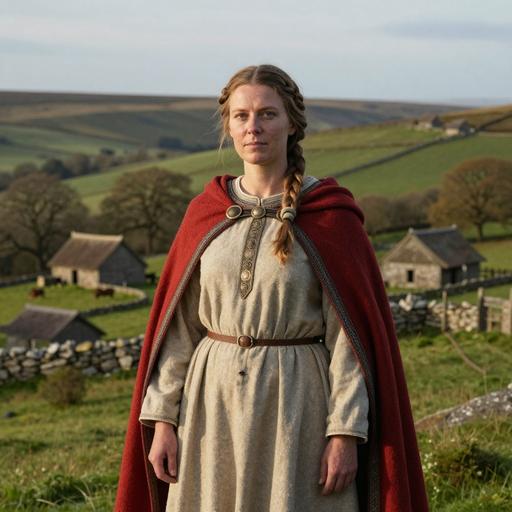
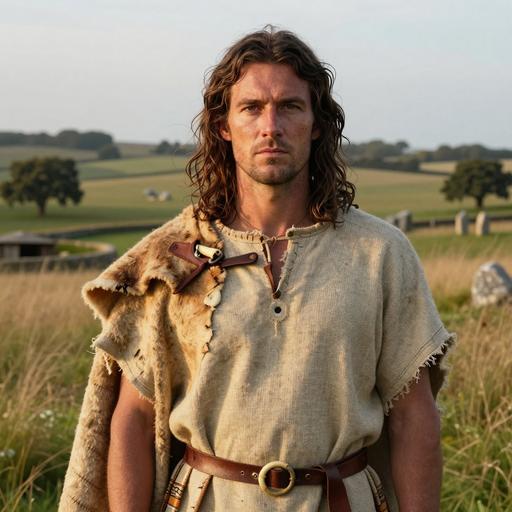
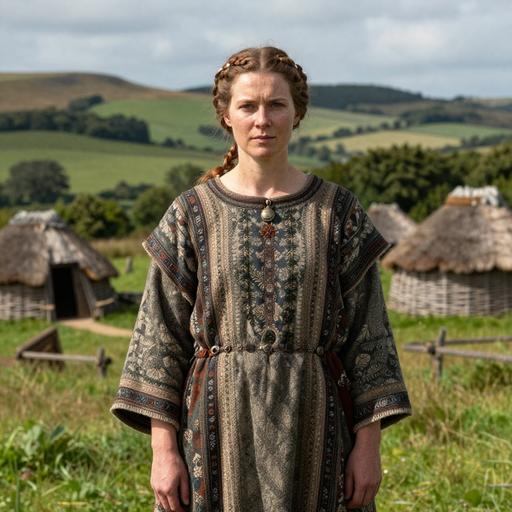
Los retratos son ilustraciones generadas con IA. Las etiquetas de muestra y los identificadores de acceso identifican los registros de referencia.

Retrato Muestra País Época Fecha Cultura mtDNA Coincidencia
Retrato ilustrativo de England LIA MIA individual, England. Somerset. Ham Hill, United Kingdom (400-100 BCE) generado con IA
Identificador de muestra: I11994
United Kingdom Middle to Late Iron Age England 400-100 BCE Late Iron Age British U5a2c3a Direct
Retrato ilustrativo de Anderten Medieval Saxon individual, Lower Saxony. Anderten, Germany (600-1,000 CE) generado con IA
Identificador de muestra: ADN002
Germany Saxon Medieval Anderten, Germany 600-1000 CE Saxon Culture U5a2c3a Direct
Retrato ilustrativo de England Early Medieval Saxon individual, England. North Yorkshire. Ribblesdale. Selside Grike, United Kingdom (663-777 CE) generado con IA
Identificador de muestra: I3056
United Kingdom England EarlyMedieval Saxon 663-777 calCE (1282±26 BP, OxA-27201) Anglo-Saxon U5a2c3a Direct
Retrato ilustrativo de England EBA individual, England. Wiltshire. Amesbury Down, United Kingdom (2,276-2,033 BCE) generado con IA
Identificador de muestra: I2597
United Kingdom Chalcolithic to Early Bronze Age England 2276-2033 calBCE (3735±30 BP, SUERC-34539) British Chalcolithic U5a2c3a Direct
Retrato ilustrativo de Grand Est Bell Beaker individual, Moselle. Mondelange. PAC de la Sente, France (2,447-2,136 BCE) generado con IA
Identificador de muestra: I1382
France France BellBeaker 2447-2136 calBCE (3805±35 BP, GrA-4468) Bell Beaker U5a2c3a Direct
MATERNAL LINAJE · ADN ANTIGUO

Mapa de pruebas de linajes antiguos

Sigue los clados superiores hasta esta rama y explora dónde se encontraron portadores antiguos.

Cargando observaciones antiguas...

Los marcadores son ubicaciones de hallazgos arqueológicos. Una línea discontinua representa una transición geográfica propuesta e incierta entre ramas consecutivas, apoyada en varias observaciones fechadas; no es una ruta de viaje exacta, un lugar de nacimiento ni una prueba de descendencia directa. Las muestras del clado parental pueden pertenecer a otras ramas descendientes. Se mantienen huecos cuando las pruebas son insuficientes. Las fechas de las muestras son distintas de las fechas de formación de los haplogrupos.

Perfil de referencia

Mapa de distribución de portadores

Distribución geográfica de muestras de ADN antiguo (5), portadores directos o de subclados de U5A2C3A

Portador directo
Filtro de periodo temporal
Todos los periodos
Mostrando todas las muestras
Perfil de referencia

Distribución temporal

Distribución de portadores por periodos arqueológicos

Perfil de referencia

Distribución geográfica

Recuentos por país registrado de las muestras. Reflejan la selección de referencia disponible, no frecuencias de población.

Perfil de referencia

Distribución por país y época

Compara los recuentos de muestras registradas por países y periodos arqueológicos. Selecciona una celda con datos para examinar una muestra.

Datos

Datos y procedencia

Información sobre las fuentes y la calidad de los datos

Última actualización 2026-02-16
Puntuación de confianza 50/100
Cobertura Low

Fuente de datos

La clasificación, las fechas estimadas y el contexto geográfico reflejan los datos de referencia registrados y pueden cambiar al revisarse las pruebas. La cobertura de muestras es desigual; las ubicaciones registradas y las asociaciones arqueológicas no establecen el origen personal ni la identidad cultural.