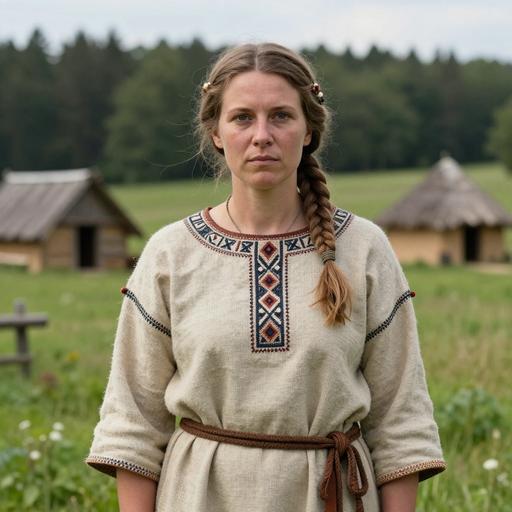
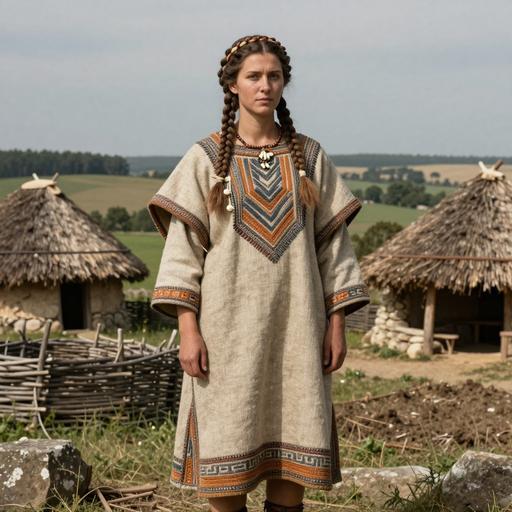
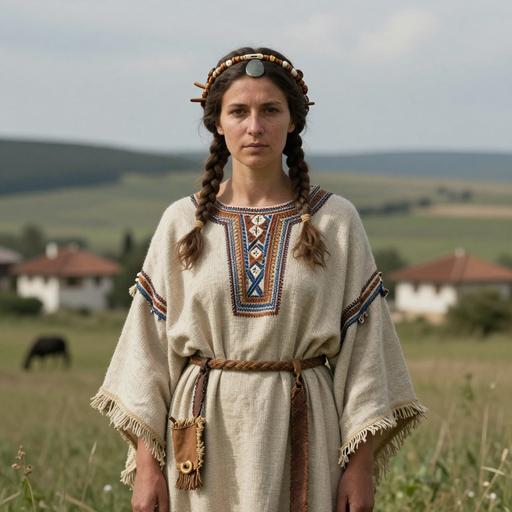
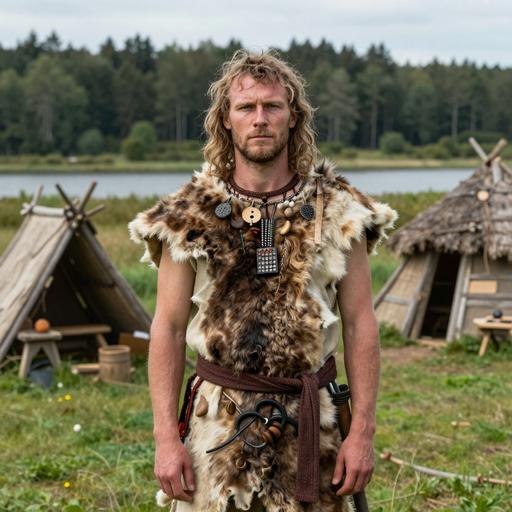
Un perfil de referencia de una rama de linaje. Compartir haplogrupos no demuestra una relación familiar ni una identidad cultural.
Perfil de referencia
Contexto de la rama
Contexto histórico de la rama de linaje mtDNA U5B2A1A
Origins and Evolution
mtDNA haplogroup U5B2A1A is a subclade of U5B2A1, itself part of the broader U5 family that is characteristic of Late Glacial and Mesolithic European maternal ancestry. As a downstream branch, U5B2A1A likely arose after the establishment of U5B2A1 in the post-glacial landscapes of Western and Northern Europe. Based on the parent clade age (~10.5 kya) and the phylogenetic depth of U5 substructure, a reasonable estimate places the origin of U5B2A1A in the early to mid-Holocene (roughly 7 kya), consistent with diversification that continued among hunter-gatherer groups and small, partly isolated populations.
Subclades
U5B2A1A itself is a fine-scale terminal clade (or near-terminal) within the U5B2A1 branch. Where dense mitogenome sampling exists, U5B2A1A may be subdivided further by private mutations in regional samples, but it is generally treated as a localized derived lineage of U5B2A1. Genetic studies that sequence full mitochondrial genomes are most informative for resolving additional sub-branches under U5B2A1A.
Geographical Distribution
U5B2A1A is primarily associated with Western and Northern Europe, with occurrences documented in Mesolithic and later ancient samples from Scandinavia and adjacent regions, and at low frequencies in modern populations across northern and parts of central Europe. The haplogroup appears sporadically in central and eastern European contexts and very rarely in peripheral regions such as North Africa and Anatolia, probably reflecting later mobility and gene flow rather than an original homeland outside Europe.
Ancient DNA research shows U5 lineages (including U5B sublineages) concentrated among Mesolithic hunter-gatherers and persisting into the Neolithic and later periods in some regions. The persistence of U5B2A1A in modern northern European groups is consistent with demographic continuity in areas where early farmer expansion had limited maternal turnover.
Historical and Cultural Significance
The presence of U5B2A1A ties it to Mesolithic hunter-gatherer maternal ancestry and to populations that inhabited post-glacial Europe. While U5 lineages are canonical markers of pre-Neolithic European maternal lineages, specific subclades like U5B2A1A can illuminate regional continuity (for example in Scandinavia and parts of Western Europe) and the survival of hunter-gatherer maternal lines into the Neolithic, Bronze Age, and historic periods.
In archaeological contexts, U5B2A1A or closely related U5B subclades have been found in hunter-gatherer assemblages and in later individuals from cultures that show admixture between local foragers and incoming farming or pastoralist groups. Thus, U5B2A1A serves as a marker for tracing maternal continuity and the complex demographic interactions (admixture, persistence, and replacement) that shaped European populations across the Holocene.
Conclusion
U5B2A1A is a geographically focused, downstream mtDNA lineage of the ancient U5 family, best understood as part of the maternal legacy of European Mesolithic hunter-gatherers. Its distribution and survival at low to moderate frequencies in modern northern and western European groups make it useful for studies of regional continuity, population structure, and the maternal impact of post-glacial demographic events. High-resolution mitogenome sampling and further ancient DNA discoveries will refine its internal structure and the timing of its spread.
Puntos clave
Origins and Evolution
Subclades
Geographical Distribution
Historical and Cultural Significance
Conclusion
Perfil de referencia
Árbol y relaciones
Contexto filogenético y subclados
Trayectoria evolutiva
Sigue las ramas superiores registradas hasta U5B2A1A. Las fechas son estimaciones y pueden cambiar al revisarse los datos de referencia.
The populations where mtDNA haplogroup U5B2A1A is found include:
Western European populations
Northern European populations (including Scandinavian groups and Saami)
Central European populations (sporadic/low frequency)
Eastern European populations (sporadic/low frequency)
Scandinavian hunter-gatherer and continuity-descended groups
Peripheral occurrences in North Africa and Anatolia (very low frequency, sporadic)
Contexto histórico
Una rama a través del tiempo
Formación estimada en una cronología histórica amplia. Los marcadores temporales aportan contexto y no implican relación con culturas concretas.
~10k años de antigüedad
Revolución neolítica
Inicio de la agricultura y formación de comunidades sedentarias
~7k años de antigüedad
Haplogrupo U5B2A1A
Formación estimada de esta rama de mtDNA; las fechas y ubicaciones son estimaciones de referencia.
Esta rama
~5k años de antigüedad
Edad del Bronce
Metalurgia, escritura y primeras civilizaciones
~3k años de antigüedad
Edad del Hierro
Herramientas de hierro y ampliación de redes comerciales
~2.5k años de antigüedad
Antigüedad clásica
Desarrollo de las civilizaciones griega y romana
Actualidad
Actualidad
Época moderna
Perfil de referencia
Contexto arqueológico
Asociaciones arqueológicas registradas para la rama mtDNA U5B2A1A
Asociaciones registradas
Estas etiquetas describen contextos arqueológicos registrados para las muestras de referencia enlazadas a U5B2A1A. Una asociación no demuestra que todos los portadores pertenecieran a una cultura ni siguieran una ruta migratoria concreta.
Las atribuciones culturales se basan en el contexto arqueológico de las muestras de ADN antiguo y pueden representar asociaciones regionales de periodos concretos.
Perfil de referencia
Catálogo de muestras
19 portadores directos y 31 portadores de subclados del haplogrupo U5B2A1A
10 mostradas · 50 muestras coincidentes
Ninguna muestra coincide con estos filtros. Prueba otra etiqueta, ubicación o periodo.
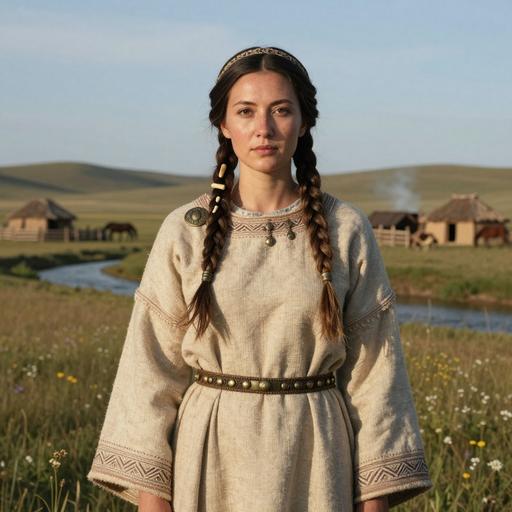
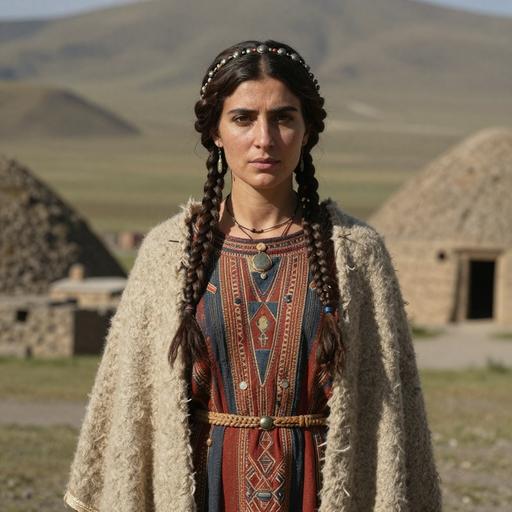
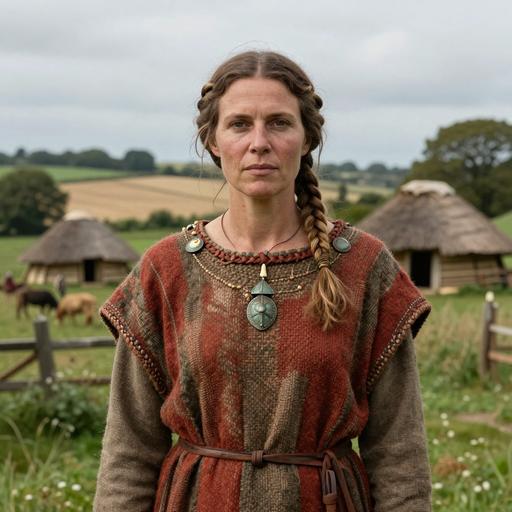
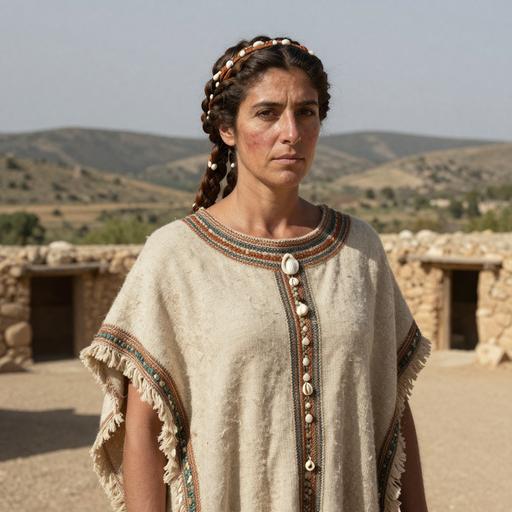
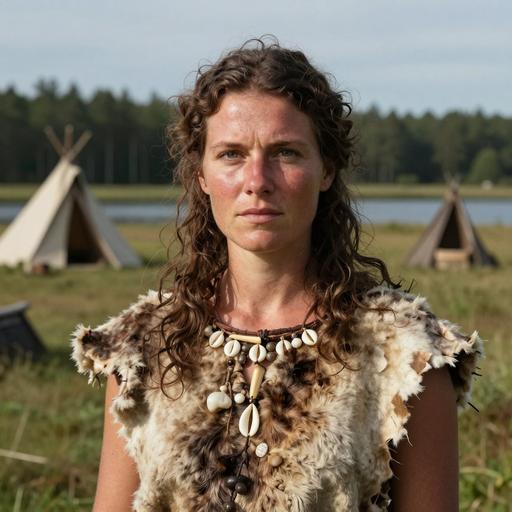
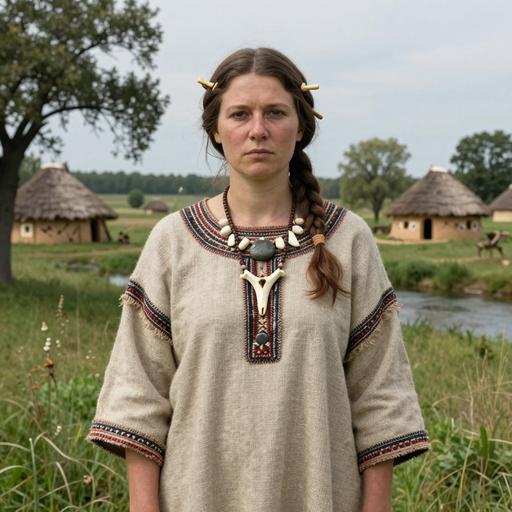
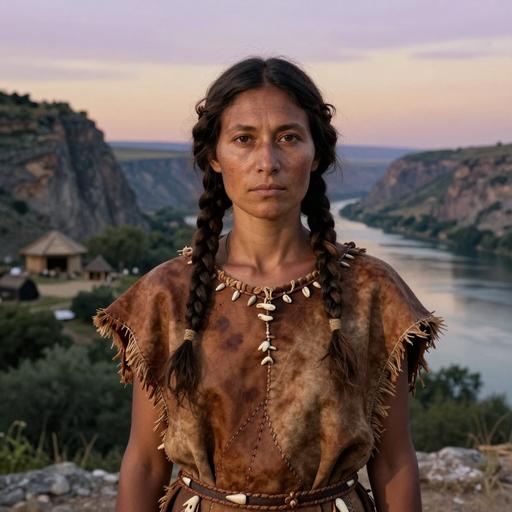
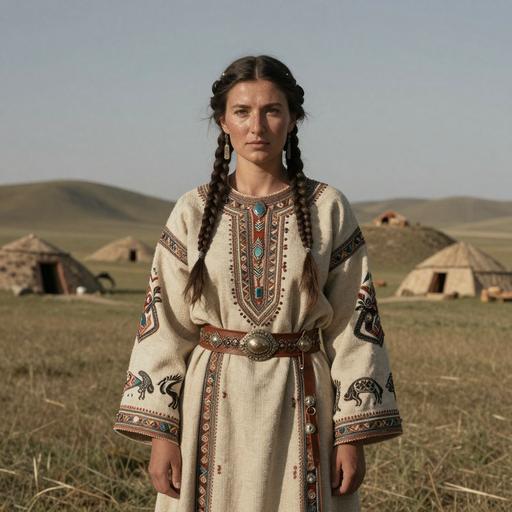
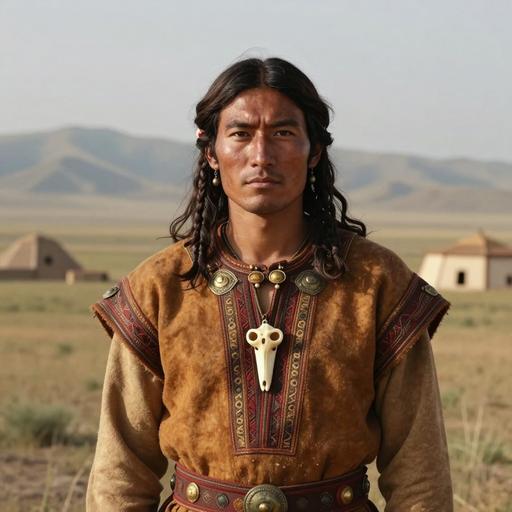
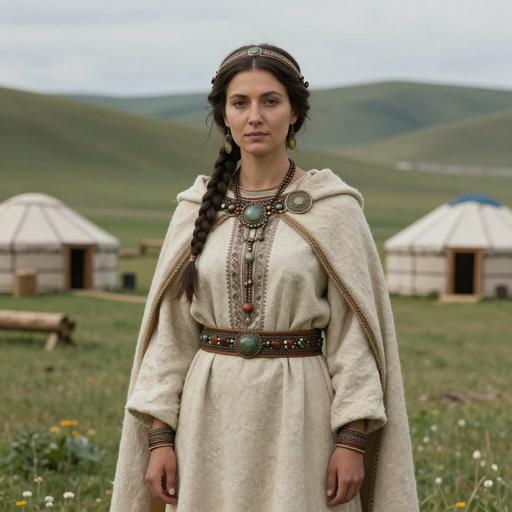
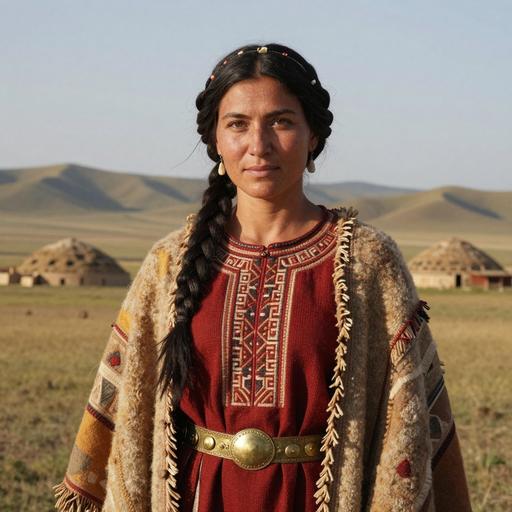
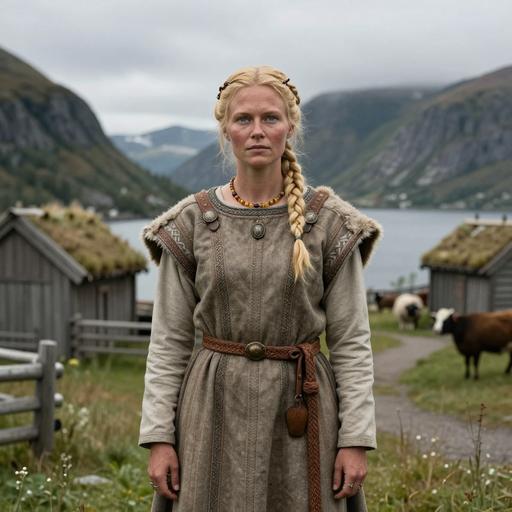
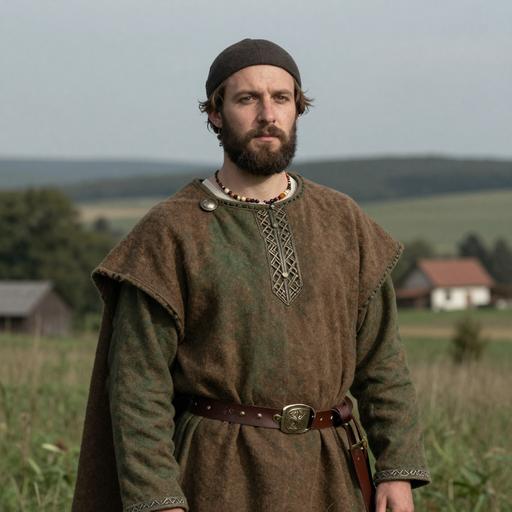
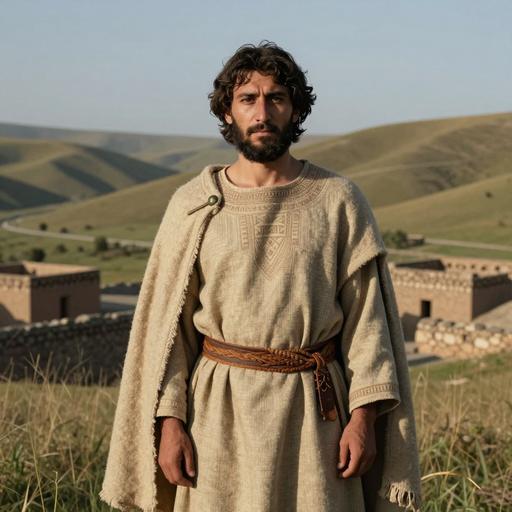
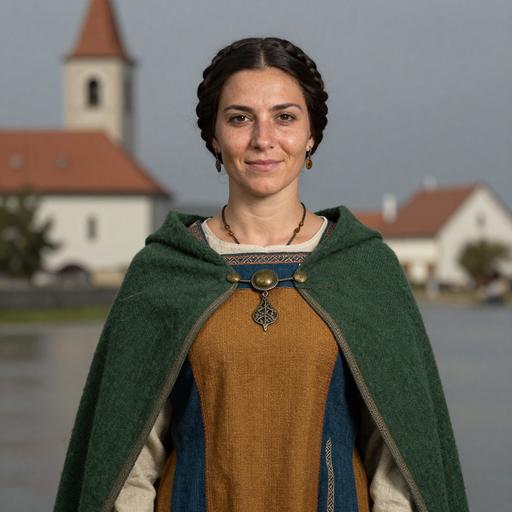
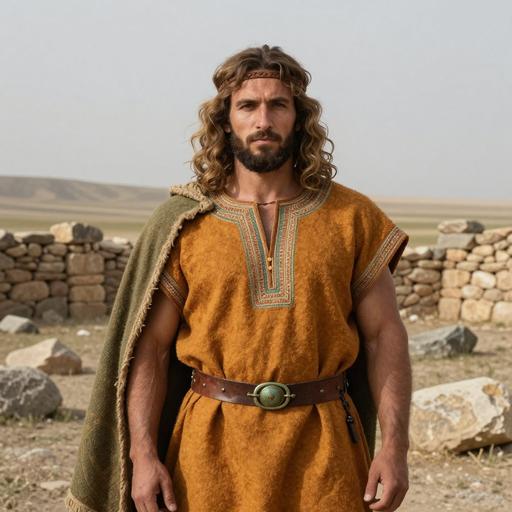
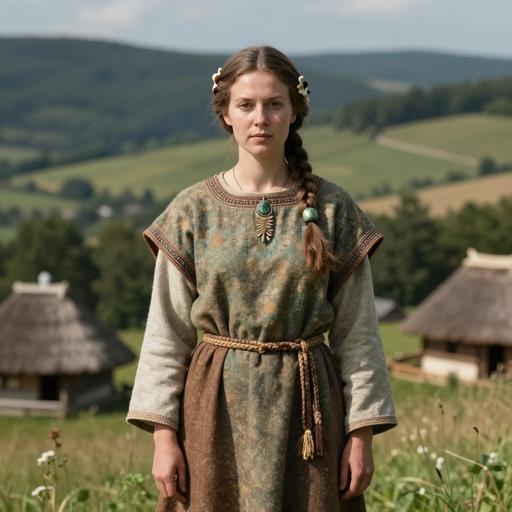
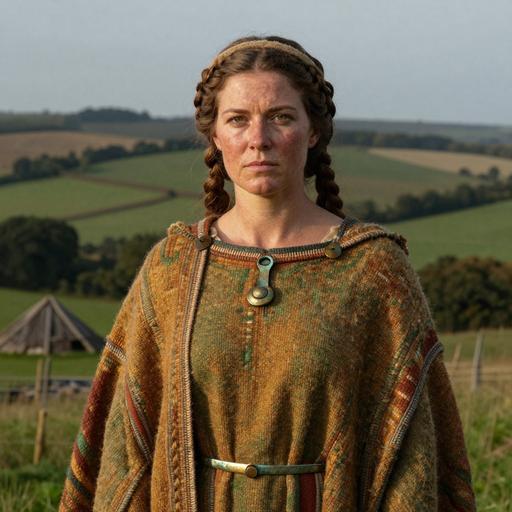
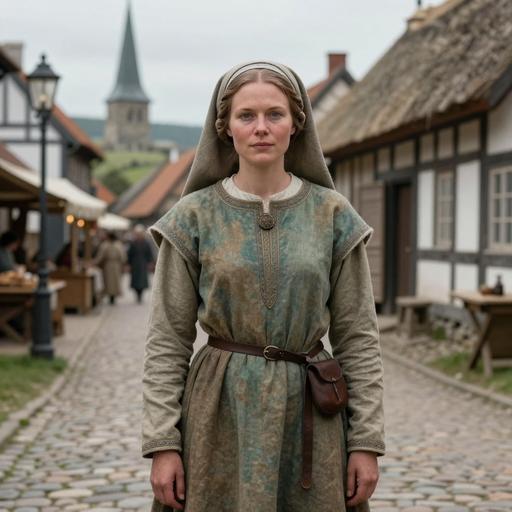
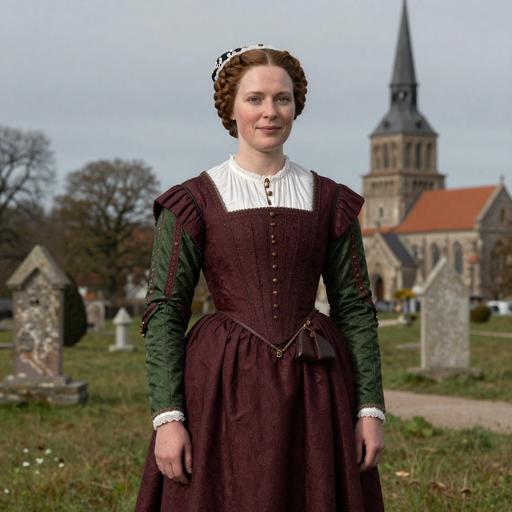
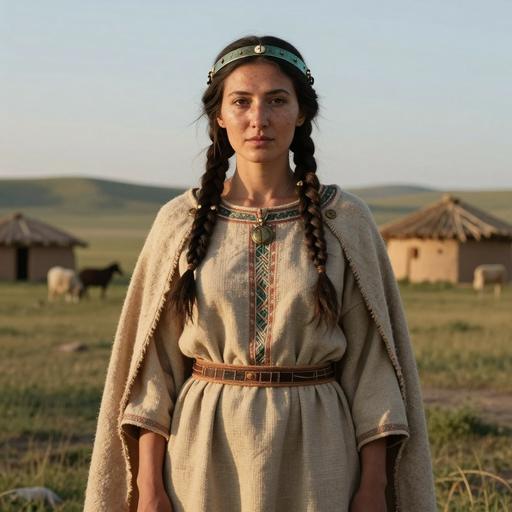
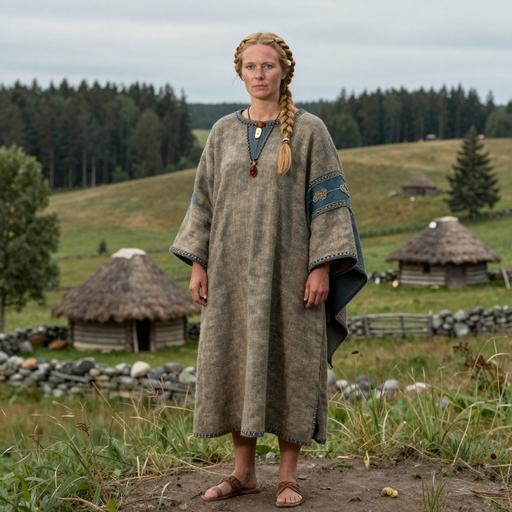
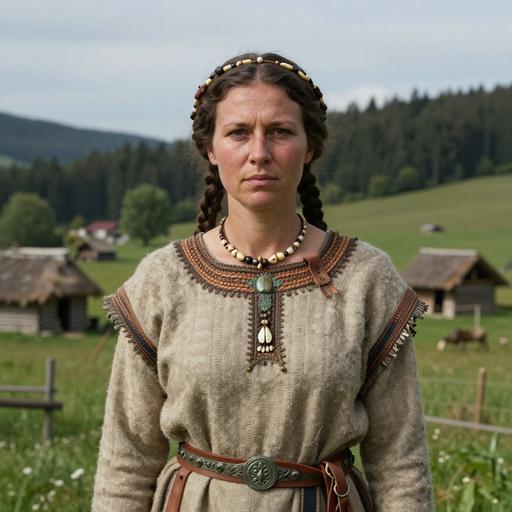
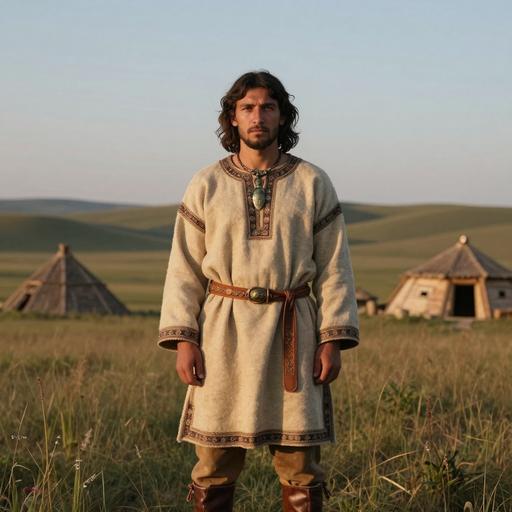
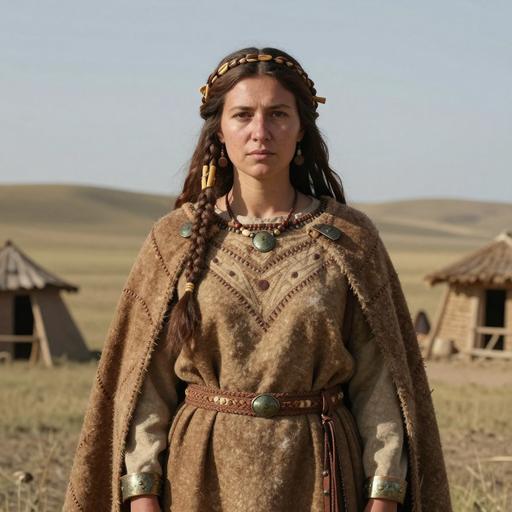
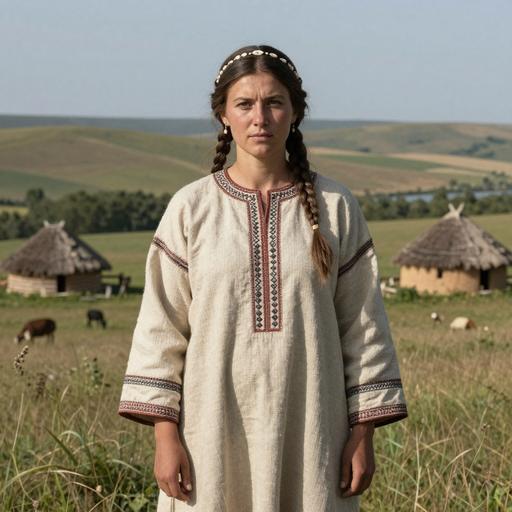
Los retratos son ilustraciones generadas con IA. Las etiquetas de muestra y los identificadores de acceso identifican los registros de referencia.
Retrato
Muestra
País
Época
Fecha
Cultura
mtDNA
Coincidencia
Identificador de muestra: R137
Italy
Late Antiquity Italy
300-500 CE
Late Roman
U5b2a1a
Direct
Identificador de muestra: RKC001
Hungary
Hungary Avar
550-850 CE
Avar
U5b2a1a+16311
Direct
Identificador de muestra: I19352
Armenia
Late Bronze Age Armenia
1400-900 BCE
Late Bronze Age Armenian
U5b2a1a
Direct
Identificador de muestra: I7579
United Kingdom
England MBA
1499-1299 calBCE (3135±35 BP, SUERC-25532)
British Middle Bronze Age
U5b2a1a
Direct
Identificador de muestra: I1723
Russia
North Caucasus Culture, Russia
2877 BCE - 2626 BCE
North Caucasus Culture
U5b2a1a
Direct
Identificador de muestra: I1723
Russia
The Yamnaya Culture
2877 BCE - 2626 BCE
U5b2a1a
Direct
Identificador de muestra: I0456
Spain
Spain C
3000-2100 BCE
Los Millares
U5b2a1a
Direct
Identificador de muestra: N42
Poland
Poland BKG
4233 BCE - 3980 BCE
Brześć Kujawski Culture
U5b2a1a
Direct
Identificador de muestra: N42
Poland
Neolithic Poland
4233 BCE - 3980 BCE
U5b2a1a
Direct
Identificador de muestra: poz120
Poland
Late Lengyel Culture from Krusza Zamkowa
4333-4057 calBCE (5375±35 BP, Poz-69312)
Lengyel Culture
U5b2a1a
Direct
Identificador de muestra: I2519
Bulgaria
Bulgaria C
4341-4245 calBCE (5425±25 BP, PSUAMS-1813)
Bulgarian Chalcolithic
U5b2a1a
Direct
Identificador de muestra: NEO569
Denmark
Ertebølle culture
4544-4348 calBCE (5611±53 BP, UBA-35704)
Ertebølle
U5b2a1a
Direct
Identificador de muestra: NEO679
Sweden
Late Mesolithic Ertebølle Culture of Sweden
5198-4715 calBCE (5990±70 BP, Lu-2116)
Ertebølle
U5b2a1a
Direct
Identificador de muestra: I3716
Ukraine
Ukraine N
5473 BCE - 5320 BCE
Ukrainian Neolithic
U5b2a1a
Direct
Identificador de muestra: I3716
Ukraine
Ukraine N
5473 BCE - 5320 BCE
Ukrainian Neolithic
U5b2a1a
Direct
Identificador de muestra: I6133
Ukraine
Ukraine N
6500 BCE - 4000 BCE
Ukrainian Neolithic
U5b2a1a
Direct
Identificador de muestra: I6133
Ukraine
Ukraine N
6500 BCE - 4000 BCE
Ukrainian Neolithic
U5b2a1a
Direct
Identificador de muestra: DOG006
Netherlands
Doggerland Mesolithic Culture
6686-6502 calBCE (7781±35 BP, MAMS-34584)
Doggerland
U5b2a1a
Direct
Identificador de muestra: I4871
Serbia
Serbia IronGates Mesolithic
9800-5800 BCE
Iron Gates Culture
U5b2a1a
Direct
Identificador de muestra: DA69
Kyrgyzstan
The Hun Period in Kyrgyzstan
266 CE - 539 CE
Hunnic Period
U5b2a1a2
Subclado
Identificador de muestra: DA69
Kyrgyzstan
The Huns
266 CE - 539 CE
U5b2a1a2
Subclado
Identificador de muestra: I20828
France
France GrandEst IA2
300-200 BCE
Iron Age II Culture
U5b2a1a1
Subclado
Identificador de muestra: I14353
United Kingdom
Middle to Late Iron Age England
349-51 calBCE (2135±30 BP, SUERC-27295)
Late Iron Age British
U5b2a1a1
Subclado
Identificador de muestra: MJ-44
Russia
Middle Sarmatian Culture, Southern Urals, Russia
367 BCE - 155 BCE
Sarmatian Culture
U5b2a1a1
Subclado
Identificador de muestra: MJ-44
Russia
The Scythian and Sarmatian Cultures
367 BCE - 155 BCE
U5b2a1a1
Subclado
Identificador de muestra: IND001
Germany
Saxon Early Medieval Alt Inden, Germany
400-800 CE
Saxon Culture
U5b2a1a2
Subclado
Identificador de muestra: KSH003
Kazakhstan
Early Iron Age Tasmola Culture, Kazakhstan
700-500 BCE
Tasmola Culture
U5b2a1a2
Subclado
Identificador de muestra: MJ-41
Russia
Early Sarmatian Culture, Southern Urals, Russia
749 BCE - 399 BCE
Early Sarmatian
U5b2a1a2
Subclado
Identificador de muestra: MJ-41
Russia
The Scythian and Sarmatian Cultures
749 BCE - 399 BCE
U5b2a1a2
Subclado
Identificador de muestra: KSH001
Kazakhstan
Early Iron Age Tasmola Culture, Kazakhstan
781-544 calBCE (2515±27 BP)
Tasmola Culture
U5b2a1a2
Subclado
Identificador de muestra: VK520
Norway
Norway Viking
900 CE - 1000 CE
Viking Culture
U5b2a1a2
Subclado
Identificador de muestra: VK520
Norway
The Viking Age
900 CE - 1000 CE
U5b2a1a2
Subclado
Identificador de muestra: I35012
Croatia
Croatia EarlyMedieval
1000-1250 CE
Early Croatian
U5b2a1a1
Subclado
Identificador de muestra: I14588
Armenia
Late Bronze Age to Early Iron Age Armenia
1150-800 BCE
Armenian LBA-EIA
U5b2a1a1
Subclado
Identificador de muestra: I34980
Croatia
Croatia EarlyMedieval
1053-1216 calCE (890±15 BP, PSUAMS-14733)
Early Croatian
U5b2a1a1
Subclado
Identificador de muestra: I3976
Kazakhstan
Late Bronze Zevakinskiy
1196-1010 calBCE (2900±20 BP, PSUAMS-2506)
Zevakinskiy Culture
U5b2a1a2
Subclado
Identificador de muestra: I17311
Czech Republic
Late Bronze Age to Iron Age Knoviz-Hallstatt Culture, Czech Republic
1200-850 BCE
Knoviz-Hallstatt Culture
U5b2a1a1
Subclado
Identificador de muestra: I7580
United Kingdom
England MBA
1257-1016 calBCE (2935±35 BP, SUERC-25537)
British Middle Bronze Age
U5b2a1a3
Subclado
Identificador de muestra: CGG101691
Denmark
Denmark Medieval
1300-1350 CE
Danish Medieval
U5b2a1a1
Subclado
Identificador de muestra: CGG100530
Denmark
Danish Post-Medieval
1536 CE - 1806 CE
Danish Post-Medieval
U5b2a1a1
Subclado
Identificador de muestra: I4776
Kazakhstan
Mid-Late Bronze Kairan
1863-1628 calBCE (3415±20 BP, PSUAMS-2912)
Kairan Culture
U5b2a1a2
Subclado
Identificador de muestra: NEO225
Sweden
Sweden LN EBA
1900-1695 calBCE (3491±33 BP, UBA-30768)
Nordic Late Neolithic
U5b2a1a1
Subclado
Identificador de muestra: OBKR_73
Germany
Early Bronze Age Lech Valley, Germany
2027 BCE - 1893 BCE
Lech Valley Bronze Age
U5b2a1a1
Subclado
Identificador de muestra: OBKR_73
Germany
Early Bronze Age Central Europe
2027 BCE - 1893 BCE
U5b2a1a1
Subclado
Identificador de muestra: I1082
Russia
Russia MLBA Sintashta
2050-1700 BCE
Sintashta Culture
U5b2a1a2
Subclado
Identificador de muestra: I1089
Russia
Russia MLBA Sintashta
2050-1700 BCE
Sintashta Culture
U5b2a1a2
Subclado
Identificador de muestra: KON004
Czech Republic
Corded Ware Culture, Bohemia, Czech Republic
2567-2344 calBCE (3947±24 BP, MAMS-45788)
Corded Ware
U5b2a1a1
Subclado
Identificador de muestra: NAU002
Russia
Fatyanovo Culture
2841 BCE - 2466 BCE
Fatyanovo
U5b2a1a2
Subclado
Identificador de muestra: NAU002
Russia
The Fatyanovo Culture
2841 BCE - 2466 BCE
U5b2a1a2
Subclado
Identificador de muestra: MAJ004
Ukraine
Usatove Culture
2863-2573 calBCE (4107±25 BP, MAMS-48820)
Usatove
U5b2a1a1
Subclado
Identificador de muestra: R137
Late Antiquity Italy - Italy - Marcellino & Pietro
Sigue los clados superiores hasta esta rama y explora dónde se encontraron portadores antiguos.
Cargando observaciones antiguas...
La reducción de movimiento está activada. Utiliza la cronología o Mostrar todo para explorar a tu ritmo.
Leer las observaciones en una tabla
Observaciones antiguas visibles por rama, periodo y punto medio de la fecha
Rama
Periodo
Intervalo de fechas
Muestra
Identificador de muestra
Ubicación
Haplogrupo
Relación
Los marcadores son ubicaciones de hallazgos arqueológicos. Una línea discontinua representa una transición geográfica propuesta e incierta entre ramas consecutivas, apoyada en varias observaciones fechadas; no es una ruta de viaje exacta, un lugar de nacimiento ni una prueba de descendencia directa. Las muestras del clado parental pueden pertenecer a otras ramas descendientes. Se mantienen huecos cuando las pruebas son insuficientes. Las fechas de las muestras son distintas de las fechas de formación de los haplogrupos.
La agrupación por periodo histórico refleja cuándo vivió cada individuo antiguo y combina todas las ramas de esta cadena de linajes; no es una secuencia migratoria ni una cronología personal entre periodos.
Perfil de referencia
Mapa de distribución de portadores
Distribución geográfica de muestras de ADN antiguo (50), portadores directos o de subclados de U5B2A1A
Portador directo Portador de un subclado
Filtro de periodo temporal
Todos los periodos
Mostrando todas las muestras
Perfil de referencia
Distribución temporal
Distribución de portadores por periodos arqueológicos
Perfil de referencia
Distribución geográfica
Recuentos por país registrado de las muestras. Reflejan la selección de referencia disponible, no frecuencias de población.
Perfil de referencia
Distribución por país y época
Compara los recuentos de muestras registradas por países y periodos arqueológicos. Selecciona una celda con datos para examinar una muestra.
Datos
Datos y procedencia
Información sobre las fuentes y la calidad de los datos
Última actualización2026-02-16
Puntuación de confianza50/100
CoberturaLow
Fuente de datos
La clasificación, las fechas estimadas y el contexto geográfico reflejan los datos de referencia registrados y pueden cambiar al revisarse las pruebas. La cobertura de muestras es desigual; las ubicaciones registradas y las asociaciones arqueológicas no establecen el origen personal ni la identidad cultural.