Contexto de la rama
Contexto histórico de la rama de linaje mtDNA U6
Haplogroup U6 is a mitochondrial DNA (mtDNA) haplogroup that is primarily associated with populations in North Africa and has played a significant role in understanding the ancient human migrations between Africa, Europe, and the Near East. It is a subclade of the larger haplogroup U, which is one of the oldest mtDNA lineages found outside Africa, with deep connections to Paleolithic and Mesolithic populations. Haplogroup U6 is particularly important for tracing the migration and genetic history of the Berber populations of North Africa, as well as for exploring the genetic ties between Africa, Europe, and the Mediterranean.
Origin and Evolution
Haplogroup U6 is estimated to have originated around 30,000 to 50,000 years ago, most likely in the Near East or North Africa. It is thought to have emerged from haplogroup U, which itself is part of haplogroup R, a major lineage that descended from haplogroup N, one of the first lineages to leave Africa.
The emergence of U6 is associated with early human migrations across North Africa, possibly during the Upper Paleolithic, when modern humans spread across the Mediterranean and into the African continent. Some studies suggest that U6 may have been introduced to North Africa by populations migrating back into Africa from the Near East, a process known as back migration.
Geographic Distribution and Significance
Haplogroup U6 is primarily found in North Africa, particularly among Berber populations, but it is also present in Northeast Africa, the Canary Islands, parts of Europe, and the Near East. Its distribution provides important insights into the early migrations that shaped the genetic landscape of North Africa and the Mediterranean region.
North Africa
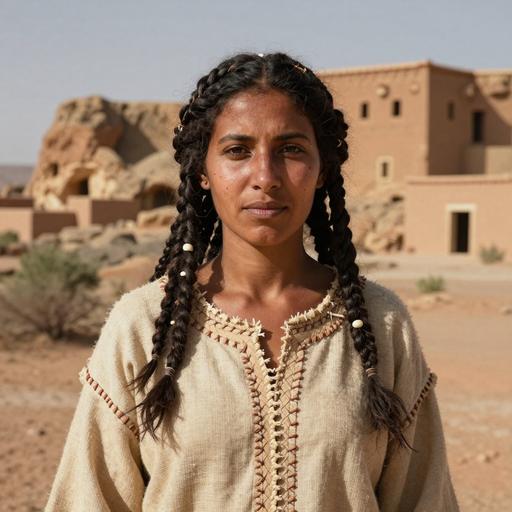
Haplogroup U6 is most prevalent in North Africa, particularly among Berber populations in Morocco, Algeria, Tunisia, and Libya. It is considered one of the signature mitochondrial lineages of Berbers and plays a central role in their genetic heritage.
Berbers: Among Berbers, U6 can account for significant portions of the mitochondrial DNA pool, ranging from 10-30% in some regions. The presence of U6 in Berber populations highlights their ancient genetic roots in North Africa, with ties to early human populations that migrated across the Mediterranean and the Sahara.
Morocco: In Moroccan Berbers, U6 is particularly prevalent, reflecting the deep genetic history of the region and its connections to ancient human migrations from the Near East and possibly Europe.
Canary Islands
Haplogroup U6 is also found at significant frequencies in the Canary Islands, particularly among the descendants of the Guanches, the Indigenous Berber inhabitants of the islands. The presence of U6 in the Canary Islands provides evidence of ancient migrations from North Africa to the islands, likely during the prehistoric period.
- Guanches: Genetic studies of Guanche remains have shown that U6 was one of the dominant mitochondrial lineages in the population, underscoring the Berber origin of the Guanche people before the arrival of European colonists in the 15th century.
Northeast Africa
Haplogroup U6 is present in Northeast Africa, particularly in Egypt and Sudan, though at lower frequencies than in North Africa. The presence of U6 in this region likely reflects ancient population movements across the Sahara and the Nile Valley, connecting Northeast Africa to the broader genetic landscape of North Africa and the Mediterranean.
Europe and the Near East
Haplogroup U6 is found at lower frequencies in Europe and the Near East, where it likely arrived through ancient migrations from North Africa or the Iberian Peninsula. It is most commonly found in the Iberian Peninsula, particularly in Spain and Portugal, where ancient migrations between North Africa and southern Europe have left a genetic imprint.
- Iberian Peninsula: U6 is present at low frequencies in populations from Spain and Portugal, particularly in regions with historical connections to North Africa, such as Andalusia. These genetic connections reflect the ancient migrations across the Strait of Gibraltar.
Role in Human Migration
Haplogroup U6 is a key marker for understanding the ancient human migrations that occurred between Africa, Europe, and the Near East, particularly those that shaped the populations of North Africa. The distribution of U6 suggests that it played a significant role in the peopling of North Africa during the Upper Paleolithic and Neolithic periods.
Back Migration into Africa
One of the most significant theories regarding haplogroup U6 is that it represents evidence of a back migration from the Near East into North Africa during the Upper Paleolithic, around 30,000 to 40,000 years ago. This back migration likely brought populations carrying U6 from the Levant or Anatolia into North Africa, where they mixed with existing populations and contributed to the genetic diversity of the region.
Migration Across the Mediterranean
Haplogroup U6 is also associated with ancient migrations across the Mediterranean Sea, particularly between North Africa and the Iberian Peninsula. These migrations likely occurred during both the Paleolithic and Neolithic periods, as populations moved between Africa and Europe in search of resources and habitable land.
- Strait of Gibraltar: The Strait of Gibraltar has long been a critical point of connection between Europe and North Africa, and haplogroup U6’s presence in both regions reflects the ancient movement of populations across this narrow waterway.
Neolithic Expansion
During the Neolithic period, as farming communities spread from the Near East into Europe and North Africa, haplogroup U6 may have been part of the genetic landscape of these early agricultural populations. This period saw increased contact between North Africa, the Near East, and Europe, which contributed to the exchange of genetic material, including mitochondrial haplogroups like U6.
Subclades of Haplogroup U6
Haplogroup U6 is divided into several subclades, each with its own geographic distribution and historical significance. These subclades provide a deeper understanding of the migrations and genetic diversity within haplogroup U6.
U6a: The most widespread and common subclade of U6, U6a is found primarily in North Africa, but also in Northeast Africa, the Iberian Peninsula, and parts of Europe. U6a is particularly prevalent among Berber populations and is considered a key marker of ancient North African ancestry.
U6b: Found at lower frequencies than U6a, U6b is present in North Africa and the Canary Islands, particularly among the Guanches. U6b provides important evidence of ancient migrations from North Africa to the Canary Islands.
U6c: This subclade is rarer and is found in isolated populations in North Africa and parts of Europe. Its distribution suggests ancient genetic exchanges between Africa and Europe.
Ancient DNA and Archaeological Evidence
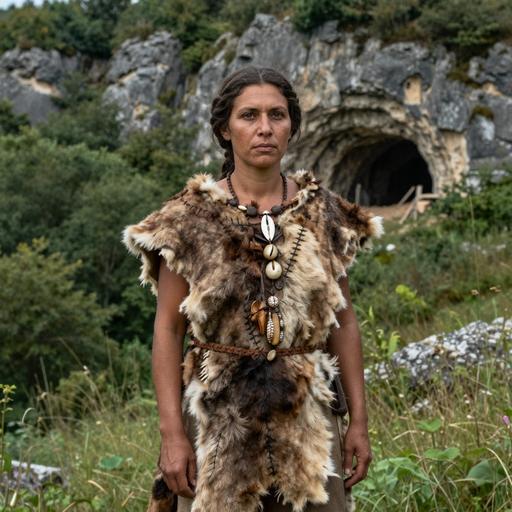
Ancient DNA studies have identified haplogroup U6 in prehistoric human remains from North Africa, the Iberian Peninsula, and the Canary Islands, providing critical insights into the genetic history of these regions.
Guanches: Genetic analysis of ancient Guanche remains has shown that haplogroup U6 was a dominant mitochondrial lineage in the Indigenous population of the Canary Islands, supporting the hypothesis that the Guanches were of Berber origin.
North Africa: Ancient DNA from North African remains has confirmed the long-term presence of U6 in the region, dating back thousands of years. These findings highlight the deep genetic roots of haplogroup U6 in North Africa.
Iberian Peninsula: Ancient DNA from Spain and Portugal has identified haplogroup U6 in prehistoric remains, suggesting that ancient migrations from North Africa to southern Europe were more common than previously thought.
Modern Distribution and Frequency
Today, haplogroup U6 is found at varying frequencies across North Africa, Northeast Africa, the Canary Islands, and Europe:
North Africa: U6 is most prevalent in Morocco, Algeria, Tunisia, and Libya, particularly among Berber populations, where it can account for 10-30% of the mitochondrial DNA.
Canary Islands: U6 is found at moderate frequencies among the descendants of the Guanches, with significant representation in the mitochondrial DNA pool of modern Canary Islanders.
Iberian Peninsula: U6 is present at low frequencies in Spain and Portugal, particularly in southern regions that have historical ties to North Africa.
East Africa: U6 is found at low frequencies in Egypt and Sudan, reflecting ancient gene flow across the Sahara and the Red Sea.
Genetic and Evolutionary Significance
Haplogroup U6 is significant for understanding the ancient genetic history of North Africa and its connections to Europe and the Near East. As one of the dominant mitochondrial haplogroups in Berber populations, U6 provides critical insights into the long-term genetic continuity of North African populations and their role in ancient human migrations.
The presence of U6 in the **Canary
Islands** and the Iberian Peninsula underscores the importance of the Mediterranean and the Strait of Gibraltar as conduits for human movement and genetic exchange. U6 also offers valuable clues about the back migration of human populations from the Near East into Africa, a significant event in the genetic history of the continent.
Conclusion
Haplogroup U6 is a mitochondrial DNA lineage that originated around 30,000 to 50,000 years ago and is primarily found in North Africa, with significant frequencies among Berber populations in Morocco, Algeria, Tunisia, and Libya. It is also present in the Canary Islands, Northeast Africa, and parts of Europe.
As a key marker of ancient North African ancestry, U6 has played an important role in understanding the migrations that shaped the genetic landscape of Africa, Europe, and the Mediterranean. Its presence in modern populations highlights the deep genetic roots of North African populations and their connections to the Near East and Europe. Haplogroup U6 continues to be a focus of research in population genetics, offering valuable insights into human prehistory and migration patterns.
Puntos clave
- Origin and Evolution
- Geographic Distribution and Significance
- Role in Human Migration
- Subclades of Haplogroup U6
- Ancient DNA and Archaeological Evidence