Saltar al contenido principal
Y-DNA · Paterno linaje

E1B1

Y-DNA Haplogroup E1B1

Un perfil de referencia de una rama de linaje. Compartir haplogrupos no demuestra una relación familiar ni una identidad cultural.

Perfil de referencia

Contexto de la rama

Contexto histórico de la rama de linaje Y-DNA E1B1

Origins and Evolution

Haplogroup E1B1 represents an intermediate diversification of haplogroup E1B that likely formed in Northeast/East Africa shortly after the main E1 split. Based on the phylogenetic position of downstream lineages and coalescent estimates for its daughter clades, E1B1 most plausibly arose in the Late Upper Paleolithic to early post-glacial interval (roughly the Late Pleistocene into the early Holocene, on the order of ~28 kya). As an internal node in the E1 branch, E1B1 is important because it precedes two major radiation events that shaped African paternal diversity in the Holocene.

Subclades (if applicable)

E1B1 is best understood as the ancestral node leading to the principal sub-branches that dominate different regions today. Key downstream lineages historically derived from this node include:

  • E-V38 / (E1b1a) — the major sub-Saharan branch that underwent large-scale expansions associated with west-to-east and Bantu-associated dispersals across Central, Eastern and Southern Africa. This lineage reaches high frequencies across much of sub-Saharan Africa.
  • E-M215 / (E1b1b) — a lineage that became common in Northeast Africa, the Horn, North Africa and parts of the Near East and southern Europe. It shows a complex pattern of Holocene movements, including Neolithic and later maritime/overland gene flow into the Mediterranean.

Because E1B1 itself is an internal ancestral node rather than a long-standing terminal lineage, most modern samples are assigned to its descendant clades; however, recognizing E1B1 is useful for reconstructing the timing and pattern of those major splits and the demographic events that followed.

Geographical Distribution

The distribution of E1B1-descended lineages reflects both Paleolithic roots in Northeast Africa and large Holocene demographic processes:

  • Sub-Saharan Africa: Through descendant E-V38/E1b1a, very high frequencies are found across West, Central, East and Southern Africa, especially in Bantu-speaking groups and many West African populations.
  • Horn of Africa and Ethiopia: Descendants of the E1B1 node (particularly E-M215/E1b1b sublineages) are common, reflecting long-term regional presence and later gene flow.
  • North Africa and the Near East: E1b1b-associated lineages show moderate to high presence in Berber populations, Arabic-speaking North Africans, and lower frequencies across the Levant and parts of the Arabian Peninsula and Mediterranean Europe — reflecting multiple Holocene episodes of movement.
  • Southern Europe and the Mediterranean: Low-to-moderate frequencies of E1b1b-derived lineages occur in coastal and island populations (e.g., Sicily, southern Italy, Iberia) consistent with prehistoric and historic trans-Mediterranean connections.
  • The Americas and Caribbean: E1b1-derived paternal lineages are present among Afro-descended populations as the result of the transatlantic slave trade, reflecting the distribution of African source populations.

Historical and Cultural Significance

The phylogeographic pattern that springs from E1B1 helps explain several major historical and prehistorical demographic events in Africa and adjacent regions:

  • Bantu expansion: The enormous spread of Bantu languages and farming practices across much of sub-Saharan Africa (starting in the mid-late Holocene, roughly 2–4 kya) was accompanied by large-scale movement of male lineages dominated by E-V38/E1b1a, a descendant of the E1B1 node.
  • Holocene Saharan dynamics and pastoralism: Climatic shifts in the early to mid-Holocene transformed North Africa and the Sahel, facilitating north–south interactions and the spread of pastoralist groups; some E1B1-descended lineages track these movements into the Horn and parts of North Africa.
  • Neolithic and later Mediterranean contacts: E1b1b sublineages show associations with Neolithic re-settlement routes, Mediterranean maritime networks, and historic trans-Mediterranean contacts (trade, migration, and conquest), explaining their presence at low-to-moderate levels in southern Europe.
  • Historical dispersals: Trans-Saharan trade, the Arab expansions, and the transatlantic slave trade redistributed descendant E1B1 lineages across large parts of Eurasia and the Americas.

Conclusion
While E1B1 itself functions primarily as an internal node in the Y-chromosome tree, its importance comes from being ancestral to major male lineages that shaped African demography in the Holocene. Studying E1B1 and its daughter clades clarifies the timing of splits in eastern and northern Africa, the routes of Holocene expansions (including the Bantu dispersals and Neolithic-associated movements), and the downstream genetic contributions to North Africa, the Near East, southern Europe and the African diaspora. Continuous improvements in ancient DNA sampling across Africa and the Mediterranean will further refine the absolute timing and migration details tied to this key node.

Puntos clave

  • Origins and Evolution
  • Subclades (if applicable)
  • Geographical Distribution
  • Historical and Cultural Significance
  • Conclusion

Perfil de referencia

Árbol y relaciones

Contexto filogenético y subclados

Trayectoria evolutiva

Sigue las ramas superiores registradas hasta E1B1. Las fechas son estimaciones y pueden cambiar al revisarse los datos de referencia.

Pasos Haplogrupo Antigüedad estimada Época arqueológica Tiempo transcurrido Subclados inmediatos Portadores modernos analizados Referencias antiguas
1 E1B1 Actual ~28,000 years ago Paleolithic 28,000 years 2 1,572 0
2 E1B ~30,000 years ago Paleolithic 30,000 years 1 1,583 0
3 E1 ~50,000 years ago Paleolithic 50,000 years 2 1,667 2
4 E ~50,000 years ago Paleolithic 50,000 years 3 1,813 3
Perfil de referencia

En el mundo

Distribución geográfica y presencia moderna

Origen registrado

Northeast Africa

Distribución moderna

The populations where Y-DNA haplogroup E1B1 is found include:

  1. Yoruba and other West African groups
  2. Bantu-speaking populations across Central, Eastern and Southern Africa
  3. Mande and West African coastal groups
  4. Ethiopian, Somali and other Horn of Africa populations
  5. Berber (Amazigh) groups of North Africa
  6. Levantine and Near Eastern populations (at lower frequencies)
  7. Southern European groups in Mediterranean regions (e.g., Sicily, Iberia) at low–moderate frequencies
  8. African-descended populations in the Americas and Caribbean (via the transatlantic slave trade)

Presencia regional

Eastern Africa High
North Africa High
Western Africa Moderate
Central Africa Moderate
Southern Europe Low
Near East / Western Asia Low
North America (diaspora) Low
North Africa Moderate
Near East / Levant Low
Contexto histórico

Una rama a través del tiempo

Formación estimada en una cronología histórica amplia. Los marcadores temporales aportan contexto y no implican relación con culturas concretas.

  1. ~28k años de antigüedad

    Haplogrupo E1B1

    Formación estimada de esta rama de Y-DNA; las fechas y ubicaciones son estimaciones de referencia.

    Esta rama
  2. ~20k años de antigüedad

    Último máximo glacial

    Máxima extensión de la última glaciación y aislamiento de poblaciones

  3. ~10k años de antigüedad

    Revolución neolítica

    Inicio de la agricultura y formación de comunidades sedentarias

  4. ~5k años de antigüedad

    Edad del Bronce

    Metalurgia, escritura y primeras civilizaciones

  5. ~3k años de antigüedad

    Edad del Hierro

    Herramientas de hierro y ampliación de redes comerciales

  6. ~2.5k años de antigüedad

    Antigüedad clásica

    Desarrollo de las civilizaciones griega y romana

  7. Actualidad

    Actualidad

    Época moderna

Perfil de referencia

Contexto arqueológico

Asociaciones arqueológicas registradas para la rama Y-DNA E1B1

Asociaciones registradas

Estas etiquetas describen contextos arqueológicos registrados para las muestras de referencia enlazadas a E1B1. Una asociación no demuestra que todos los portadores pertenecieran a una cultura ni siguieran una ruta migratoria concreta.

Moroccan Transitional Mtwapa Natufian Nazari Culture PPNB Saint Martin Udegram Culture
Las atribuciones culturales se basan en el contexto arqueológico de las muestras de ADN antiguo y pueden representar asociaciones regionales de periodos concretos.
Perfil de referencia

Catálogo de muestras

37 portadores de subclados del haplogrupo E1B1 (sin portadores directos en la selección de referencia actual)

10 mostradas · 37 muestras coincidentes

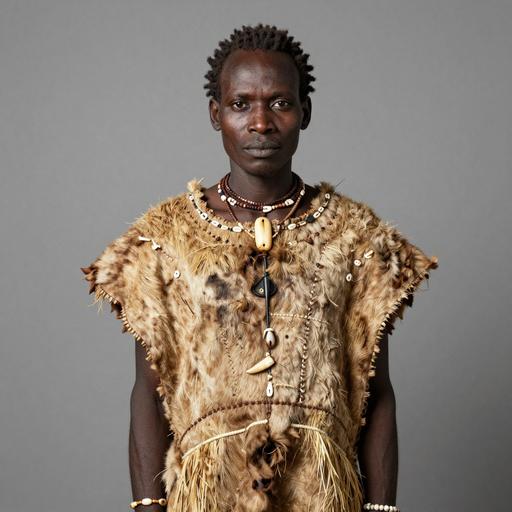
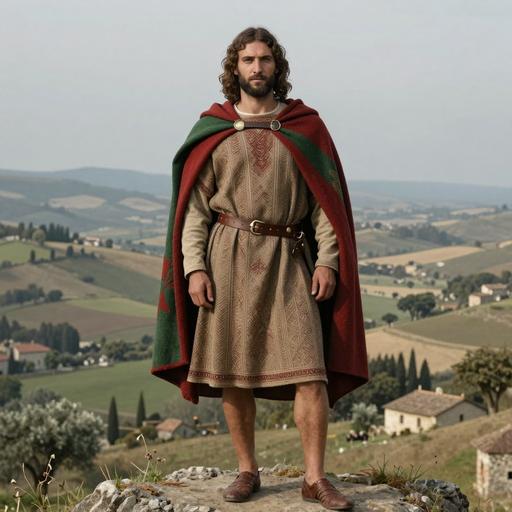
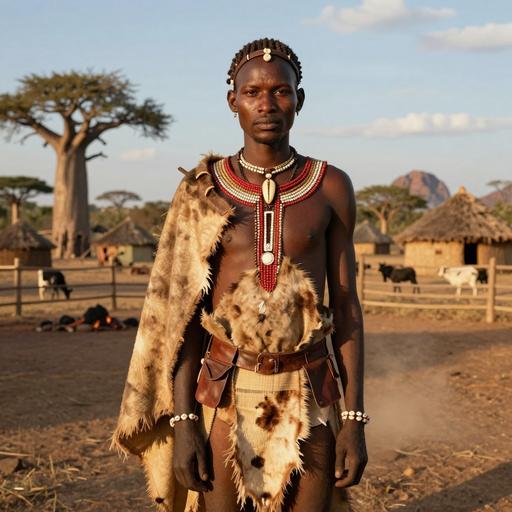
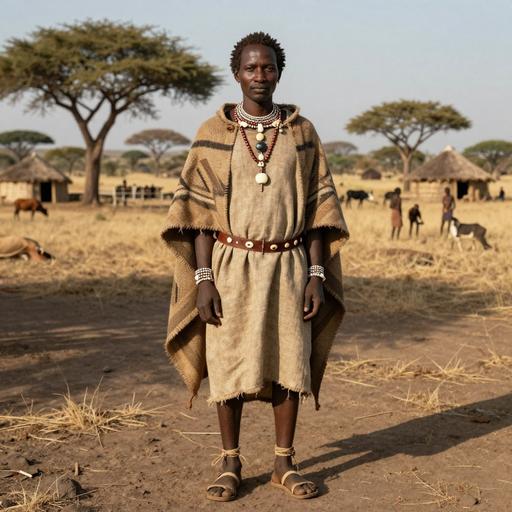
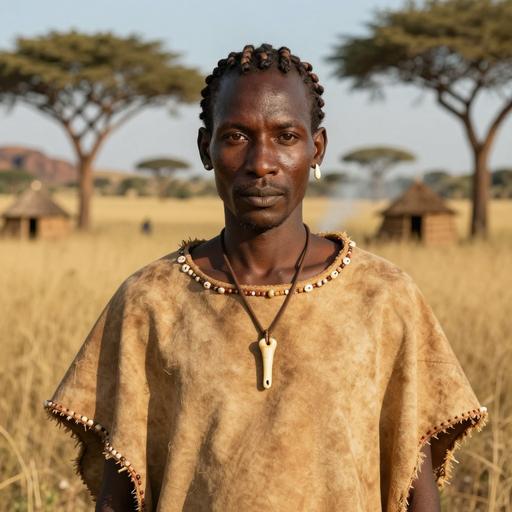
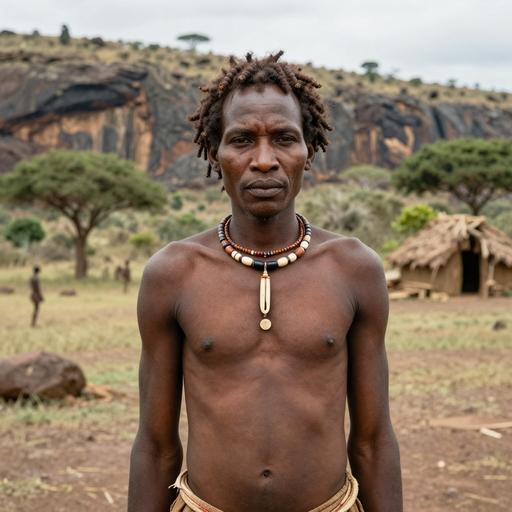
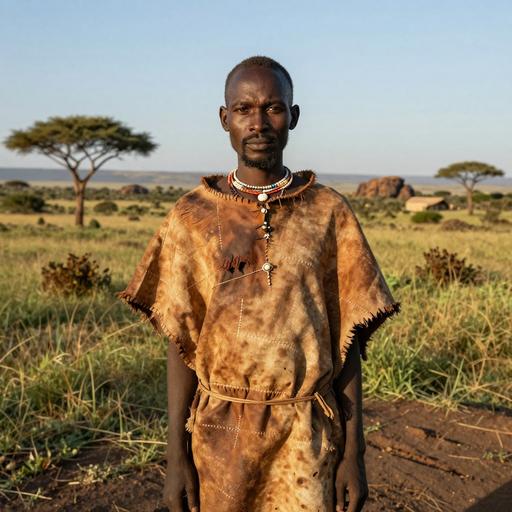
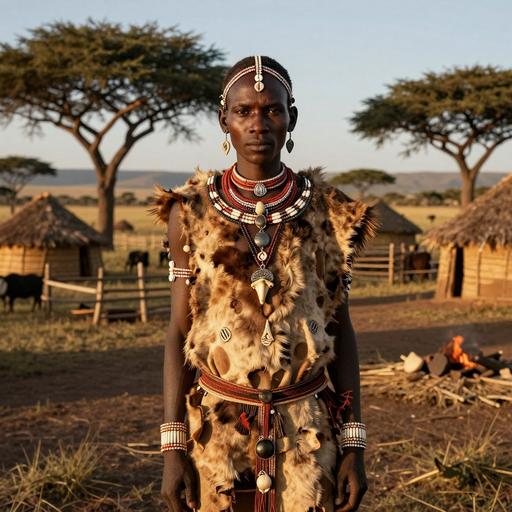
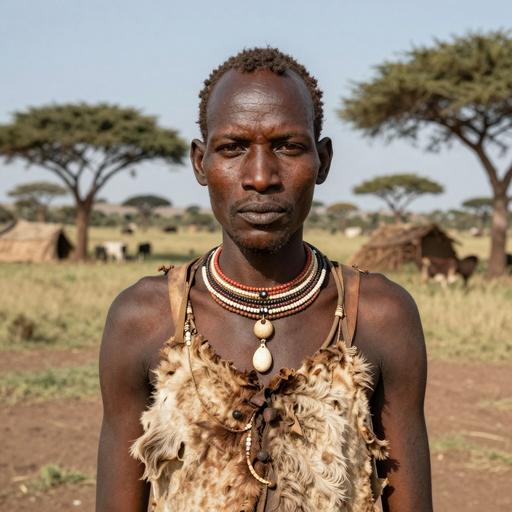
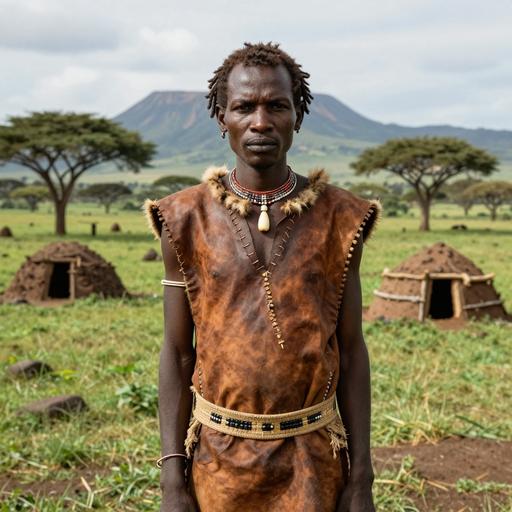
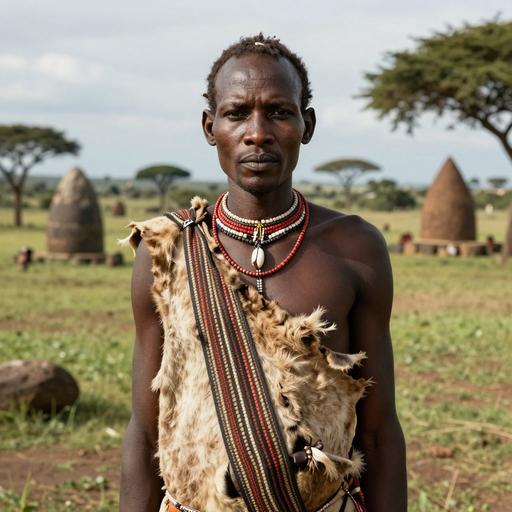
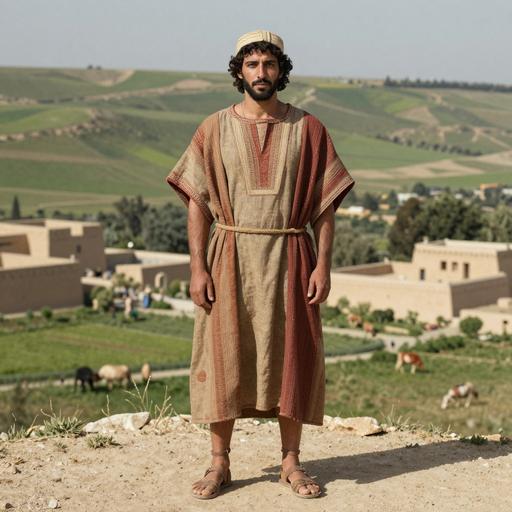
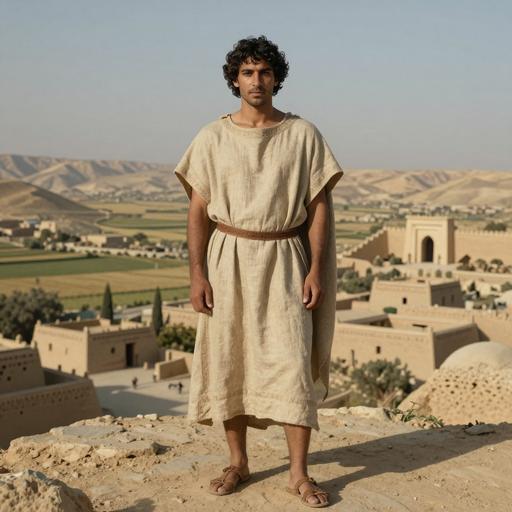
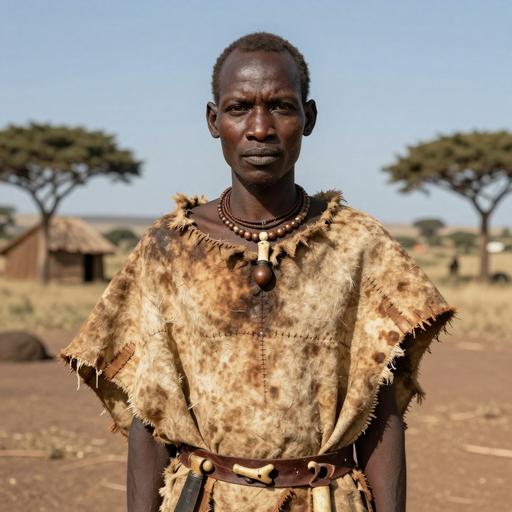
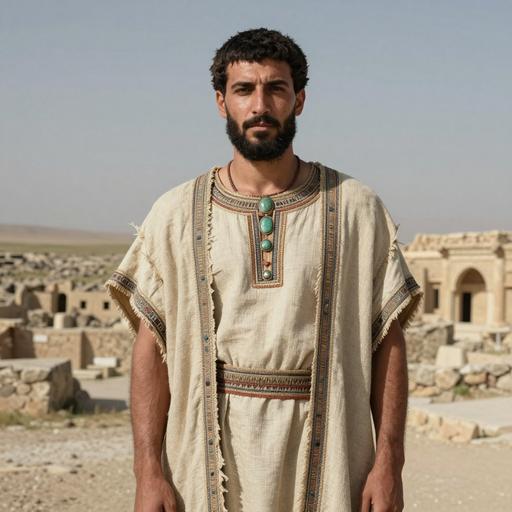
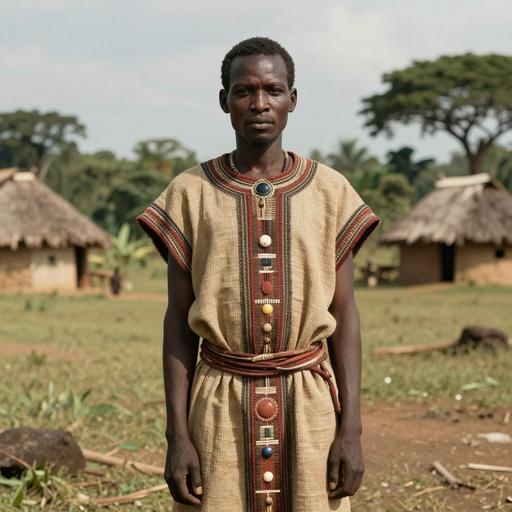
Los retratos son ilustraciones generadas con IA. Las etiquetas de muestra y los identificadores de acceso identifican los registros de referencia.

Retrato Muestra País Época Fecha Cultura Y-DNA Coincidencia
Retrato ilustrativo de Pastoral N individual, Gishimangeda Cave, Tanzania (47-113 BCE) generado con IA
Identificador de muestra: I13977
Tanzania Prehistoric in Tanzania 47 calBCE - 113 calCE (2005±20 BP, PSUAMS-5652) Tanzanian Prehistoric E1b1b1b2b2 Subclado
Retrato ilustrativo de LSA individual, Victoria Nyanza. Kisumu. Jawuoyo Rockshelter, Kenya (84-211 BCE) generado con IA
Identificador de muestra: I8808
Kenya Kenya LSA 119-216 calCE (1895±15 BP, PSUAMS-4783) LSA Kenya E1b1b1a1b2 Subclado
Retrato ilustrativo de Pastoral N IA-o individual, Gishimangeda Cave, Tanzania (200-1 BCE) generado con IA
Identificador de muestra: I13762
Tanzania Prehistoric and Iron Age in Tanzania 163-59 calBCE (2140±15 BP, PSUAMS-5458) Tanzania Multi-Period E1b1b1b2b2a1 Subclado
Retrato ilustrativo de Pastoral N individual, Nyandarua. Ol Kalou, Kenya (215-326 BCE) generado con IA
Identificador de muestra: I12384
Kenya Kenya PastoralN 229-358 calCE (1800±20 BP, PSUAMS-4940) Pastoral Neolithic E1b1b1b2b2a1 Subclado
Retrato ilustrativo de Pastoral N individual, Gishimangeda Cave, Tanzania (245-368 CE) generado con IA
Identificador de muestra: I13972
Tanzania Prehistoric in Tanzania 245-368 calCE (1780±25 BP, PSUAMS-5651) Tanzanian Prehistoric E1b1b1b2b2 Subclado
Retrato ilustrativo de Alt Inden Early Medieval-o Levant individual, North Rhine-Westphalia. Alt-Inden, Germany (400-800 CE) generado con IA
Identificador de muestra: IND009
Germany Saxon Early Medieval Alt Inden, Germany 400-800 CE Saxon Culture E1b1b1a1b1a Subclado
Retrato ilustrativo de Pastoral N individual, Molo Cave. GoJi3, Kenya (437-600 BCE) generado con IA
Identificador de muestra: MOL001
Kenya Molo Cave Pastoral Neolithic in Kenya 541-637 calCE (1532±21 BP, OxA-37360) Molo Cave Culture E1b1b1b2b Subclado
Retrato ilustrativo de Pastoral N individual, Hyrax Hill. GrJj25, Kenya (513-386 BCE) generado con IA
Identificador de muestra: HYR002
Kenya Hyrax Hill Pastoral Neolithic in Kenya 415-202 calBCE (2354±23 BP, OxA-37352) Hyrax Hill E1b1b1b2b Subclado
Retrato ilustrativo de Piedmont North Early Medieval Lombards-3 individual, Piedmont. Collegno, Italy (580-630 CE) generado con IA
Identificador de muestra: CL38
Italy Early Medieval Langobards, Northern Italy 550-650 CE Langobard E1b1b1a1b1a3 Subclado
Retrato ilustrativo de Berber individual, Tenerife, Canary Islands (593-660 CE) generado con IA
Identificador de muestra: gun012
Canary Islands The Guanche People of the Canary Islands 593 CE - 660 CE Guanche E1b1b1b1a1 Subclado
PATERNAL LINAJE · ADN ANTIGUO

Mapa de pruebas de linajes antiguos

Sigue los clados superiores hasta esta rama y explora dónde se encontraron portadores antiguos.

Cargando observaciones antiguas...

Los marcadores son ubicaciones de hallazgos arqueológicos. Una línea discontinua representa una transición geográfica propuesta e incierta entre ramas consecutivas, apoyada en varias observaciones fechadas; no es una ruta de viaje exacta, un lugar de nacimiento ni una prueba de descendencia directa. Las muestras del clado parental pueden pertenecer a otras ramas descendientes. Se mantienen huecos cuando las pruebas son insuficientes. Las fechas de las muestras son distintas de las fechas de formación de los haplogrupos.

Perfil de referencia

Mapa de distribución de portadores

Distribución geográfica de muestras de ADN antiguo (37), portadores directos o de subclados de E1B1

Portador de un subclado
Filtro de periodo temporal
Todos los periodos
Mostrando todas las muestras
Perfil de referencia

Distribución temporal

Distribución de portadores por periodos arqueológicos

Perfil de referencia

Distribución geográfica

Recuentos por país registrado de las muestras. Reflejan la selección de referencia disponible, no frecuencias de población.

Perfil de referencia

Distribución por país y época

Compara los recuentos de muestras registradas por países y periodos arqueológicos. Selecciona una celda con datos para examinar una muestra.

Datos

Datos y procedencia

Información sobre las fuentes y la calidad de los datos

Última actualización 2026-06-15
Puntuación de confianza 50/100
Cobertura Low

Fuente de datos

La clasificación, las fechas estimadas y el contexto geográfico reflejan los datos de referencia registrados y pueden cambiar al revisarse las pruebas. La cobertura de muestras es desigual; las ubicaciones registradas y las asociaciones arqueológicas no establecen el origen personal ni la identidad cultural.