Saltar al contenido principal
Y-DNA · Paterno linaje

F

F (M89)

Y-DNA Haplogroup F

Un perfil de referencia de una rama de linaje. Compartir haplogrupos no demuestra una relación familiar ni una identidad cultural.

Perfil de referencia

Contexto de la rama

Contexto histórico de la rama de linaje Y-DNA F

Origins and Evolution

Haplogroup F (M89) is an early Eurasian Y-chromosome lineage that branches off immediately downstream of CF. It likely arose in the Upper Paleolithic (roughly ~40–60 kya, commonly estimated around ~50 kya) during the period when anatomically modern humans were dispersing across Eurasia after leaving Africa. F is best understood as a pivotal internal node in the Y phylogeny: while true basal F* (unsubdivided F) is relatively rare today, the lineage is significant because it is ancestral to a very large radiation of descendant haplogroups that dominate modern Eurasian, South Asian, East Asian and Oceanian paternal diversity.

The formation and early diversification of F occurred in populations that were expanding across West, South and Southeast Asia. Those early populations rapidly produced multiple daughter lineages that later spread into Europe, East Asia, South Asia and Oceania.

Subclades

Although basal F* is uncommon in present-day samples, the major downstream lineages that trace to F include: G, H, I, J, and K (and through K the very large clans L, M, N, O, P and downstream Q, R, S, T, etc.). Because most common Eurasian haplogroups are descended from F, many population-level genetic patterns across Eurasia are ultimately rooted in the early split that created F and its descendants.

  • G and H: important in West and South Asia and parts of Europe.
  • I and J: strongly associated with Europe (I) and the Near East/Levant and Mediterranean (J).
  • K and its descendants (including O, N, P → Q/R, etc.) dominate East Asia, Siberia, the Americas (Q), and large parts of Europe (R).

Geographical Distribution

  • Basal F* is detected at low frequencies and has been reported in South Asia, parts of Southeast Asia and occasionally in Island Southeast Asia and Oceania; these occurrences point to an early south/southwest Asian center of diversification.
  • Descendant clades of F are widespread: branches derived from F account for the major Y-chromosome lineages of West, South, Central, East and Northern Eurasia and many Oceanian populations.

Overall, the geographic footprint of F and its descendants spans virtually all of Eurasia and reaches into Oceania and the Americas through downstream branches.

Historical and Cultural Significance

Because haplogroup F is ancestral to most Eurasian Y lineages, its importance is primarily phylogenetic rather than tied to a single archaeological culture. Descendant clades of F are associated with many major prehistoric and historic population movements:

  • The spread of Upper Paleolithic modern humans into Eurasia and subsequent regional differentiation (origin).
  • Neolithic farmer dispersals and local hunter-gatherer admixtures (through descendant haplogroups such as G and J in early farming contexts).
  • Bronze Age migrations and expansions that redistributed R, I and other descendant lineages across Europe and Central Asia (e.g., Corded Ware, Yamnaya-related movements via R1a/R1b descendants).

Because F is ancestral to lineages that later became markers of specific archaeological cultures (for example R1b in many Bell Beaker males, R1a in Corded Ware-associated groups, and J/G in early farming contexts), its role is as the deep paternal source behind many later, culture-specific Y signatures.

Conclusion

Haplogroup F is a crucial internal node in the Y-chromosome tree: although true basal F is rare in modern populations, the clade marks the origin of most non-African Y diversity. Its emergence in South/Southwest Asia during the Upper Paleolithic preceded the major split events that produced the geographic and cultural patterns of paternal lineages observed across Eurasia, Oceania and the Americas today. Understanding F clarifies how the later, culturally meaningful haplogroups are phylogenetically connected.

Puntos clave

  • Origins and Evolution
  • Subclades
  • Geographical Distribution
  • Historical and Cultural Significance
  • Conclusion

Perfil de referencia

Árbol y relaciones

Contexto filogenético y subclados

Trayectoria evolutiva

Sigue las ramas superiores registradas hasta F. Las fechas son estimaciones y pueden cambiar al revisarse los datos de referencia.

Pasos Haplogrupo Antigüedad estimada Época arqueológica Tiempo transcurrido Subclados inmediatos Portadores modernos analizados Referencias antiguas
1 F Actual ~50,000 years ago Paleolithic 50,000 years 1 491 31
Perfil de referencia

En el mundo

Distribución geográfica y presencia moderna

Origen registrado

South / Southwest Asia

Distribución moderna

The populations where Y-DNA haplogroup F is found include:

  1. South Asian populations (India, Pakistan, Sri Lanka)
  2. West Asian / Near Eastern populations
  3. Southeast Asian populations (Malaysia, Indonesia, Philippines)
  4. East Asian populations (as descendant lineages)
  5. European populations (through descendant haplogroups such as I, J, R, G)
  6. Oceanian and Melanesian groups (via downstream branches)

Presencia regional

South Asia High
West Asia / Near East High
Western Europe High
Southeast Asia Moderate
East Asia Moderate
Oceania / Melanesia Low
Contexto histórico

Una rama a través del tiempo

Formación estimada en una cronología histórica amplia. Los marcadores temporales aportan contexto y no implican relación con culturas concretas.

  1. ~70k años de antigüedad

    Expansión fuera de África

    Migración importante de humanos modernos fuera de África

  2. ~50k años de antigüedad

    Paleolítico superior

    Desarrollo de herramientas, arte y diversidad cultural

  3. ~50k años de antigüedad

    Haplogrupo F

    Formación estimada de esta rama de Y-DNA; las fechas y ubicaciones son estimaciones de referencia.

    Esta rama
  4. ~20k años de antigüedad

    Último máximo glacial

    Máxima extensión de la última glaciación y aislamiento de poblaciones

  5. ~10k años de antigüedad

    Revolución neolítica

    Inicio de la agricultura y formación de comunidades sedentarias

  6. ~5k años de antigüedad

    Edad del Bronce

    Metalurgia, escritura y primeras civilizaciones

  7. ~3k años de antigüedad

    Edad del Hierro

    Herramientas de hierro y ampliación de redes comerciales

  8. ~2.5k años de antigüedad

    Antigüedad clásica

    Desarrollo de las civilizaciones griega y romana

  9. Actualidad

    Actualidad

    Época moderna

Perfil de referencia

Contexto arqueológico

Asociaciones arqueológicas registradas para la rama Y-DNA F

Asociaciones registradas

Estas etiquetas describen contextos arqueológicos registrados para las muestras de referencia enlazadas a F. Una asociación no demuestra que todos los portadores pertenecieran a una cultura ni siguieran una ruta migratoria concreta.

Belgium_N Buran-Kaya China_Sitaimengguying_EN Chinese Mesolithic Ertebølle German Mesolithic Hungarian Neolithic Late Paleoindian Belize Mesolithic Iberian Mesolithic Ukrainian PPNB PPNB Cyprus Shanidar Culture Starčevo Yuzhny Oleny Ostrov
Las atribuciones culturales se basan en el contexto arqueológico de las muestras de ADN antiguo y pueden representar asociaciones regionales de periodos concretos.
Perfil de referencia

Catálogo de muestras

27 portadores directos y 4 portadores de subclados del haplogrupo F

10 mostradas · 31 muestras coincidentes

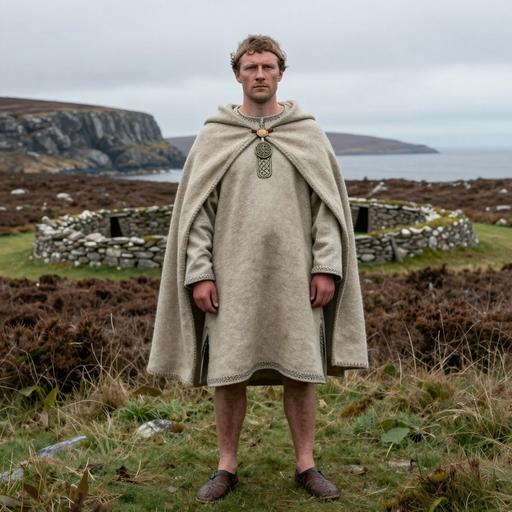
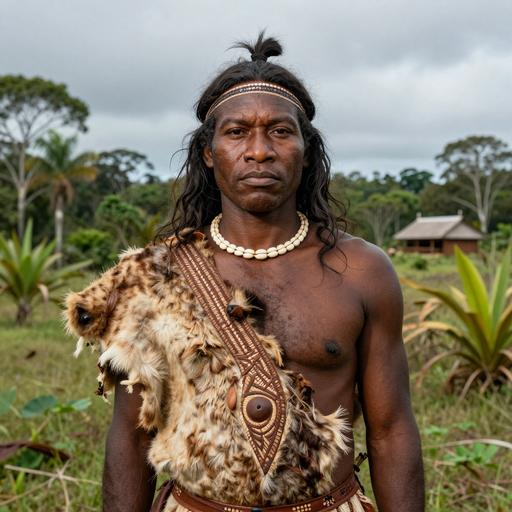
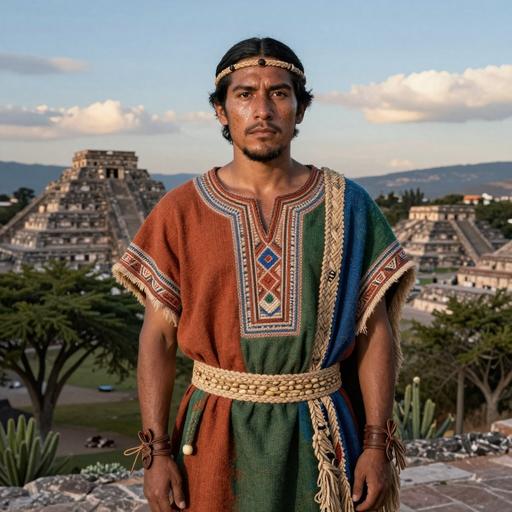
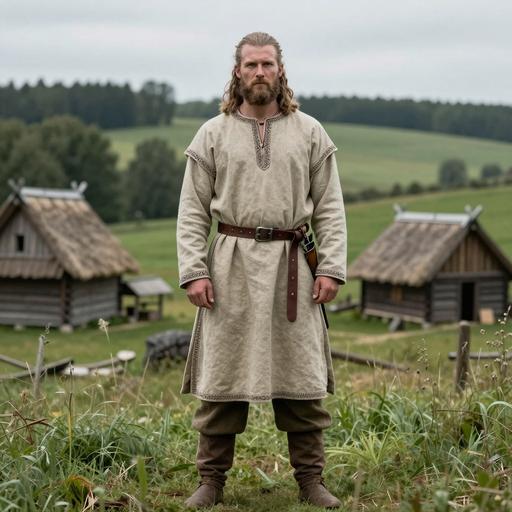
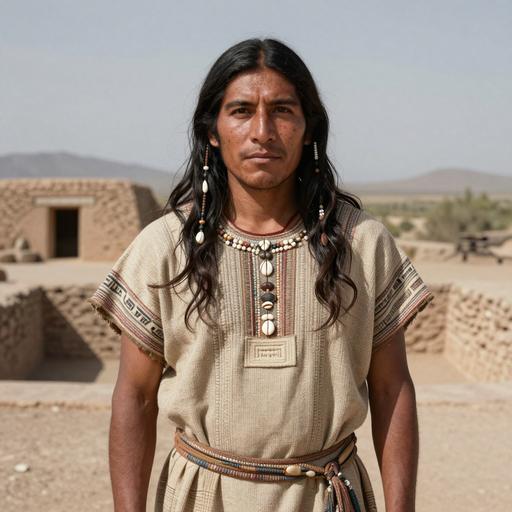
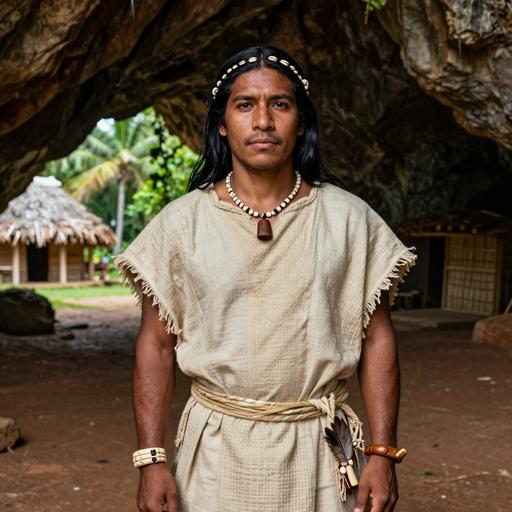
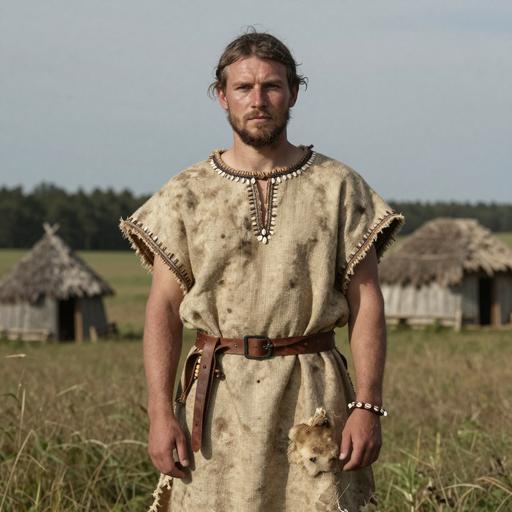
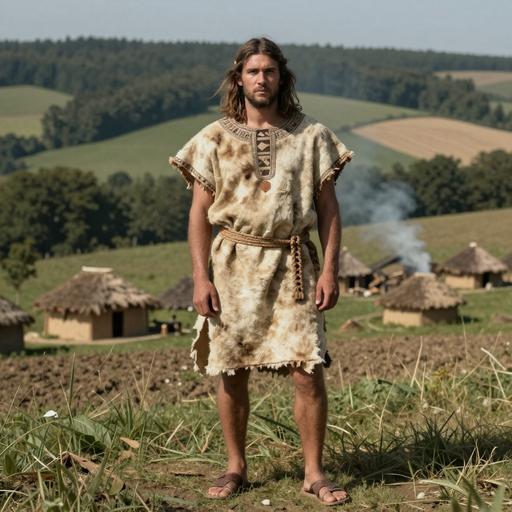
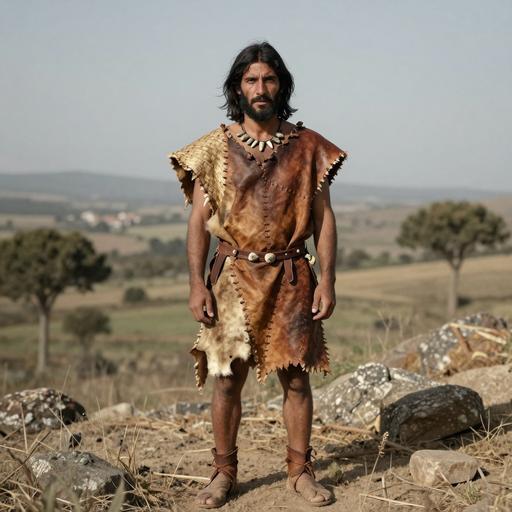
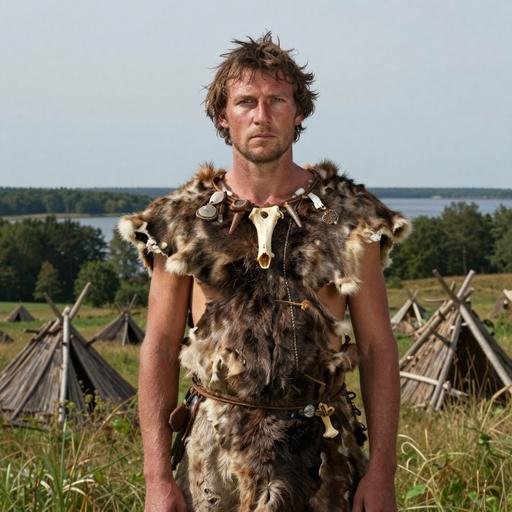
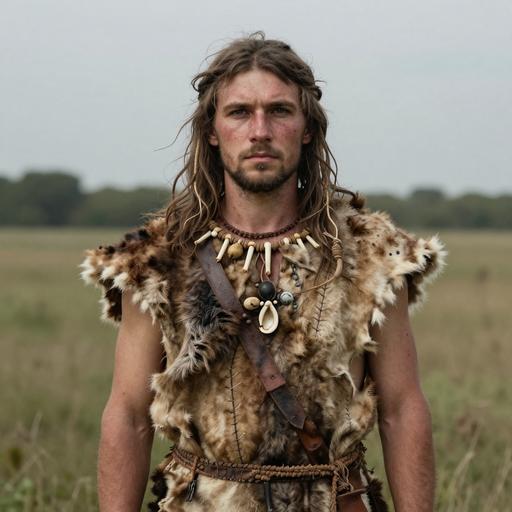
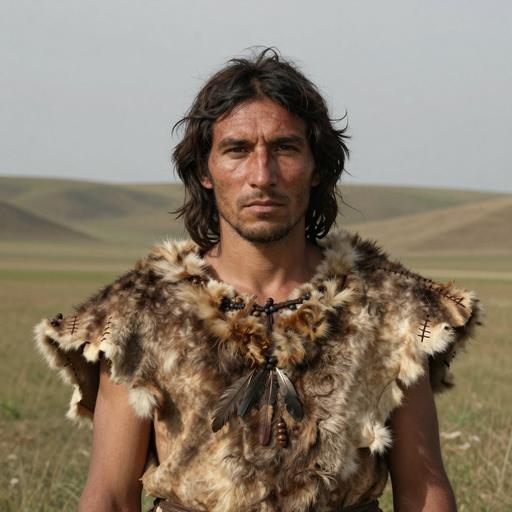
Los retratos son ilustraciones generadas con IA. Las etiquetas de muestra y los identificadores de acceso identifican los registros de referencia.

Retrato Muestra País Época Fecha Cultura Y-DNA Coincidencia
Retrato ilustrativo de Scotland LIA individual, Scotland. South Uist. Hornish Point, United Kingdom (159-26 BCE) generado con IA
Identificador de muestra: I2699
United Kingdom Scotland LIA 159 calBCE - 26 calCE (2050±30 BP, SUERC-24241) Scottish Iron Age F Direct
Retrato ilustrativo de England LIA individual, England. West Yorkshire. Wattle Syke, United Kingdom (200 BCE-100 CE) generado con IA
Identificador de muestra: I14359
United Kingdom England LIA 150 BCE - 100 CE British Late Iron Age F Direct
Retrato ilustrativo de England LIA MIA individual, England. Hampshire. Middle Wallop. Suddern Farm, United Kingdom (341-46 BCE) generado con IA
Identificador de muestra: I16609
United Kingdom Middle to Late Iron Age England 341-46 calBCE (2111±31 BP, SUERC-60702) Late Iron Age British F Direct
Retrato ilustrativo de England LIA MIA individual, England. Hampshire. Nether Wallop. Danebury, United Kingdom (351-54 BCE) generado con IA
Identificador de muestra: I16613
United Kingdom Middle to Late Iron Age England 351-54 calBCE (2147±26 BP, OxA-25954) Late Iron Age British F Direct
Retrato ilustrativo de Aboriginal Australian individual, Cairns (North Queensland, Mulgrave District), Australia (410-1,788 CE) generado con IA
Identificador de muestra: PA109uncontaminated
Australia Aboriginal North Queensland 410 CE - 1788 CE North Queensland Aboriginal F Direct
Retrato ilustrativo de Medieval individual, Cañada de la Virgen (Guanajuato), Mexico (670-870 CE) generado con IA
Identificador de muestra: E4CdV
Mexico Mexico Guanajuato Medieval 650-900 CE Loma San Gabriel F Direct
Retrato ilustrativo de England EIA individual, England. Wiltshire. Rowbarrow, United Kingdom (750-408 BCE) generado con IA
Identificador de muestra: I13690
United Kingdom England EIA 750-408 calBCE (2439±28 BP, SUERC-41691) Early British Iron Age F Direct
Retrato ilustrativo de Norse individual, Funen. Galgedil, Denmark (800-1,100 CE) generado con IA
Identificador de muestra: VK411
Denmark Denmark Viking 800 CE - 1100 CE Viking Denmark F Direct
Retrato ilustrativo de Norse individual, Skara. Varnhem, Sweden (900-1,200 CE) generado con IA
Identificador de muestra: VK304
Sweden Sweden Viking 900 CE - 1200 CE Viking F Direct
Retrato ilustrativo de Norse individual, Kurevanikha, Russia (900-1,300 CE) generado con IA
Identificador de muestra: VK161
Russia Russia Viking 900 CE - 1300 CE Viking Culture F Direct
PATERNAL LINAJE · ADN ANTIGUO

Mapa de pruebas de linajes antiguos

Sigue los clados superiores hasta esta rama y explora dónde se encontraron portadores antiguos.

Cargando observaciones antiguas...

Los marcadores son ubicaciones de hallazgos arqueológicos. Una línea discontinua representa una transición geográfica propuesta e incierta entre ramas consecutivas, apoyada en varias observaciones fechadas; no es una ruta de viaje exacta, un lugar de nacimiento ni una prueba de descendencia directa. Las muestras del clado parental pueden pertenecer a otras ramas descendientes. Se mantienen huecos cuando las pruebas son insuficientes. Las fechas de las muestras son distintas de las fechas de formación de los haplogrupos.

Perfil de referencia

Mapa de distribución de portadores

Distribución geográfica de muestras de ADN antiguo (31), portadores directos o de subclados de F

Portador directo Portador de un subclado
Filtro de periodo temporal
Todos los periodos
Mostrando todas las muestras
Perfil de referencia

Distribución temporal

Distribución de portadores por periodos arqueológicos

Perfil de referencia

Distribución geográfica

Recuentos por país registrado de las muestras. Reflejan la selección de referencia disponible, no frecuencias de población.

Perfil de referencia

Distribución por país y época

Compara los recuentos de muestras registradas por países y periodos arqueológicos. Selecciona una celda con datos para examinar una muestra.

Datos

Datos y procedencia

Información sobre las fuentes y la calidad de los datos

Última actualización 2026-06-16

Fuente de datos

La clasificación, las fechas estimadas y el contexto geográfico reflejan los datos de referencia registrados y pueden cambiar al revisarse las pruebas. La cobertura de muestras es desigual; las ubicaciones registradas y las asociaciones arqueológicas no establecen el origen personal ni la identidad cultural.