Saltar al contenido principal
Y-DNA · Paterno linaje

G2A2B2B1A1A

Y-DNA Haplogroup G2A2B2B1A1A

Un perfil de referencia de una rama de linaje. Compartir haplogrupos no demuestra una relación familiar ni una identidad cultural.

Perfil de referencia

Contexto de la rama

Contexto histórico de la rama de linaje Y-DNA G2A2B2B1A1A

Origins and Evolution

Y-DNA haplogroup G2A2B2B1A1A is a highly derived subclade of haplogroup G, one of the classic paternal lineages associated with early Holocene populations in the Near East, Anatolia, and the Caucasus. Because it sits deep within the G phylogeny, this branch is expected to be very rare and to reflect a localized lineage that emerged after the major diversification of G2 lineages in the Neolithic period.

The most plausible origin for G2A2B2B1A1A is within the Anatolian–Near Eastern Neolithic continuum, where early farmers, pastoralists, and connected populations carried a wide variety of G subclades into western Eurasia. The estimated time depth is around 4 kya, though as a rare terminal branch its exact age could be somewhat older or younger depending on the number of observed samples and future sequencing resolution. Like other low-frequency downstream branches, its distribution is likely shaped more by drift, founder effects, and regional continuity than by large-scale population replacement.

Subclades

This lineage is a terminal or near-terminal branch within the G2A2B2B1A1 lineage series. At present, the key scientific point is not a broad internal diversification, but rather its value in connecting a rare modern or ancient sample to the broader G2 paternal tree.

Because it is so deeply nested and uncommon, few public datasets are likely to contain multiple confirmed examples. In practice, such lineages are often resolved through high-coverage Y-chromosome sequencing or advanced SNP testing, which can refine their placement as more ancient and modern genomes are added.

Geographical Distribution

G2A2B2B1A1A is expected to occur at very low frequency in regions that historically received ancestry from early Near Eastern and Anatolian populations. The strongest current expectations are for the South Caucasus, Anatolia, and parts of the Balkan and eastern Mediterranean worlds.

Its presence in Georgia, Armenia, and Azerbaijan is consistent with the long-term persistence of ancient Near Eastern-related male lineages in the Caucasus. Low-level occurrences in Turkey, the Aegean, Greece, Italy, and Sardinia are also plausible, especially in populations with documented Neolithic ancestry layers. Isolated instances in Jewish and Levantine communities would not be surprising, given the complex population history of the eastern Mediterranean.

Ancient DNA evidence from Neolithic farming contexts in western Anatolia and Europe provides the broader historical framework for the lineage, even if this exact terminal branch has not yet been widely reported in published prehistoric datasets.

Historical and Cultural Significance

Although G2A2B2B1A1A is not associated with a famous migration on its own, it belongs to a paternal macro-lineage that is strongly connected to the spread of early farming societies across Anatolia and into Europe. In that sense, it is part of the broader demographic story of the Neolithic transition, when people, crops, livestock, and social practices spread from southwest Asia into southeastern and central Europe.

In later periods, the survival of such a rare lineage in the Caucasus and eastern Mediterranean may reflect the persistence of small, endogamous, or regionally stable communities. Its modern distribution therefore carries more weight for reconstructing micro-histories of ancestry than for identifying a single large culture or ethnic group.

Conclusion

Y-DNA haplogroup G2A2B2B1A1A is a rare and highly specialized paternal lineage rooted in the broader Anatolian–Near Eastern Neolithic genetic landscape. Its scientific importance lies in documenting the deep branching structure of haplogroup G and in illustrating the long-term survival of localized male lineages across the Caucasus, Anatolia, and the eastern Mediterranean.

Puntos clave

  • Origins and Evolution
  • Subclades
  • Geographical Distribution
  • Historical and Cultural Significance
  • Conclusion
Perfil de referencia

Árbol y relaciones

Contexto filogenético y subclados

Trayectoria evolutiva

Sigue las ramas superiores registradas hasta G2A2B2B1A1A. Las fechas son estimaciones y pueden cambiar al revisarse los datos de referencia.

Pasos Haplogrupo Antigüedad estimada Época arqueológica Tiempo transcurrido Subclados inmediatos Portadores modernos analizados Referencias antiguas
1 G2A2B2B1A1A Actual ~4,000 years ago Bronze Age 4,000 years 2 0 0
2 G2A2B2B1A1 ~4,000 years ago Bronze Age 4,500 years 2 7 0
3 G2A2B2B1A ~5,000 years ago Bronze Age 5,000 years 2 9 0
4 G2A2B2B1 ~6,000 years ago Chalcolithic 5,500 years 1 9 0
5 G2A2B2B ~6,000 years ago Chalcolithic 6,000 years 2 15 4
6 G2A2B2 ~6,000 years ago Chalcolithic 6,500 years 2 293 0
7 G2A2B ~8,000 years ago Neolithic 7,500 years 2 549 3
8 G2A2 ~8,000 years ago Neolithic 8,500 years 2 684 0
9 G2A ~9,000 years ago Neolithic 9,000 years 2 910 14
10 G2 ~25,000 years ago Paleolithic 25,000 years 2 989 9
11 G ~30,000 years ago Paleolithic 30,000 years 3 1,171 7

Ramas hermanas (1)

Otras ramas del mismo haplogrupo superior

Perfil de referencia

En el mundo

Distribución geográfica y presencia moderna

Origen registrado

Anatolia / Near East

Distribución moderna

The populations where Y-DNA haplogroup G2A2B2B1A1A is found include:

  1. Georgian, Armenian, and Azerbaijani populations in the South Caucasus
  2. Anatolian populations, including modern Turkey and neighboring eastern Mediterranean groups
  3. Southern European populations such as Greeks, Italians, and Sardinians at low frequency
  4. Balkan populations with Neolithic and Near Eastern ancestry components
  5. Selected Jewish and Levantine communities at very low frequency
  6. Ancient DNA samples from Neolithic farming contexts in western Anatolia and Europe

Presencia regional

West Asia / Caucasus High
Southern Europe (Mediterranean) Moderate
Western Europe Low
Central/South Asia Low
Southeastern Europe Low
North Africa Low
Contexto histórico

Una rama a través del tiempo

Formación estimada en una cronología histórica amplia. Los marcadores temporales aportan contexto y no implican relación con culturas concretas.

  1. ~10k años de antigüedad

    Revolución neolítica

    Inicio de la agricultura y formación de comunidades sedentarias

  2. ~5k años de antigüedad

    Edad del Bronce

    Metalurgia, escritura y primeras civilizaciones

  3. ~4k años de antigüedad

    Haplogrupo G2A2B2B1A1A

    Formación estimada de esta rama de Y-DNA; las fechas y ubicaciones son estimaciones de referencia.

    Esta rama
  4. ~3k años de antigüedad

    Edad del Hierro

    Herramientas de hierro y ampliación de redes comerciales

  5. ~2.5k años de antigüedad

    Antigüedad clásica

    Desarrollo de las civilizaciones griega y romana

  6. Actualidad

    Actualidad

    Época moderna

Perfil de referencia

Contexto arqueológico

Asociaciones arqueológicas registradas para la rama Y-DNA G2A2B2B1A1A

Asociaciones registradas

Estas etiquetas describen contextos arqueológicos registrados para las muestras de referencia enlazadas a G2A2B2B1A1A. Una asociación no demuestra que todos los portadores pertenecieran a una cultura ni siguieran una ruta migratoria concreta.

Croatian Copper France_Occitanie_Gard_AvendelaBoucle_N Iberian Neolithic Pre-Nuragic to Nuragic Starčevo Culture
Las atribuciones culturales se basan en el contexto arqueológico de las muestras de ADN antiguo y pueden representar asociaciones regionales de periodos concretos.
Perfil de referencia

Catálogo de muestras

8 portadores directos y 3 portadores de subclados del haplogrupo G2A2B2B1A1A

10 mostradas · 11 muestras coincidentes

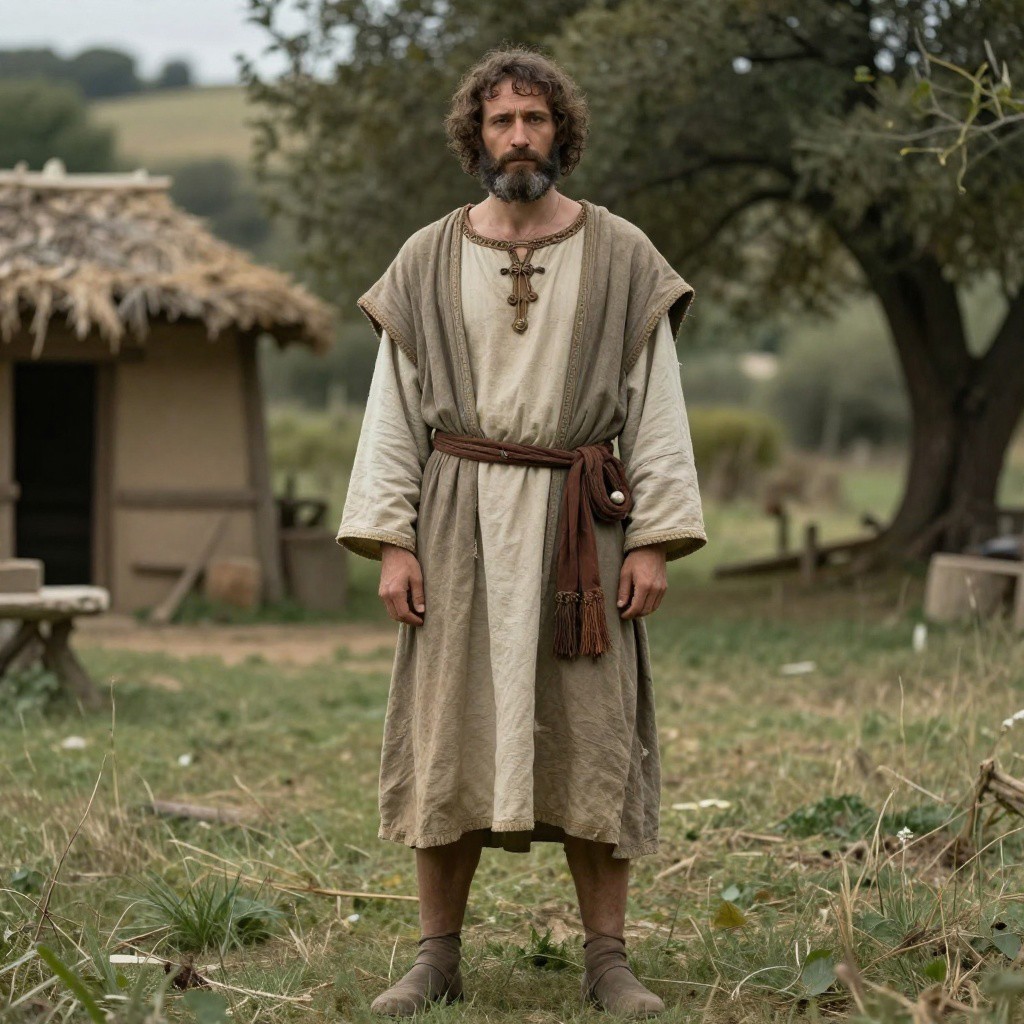
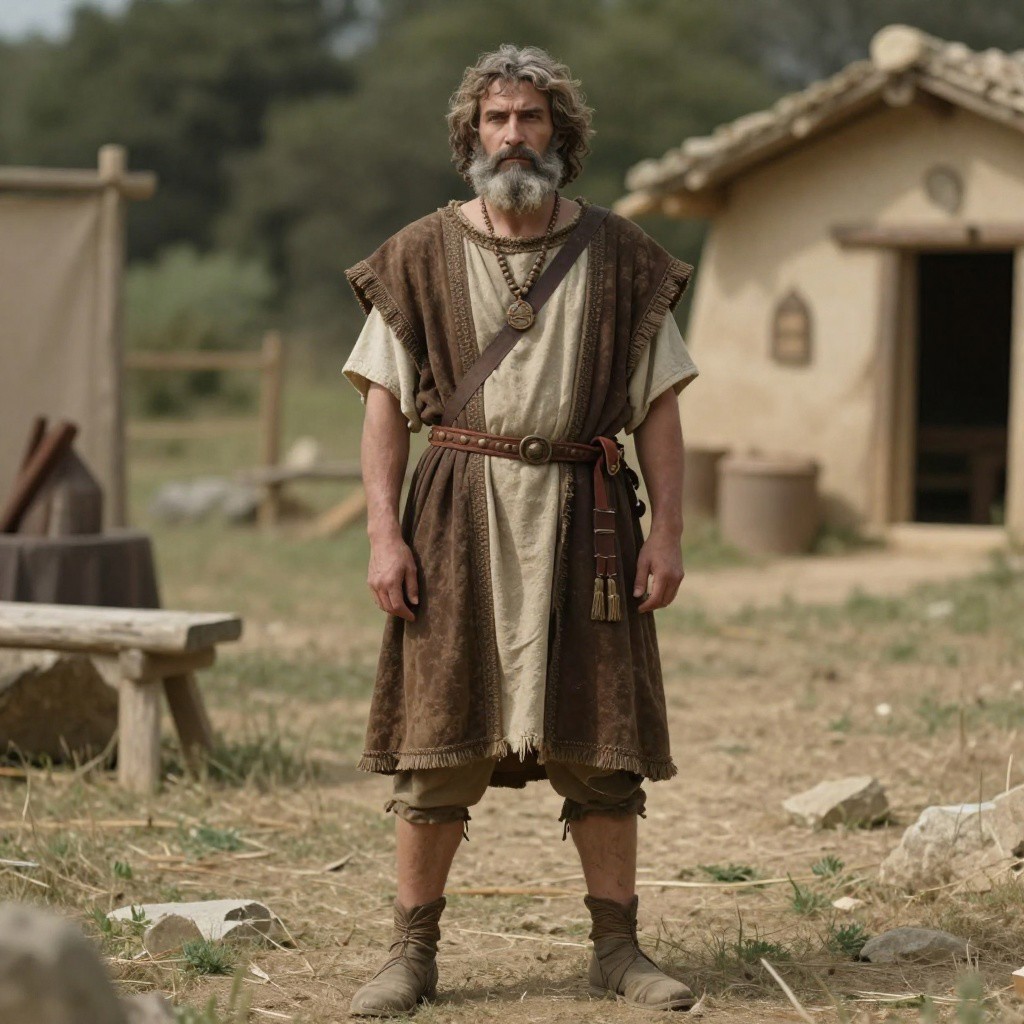
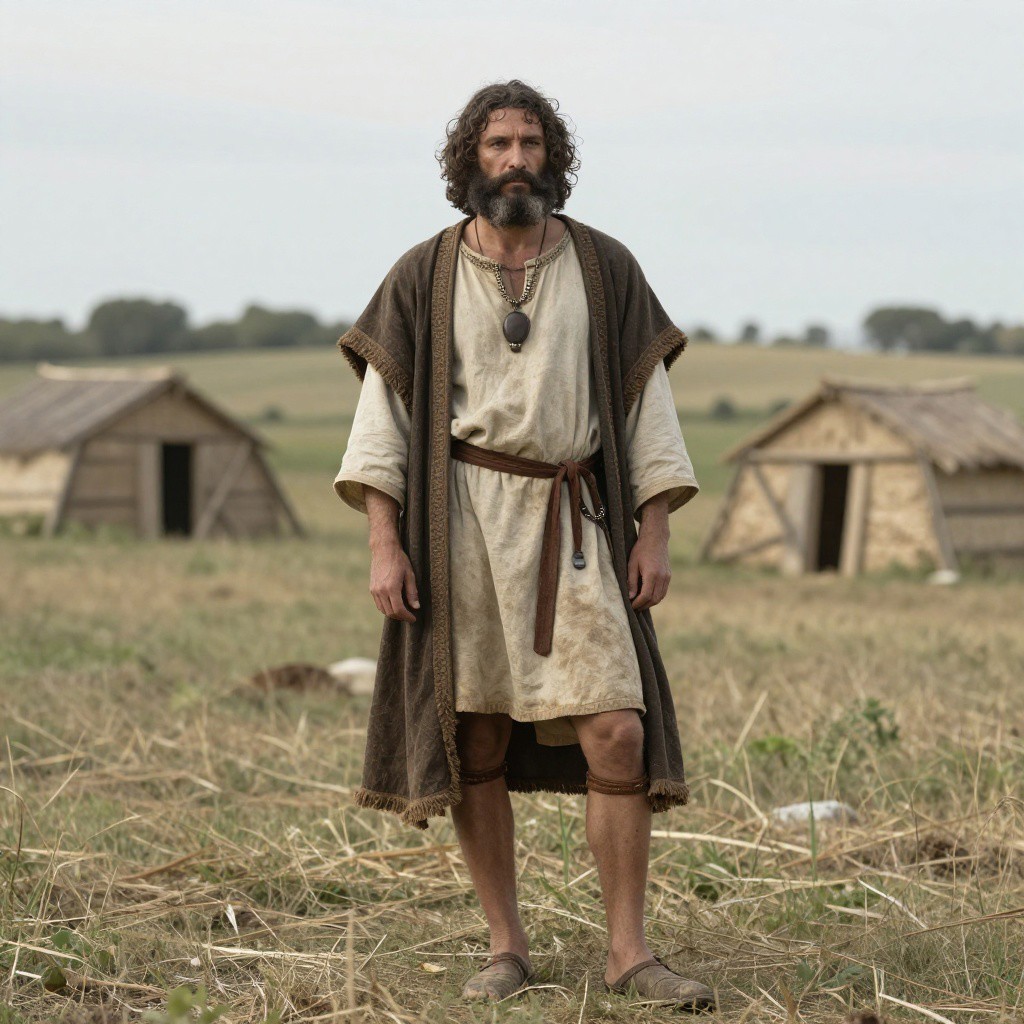
Los retratos son ilustraciones generadas con IA. Las etiquetas de muestra y los identificadores de acceso identifican los registros de referencia.

Retrato Muestra País Época Fecha Cultura Y-DNA Coincidencia
Retrato ilustrativo de Occitanie Gard Avendela Boucle N individual, Aven de la Boucle (Occitanie Region, Gard Department, Corconne), France (2,619-2,331 BCE) generado con IA
Identificador de muestra: BOU31
France France Occitanie Gard AvendelaBoucle N 2600-2350 BCE France_Occitanie_Gard_AvendelaBoucle_N G2a2b2b1a1a Direct
Retrato ilustrativo de Occitanie Gard Avendela Boucle N individual, Aven de la Boucle (Occitanie Region, Gard Department, Corconne), France (2,619-2,331 BCE) generado con IA
Identificador de muestra: BOU45
France France Occitanie Gard AvendelaBoucle N 2600-2350 BCE France_Occitanie_Gard_AvendelaBoucle_N G2a2b2b1a1a Direct
Retrato ilustrativo de Occitanie Gard Avendela Boucle N individual, Aven de la Boucle (Occitanie Region, Gard Department, Corconne), France (2,969-2,681 BCE) generado con IA
Identificador de muestra: BOU37
France France Occitanie Gard AvendelaBoucle N 2950-2700 BCE France_Occitanie_Gard_AvendelaBoucle_N G2a2b2b1a1a Direct
Retrato ilustrativo de Occitanie Gard Avendela Boucle N individual, Aven de la Boucle (Occitanie Region, Gard Department, Corconne), France (3,180-3,060 BCE) generado con IA
Identificador de muestra: BOU39
France France Occitanie Gard AvendelaBoucle N 3321-2920 calBCE (4419±30 BP, LTL-22111) France_Occitanie_Gard_AvendelaBoucle_N G2a2b2b1a1a Direct
Retrato ilustrativo de Occitanie Gard Avendela Boucle N individual, Aven de la Boucle (Occitanie Region, Gard Department, Corconne), France (3,291-3,111 BCE) generado con IA
Identificador de muestra: BOU30
France France Occitanie Gard AvendelaBoucle N 3366-3036 calBCE (4517±45 BP, LTL-21904) France_Occitanie_Gard_AvendelaBoucle_N G2a2b2b1a1a Direct
Retrato ilustrativo de Occitanie Gard Avendela Boucle N individual, Aven de la Boucle (Occitanie Region, Gard Department, Corconne), France (3,363-3,223 BCE) generado con IA
Identificador de muestra: BOU42
France France Occitanie Gard AvendelaBoucle N 3485-3102 calBCE (4554±35 BP, LTL-22112) France_Occitanie_Gard_AvendelaBoucle_N G2a2b2b1a1a Direct
Retrato ilustrativo de Occitanie Gard Avendela Boucle N individual, Aven de la Boucle (Occitanie Region, Gard Department, Corconne), France (3,389-3,209 BCE) generado con IA
Identificador de muestra: BOU40
France France Occitanie Gard AvendelaBoucle N 3497-3101 calBCE (4571±45 BP, LTL-21905) France_Occitanie_Gard_AvendelaBoucle_N G2a2b2b1a1a Direct
Retrato ilustrativo de Occitanie Gard Avendela Boucle N individual, Aven de la Boucle (Occitanie Region, Gard Department, Corconne), France (3,554-2,746 BCE) generado con IA
Identificador de muestra: BOU35
France France Occitanie Gard AvendelaBoucle N 3500-2800 BCE France_Occitanie_Gard_AvendelaBoucle_N G2a2b2b1a1a Direct
Retrato ilustrativo de Occitanie Gard Avendela Boucle N individual, Aven de la Boucle (Occitanie Region, Gard Department, Corconne), France (3,357-3,237 BCE) generado con IA
Identificador de muestra: BOU12
France France Occitanie Gard AvendelaBoucle N 3487-3107 calBCE (4560±30 BP, Lyon-15201) France_Occitanie_Gard_AvendelaBoucle_N G2a2b2b1a1a1 Subclado
Retrato ilustrativo de Occitanie Gard Avendela Boucle N individual, Aven de la Boucle (Occitanie Region, Gard Department, Corconne), France (3,554-2,746 BCE) generado con IA
Identificador de muestra: BOU24
France France Occitanie Gard AvendelaBoucle N 3500-2800 BCE France_Occitanie_Gard_AvendelaBoucle_N G2a2b2b1a1a1 Subclado
PATERNAL LINAJE · ADN ANTIGUO

Mapa de pruebas de linajes antiguos

Sigue los clados superiores hasta esta rama y explora dónde se encontraron portadores antiguos.

Cargando observaciones antiguas...

Los marcadores son ubicaciones de hallazgos arqueológicos. Una línea discontinua representa una transición geográfica propuesta e incierta entre ramas consecutivas, apoyada en varias observaciones fechadas; no es una ruta de viaje exacta, un lugar de nacimiento ni una prueba de descendencia directa. Las muestras del clado parental pueden pertenecer a otras ramas descendientes. Se mantienen huecos cuando las pruebas son insuficientes. Las fechas de las muestras son distintas de las fechas de formación de los haplogrupos.

Perfil de referencia

Mapa de distribución de portadores

Distribución geográfica de muestras de ADN antiguo (11), portadores directos o de subclados de G2A2B2B1A1A

Portador directo Portador de un subclado
Filtro de periodo temporal
Todos los periodos
Mostrando todas las muestras
Perfil de referencia

Distribución temporal

Distribución de portadores por periodos arqueológicos

Perfil de referencia

Distribución geográfica

Recuentos por país registrado de las muestras. Reflejan la selección de referencia disponible, no frecuencias de población.

Perfil de referencia

Distribución por país y época

Compara los recuentos de muestras registradas por países y periodos arqueológicos. Selecciona una celda con datos para examinar una muestra.

Datos

Datos y procedencia

Información sobre las fuentes y la calidad de los datos

Última actualización 2026-06-17
Puntuación de confianza 50/100
Cobertura Low

Fuente de datos

La clasificación, las fechas estimadas y el contexto geográfico reflejan los datos de referencia registrados y pueden cambiar al revisarse las pruebas. La cobertura de muestras es desigual; las ubicaciones registradas y las asociaciones arqueológicas no establecen el origen personal ni la identidad cultural.