Saltar al contenido principal
Y-DNA · Paterno linaje

I2A1A2

Y-DNA Haplogroup I2A1A2

Un perfil de referencia de una rama de linaje. Compartir haplogrupos no demuestra una relación familiar ni una identidad cultural.

Perfil de referencia

Contexto de la rama

Contexto histórico de la rama de linaje Y-DNA I2A1A2

Origins and Evolution

Y-DNA haplogroup I2A1A2 is a subclade of I2A1A, itself part of the broader haplogroup I2, one of the major indigenous European Y-chromosome lineages. The deep ancestry of I2 is associated with prehistoric European hunter-gatherer populations, especially those that persisted in refugial zones in southeastern Europe during and after the Last Glacial Maximum. As a downstream branch, I2A1A2 most likely formed during the early Holocene, when post-glacial population expansion, regional isolation, and later Neolithic-to-Bronze Age demographic changes created the conditions for the diversification of local paternal lineages.

Because I2A1A2 is a relatively specific intermediate clade, its precise distribution is expected to be narrower than that of its parent branch. In population-genetic terms, such subclades often reflect a combination of founder effects, regional continuity, and later gene flow into neighboring populations. The most plausible origin zone is the western Balkans or adjacent southeastern European regions, where multiple branches of I2 show their strongest diversity.

Subclades

As an intermediate clade, I2A1A2 functions as a branching point within the broader I2A1A lineage. Depending on the phylogenetic resolution used by different testing platforms and reference trees, additional downstream lineages may exist beneath I2A1A2, but their exact placement can vary as new SNPs are discovered.

In practical genealogy, intermediate clades like this are important because they often connect deeper ancient lineages with more geographically specific descendant branches. This makes I2A1A2 useful for tracing regional paternal continuity in southeastern and central Europe.

Geographical Distribution

The strongest expected concentration for I2A1A2 is in southeastern Europe, especially the Balkans, where I2 subclades are often most diverse and frequent. From there, the lineage may appear at lower frequencies in Central Europe, Eastern Europe, Northern Europe, and parts of the British Isles, reflecting historical migrations, medieval population movement, and modern diaspora.

In modern datasets, related I2 lineages are commonly found among populations such as Balkan groups, East Slavs, Central Europeans, Germans, Scandinavians, and Britons/Irish, though the specific frequency of I2A1A2 itself is expected to be much lower than that of the broader parent clade I2A1A. Outside Europe, its presence is most often explained by relatively recent migration.

Historical and Cultural Significance

The deeper paternal background of I2A1A2 connects it to European Mesolithic hunter-gatherer ancestry, a major substrate of later European populations. While this specific subclade cannot be tied securely to a single archaeological culture without direct ancient DNA evidence, its parent lineages are relevant to the ancestry of populations interacting with Neolithic farmers, Copper Age communities, and Bronze Age steppe-derived groups.

For many regional histories, I2-derived lineages are associated with long-term continuity in parts of southeastern Europe and the Carpathian-Balkan zone. The later spread of I2 branches into northern and western Europe likely reflects a mix of prehistoric and historic processes, including post-Neolithic admixture, Roman-era movements, Slavic expansions, Germanic migrations, and medieval population shifts.

Conclusion
Y-DNA haplogroup I2A1A2 is a downstream branch of a deeply rooted European paternal lineage with its most likely origin in southeastern Europe during the early Holocene. Although the exact distribution of this intermediate clade is still subject to refinement, it fits the broader pattern of I2 diversity centered in the Balkans, with wider European presence shaped by later migrations and demographic exchange.

Puntos clave

  • Origins and Evolution
  • Subclades
  • Geographical Distribution
  • Historical and Cultural Significance
  • Conclusion

Perfil de referencia

Árbol y relaciones

Contexto filogenético y subclados

Trayectoria evolutiva

Sigue las ramas superiores registradas hasta I2A1A2. Las fechas son estimaciones y pueden cambiar al revisarse los datos de referencia.
Pasos Haplogrupo Antigüedad estimada Época arqueológica Tiempo transcurrido Subclados inmediatos Portadores modernos analizados Referencias antiguas
1 I2A1A2 Actual ~12,000 years ago Neolithic 12,000 years 2 414 0
2 I2A1A ~14,000 years ago Mesolithic 14,000 years 2 720 39
3 I2A1 ~16,000 years ago Mesolithic 16,000 years 2 933 0
4 I2A ~18,000 years ago Mesolithic 18,000 years 2 1,551 24
5 I2 ~20,000 years ago Mesolithic 20,000 years 2 1,785 10
6 I ~25,000 years ago Paleolithic 25,000 years 4 3,486 79

Ramas hermanas (1)

Otras ramas del mismo haplogrupo superior

Perfil de referencia

En el mundo

Distribución geográfica y presencia moderna

Origen registrado

Southeastern Europe

Distribución moderna

The populations where Y-DNA haplogroup I2A1A2 haplogroup I2A1A2 is found include:

  1. Balkan populations
  2. East Slavic populations
  3. Central European populations
  4. Scandinavian populations
  5. German and Austrian populations
  6. British and Irish populations
  7. Baltic populations
  8. Recent diaspora populations in the Americas and Australia

Presencia regional

Southeastern Europe (Balkans) High
Southern Europe (Mediterranean islands, e.g., Sardinia) Moderate
Central Europe (near the Balkans) Moderate
Western Europe Low
Eastern Europe Low
Northern Europe Low
Southeastern Europe High
Balkans High
Contexto histórico

Una rama a través del tiempo

Formación estimada en una cronología histórica amplia. Los marcadores temporales aportan contexto y no implican relación con culturas concretas.

  1. ~12k años de antigüedad

    Haplogrupo I2A1A2

    Formación estimada de esta rama de Y-DNA; las fechas y ubicaciones son estimaciones de referencia.

    Esta rama
  2. ~10k años de antigüedad

    Revolución neolítica

    Inicio de la agricultura y formación de comunidades sedentarias

  3. ~5k años de antigüedad

    Edad del Bronce

    Metalurgia, escritura y primeras civilizaciones

  4. ~3k años de antigüedad

    Edad del Hierro

    Herramientas de hierro y ampliación de redes comerciales

  5. ~2.5k años de antigüedad

    Antigüedad clásica

    Desarrollo de las civilizaciones griega y romana

  6. Actualidad

    Actualidad

    Época moderna

Perfil de referencia

Contexto arqueológico

Asociaciones arqueológicas registradas para la rama Y-DNA I2A1A2

Asociaciones registradas

Estas etiquetas describen contextos arqueológicos registrados para las muestras de referencia enlazadas a I2A1A2. Una asociación no demuestra que todos los portadores pertenecieran a una cultura ni siguieran una ruta migratoria concreta.

Cardial Ware Ertebølle French Mesolithic German Mesolithic Germany_GrossFredenwalde_Mesolithic Kongemose Lingolsheim Culture Luxembourg Mesolithic Maglemosian Mesolithic Ukrainian Middle Neolithic French Netherlands_EN_LateMesolithic_Swifterbant-o
Las atribuciones culturales se basan en el contexto arqueológico de las muestras de ADN antiguo y pueden representar asociaciones regionales de periodos concretos.
Perfil de referencia

Catálogo de muestras

31 portadores directos y 13 portadores de subclados del haplogrupo I2A1A2

10 mostradas · 44 muestras coincidentes

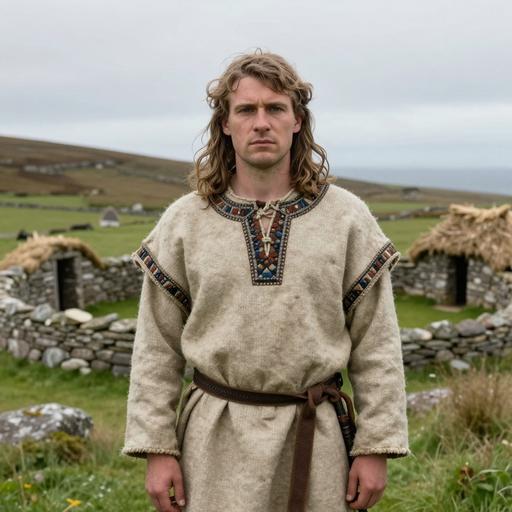
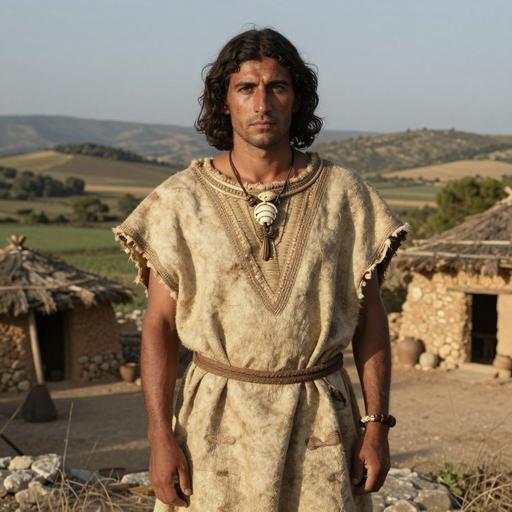
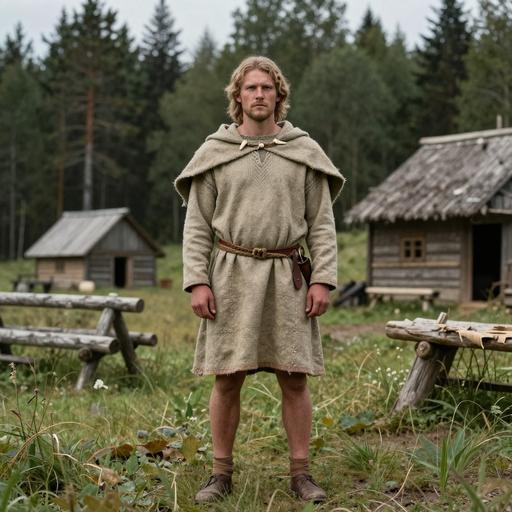
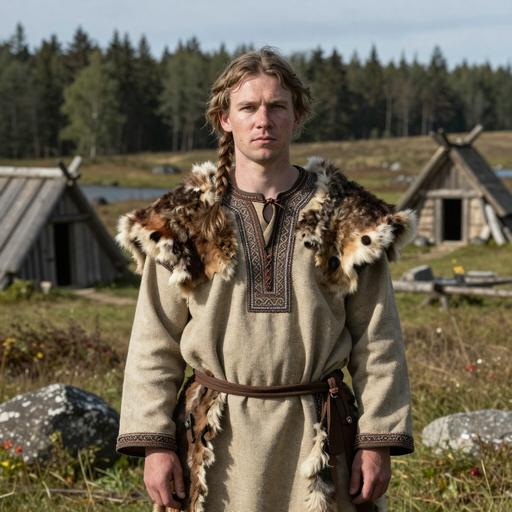
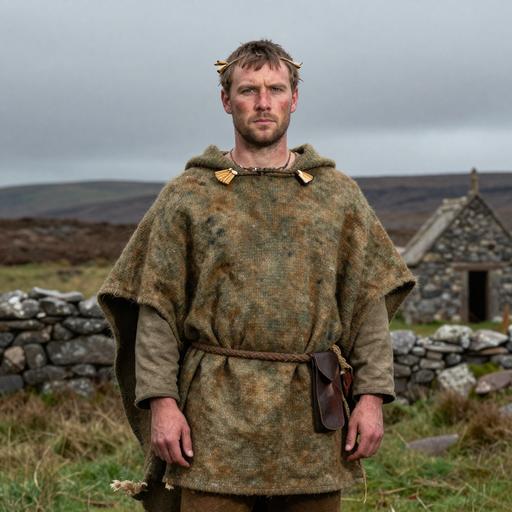
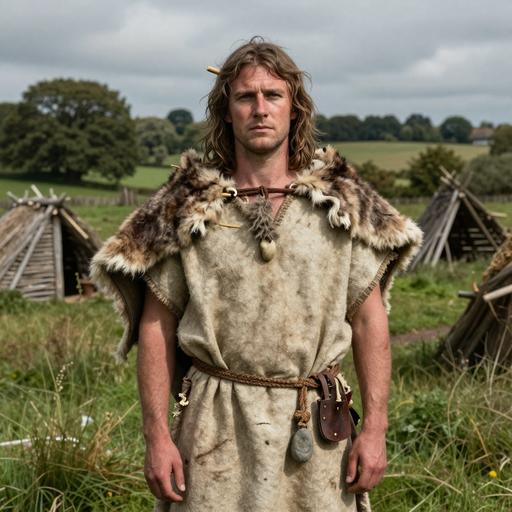
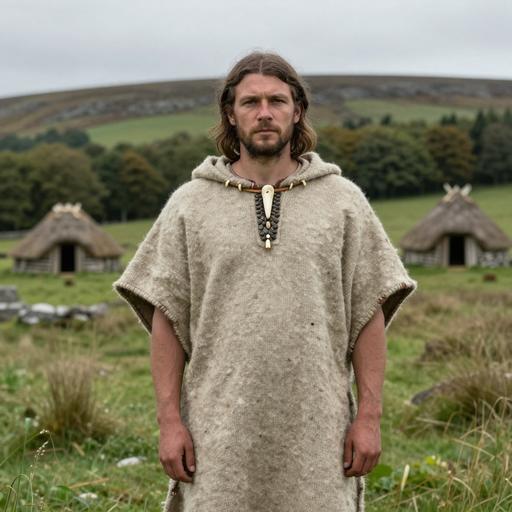
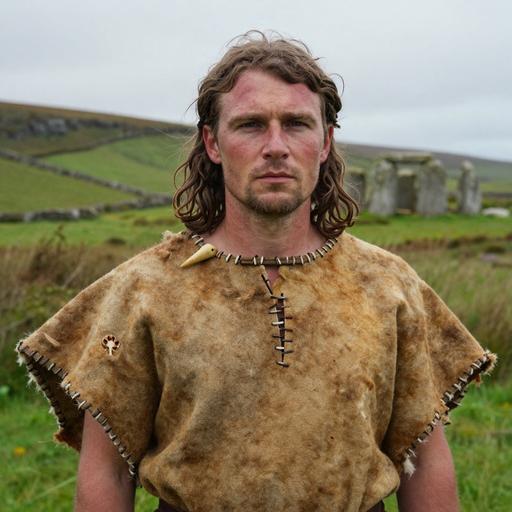
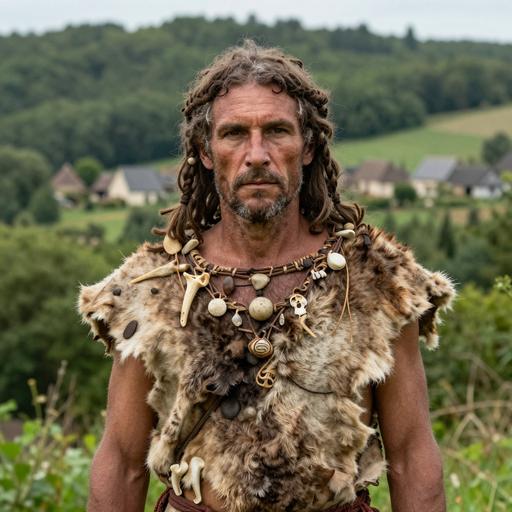
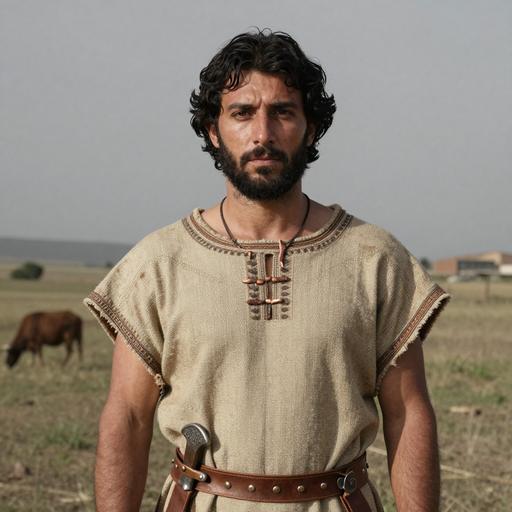
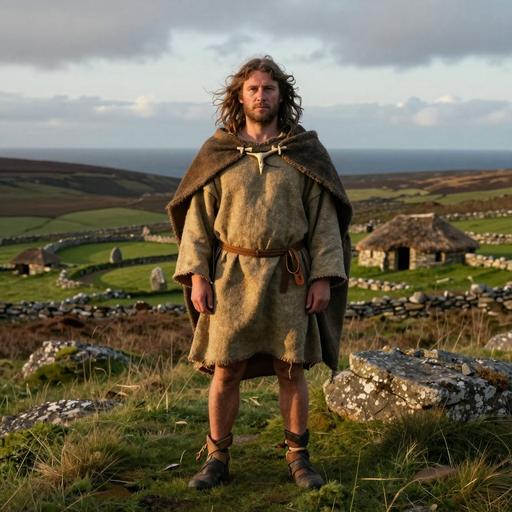
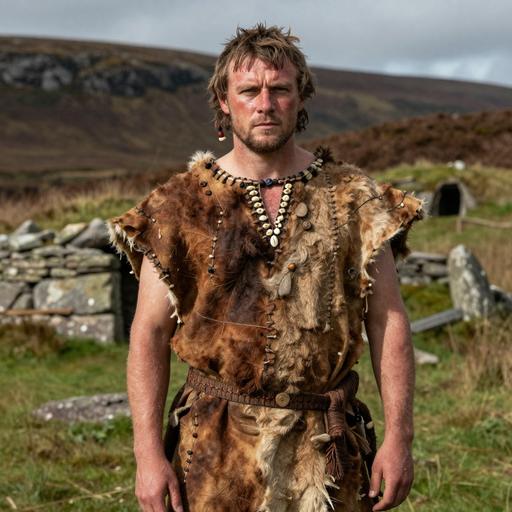
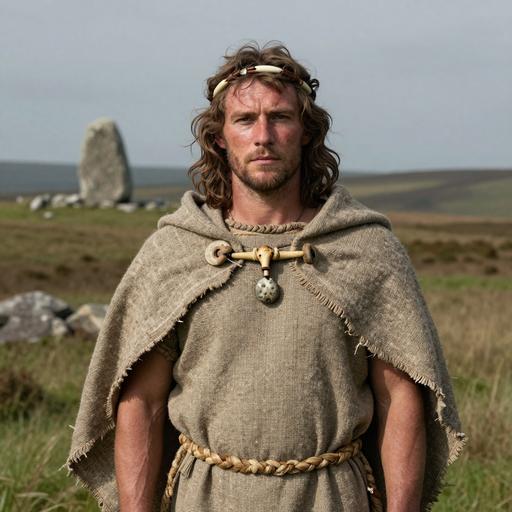
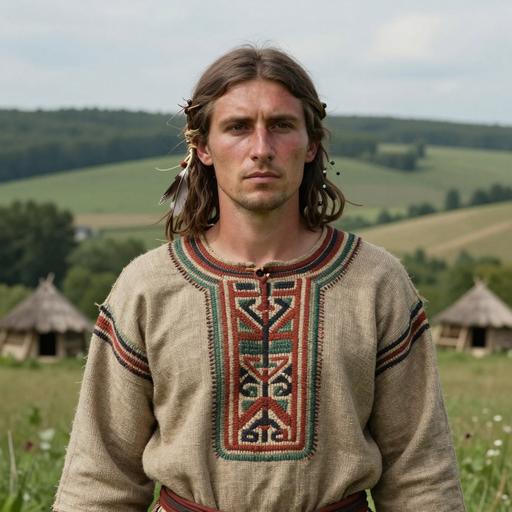
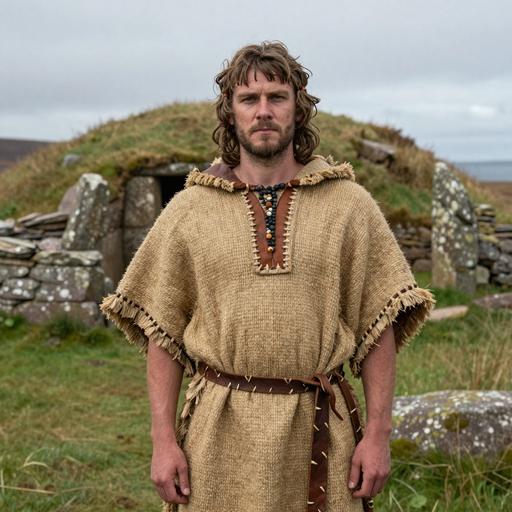
Los retratos son ilustraciones generadas con IA. Las etiquetas de muestra y los identificadores de acceso identifican los registros de referencia.

Retrato Muestra País Época Fecha Cultura Y-DNA Coincidencia
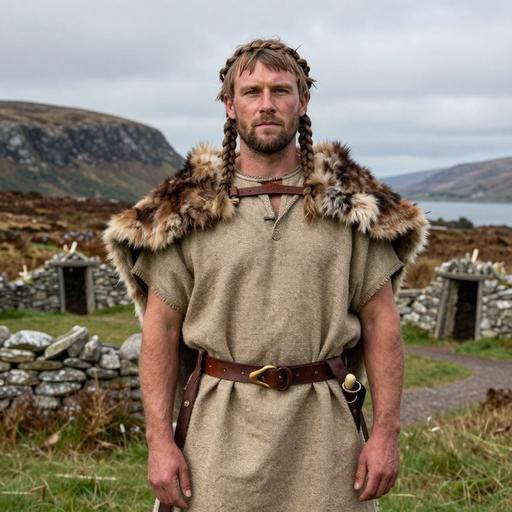
Retrato ilustrativo de Celtic individual, Scotland. Orkney. Isbister, United Kingdom (2,572-2,348 BCE) generado con IA
Identificador de muestra: I2932
United Kingdom Scotland N 2572 BCE - 2348 BCE Scottish Neolithic I2a1a2 Direct
Retrato ilustrativo de Scotland N individual, Scotland. Orkney. Isbister, United Kingdom (2,618-2,461 BCE) generado con IA
Identificador de muestra: I2630
United Kingdom Scotland N 2618-2461 calBCE (3999±32 BP, SUERC-68632) Scottish Neolithic I2a1a2 Direct
Retrato ilustrativo de Scotland N individual, Scotland. Orkney. Quoyness, United Kingdom (3,263-2,905 BCE) generado con IA
Identificador de muestra: I2631
United Kingdom Scotland N 3263-2905 calBCE (4384±36 BP, SUERC-68633) Scottish Neolithic I2a1a2 Direct
Retrato ilustrativo de SE Iberia individual, Murcia. Caravaca. Camino del Molino, Spain (3,300-2,300 BCE) generado con IA
Identificador de muestra: CDM004
Spain Chalcolithic Southeast Iberia 3300-2300 BCE Southeast Iberian Chalcolithic I2a1a2 Direct
Retrato ilustrativo de N individual, Frälsegården, Sweden (3,324-3,020 BCE) generado con IA
Identificador de muestra: FRA009
Sweden Northern Swedish Frälsegården 3324-3020 calBCE (4445±15 BP; UCIAMS-278081) Frälsegården I2a1a2 Direct
Retrato ilustrativo de Scotland N individual, Scotland. Highland. Embo, United Kingdom (3,331-3,022 BCE) generado con IA
Identificador de muestra: I19286
United Kingdom Scotland N 3331-3022 calBCE (4455±22 BP, SUERC-95467) Scottish Neolithic I2a1a2 Direct
Retrato ilustrativo de N individual, Frälsegården, Sweden (3,332-3,026 BCE) generado con IA
Identificador de muestra: FRA004
Sweden Northern Swedish Frälsegården 3332-3026 calBCE (4460±20 BP; UCIAMS-278073) Frälsegården I2a1a2 Direct
Retrato ilustrativo de Scotland N individual, Scotland. Orkney. Isbister, United Kingdom (3,334-2,935 BCE) generado con IA
Identificador de muestra: I2979
United Kingdom Scotland N 3334-2935 calBCE (4447±29 BP, SUERC-68726) Scottish Neolithic I2a1a2 Direct
Retrato ilustrativo de England N individual, England. Northampton. Banbury Lane, United Kingdom (3,360-3,100 BCE) generado con IA
Identificador de muestra: I0519
United Kingdom England N 3400-3100 BCE British Neolithic I2a1a2 Direct
Retrato ilustrativo de Celtic individual, Scotland. Orkney. Rousay. Midhowe, United Kingdom (3,364-3,102 BCE) generado con IA
Identificador de muestra: mid001
United Kingdom Megalithic Scotland 3364 BCE - 3102 BCE Scottish Megalithic I2a1a2 Direct
PATERNAL LINAJE · ADN ANTIGUO

Mapa de pruebas de linajes antiguos

Sigue los clados superiores hasta esta rama y explora dónde se encontraron portadores antiguos.

Cargando observaciones antiguas...

Los marcadores son ubicaciones de hallazgos arqueológicos. Una línea discontinua representa una transición geográfica propuesta e incierta entre ramas consecutivas, apoyada en varias observaciones fechadas; no es una ruta de viaje exacta, un lugar de nacimiento ni una prueba de descendencia directa. Las muestras del clado parental pueden pertenecer a otras ramas descendientes. Se mantienen huecos cuando las pruebas son insuficientes. Las fechas de las muestras son distintas de las fechas de formación de los haplogrupos.

Perfil de referencia

Mapa de distribución de portadores

Distribución geográfica de muestras de ADN antiguo (44), portadores directos o de subclados de I2A1A2

Portador directo Portador de un subclado
Filtro de periodo temporal
Todos los periodos
Mostrando todas las muestras
Perfil de referencia

Distribución temporal

Distribución de portadores por periodos arqueológicos

Perfil de referencia

Distribución geográfica

Recuentos por país registrado de las muestras. Reflejan la selección de referencia disponible, no frecuencias de población.

Perfil de referencia

Distribución por país y época

Compara los recuentos de muestras registradas por países y periodos arqueológicos. Selecciona una celda con datos para examinar una muestra.

Datos

Datos y procedencia

Información sobre las fuentes y la calidad de los datos

Última actualización 2026-06-17
Puntuación de confianza 50/100
Cobertura Low

Fuente de datos

La clasificación, las fechas estimadas y el contexto geográfico reflejan los datos de referencia registrados y pueden cambiar al revisarse las pruebas. La cobertura de muestras es desigual; las ubicaciones registradas y las asociaciones arqueológicas no establecen el origen personal ni la identidad cultural.