Preparando el informe

Cargando la información y las referencias disponibles

Consultando el registro arqueológico...

Recopilando registros antiguos

Saltar al contenido principal
Anatolian Threads: Turkey_C (5000–3000 BCE)
Cultura destacada

Anatolian Threads: Turkey_C (5000–3000 BCE)

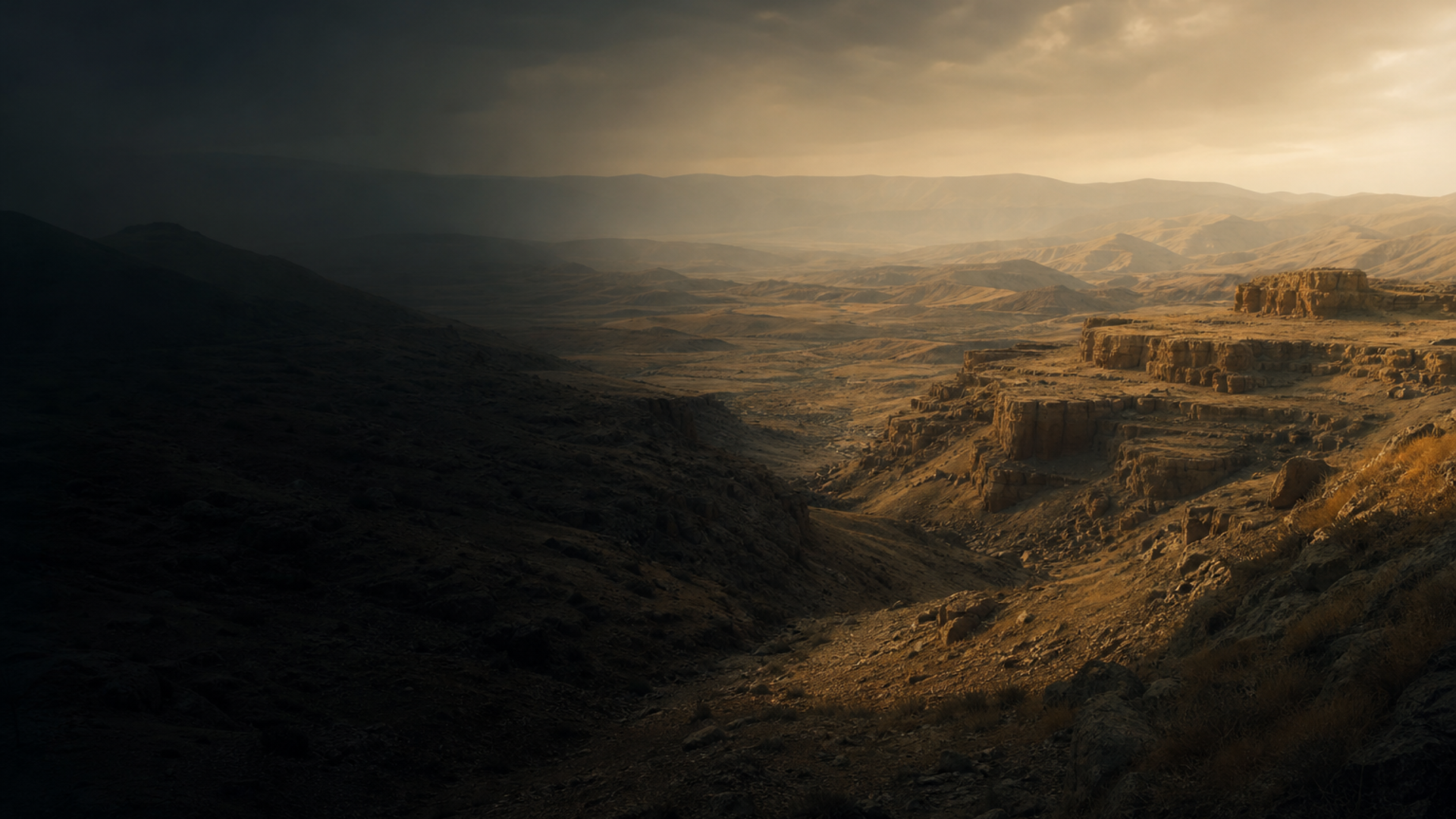
A fragile tapestry of Marmara and southeastern Anatolia, seen through archaeology and ancient DNA.

5000 CE - 3000 BCE
Northwest & Southeast Anatolia (Turkey)
Desplázate para empezar
Capítulo I

La historia

Comprender la cultura Anatolian Threads: Turkey_C (5000–3000 BCE)

Turkey_C represents small, early-to-mid Chalcolithic communities in northwest and southeast Anatolia (5000–3000 BCE). Archaeology and six ancient genomes hint at continuity with Anatolian farmers; mtDNA diversity suggests local maternal lineages. Conclusions remain preliminary given the small sample set.

Time Period

5000–3000 BCE

Region

Northwest & Southeast Anatolia (Turkey)

Common Y-DNA

Undetermined / limited data

Common mtDNA

U (2), K (1), H (1), J (1), N (1)

Capítulo II

Cronología

Momentos clave de la historia de esta cultura

2500 BCE

Late Chalcolithic settlements flourish

Communities at Barcın, Ilıpınar and Oylum Höyük exhibit settled agriculture, craft specialization, and exchange; genetic samples from this span show mainly Anatolian farmer-related ancestry (preliminary).

Capítulo III

Origins & Emergence

Archaeological data indicates that Turkey_C communities occupied a geographic sweep from the Marmara region to parts of southeastern Anatolia between roughly 5000 and 3000 BCE. Site names associated with the dataset include Barcın (Marmara), Ilıpınar (Orhangazi, Bursa) and Oylum Höyük (Kilis). Material culture at these sites—domestic architecture, polished stone tools, and regional ceramic styles—fits within the longer arc of Anatolian Neolithic and Chalcolithic development.

Genetic signals from six genomes suggest strong continuity with earlier Anatolian farmer populations: this aligns with archaeological models that view Anatolia as a long-lived center of agricultural communities rather than a patchwork of recent incomers. At the same time, limited evidence hints at occasional contacts beyond Anatolia, consistent with known trade and exchange networks in the Chalcolithic.

Because the genetic sample is small, interpretations about population movements, social structure, or precise origins must remain cautious. Future sampling across more sites and contexts will be needed to clarify micro-regional differences and the timing of any external influences.

  • Sites: Barcın, Ilıpınar (Orhangazi), Oylum Höyük
  • Cultural context: Late Neolithic to Chalcolithic Anatolia
  • Evidence points to continuity with Anatolian farming traditions
Capítulo IV

Daily Life & Society

Excavations at Barcın and Ilıpınar reveal settlements organized around long-lived domestic compounds, storage pits and craft areas. Archaeobotanical remains and grinding stones indicate a mixed farming economy: cereals, pulses and secondary products such as olive and vine cultivation appear in the broader region at this time. Oylum Höyük, in the southeast, provides evidence of regional trade connections, sitting at a crossroads between Anatolian highlands and the Levantine corridors.

Material culture—ornamented pottery, personal adornments, and small utilitarian tools—suggests households with specialized activities and shared aesthetic vocabulary. Burials, though variable, sometimes display carefully arranged grave goods, indicating social differentiation at local scales. Archaeological indicators point to resilient communities that balanced local agro-pastoral lifeways with intermittent long-distance exchange.

Interpretations of social complexity must be tempered by preservation and sampling biases: not all settlement types preserve equally, and our genetic sample size is small, so links between household archaeology and genetic kinship are provisional.

  • Economy: mixed farming with local craft specialization
  • Settlement evidence: compounds, storage, and craft areas
Capítulo V

Genetic Profile

Six ancient genomes attributed to Turkey_C provide a preliminary window into maternal lineages and population ancestry in Chalcolithic Anatolia. The mitochondrial haplogroup distribution in this sample includes U (2), K (1), H (1), J (1), and N (1). These mtDNA lineages are broadly consistent with continuity from Anatolian Neolithic farmer populations and the wider Near Eastern maternal pool. The presence of haplogroup U—often recurring in European and Near Eastern prehistoric contexts—suggests maternal lineages shared across connected regions.

No consistent Y-DNA signature is reported for this small dataset, so paternal patterns remain unresolved. Genome-wide ancestry profiles (limited by sample count) appear to show predominant Anatolian farmer-related ancestry; however, modest signals of admixture from neighboring regions cannot be ruled out. Given only six genomes, any claims about regional population structure, sex-biased migration, or demographic shifts must be treated as tentative. Further sampling—especially male individuals and chronologically stratified contexts—will be essential to test hypotheses about continuity, incoming gene flow, and the relationship between genetic and archaeological change.

  • mtDNA diversity: U (2), K, H, J, N — consistent with Anatolian/near eastern maternal lineages
  • Sample size (n=6) is small — genetic conclusions are provisional
Capítulo VI

Legacy & Modern Connections

Archaeological continuity in Anatolia across the Neolithic and Chalcolithic eras helped shape the genetic landscape of later populations in the region. The maternal haplogroups observed in Turkey_C echo lineages found in later Anatolian and Near Eastern ancient samples, suggesting a thread of demographic continuity. Cultural innovations—agriculture, craft production and long-distance exchange networks—established during this era set foundations for Bronze Age polities.

Linking ancient genomes to modern populations is complex: millennia of additional migrations, admixture and social changes overlay the signals seen in these early samples. Given the small number of genomes, Turkey_C should be viewed as a preliminary snapshot: evocative of long-term local roots, but not a definitive map of ancestry for any modern group.

  • mtDNA links suggest continuity with later Anatolian maternal lineages
  • Modern ancestry is layered; Turkey_C represents an early, partial snapshot
Con IA

Asistente de IA

Haz preguntas sobre la cultura Anatolian Threads: Turkey_C (5000–3000 BCE)

Asistente de IA por DNAGENICS

Desbloquear esta función
Pregunta sobre la cultura Anatolian Threads: Turkey_C (5000–3000 BCE). El asistente con IA puede explicar hallazgos genéticos, contexto histórico, pruebas arqueológicas y conexiones modernas, con sus límites de interpretación.
Ejemplo de análisis con IA

La cultura Anatolian Threads: Turkey_C (5000–3000 BCE) representa un capítulo de la historia humana...

El análisis genético permite estudiar similitudes con poblaciones anteriores y posibles adaptaciones. Las muestras de ADN antiguo aportan información para investigar patrones migratorios y relaciones entre poblaciones, con límites que dependen del estudio y del contexto arqueológico.

Esta es una vista previa del análisis con IA. Accede al asistente completo para explorar información sobre:

  • Composición y similitud genética
  • Patrones migratorios y orígenes
  • Vida cotidiana y prácticas culturales
  • Contexto genético moderno

Explora más culturas antiguas

Descubre la historia de civilizaciones de distintas partes del mundo antiguo




