Preparando el informe

Cargando la información y las referencias disponibles

Consultando el registro arqueológico...

Recopilando registros antiguos

Saltar al contenido principal
Danish Threads: Bones and Coastlines
Cultura destacada

Danish Threads: Bones and Coastlines

A millennia-spanning portrait linking archaeological sites and DNA from Neolithic to Post‑Medieval Denmark.

4247 BCE - 1806 CE
Denmark (South Scandinavia)
29 Muestras antiguas
Desplázate para empezar
Capítulo I

La historia

Comprender la cultura Danish Threads: Bones and Coastlines

Sixty ancient Danish genomes (4247 BCE–1806 CE) connect burial mounds, bog deposits and coastal sites to shifting ancestries. Archaeology and DNA together reveal farmer arrivals, later steppe influence, and long-term maternal continuity in southern Scandinavia.

Time Period

4247 BCE – 1806 CE

Region

Denmark (South Scandinavia)

Common Y-DNA

I (23), R (9), I1 (2), A1 (1), Q (1)

Common mtDNA

K (12), H (11), U (9), J (4), T (3)

Capítulo II

Cronología

Momentos clave de la historia de esta cultura

4247 BCE

Earliest sampled Neolithic individual

First dated genome in this collection comes from the Early Neolithic, anchoring farmer presence in southern Scandinavia.

2500 BCE

3rd millennium transformations

Archaeological and genetic signals show increased contacts and admixture consistent with wider North European shifts in the 3rd millennium BCE.

1806 CE

Latest Post‑Medieval sample

The most recent individual provides a bridge to documented historic populations and modern ancestry.

Capítulo III

Origins & Emergence

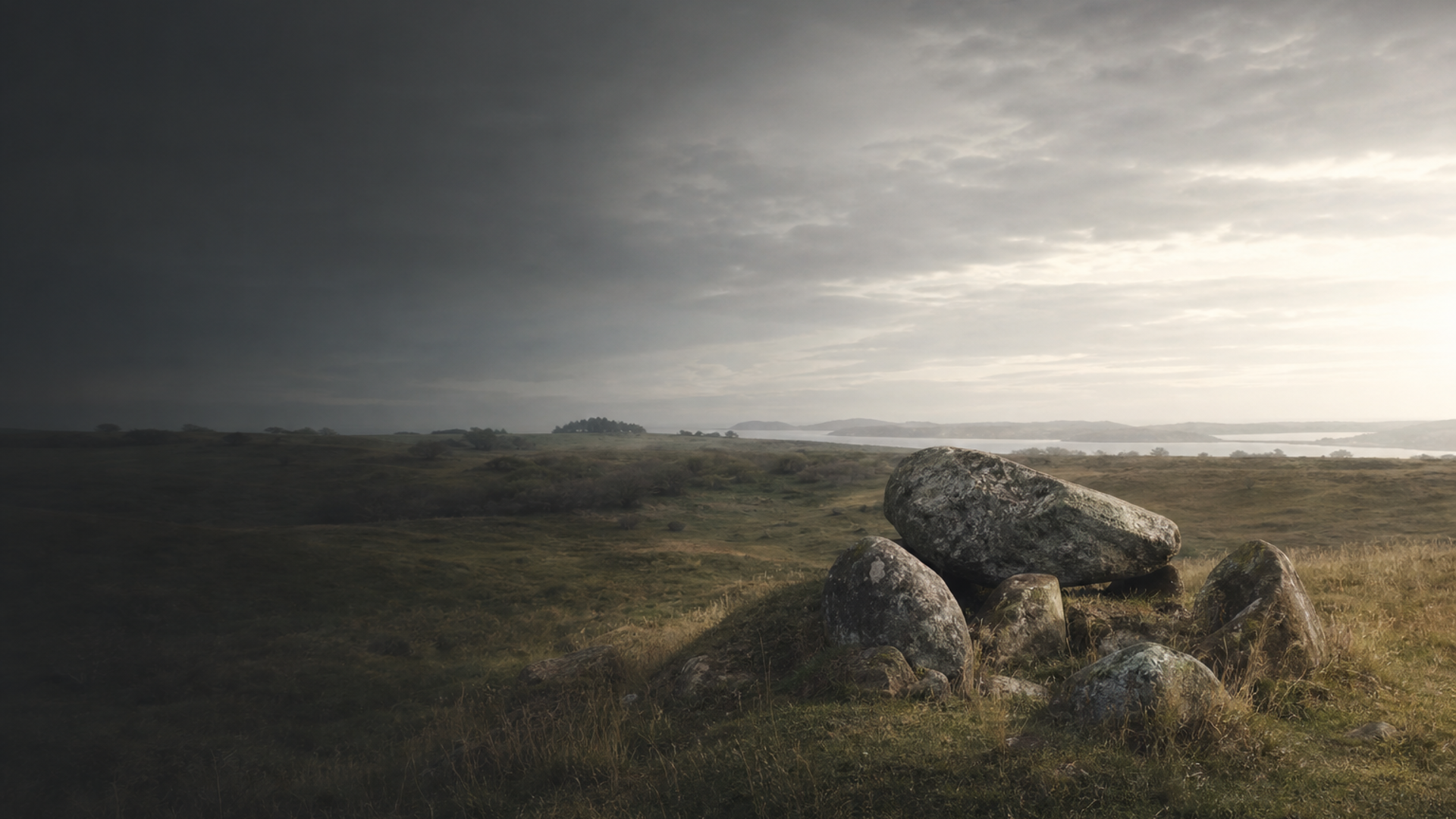
The Danish profile in this dataset begins in the Early Neolithic (first sampled individual at 4247 BCE) and stretches through Late Prehistoric and historic periods. Archaeological contexts sampled here span coastal settlements, inland burial grounds and peatland deposits — sites such as Vor Frue Kirkegård (Aalborg), Jorløse Mose and Salpetermosen syd 8 preserve human remains, funerary goods and environmental traces that anchor genetic signals in place.

Archaeological data indicates that the earliest Neolithic communities in southern Scandinavia combined mixed farming with continued use of marine resources. Material culture links to the Funnel Beaker (TRB) horizon are visible in pottery forms and megalithic tombs across Zealand and Jutland. Limited evidence suggests increasing interaction with continental networks by the late 3rd millennium BCE, a period that coincides with genetic shifts observed in other parts of northern Europe.

Because sampling is concentrated in particular cemetery and bog sites, patterns of emergence must be treated with care: the archaeological record is regionally varied, and local traditions could differ from broader South Scandinavian trajectories. Nonetheless, when skeletal provenience, radiocarbon dates and material culture are combined with DNA, a more textured picture of early Danish lifeways and demographic processes emerges.

  • Earliest sampled individuals date to 4247 BCE (Early Neolithic).
  • Sites include coastal, cemetery and peatland contexts across Zealand and Jutland.
  • Archaeological and genetic data together reveal farmer arrival and later interactions.
Capítulo IV

Daily Life & Society

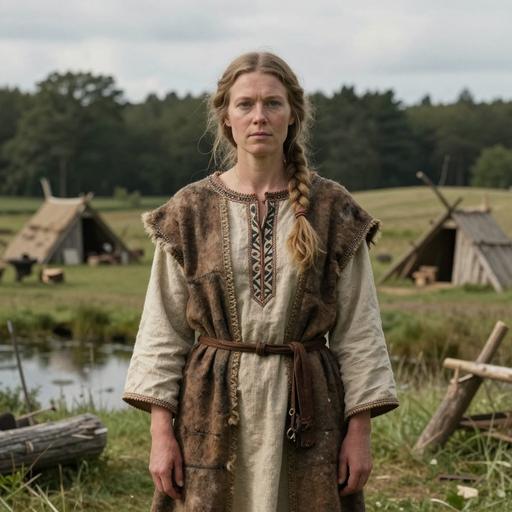
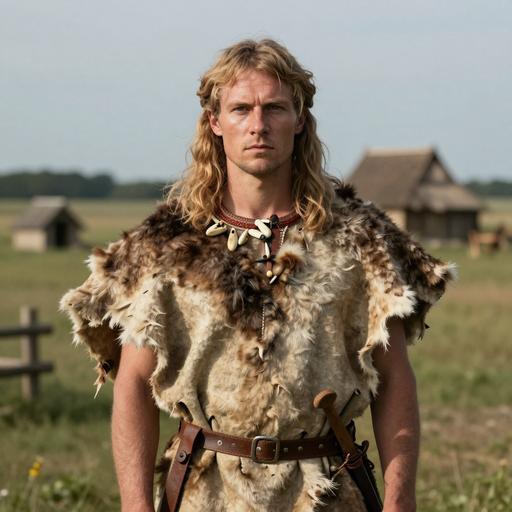
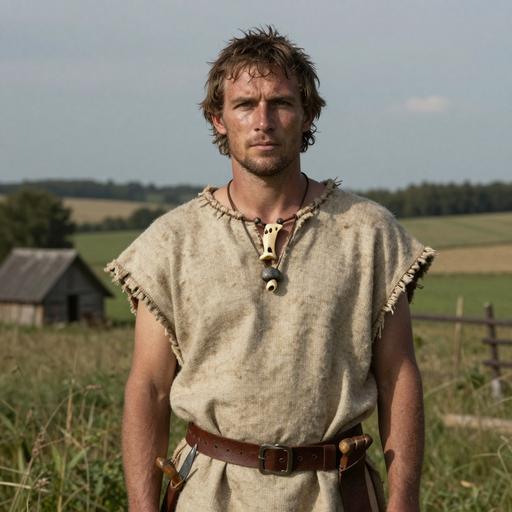
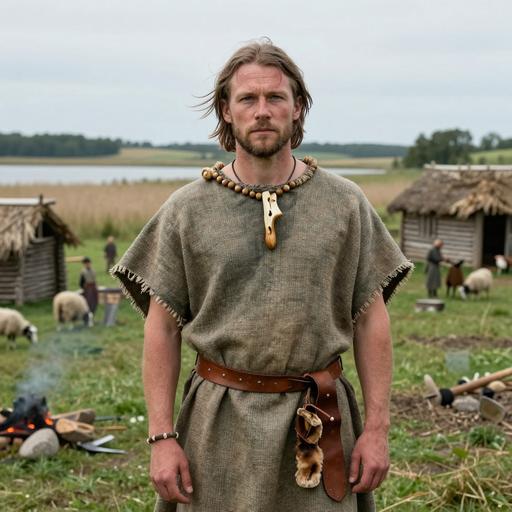
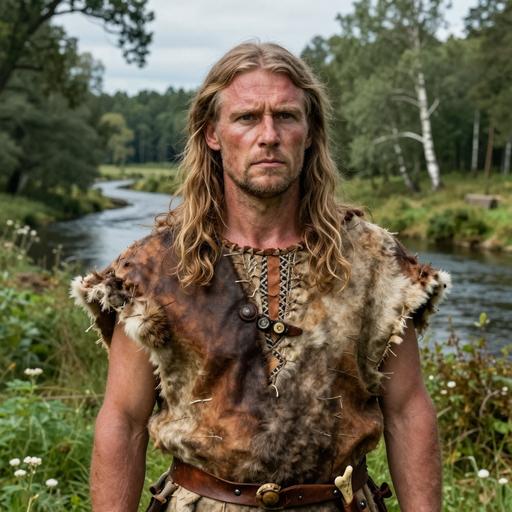
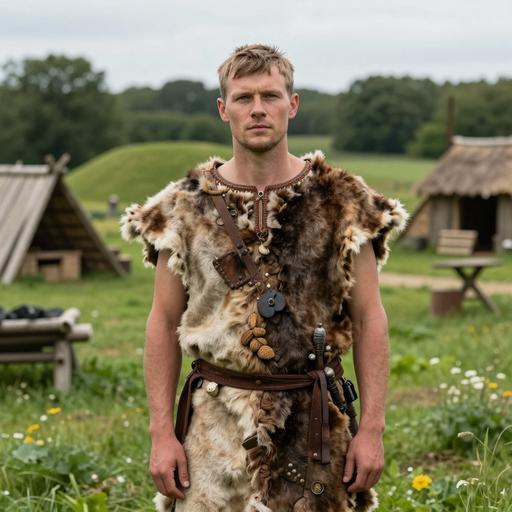
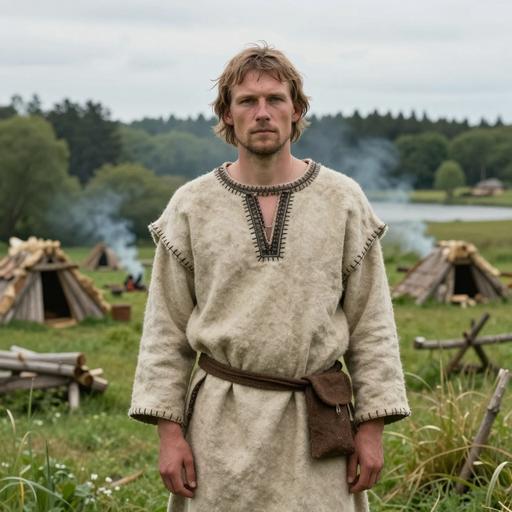
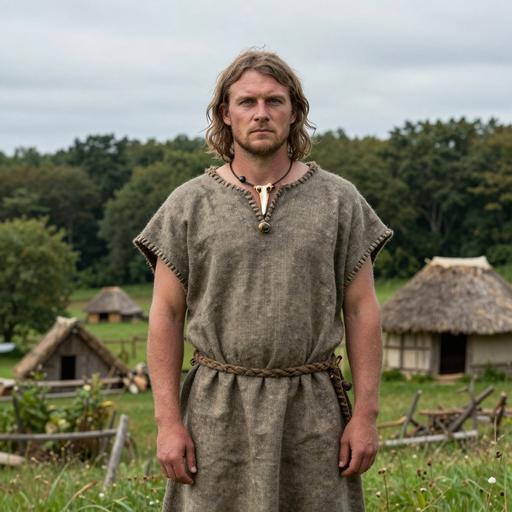
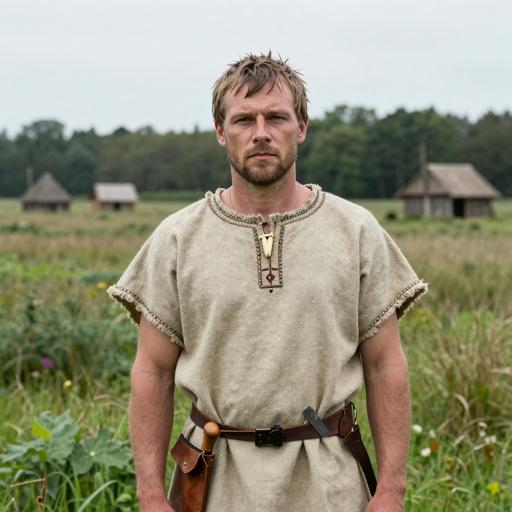
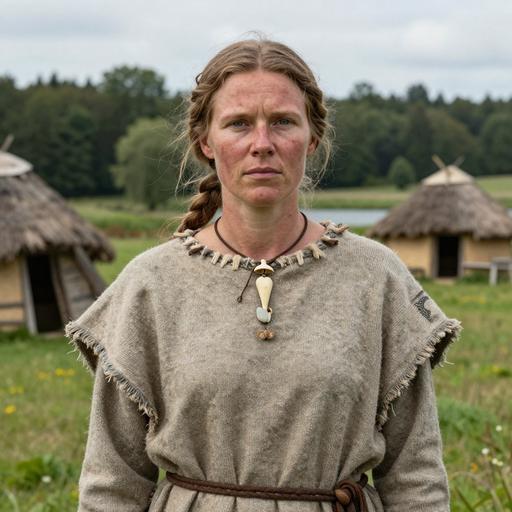
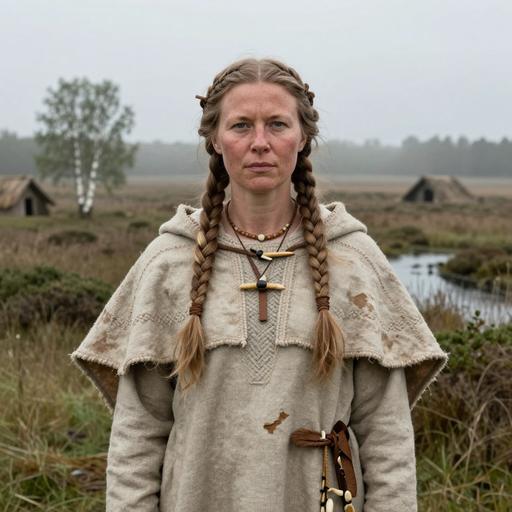
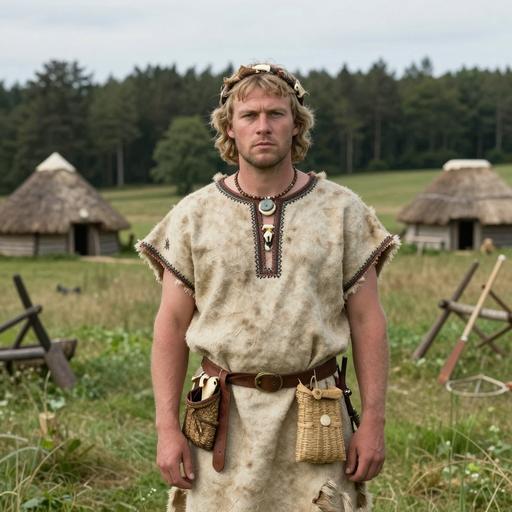
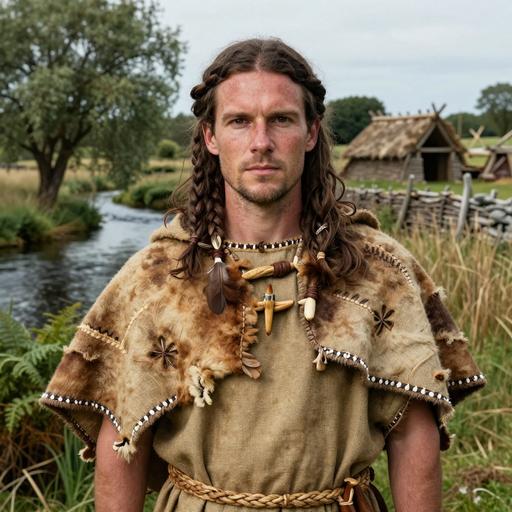
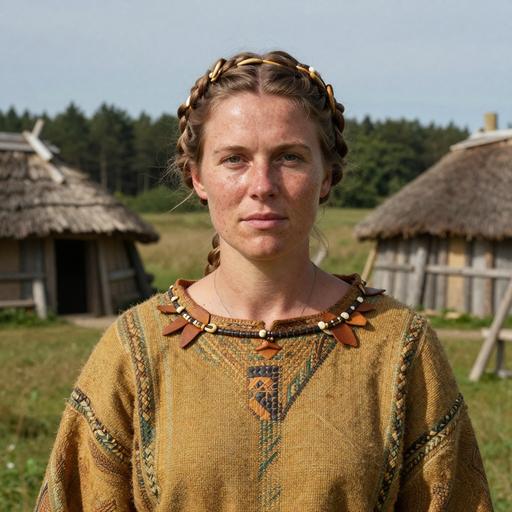
Everyday life in ancient Danish communities balanced land and sea. Archaeobotanical remains from settlement sites show cultivation of cereals and pulses, while fish bones and shell middens attest to intensive marine foraging and coastal fishing. Burial contexts sampled — from churchyard graves at Vor Frue Kirkegård to bog interments at Salpetermosen — preserve a range of mortuary behaviors suggesting varying social identities and ritual practices.

Peatland deposits (e.g., Jorløse Mose and Salpetermosen syd 8) often preserve organic items and human bone in exceptional condition, giving direct windows into clothing, wooden tools and sometimes healed injuries. Hilltop and flatland cemeteries in Jutland (Vittrup, Rude, Bygholm Nørremark) show long-term use and reuse, indicating persistent territorial claims or ancestral veneration. Trade and mobility are implied by exotic raw materials and stylistic links to the wider Baltic and North Sea worlds.

Archaeological evidence indicates a society that adapted technologies to a variable environment, with social differentiation expressed through grave goods and depositional choices. However, many interpretations remain provisional where context is fragmented or excavation records are incomplete.

  • Mixed farming and intensive marine resource use shaped diets and settlements.
  • Bog and cemetery contexts provide exceptional preservation of organic and ritual items.
Capítulo V

Genetic Profile

The genetic dataset of 60 individuals provides a moderate sample size for southern Scandinavia and reveals recurring patterns across millennia. Y-chromosome lineages are dominated by haplogroup I (23 counts), with lesser representation of R (9), I1 (2), and rare occurrences of A1 and Q (1 each). Mitochondrial diversity centers on K (12), H (11), U (9), J (4) and T (3). These maternal and paternal markers reflect a complex demographic history.

Archaeogenetic interpretation aligns with established regional models: high frequencies of mtDNA K and H are consistent with substantial Neolithic farmer ancestry persisting in maternal lines, while increased presence of Y-lineage R in later samples is compatible with steppe-related influxes documented elsewhere during the 3rd millennium BCE. The prominence of haplogroup I, particularly in earlier periods, resonates with long-standing northern European male lineages. Because subclade resolution for R and I is incomplete here, care is needed before assigning precise migratory sources.

The sample count allows detection of broad trends but geographic clustering of sites (Zealand and Jutland focus) makes it important to avoid overgeneralizing to the whole Danish archipelago. Where sample numbers per phase are small, conclusions should be considered preliminary. Still, the combined archaeological contexts — bog deposits, churchyards and burial mounds — strengthen inferences about continuity and episodic admixture in Danish prehistory.

  • Moderate sample size (60) shows dominance of Y-haplogroup I and maternal K/H lineages.
  • Genetic shifts in the 3rd millennium BCE align with archaeological evidence for broader interaction.
Capítulo VI

Legacy & Modern Connections

The long span of these samples — from the Early Neolithic into the Post‑Medieval period (latest sample 1806 CE) — reveals both continuity and change that feed into the genetic landscape of modern Denmark. Maternal lineages common in the dataset (K, H, U) persist in northern European populations, while paternal diversity reflects episodes of migration and social restructuring. Archaeological markers of identity, such as burial rites and monument building, have left durable cultural footprints in the Danish landscape.

Genetic data contextualizes how local communities absorbed new ancestries without wholesale replacement: rather than singular invasions, the record points to pulses of admixture layered onto established populations. For present-day ancestry interpretation, these results emphasize regional complexity — modern Danes carry deep local roots alongside layers of later admixture. As further sampling from underrepresented islands and rural contexts is added, our understanding of continuity, mobility and cultural transmission in Denmark will sharpen.

  • Modern Danish ancestry reflects long-term maternal continuity plus episodic male-mediated admixture.
  • Ongoing sampling from varied locales is needed to refine regional narratives.
Capítulo VII

Catálogo de muestras

29 muestras de ADN antiguo asociadas con la cultura Danish Threads: Bones and Coastlines que aportan datos de referencia sobre las poblaciones de este periodo.

29 / 29 muestras
Retrato Muestra País Época Fecha Cultura Sexo ADN-Y ADNmt
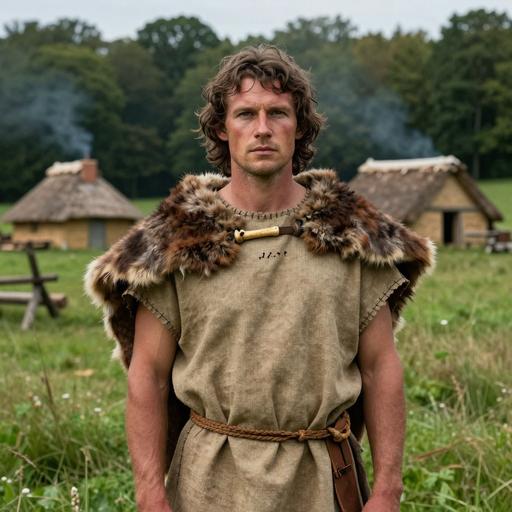
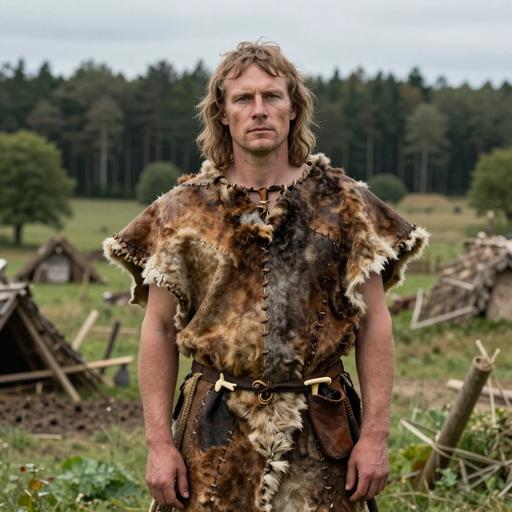
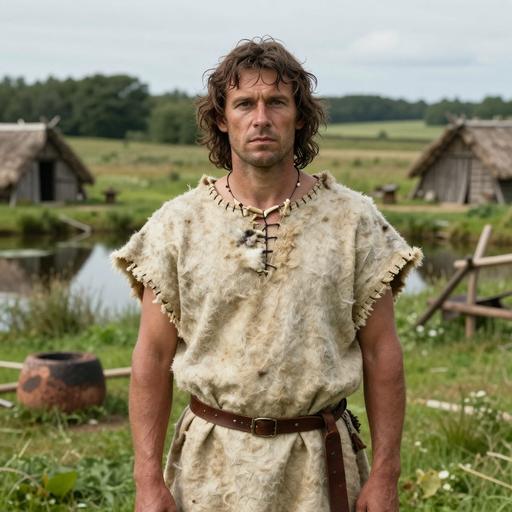
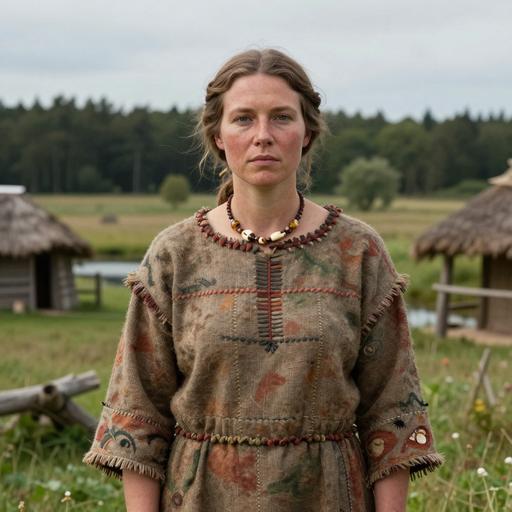
Retrato reconstruido de EN individual, Denmark
EN individual, Denmark
Denmark Denmark_SouthScandinavia_EN 3699-3528 calBCE (4838±29 BP, UBA-37876) Danish M A1 J2a1a1a
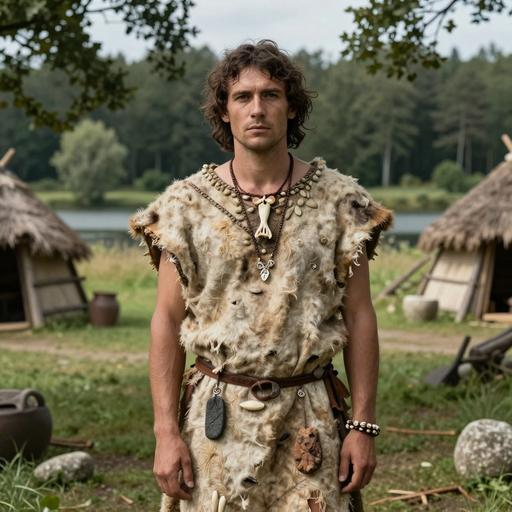
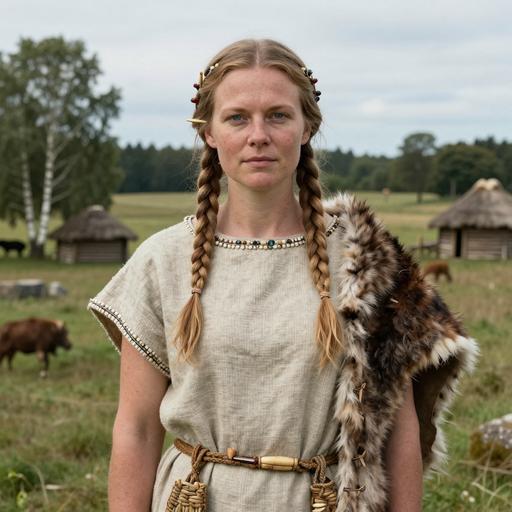
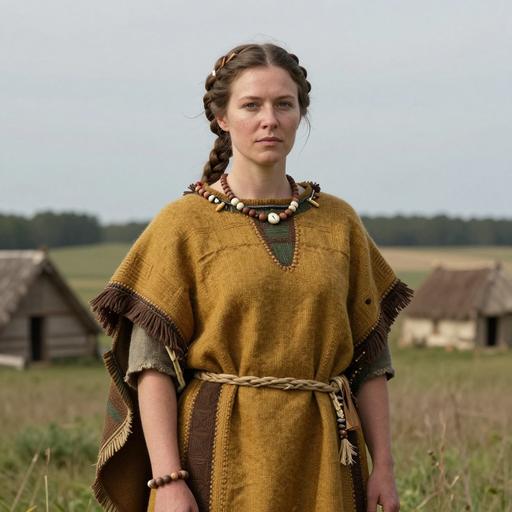
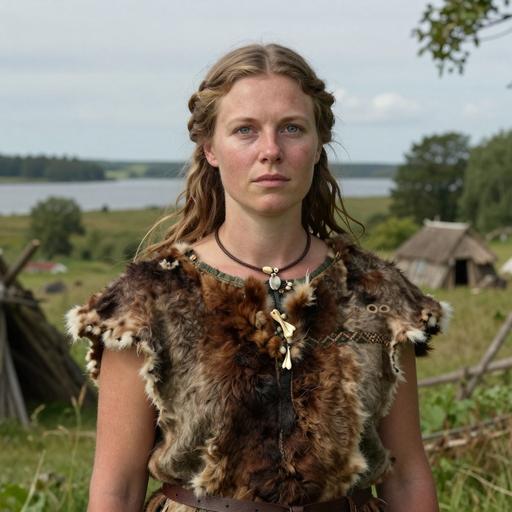
Retrato reconstruido de EN individual, Denmark
EN individual, Denmark
Denmark Denmark_SouthScandinavia_EN 3770-3635 calBCE (4901±37 BP, UCIAMS-232708) Danish M I-Y5334 J2a1a1a
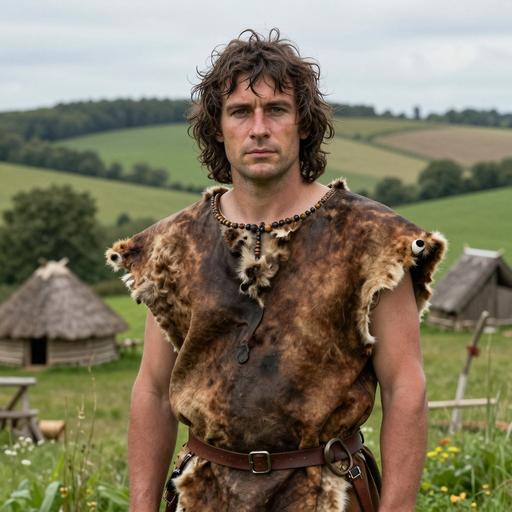
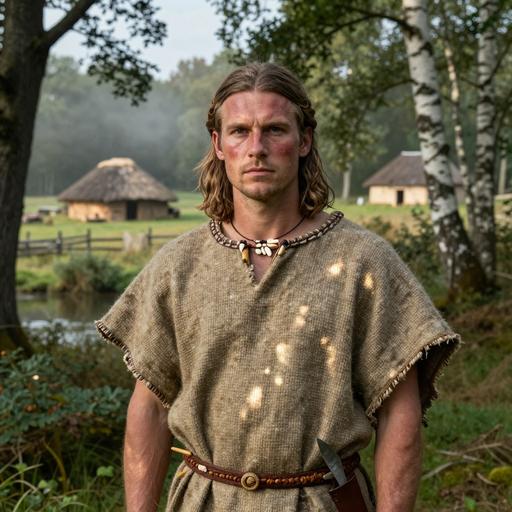
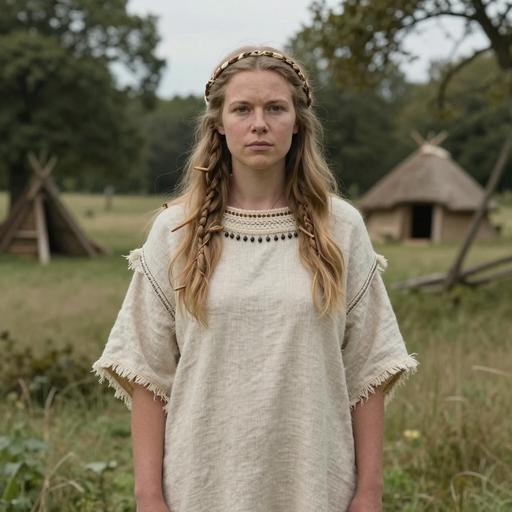
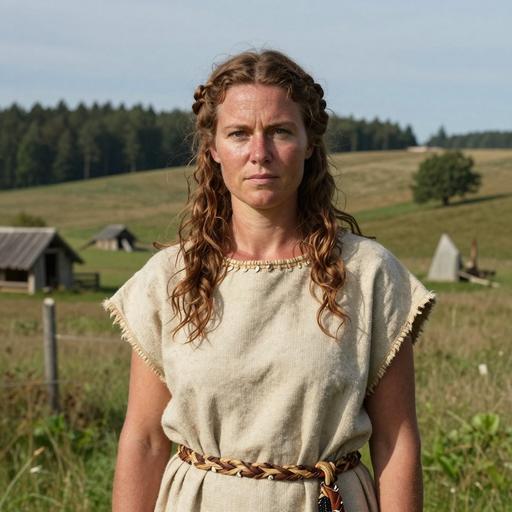
Retrato reconstruido de EN individual, Denmark
EN individual, Denmark
Denmark Denmark_SouthScandinavia_EN 3700-3527 calBCE (4836±35 BP, UBA-38227) Danish M I-L161 J1c3j
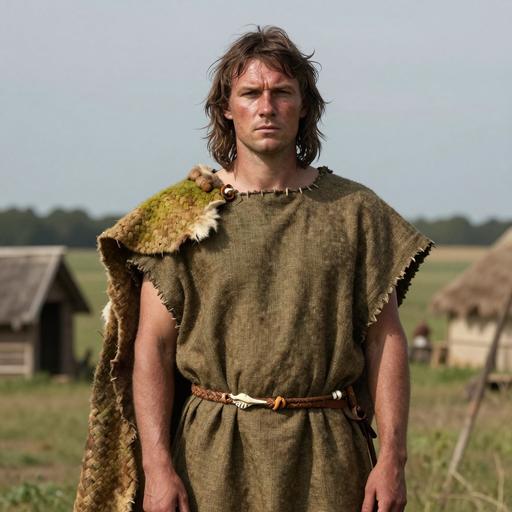
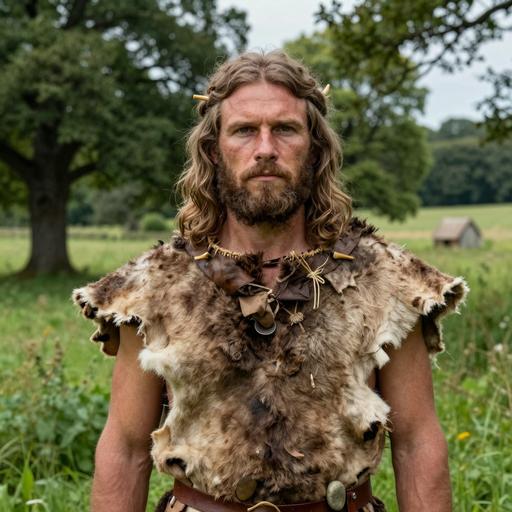
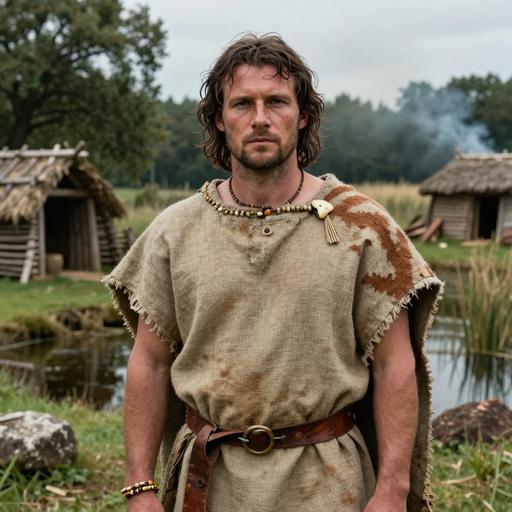
Retrato reconstruido de EN individual, Denmark
EN individual, Denmark
Denmark Denmark_SouthScandinavia_EN 3516-3353 calBCE (4629±31 BP, UBA-40108) Danish M I-L161 U5b3
Retrato reconstruido de EN individual, Denmark
EN individual, Denmark
Denmark Denmark_SouthScandinavia_EN 3652-3527 calBCE (4828±35 BP, UBA-38228) Danish F - H2a2a
Retrato reconstruido de EN individual, Denmark
EN individual, Denmark
Denmark Denmark_SouthScandinavia_EN 3709-3642 calBCE (4910±15 BP, UCIAMS-232705) Danish M I-L161 J1c
Retrato reconstruido de EN individual, Denmark
EN individual, Denmark
Denmark Denmark_SouthScandinavia_EN 3515-3041 calBCE (4570±60 BP, K-3746/ACQ59:8+38) Danish M I-L161 U5b1b2
Retrato reconstruido de EN individual, Denmark
EN individual, Denmark
Denmark Denmark_SouthScandinavia_EN 3946-3780 calBCE (5041±13 BP, UCIAMS-232706; K-6303; Poz-17006; AAR-11312) Danish F - K1a2b
Retrato reconstruido de EN individual, Denmark
EN individual, Denmark
Denmark Denmark_SouthScandinavia_EN 3363-3099 calBCE (4523±37 BP, AAR-10248) Danish M I-M423 U5b2a1b
Retrato reconstruido de EN-o WHG individual, Denmark
EN-o WHG individual, Denmark
Denmark Denmark_SouthScandinavia_EN 4247-4054 calBCE (5333±14 BP) Danish M I-S21825 K1e
Con IA

Asistente de IA

Haz preguntas sobre la cultura Danish Threads: Bones and Coastlines

Asistente de IA por DNAGENICS

Desbloquear esta función
Pregunta sobre la cultura Danish Threads: Bones and Coastlines. El asistente con IA puede explicar hallazgos genéticos, contexto histórico, pruebas arqueológicas y conexiones modernas, con sus límites de interpretación.
Ejemplo de análisis con IA

La cultura Danish Threads: Bones and Coastlines representa un capítulo de la historia humana...

El análisis genético permite estudiar similitudes con poblaciones anteriores y posibles adaptaciones. Las muestras de ADN antiguo aportan información para investigar patrones migratorios y relaciones entre poblaciones, con límites que dependen del estudio y del contexto arqueológico.

Esta es una vista previa del análisis con IA. Accede al asistente completo para explorar información sobre:

  • Composición y similitud genética
  • Patrones migratorios y orígenes
  • Vida cotidiana y prácticas culturales
  • Contexto genético moderno

Explora más culturas antiguas

Descubre la historia de civilizaciones de distintas partes del mundo antiguo