Saltar al contenido principal
Cultura destacada

Echoes of Medieval Albania

Two burials from Shtikë and Kënetë link archaeology and ancient DNA in the 8th–10th centuries CE

773 CE - 989 CE
Albania (Kolonja Plateau, Kukës District)

La historia

Archaeological remains dated 773–989 CE from Shtikë (Kolonja Plateau) and Kënetë (Kukës District) yield mtDNA H and U. Limited samples (n=2) hint at continuity of European maternal lineages in Medieval Albania; conclusions remain preliminary.

Time Period

773–989 CE

Region

Albania (Kolonja Plateau, Kukës District)

Common Y-DNA

Not reported (no Y-DNA calls, n=2)

Common mtDNA

H (1), U (1)

Cronología

800 CE

Medieval burials at Shtikë and Kënetë

Two radiocarbon-dated burials (773–989 CE) recovered from rural sites in Kolonja Plateau and Kukës District provide early medieval DNA snapshots.

Origins & Emergence

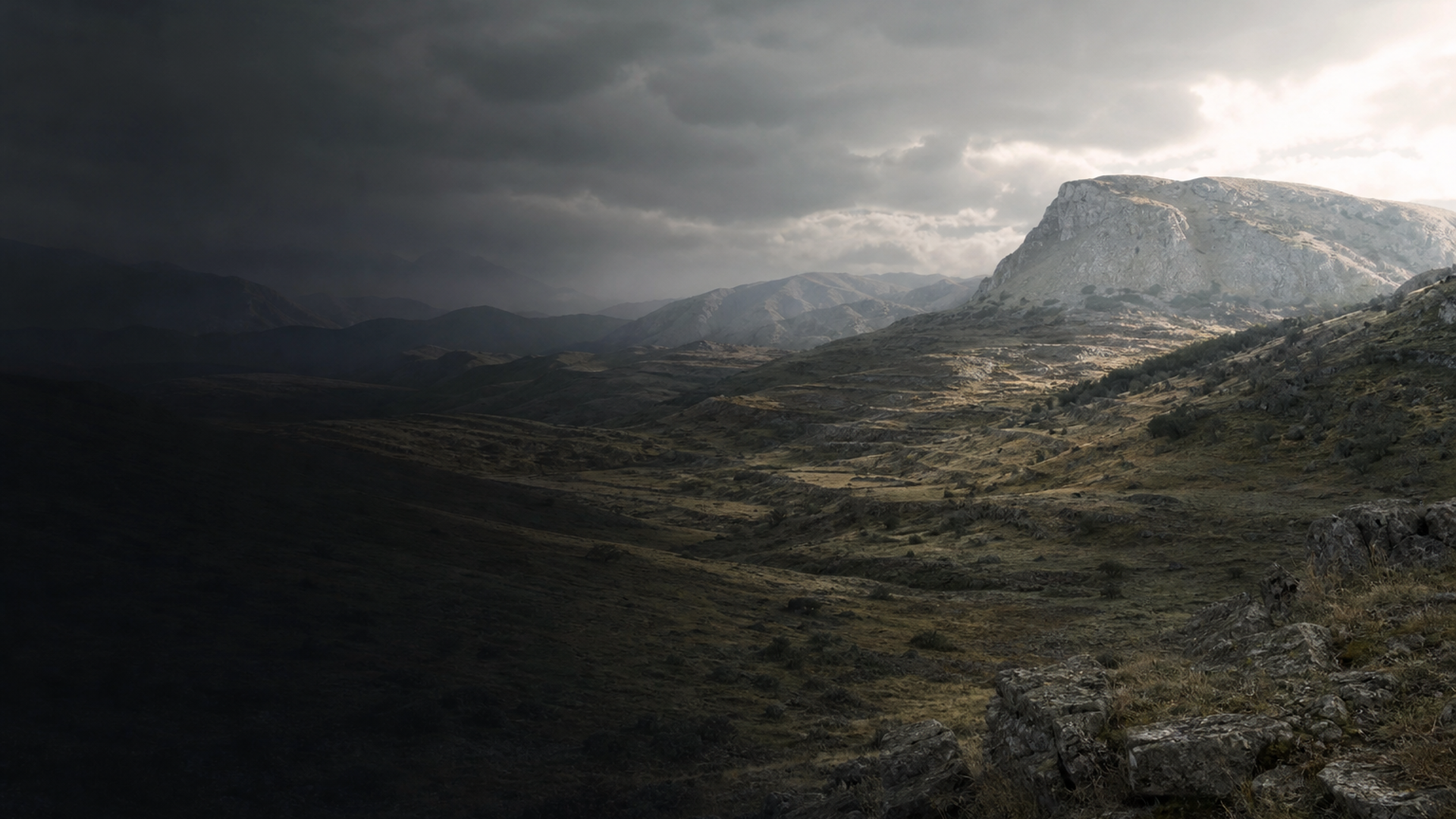
The two individuals dated between 773 and 989 CE come from distinct landscapes of what is now modern Albania: Shtikë on the Kolonja Plateau in the southeast and Kënetë in the Kukës District to the northeast. Archaeological data indicates burial contexts consistent with small rural communities connected to the wider currents of the medieval Balkans rather than large, urban Byzantine centers. Material traces at analogous sites in the region typically show continuity with late antique traditions even as new cultural influences arrive.

Limited evidence suggests these burials reflect local populations negotiating continuity and change amid shifting political frontiers: Byzantine administration, seasonal transhumance, and movements of Slavic and other groups across the interior Balkans. The samples sit squarely in the early medieval horizon when settlement patterns and mortuary practices were regionally diverse. Because only two samples are available, any reconstruction of a local ‘‘origin story’’ must be cautious: they provide valuable, but preliminary, snapshots of population makeup rather than comprehensive portraits of Medieval Albanian origins.

  • Two rural burial sites: Shtikë (Kolonja Plateau) and Kënetë (Kukës District)
  • Dates span 773–989 CE—early medieval period
  • Evidence suggests continuity with late antique local communities

Daily Life & Society

Archaeological indicators from comparable medieval Albanian rural sites point to mixed subsistence economies: small-scale agriculture, pastoralism, and localized craft production. In the upland Kolonja Plateau and the rugged Kukës highlands, seasonal movement of flocks and reliance on valley agriculture would have structured daily life. Burial placement and grave goods (when present at similar sites) often reflect household-based social units rather than grand elite display, suggesting communities where kin groups and agrarian rhythms dominated social organization.

For these specific burials, contextual information—such as grave position, associated artifacts, or signs of trauma or pathology—can deepen interpretation, but in many cases the archaeological record is fragmentary. Archaeologists emphasize multifaceted evidence: landscape surveys, architecture traces, and small finds together reconstruct lived experience. The social world of early medieval Albania was dynamic, shaped by local traditions and occasional long-distance contacts across mountain passes and river valleys, which would have affected trade, marriage networks, and cultural expression.

  • Rural, household-focused communities with mixed agriculture and pastoralism
  • Social life likely organized around kin groups and seasonal rhythms

Genetic Profile

Ancient DNA data from these two burials yields mitochondrial lineages H and U—haplogroups common across Europe in both prehistoric and historic periods. Haplogroup H is widespread in Europe and often interpreted as a marker of long-term maternal continuity in many regions; U comprises several sublineages with deep Paleolithic and Mesolithic presence in Europe. The presence of H and U in these medieval Albanian individuals aligns with broader patterns of European maternal ancestry persisting into the Middle Ages.

No robust Y‑chromosome assignment is recorded for these two samples, so paternal lineage patterns remain undetermined. With only two samples, statistical power is extremely limited: these mtDNA calls can illustrate that common European maternal haplogroups were present regionally, but they cannot define population structure, admixture events, or sex-biased migration on their own. When combined with larger datasets from the Balkans—where ancient and modern DNA show mixtures of local continuity and pulses of gene flow—these finds may ultimately contribute to models of medieval population dynamics. For now, they serve as cautious anchors connecting archaeological contexts in Shtikë and Kënetë to genetic continuity observable across Europe.

  • mtDNA haplogroups: H (1) and U (1) — common European maternal lineages
  • Y-DNA: no reliable calls reported; paternal patterns remain unknown

Legacy & Modern Connections

These two medieval mitochondrial profiles offer a slim but evocative bridge between past and present. Haplogroups H and U are part of the genetic tapestry seen in contemporary populations across Albania and the wider Balkans, indicating threads of maternal continuity that persist through centuries of cultural change. Archaeological continuity in settlement patterns and material culture, together with these mtDNA signals, supports a picture where local lineages remained prominent even as political control and cultural influences shifted.

However, the preliminary nature of the dataset must be emphasized. Small sample counts mean we cannot extrapolate broad demographic narratives; instead, these results illuminate potential directions for further study. Expanded sampling across sites and integration with archaeological context—burial rites, artifact typology, isotopic mobility studies—will be essential to understand how medieval Albanian communities were connected to both local landscapes and wider genetic networks.

  • Maternal lineages found mirror broader European haplogroups seen today
  • Conclusions are preliminary; larger sample sizes are needed for robust links

Asistente de IA

Asistente de IA por DNAGENICS

Desbloquear esta función
Pregunta sobre la cultura Echoes of Medieval Albania. El asistente con IA puede explicar hallazgos genéticos, contexto histórico, pruebas arqueológicas y conexiones modernas, con sus límites de interpretación.
Ejemplo de análisis con IA

La cultura Echoes of Medieval Albania representa un capítulo de la historia humana...

El análisis genético permite estudiar similitudes con poblaciones anteriores y posibles adaptaciones. Las muestras de ADN antiguo aportan información para investigar patrones migratorios y relaciones entre poblaciones, con límites que dependen del estudio y del contexto arqueológico.

Esta es una vista previa del análisis con IA. Accede al asistente completo para explorar información sobre:

  • Composición y similitud genética
  • Patrones migratorios y orígenes
  • Vida cotidiana y prácticas culturales
  • Contexto genético moderno