Preparando el informe

Cargando la información y las referencias disponibles

Consultando el registro arqueológico...

Recopilando registros antiguos

Saltar al contenido principal
Echoes of the Chernyakhiv Plain
Cultura destacada

Echoes of the Chernyakhiv Plain

Late Antique communities in Ukraine revealed through graves, artifacts, and DNA

247 CE - 5353 CE
Central Ukraine (Legedzine, Shyshaky, Komariv-1)
Desplázate para empezar
Capítulo I

La historia

Comprender la cultura Echoes of the Chernyakhiv Plain

Three Chernyakhiv-era burials (247–535 CE) from Legedzine, Shyshaky, and Komariv-1 in Ukraine connect archaeological context with mitochondrial DNA (H, T, H1c). Limited samples make conclusions provisional but evocative of Late Antique population dynamics.

Time Period

247–535 CE (3rd–6th c. CE)

Region

Central Ukraine (Legedzine, Shyshaky, Komariv-1)

Common Y-DNA

Not reported / undetermined (small sample)

Common mtDNA

H, T, H1c (each observed once in 3 samples)

Capítulo II

Cronología

Momentos clave de la historia de esta cultura

247 CE

Dated burial at Legedzine (Grave 20)

Legedzine Grave 20 provides one of three dated samples (247–535 CE), anchoring these Chernyakhiv-associated burials in Late Antiquity.

Capítulo III

Origins & Emergence

The Chernyakhiv horizon across the forest-steppe of modern Ukraine and Moldova is a palimpsest of Late Antique mobility. Archaeological data indicates a florescence of settlement and cemetery complexes from roughly the 2nd through the 5th centuries CE; the three burials sampled here (Legedzine Grave 20; Shyshaky Grave 112; Komariv-1 Grave 3) fall between 247 and 535 CE, situating them at the later edge of that tradition.

Material culture—broadly distributed handmade and wheel-thrown pottery, imported metalwork, and mixed burial practices—suggests communities engaged in long-distance exchange and cultural blending. Limited evidence suggests interaction zones where steppe pastoralist traditions met settled agrarian lifeways. These sites in central Ukraine appear to participate in the same hinterland networks visible elsewhere in Chernyakhiv contexts, but local variation in burial form and grave goods highlights the complexity of identity and affiliation in Late Antiquity.

Caution is warranted: three dated graves cannot capture the full temporal or social range of the culture. Archaeological interpretation remains provisional and best understood as a snapshot of dynamic, multiethnic landscapes.

  • Chernyakhiv cultural horizon: broadly 2nd–5th centuries CE, with later persistence.
  • Sampled graves: Legedzine (Grave 20), Shyshaky (Grave 112), Komariv-1 (Grave 3).
  • Evidence points to cultural interactions across forest-steppe exchange networks.
Capítulo IV

Daily Life & Society

Archaeological remains portray a life lived at an ecological and cultural crossroads. Settlements associated with Chernyakhiv assemblages show mixed economies: cereal cultivation, animal husbandry, and craft production. Pottery forms and workshop debris indicate both local manufacture and imported wares, signaling trade and mobility.

Cemeteries like the central burial ground at Shyshaky reveal social differentiation through grave placement and accompanying objects. The three graves sampled reflect varied mortuary choices: inhumation with modest goods, spatial organization within burial grounds, and orientations that may reflect familial or community traditions. The fragmentary record means we should avoid overreadings: material wealth and grave treatment may reflect age, sex, mobility, or shifting cultural norms rather than a single ethnic identity.

Visceral archaeological traces—charred grain, loom weights, metalworking waste—invite a cinematic reconstruction of daily life: fields and workshops, riverine routes and seasonal herds, people negotiating identities amid changing political horizons during Late Antiquity.

  • Mixed agrarian and pastoral economy with active craft production.
  • Cemeteries show variable burial practices indicating social complexity.
Capítulo V

Genetic Profile

Genetic evidence from the three burials is sparse but informative in broad strokes. Mitochondrial haplogroups were recovered as H (1), T (1), and H1c (1) across the samples dated 247–535 CE. Haplogroup H is widespread in Europe from the Neolithic onward and is common in many Late Antique and medieval contexts; T is less frequent but also documented in European populations. No consistent Y‑DNA signal is reported for these three individuals, so paternal-line patterns remain unresolved.

Because the sample size is only three individuals, any population-level inference is highly provisional. Nevertheless, the presence of common European maternal lineages is compatible with archaeological indicators of local continuity and interaction with neighboring groups. Broader archaeogenetic studies of Late Antique Eastern Europe have often revealed mixed ancestries—components linked to European farmers, steppe pastoralist lineages, and later movements—but attributing these patterns to specific communities at Legedzine, Shyshaky, or Komariv-1 would be speculative.

In sum, the DNA points toward maternal lineages common in Europe; combined archaeological context suggests these individuals lived within networks of exchange and mobility. Larger, geographically diverse samples are required to move from evocative snapshots to robust population history.

  • mtDNA: H, T, H1c observed (each in 1 of 3 samples); suggests common European maternal lineages.
  • Y‑DNA: not reported — paternal ancestry remains undetermined; sample size (n=3) limits conclusions.
Capítulo VI

Legacy & Modern Connections

The cultural landscapes of the Chernyakhiv horizon contributed threads to the tapestry of later medieval Eastern Europe. Archaeological continuities—in settlement locations, craft types, and some burial customs—hint at local persistence even as the political map transformed in the 6th century and beyond.

Genetically, while maternal haplogroups like H and T continue to appear in modern European populations, direct lines of descent cannot be asserted from three samples. Instead, these burials serve as evocative waypoints: they remind us that modern populations emerged from layered processes of migration, interaction, and local continuity. Future, larger-scale sampling from Chernyakhiv contexts across Ukraine will be essential to clarify long-term genetic contributions to present-day communities.

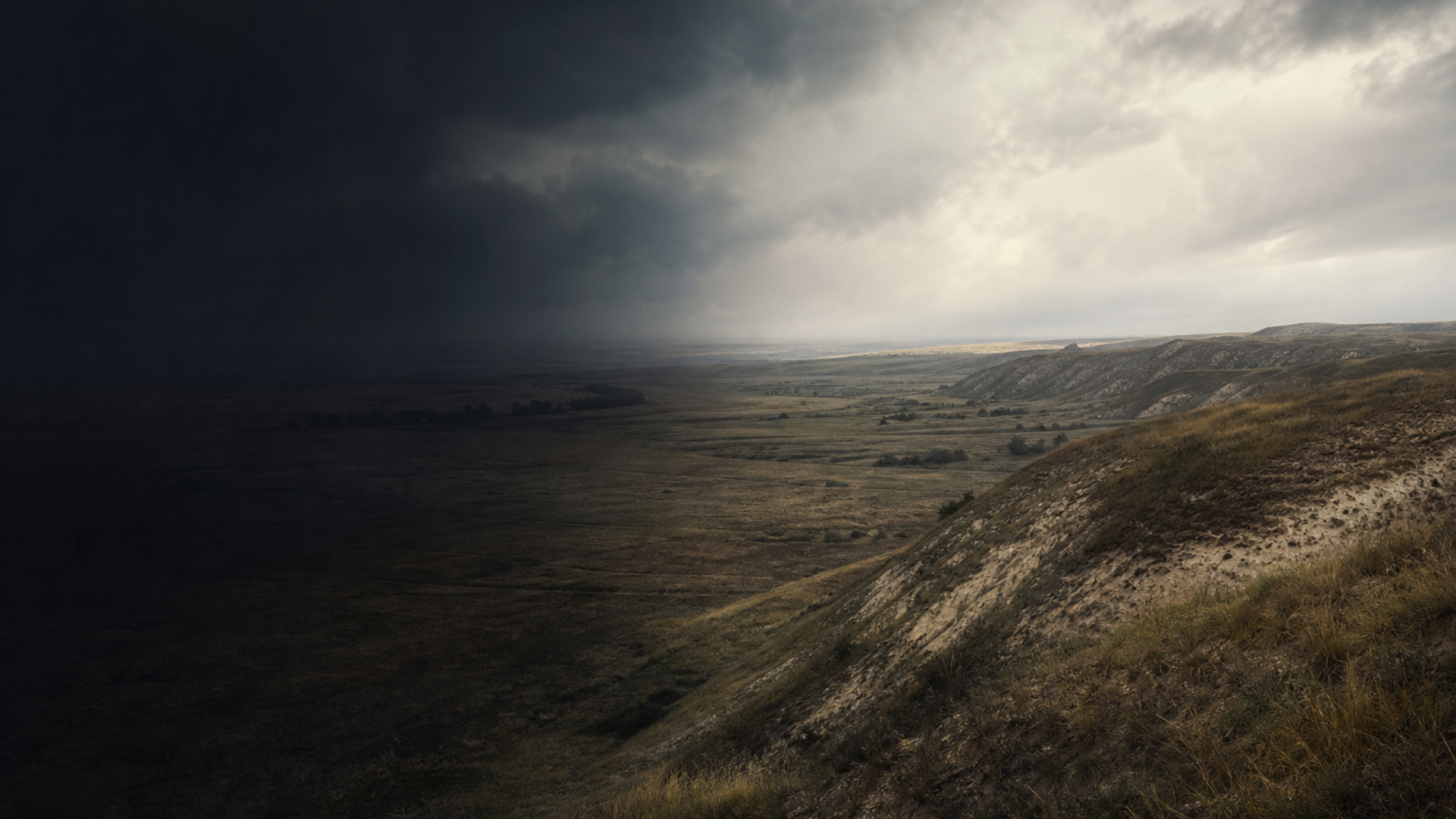
The archaeological and genetic traces from Legedzine, Shyshaky, and Komariv-1 invite a cinematic image of Late Antique life—people anchored to place yet moving through networks of exchange, leaving behind material and biological signatures that scholars are only beginning to read.

  • Material and genetic traces suggest continuity and connectivity, not straightforward ancestry claims.
  • Larger, geographically broad genetic sampling is needed to clarify links to modern populations.
Con IA

Asistente de IA

Haz preguntas sobre la cultura Echoes of the Chernyakhiv Plain

Asistente de IA por DNAGENICS

Desbloquear esta función
Pregunta sobre la cultura Echoes of the Chernyakhiv Plain. El asistente con IA puede explicar hallazgos genéticos, contexto histórico, pruebas arqueológicas y conexiones modernas, con sus límites de interpretación.
Ejemplo de análisis con IA

La cultura Echoes of the Chernyakhiv Plain representa un capítulo de la historia humana...

El análisis genético permite estudiar similitudes con poblaciones anteriores y posibles adaptaciones. Las muestras de ADN antiguo aportan información para investigar patrones migratorios y relaciones entre poblaciones, con límites que dependen del estudio y del contexto arqueológico.

Esta es una vista previa del análisis con IA. Accede al asistente completo para explorar información sobre:

  • Composición y similitud genética
  • Patrones migratorios y orígenes
  • Vida cotidiana y prácticas culturales
  • Contexto genético moderno

Explora más culturas antiguas

Descubre la historia de civilizaciones de distintas partes del mundo antiguo




