Preparando el informe

Cargando la información y las referencias disponibles

Consultando el registro arqueológico...

Recopilando registros antiguos

Saltar al contenido principal
Flamingo Cay: Ragged Island Ceramics
Cultura destacada

Flamingo Cay: Ragged Island Ceramics

A lone ancient genome from Ragged Island illuminates Bahamian Ceramic lifeways

900 CE - 1500 CE
Bahamas (Flamingo Cay, Ragged Island Range)
1 Muestras antiguas
Desplázate para empezar
Capítulo I

La historia

Comprender la cultura Flamingo Cay: Ragged Island Ceramics

Archaeological finds from Flamingo Cay (Ragged Island Range) dated 900–1500 CE tie Ragged Island Ceramic traditions to Indigenous American genetic lineages. Limited aDNA (n=1) shows Y haplogroup Q and mtDNA C, suggesting Indigenous Caribbean connections — conclusions remain preliminary.

Time Period

900–1500 CE

Region

Bahamas (Flamingo Cay, Ragged Island Range)

Common Y-DNA

Q (1 sample)

Common mtDNA

C (1 sample)

Capítulo II

Cronología

Momentos clave de la historia de esta cultura

900 CE

Local emergence of Ragged Island Ceramic occupation

Archaeological evidence indicates occupation of Flamingo Cay within Ragged Island Ceramic traditions beginning around 900 CE.

Capítulo III

Origins & Emergence

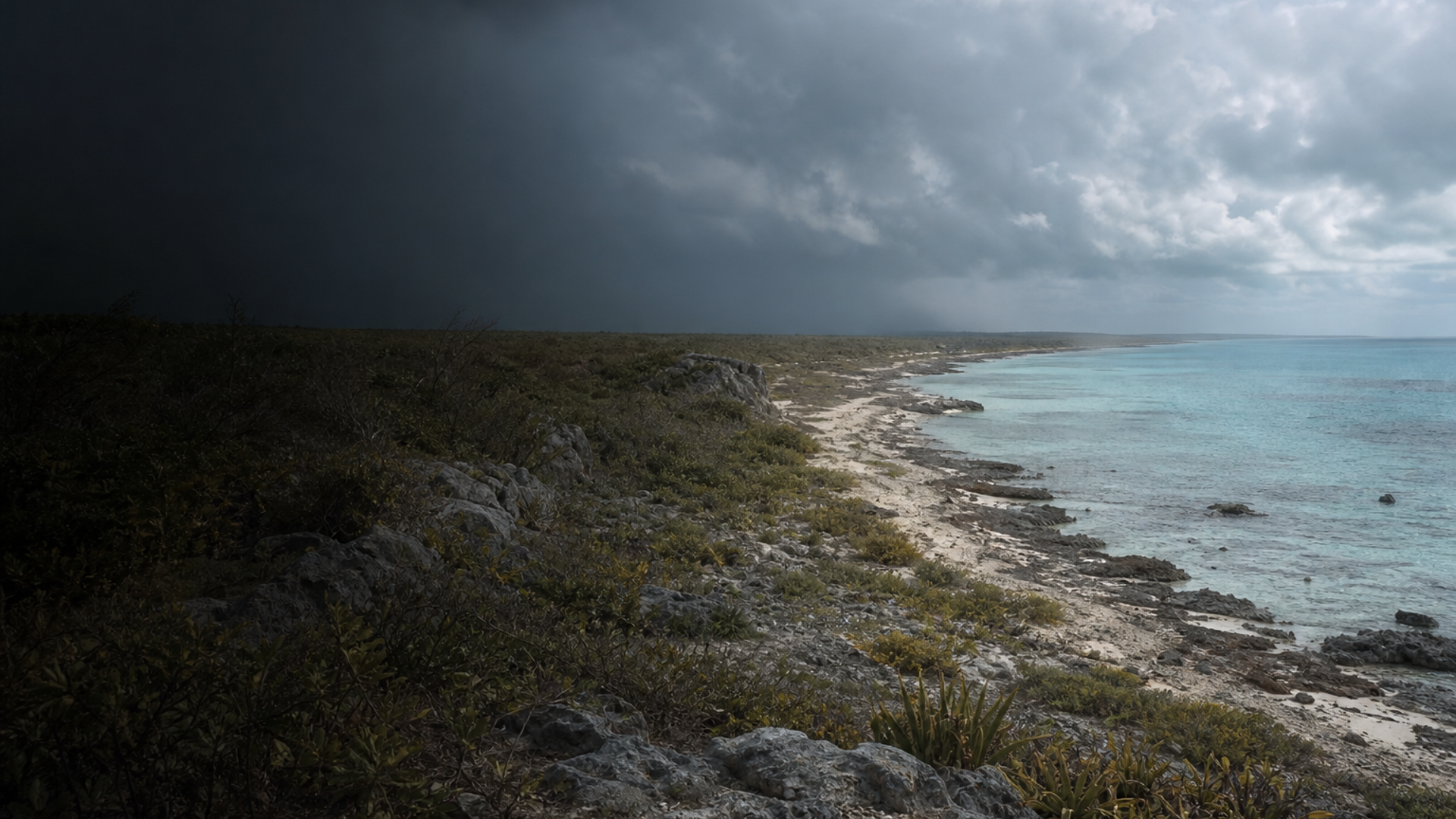
The Ragged Island Ceramic tradition sits within the wider Ceramic Age of the northern Caribbean, a period when communities across the Bahamian archipelago remade shorelines with pottery, shell-working, and specialized coastal economies. Archaeological data indicates occupation at Flamingo Cay in the Ragged Island Range (Jumento Cays) between roughly 900 and 1500 CE; material culture from the area shows the hallmark ceramic styles and coastal resource use that define the Ragged Island assemblage.

Cinematically, imagine small settlements clustered on low limestone cays, where the wind shapes pottery rims almost as surely as hands do. Yet the story of emergence is still partly shadowed: limited stratigraphic sequences and sparse radiocarbon samples mean that precise local chronologies remain unresolved. Comparative studies place Ceramic traditions in the Bahamas as part of long-distance networks of people and ideas that moved through the Greater Antilles and into the Lucayan islands.

Archaeological evidence suggests continuity with earlier Ceramic populations in the Caribbean, but also local adaptations to the Bahamian environment — different subsistence strategies, settlement patterns, and craft traditions. Given the very small genetic sample available from Flamingo Cay, links between material culture and population movement are plausible but provisional, and more integrated excavation and aDNA sampling are needed to clarify origins.

  • Occupied ca. 900–1500 CE on Flamingo Cay (Ragged Island Range)
  • Material culture aligns with Ragged Island Ceramic assemblages
  • Chronology and origins remain provisional due to limited data
Capítulo IV

Daily Life & Society

Life on the Ragged Island cays would have been shaped by salt, sea, and sky. Archaeological remains from the region indicate coastal foraging focused on conch, fish, and turtle, with shell middens and fishhooks expected in assemblages. Pottery — often decorated and tempered for island life — served for cooking, storage, and perhaps ritual. Lightweight dwellings and ephemeral features reflect the constraints of low-lying limestone cays where resources are patchy and storms frequent.

Social organization in Ceramic-age Bahamian communities likely balanced kinship ties with mobility. Canoe travel linked islands, enabling exchange of pottery styles, raw materials, and possibly marriage networks. At a human scale, everyday scenes might include potters shaping bowls, fishers hauling nets at dawn, and small ritual acts at the shoreline.

However, archaeological coverage on Flamingo Cay is limited and nuanced interpretations require caution. Excavations have produced pottery fragments and midden deposits consistent with Ragged Island Ceramic lifeways, but the paucity of long, well-dated sequences constrains our understanding of settlement duration, social complexity, and responses to environmental change such as hurricanes or sea-level shifts.

  • Coastal foraging: conch, fish, turtle reflected in middens
  • Pottery and lightweight settlement adapated to cay environments
Capítulo V

Genetic Profile

A single ancient DNA sample from Flamingo Cay provides a tantalizing genetic snapshot of the Ragged Island Ceramic population. The Y-chromosome haplogroup is Q and the mitochondrial lineage is C — both haplogroups are among the lineages associated with Indigenous peoples of the Americas. This genetic signature is consistent with archaeological expectations that pre-Columbian Caribbean populations were primarily descended from peoples who migrated from the mainland into the islands during the Ceramic Age.

It is crucial to stress the preliminary nature of conclusions from n=1. One genome cannot capture population diversity, sex-biased demographics, or temporal change. Still, the presence of Q on the paternal side and C on the maternal side fits broader patterns recovered from other Caribbean and nearby mainland sites, where Indigenous American haplogroups predominate in pre-contact contexts.

Genetic data can help address questions archaeology alone cannot: Was there sustained gene flow between the Bahamas and the Greater Antilles? Did Ragged Island populations maintain genetic continuity through time, or were they reconstituted by later arrivals? Answering these requires more samples across sites and time-slices. For now, the Flamingo Cay genome offers a cinematic single-frame: ancestral ties to the Indigenous peoples of the Americas, recorded in bone and stone, but awaiting the fuller motion picture of multiple genomes and sites.


  • Y-DNA haplogroup Q and mtDNA haplogroup C present in the single sample
  • Findings align with Indigenous American genetic lineages but are preliminary (n=1)
Capítulo VI

Legacy & Modern Connections

The Ragged Island Ceramic people are part of the deep human story of the Bahamas: maritime adaptation, artistic pottery, and island resilience. Genetic evidence from Flamingo Cay tentatively links these islanders to broader Indigenous American ancestries that shaped pre-contact Caribbean societies.

For modern communities and descendants in the Caribbean, fragments of pottery and a single ancient genome both serve as tangible reminders of a living past. Archaeological and genetic studies together can illuminate ancestral continuities and dispersals, but ethical engagement and expanded sampling are essential. As the sea reshapes the cays, so does each new line of evidence refine our collective understanding. The current genomic glimpse is brief and evocative — a prompt to deepen investigation rather than a final chapter.

  • Connects pre-contact Bahamian inhabitants to Indigenous American ancestries
  • Emphasizes need for more samples, ethical engagement, and integrated research
Capítulo VII

Catálogo de muestras

1 muestras de ADN antiguo asociadas con la cultura Flamingo Cay: Ragged Island Ceramics que aportan datos de referencia sobre las poblaciones de este periodo.

1 / 1 muestras
Retrato Muestra País Época Fecha Cultura Sexo ADN-Y ADNmt
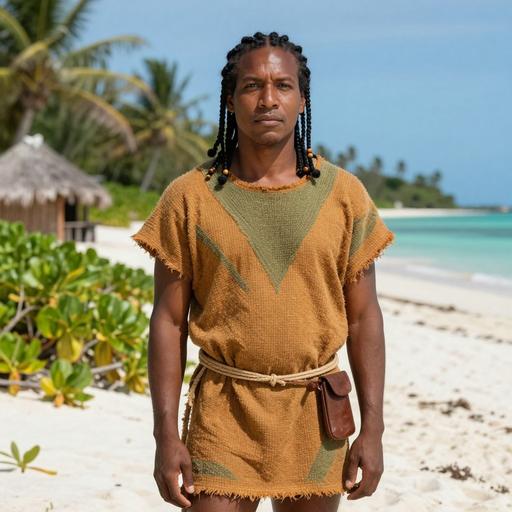
Retrato reconstruido de Ragged Island Range Ceramic individual, Bahamas
Ragged Island Range Ceramic individual, Bahamas
Bahamas Bahamas_RaggedIsl_Ceramic 900-1500 CE Pre-Columbian Caribbean M Q-L472 C1b2
Con IA

Asistente de IA

Haz preguntas sobre la cultura Flamingo Cay: Ragged Island Ceramics

Asistente de IA por DNAGENICS

Desbloquear esta función
Pregunta sobre la cultura Flamingo Cay: Ragged Island Ceramics. El asistente con IA puede explicar hallazgos genéticos, contexto histórico, pruebas arqueológicas y conexiones modernas, con sus límites de interpretación.
Ejemplo de análisis con IA

La cultura Flamingo Cay: Ragged Island Ceramics representa un capítulo de la historia humana...

El análisis genético permite estudiar similitudes con poblaciones anteriores y posibles adaptaciones. Las muestras de ADN antiguo aportan información para investigar patrones migratorios y relaciones entre poblaciones, con límites que dependen del estudio y del contexto arqueológico.

Esta es una vista previa del análisis con IA. Accede al asistente completo para explorar información sobre:

  • Composición y similitud genética
  • Patrones migratorios y orígenes
  • Vida cotidiana y prácticas culturales
  • Contexto genético moderno

Explora más culturas antiguas

Descubre la historia de civilizaciones de distintas partes del mundo antiguo