Preparando el informe

Cargando la información y las referencias disponibles

Consultando el registro arqueológico...

Recopilando registros antiguos

Saltar al contenido principal
Gorokhovets: Voices of Medieval Vladimir
Cultura destacada

Gorokhovets: Voices of Medieval Vladimir

Ancient DNA from Gorokhovets sites (771–1220 CE) connects graves and monastery contexts

771 CE - 1220 CE
Vladimir Oblast, Gorokhovets municipality, Russia
Desplázate para empezar
Capítulo I

La historia

Comprender la cultura Gorokhovets: Voices of Medieval Vladimir

Four medieval samples from Puzhalova-gora and Sretensky Monastery (Vladimir Oblast, Russia) dated 771–1220 CE reveal a Y-DNA mix dominated by R, with I and N present. Limited sample size makes conclusions preliminary; archaeological context points to local, regional, and northern connections.

Time Period

771–1220 CE

Region

Vladimir Oblast, Gorokhovets municipality, Russia

Common Y-DNA

R (x2), I (x1), N (x1)

Common mtDNA

Not reported / limited data

Capítulo II

Cronología

Momentos clave de la historia de esta cultura

771 CE

Earliest dated sample

One of the four individuals has a calibrated date near 771 CE, anchoring the early medieval presence in the Gorokhovets area.

1000 CE

Medieval regional dynamics

Around the 10th–11th centuries, the Vladimir region saw increased settlement and regional exchange that shaped local identities reflected in archaeology.

1220 CE

Latest dated sample

The most recent of the four samples dates near 1220 CE, marking the upper bound of the available genetic window.

Capítulo III

Origins & Emergence

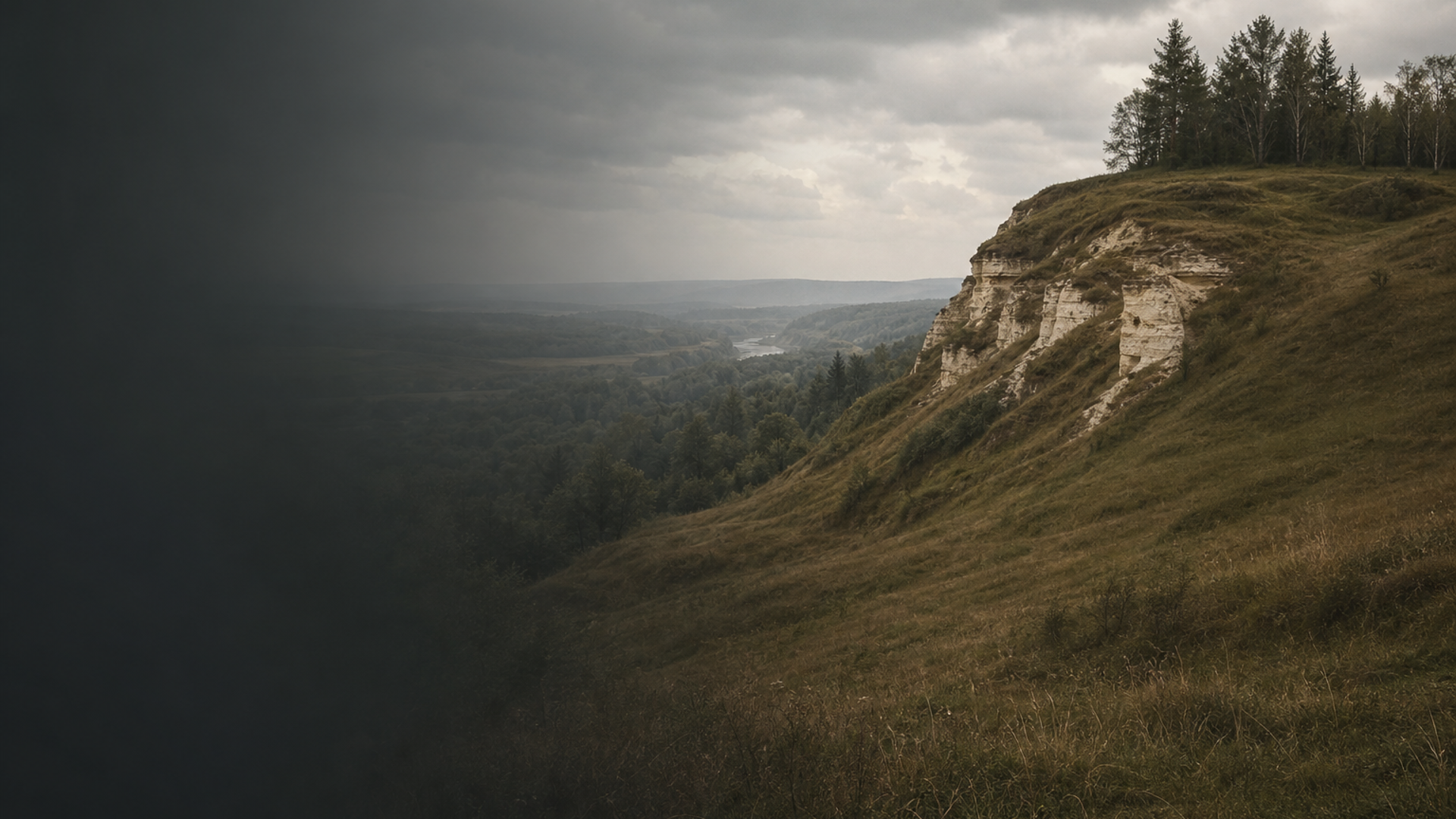
In the cool river-carved landscapes east of the Volga, the Medieval Gorokhovets assemblage rises from a palimpsest of wooden settlements, burial mounds and monastic precincts. Archaeological data indicates the samples reported here originate from two nearby loci in Vladimir Oblast: Puzhalova-gora and deposits associated with the Sretensky Monastery in the Gorokhovets municipal area. Radiocarbon-calibrated contexts place human remains and associated artifacts within a broad medieval span (771–1220 CE), a period of dynamic social reorganization in northeastern Rus'.

Limited evidence suggests continuity of local funerary traditions alongside adoption of Christian ritual markers in monastery-associated contexts. Material culture recovered in the region — ceramics, metalwork fragments, and timber architecture recorded in surveys — points to communities tied to riverine trade routes and agricultural hinterlands. The archaeological picture is fragmentary: excavation reports and stratigraphic sequences are often complex, and the four genetic samples form only a slender thread through the landscape's longer story.

Genetic results, while preliminary, should be read against this layered archaeological backdrop: people buried at Puzhalova-gora and near Sretensky-monastery were part of a medieval environment shaped by local continuity, regional interaction, and north–south connections across forest and river corridors.

  • Sites: Puzhalova-gora and Sretensky Monastery, Gorokhovets (Vladimir Oblast)
  • Date range from samples: 771–1220 CE
  • Context: burials and monastery-associated deposits; evidence of local and regional interaction
Capítulo IV

Daily Life & Society

Archaeology evokes a tactile world of wooden houses set against mixed forests, where livelihoods balanced agriculture, animal husbandry and riverine exchange. Though direct evidence tied to these four individuals is limited, regional excavations in the Gorokhovets area reveal craft production (metalworking detritus, tool fragments), domestic pottery styles, and grave goods that reflect household and community identities.

The proximity of Sretensky Monastery suggests that some burials may reflect changing religious landscapes: monastic centers were nodes for literacy, pilgrimage and charitable care, and they often mediated the incorporation of rural populations into broader ecclesiastical networks. At the same time, Puzhalova-gora burials evoke older local customs, perhaps retaining pre-Christian elements in mortuary practice.

Social life in medieval Gorokhovets likely blended kin-based rural households with ties to larger market towns and river routes. Seasonal movements, craft specialization, and intermarriage with neighboring groups would have shaped social networks. Archaeological indicators — settlement patterns, artifact styles and burial placement — together with emerging genetic data, suggest communities that were locally rooted yet porous to outside influences.

  • Economy: mixed agriculture, craft production, river trade connections
  • Religious/social shifts: monastery influence alongside local mortuary traditions
Capítulo V

Genetic Profile

Ancient DNA from four individuals dated between 771 and 1220 CE provides a narrow but revealing glimpse into male-line diversity in medieval Gorokhovets. Y-chromosome haplogroups are reported as R (two individuals), I (one), and N (one). This mix echoes larger patterns visible in medieval Eastern Europe: haplogroup R lineages are widespread among Slavic and East European populations, I lineages can reflect deeper European hunter-gatherer ancestry or localized continuity, and haplogroup N is often associated with northerly and Uralic-speaking groups.

Because mitochondrial haplogroups were not reported (or remain insufficiently sampled), maternal-line inferences are currently unavailable, limiting conclusions about sex-biased mobility or exogamy. With only four samples, any population-level interpretation is preliminary: frequencies may easily shift with additional data. Nonetheless, the presence of N alongside R and I hints at north–south and forest-steppe interactions, consistent with the Gorokhovets region's role as a crossroads between East Slavic and northern Uralic spheres.

Future sequencing of more individuals, genome-wide analyses, and comparisons with contemporaneous datasets from Vladimir, Novgorod and northern forest zones will be essential to resolve whether the observed Y-DNA diversity reflects long-term admixture, recent male-line migration, or small-sample stochasticity.

  • Y-DNA: R (2), I (1), N (1) — suggests mixed local and northern connections
  • mtDNA: not reported — maternal-line conclusions currently limited; small sample size (n=4) is preliminary
Capítulo VI

Legacy & Modern Connections

Echoes of medieval Gorokhovets survive in the genetic landscape of modern northeastern Russia, but continuity should not be assumed from a handful of samples. Archaeological continuity in settlement locations and some material traditions suggests local persistence, while genetic signs of diverse Y-lineages indicate past mobility and cultural contact. Contemporary populations of Vladimir Oblast likely derive from layered ancestries — local Finno-Ugric substrata, East Slavic expansions, and medieval movements along river corridors.

The small sample count (four) makes it essential to treat connections as hypotheses rather than conclusions. Still, the combined archaeological and genetic picture poetically underscores a borderland of entwined peoples: monasteries, villages and river traders whose lives and lineages left faint but readable traces. Expanding both excavation and DNA sampling will allow these tentative links to be tested and the silent biographies of Gorokhovets' medieval inhabitants to be more fully told.

  • Signals of continuity and contact between local and regional groups
  • Current genetic picture is tentative; larger samples needed to confirm modern links
Con IA

Asistente de IA

Haz preguntas sobre la cultura Gorokhovets: Voices of Medieval Vladimir

Asistente de IA por DNAGENICS

Desbloquear esta función
Pregunta sobre la cultura Gorokhovets: Voices of Medieval Vladimir. El asistente con IA puede explicar hallazgos genéticos, contexto histórico, pruebas arqueológicas y conexiones modernas, con sus límites de interpretación.
Ejemplo de análisis con IA

La cultura Gorokhovets: Voices of Medieval Vladimir representa un capítulo de la historia humana...

El análisis genético permite estudiar similitudes con poblaciones anteriores y posibles adaptaciones. Las muestras de ADN antiguo aportan información para investigar patrones migratorios y relaciones entre poblaciones, con límites que dependen del estudio y del contexto arqueológico.

Esta es una vista previa del análisis con IA. Accede al asistente completo para explorar información sobre:

  • Composición y similitud genética
  • Patrones migratorios y orígenes
  • Vida cotidiana y prácticas culturales
  • Contexto genético moderno

Explora más culturas antiguas

Descubre la historia de civilizaciones de distintas partes del mundo antiguo