|
|
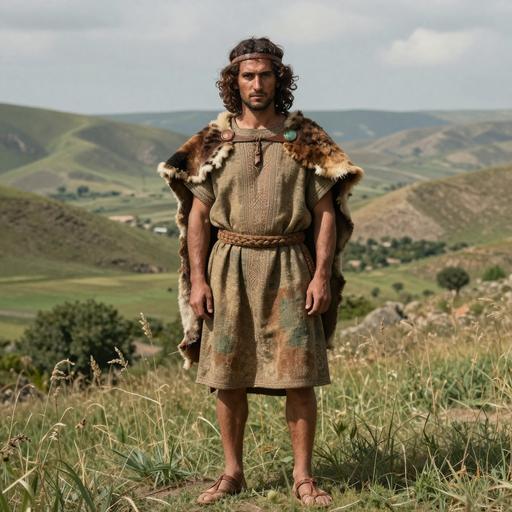
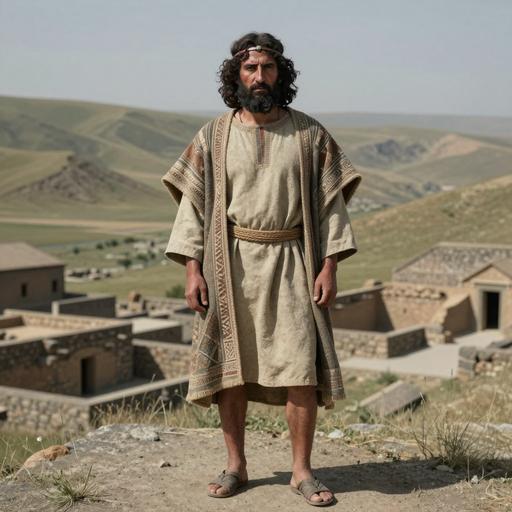
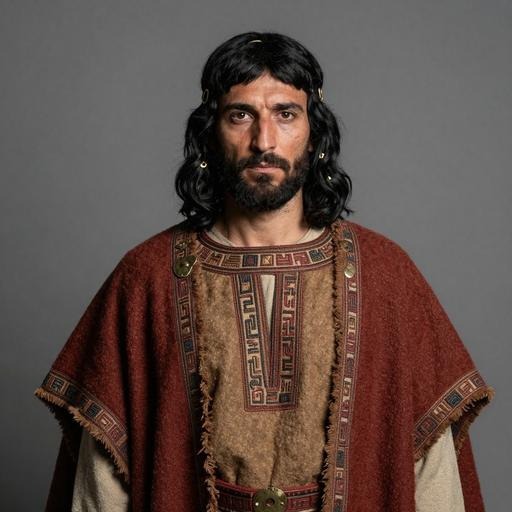
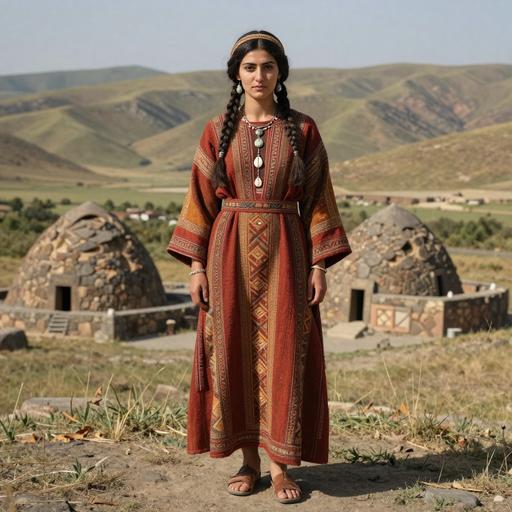
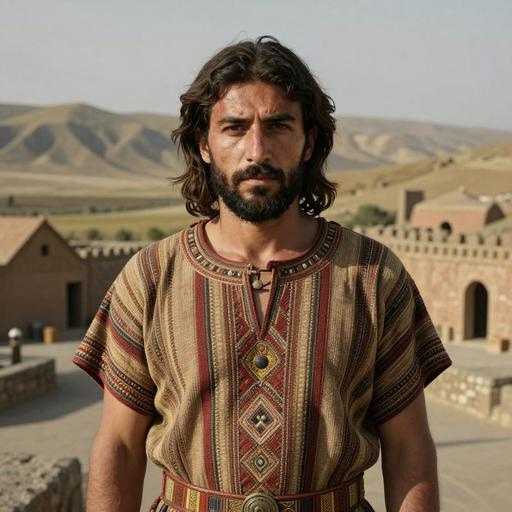
Noratus IA Urartian individual, Armenia
|
Armenia |
Armenia_LBA_EIA |
1000-600 BCE |
Ancient Near Eastern Civilization |
M
|
R-Y18781
|
J2b1e1
|
|
|
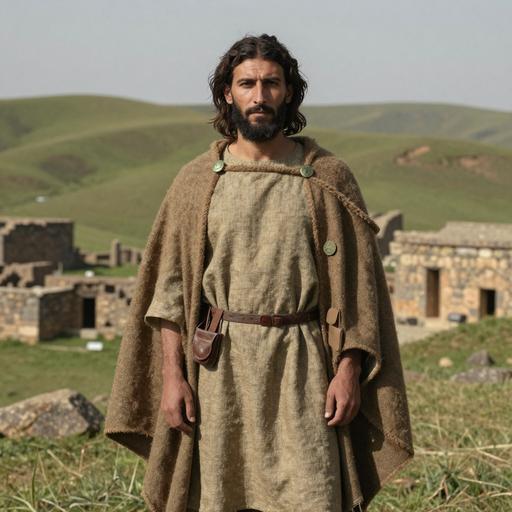
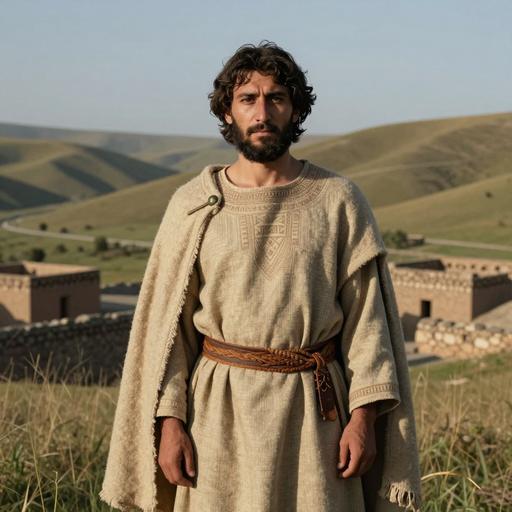
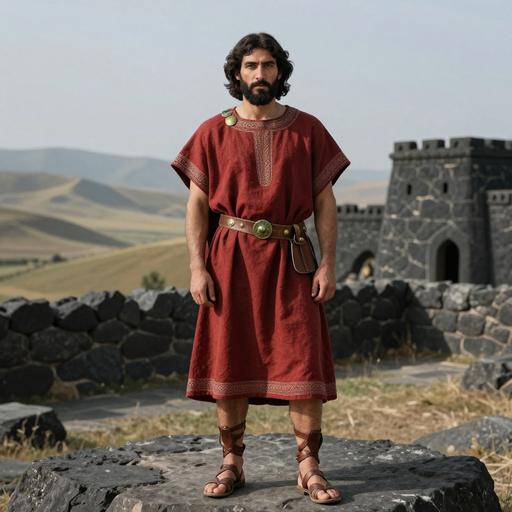
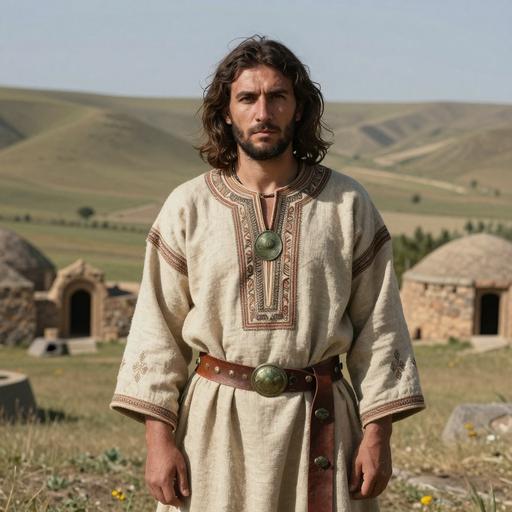
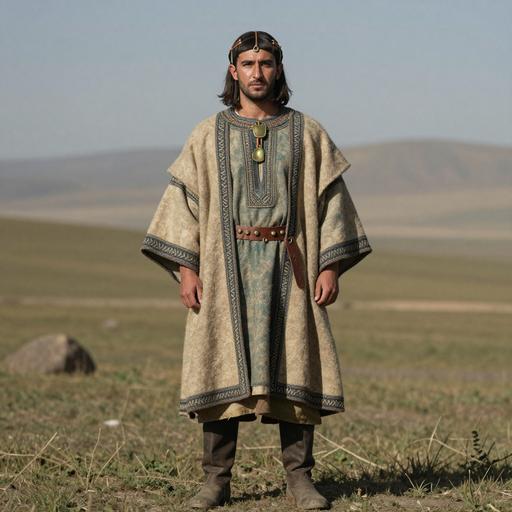
Bagheri Tchala EIA individual, Armenia
|
Armenia |
Armenia_LBA_EIA |
1002-841 calBCE (2780±20 BP, PSUAMS-7884) |
Ancient Near Eastern Civilization |
F
|
-
|
H29
|
|
|
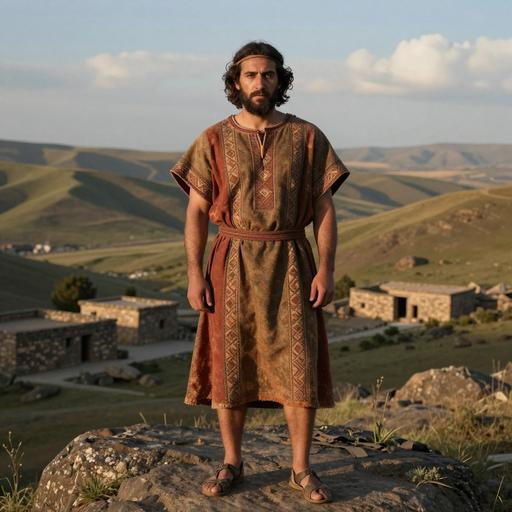
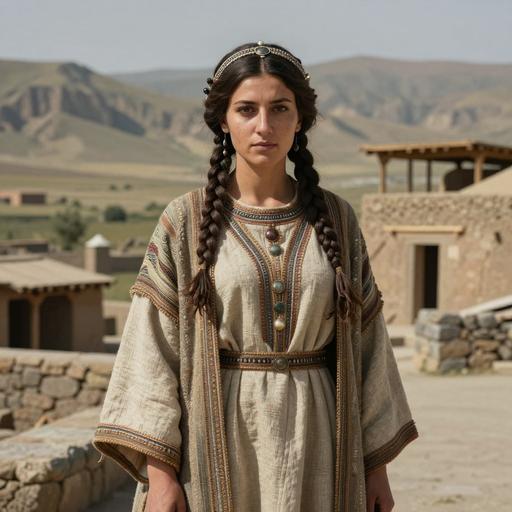
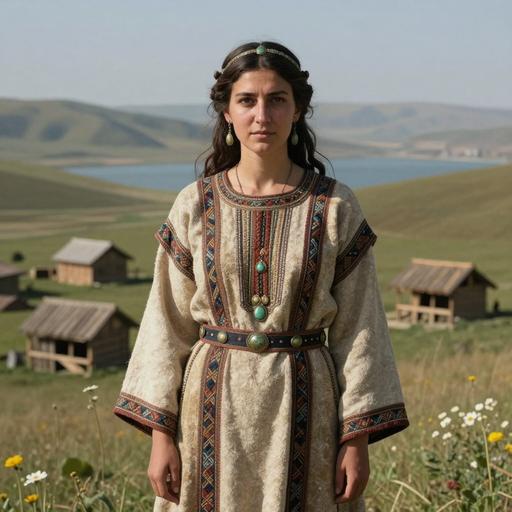
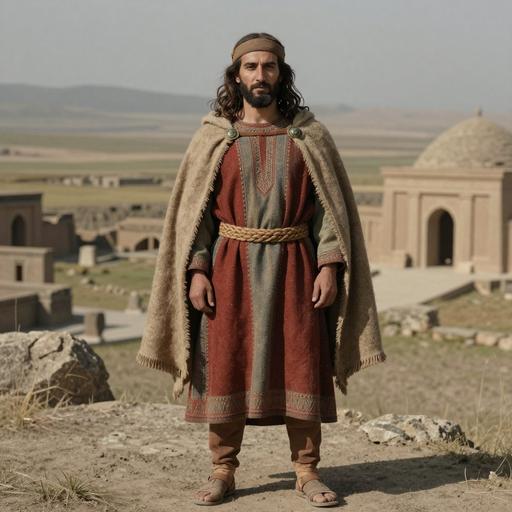
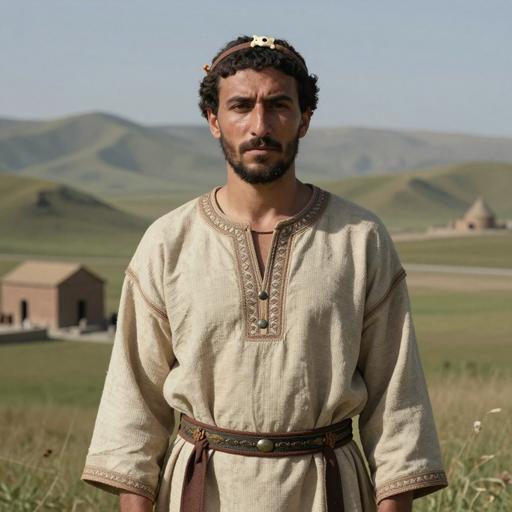
Noratus BA IA individual, Armenia
|
Armenia |
Armenia_LBA_EIA |
1150-1050 BCE |
Ancient Near Eastern Civilization |
M
|
I-L596
|
H15a1b
|
|
|
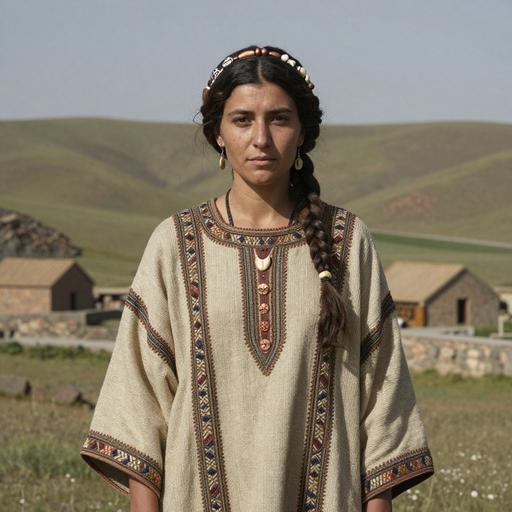
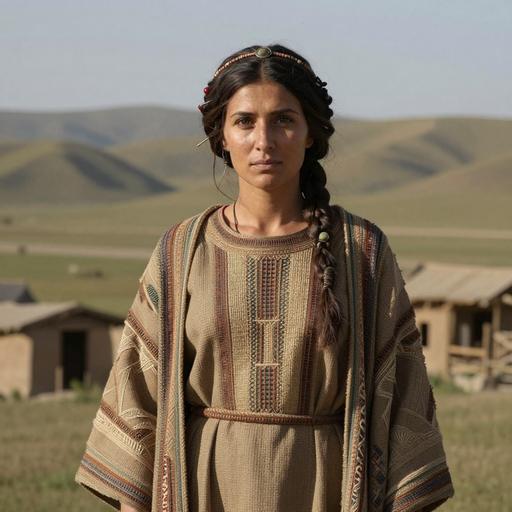
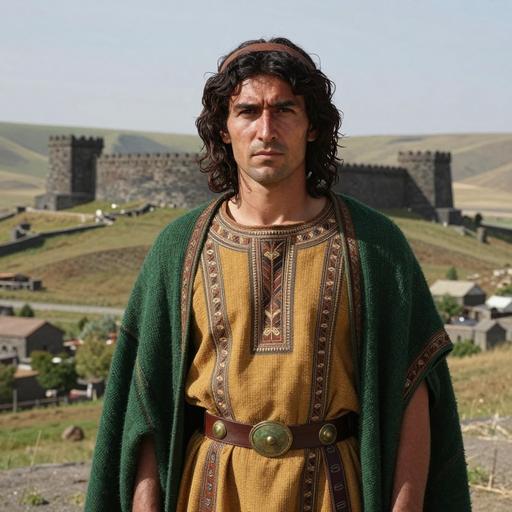
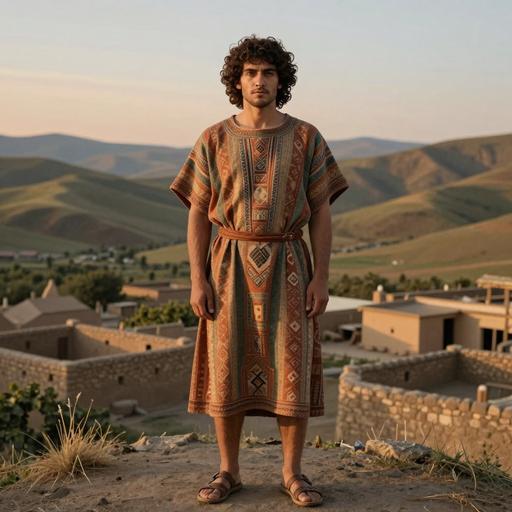
Noratus LBA IA individual, Armenia
|
Armenia |
Armenia_LBA_EIA |
1050-750 BCE |
Ancient Near Eastern Civilization |
F
|
-
|
HV1a1a
|
|
|
Noratus LBA EIA individual, Armenia
|
Armenia |
Armenia_LBA_EIA |
1250-1150 BCE |
Ancient Near Eastern Civilization |
M
|
I-L596
|
C1
|
|
|
Noratus LBA IA individual, Armenia
|
Armenia |
Armenia_LBA_EIA |
1500-1350 BCE |
Ancient Near Eastern Civilization |
M
|
I-L596
|
HV1a'b'c
|
|
|
Noratus LBA IA individual, Armenia
|
Armenia |
Armenia_LBA_EIA |
904-814 calBCE (2715±20 BP, PSUAMS-8888) |
Ancient Near Eastern Civilization |
F
|
-
|
N1a1a+152
|
|
|
Noratus LBA IA individual, Armenia
|
Armenia |
Armenia_LBA_EIA |
1450-1250 BCE |
Ancient Near Eastern Civilization |
M
|
R-M12149
|
W4
|
|
|
Bagheri Tchala EIA individual, Armenia
|
Armenia |
Armenia_LBA_EIA |
1150-800 BCE |
Ancient Near Eastern Civilization |
M
|
R-Y159888
|
W5
|
|
|
Bagheri Tchala EIA individual, Armenia
|
Armenia |
Armenia_LBA_EIA |
1050-800 BCE |
Ancient Near Eastern Civilization |
F
|
-
|
H8a1
|
|
|
Bagheri Tchala EIA individual, Armenia
|
Armenia |
Armenia_LBA_EIA |
1000-850 BCE |
Ancient Near Eastern Civilization |
M
|
R-Y159888
|
I2
|
|
|
Noratus LBA IA individual, Armenia
|
Armenia |
Armenia_LBA_EIA |
1450-1250 BCE |
Ancient Near Eastern Civilization |
M
|
I-Y16419
|
T2a3
|
|
|
Sarukhan Antiquity individual, Armenia
|
Armenia |
Armenia_LBA_EIA |
157 calBCE - 7 calCE (2065±20 BP, PSUAMS-8417) |
Ancient Near Eastern Civilization |
F
|
-
|
T1a9
|
|
|
Bagheri Tchala EIA individual, Armenia
|
Armenia |
Armenia_LBA_EIA |
1042-906 calBCE (2815±20 BP, UCIAMS-226539, PSUG-5445) |
Ancient Near Eastern Civilization |
M
|
R-Y159888
|
H29
|
|
|
Bagheri Tchala EIA individual, Armenia
|
Armenia |
Armenia_LBA_EIA |
1122-931 calBCE (2865±25 BP, UCIAMS-226540, PSUG-5446) |
Ancient Near Eastern Civilization |
M
|
R-Y159888
|
H8a1
|
|
|
Black Fortress LBA EIA individual, Armenia
|
Armenia |
Armenia_LBA_EIA |
1250-1100 BCE |
Ancient Near Eastern Civilization |
F
|
-
|
X2+225+@153
|
|
|
Noratus LBA IA individual, Armenia
|
Armenia |
Armenia_LBA_EIA |
1050-750 BCE |
Ancient Near Eastern Civilization |
M
|
I-L596
|
W6
|
|
|
Noratus LBA IA individual, Armenia
|
Armenia |
Armenia_LBA_EIA |
1500-1350 BCE |
Ancient Near Eastern Civilization |
F
|
-
|
R0a3
|
|
|
Bagheri Tchala EIA individual, Armenia
|
Armenia |
Armenia_LBA_EIA |
1042-906 calBCE (2815±20 BP, PSUAMS-7158) |
Ancient Near Eastern Civilization |
M
|
R-Y159888
|
T1a1
|
|
|
Bagheri Tchala EIA individual, Armenia
|
Armenia |
Armenia_LBA_EIA |
1150-800 BCE |
Ancient Near Eastern Civilization |
M
|
R-M12149
|
U5b2a1a1
|
|
|
Ancient Near Eastern Civilization individual, Armenia
|
Armenia |
Armenia_LBA_EIA |
1250 BCE |
Ancient Near Eastern Civilization |
F
|
-
|
K1a4b
|
|
|
Bagheri Tchala EIA individual, Armenia
|
Armenia |
Armenia_LBA_EIA |
1150-800 BCE |
Ancient Near Eastern Civilization |
F
|
-
|
J1c2e
|
|
|
Brardzryal IA Urartian individual, Armenia
|
Armenia |
Armenia_LBA_EIA |
800-650 BCE |
Ancient Near Eastern Civilization |
F
|
-
|
U5a1d
|
|
|
Nerkin Getashen LBA EIA individual, Armenia
|
Armenia |
Armenia_LBA_EIA |
1250-1150 BCE |
Ancient Near Eastern Civilization |
F
|
-
|
W3a1
|
|
|
Noratus BA IA individual, Armenia
|
Armenia |
Armenia_LBA_EIA |
1550-1300 BCE |
Ancient Near Eastern Civilization |
M
|
I-L596
|
N1a1a+152
|
|
|
Noratus BA IA individual, Armenia
|
Armenia |
Armenia_LBA_EIA |
1150-1050 BCE |
Ancient Near Eastern Civilization |
M
|
I-L596
|
HV18
|
|
|
Noratus LBA EIA individual, Armenia
|
Armenia |
Armenia_LBA_EIA |
1250-1150 BCE |
Ancient Near Eastern Civilization |
F
|
-
|
N1b1a3
|
|
|
Nerkin Getashen LBA individual, Armenia
|
Armenia |
Armenia_LBA_EIA |
1450-1250 BCE |
Ancient Near Eastern Civilization |
F
|
-
|
U5a2+16362
|
|
|
Brardzryal IA Urartian individual, Armenia
|
Armenia |
Armenia_LBA_EIA |
800-650 BCE |
Ancient Near Eastern Civilization |
M
|
R-Y159888
|
H
|
|
|
Noratus BA IA individual, Armenia
|
Armenia |
Armenia_LBA_EIA |
1150-1050 BCE |
Ancient Near Eastern Civilization |
M
|
I-L596
|
I1c1a
|
|
|
Nerkin Getashen LBA individual, Armenia
|
Armenia |
Armenia_LBA_EIA |
1450-1250 BCE |
Ancient Near Eastern Civilization |
F
|
-
|
W3b
|
|
|
Noratus LBA IA individual, Armenia
|
Armenia |
Armenia_LBA_EIA |
1450-1250 BCE |
Ancient Near Eastern Civilization |
F
|
-
|
K1a1b1e
|
|
|
Bagheri Tchala EIA individual, Armenia
|
Armenia |
Armenia_LBA_EIA |
1050-800 BCE |
Ancient Near Eastern Civilization |
F
|
-
|
H
|
|
|
Lchashen LBA individual, Armenia
|
Armenia |
Armenia_LBA_EIA |
1450-1250 BCE |
Ancient Near Eastern Civilization |
M
|
I-Y16419
|
H2a
|
|
|
Bagheri Tchala EIA individual, Armenia
|
Armenia |
Armenia_LBA_EIA |
1050-800 BCE |
Ancient Near Eastern Civilization |
M
|
R-A12332
|
I2
|
|
|
Black Fortress LBA EIA individual, Armenia
|
Armenia |
Armenia_LBA_EIA |
1250-1100 BCE |
Ancient Near Eastern Civilization |
M
|
R-Y82989
|
J1b1b1
|
|
|
Lchashen LBA individual, Armenia
|
Armenia |
Armenia_LBA_EIA |
1450-1250 BCE |
Ancient Near Eastern Civilization |
F
|
-
|
H13a1a2
|
|
|
Black Fortress LBA EIA individual, Armenia
|
Armenia |
Armenia_LBA_EIA |
1250-1100 BCE |
Ancient Near Eastern Civilization |
M
|
R-Y159888
|
U8b1a1
|
|
|
Black Fortress LBA EIA individual, Armenia
|
Armenia |
Armenia_LBA_EIA |
1250-1100 BCE |
Ancient Near Eastern Civilization |
M
|
J-Y3020
|
X2
|
|
|
Black Fortress LBA EIA individual, Armenia
|
Armenia |
Armenia_LBA_EIA |
1250-1100 BCE |
Ancient Near Eastern Civilization |
F
|
-
|
J2b1f
|
|
|
Lchashen LBA individual, Armenia
|
Armenia |
Armenia_LBA_EIA |
1450-1250 BCE |
Ancient Near Eastern Civilization |
F
|
-
|
X2
|
|
|
Bover IICemetery IA Urartian individual, Armenia
|
Armenia |
Armenia_LBA_EIA |
800-650 BCE |
Ancient Near Eastern Civilization |
M
|
R-M12149
|
W+194
|
|
|
Lori Berd LBA EIA individual, Armenia
|
Armenia |
Armenia_LBA_EIA |
1250-1100 BCE |
Ancient Near Eastern Civilization |
M
|
I-Y60125
|
K1a4b
|
|
|
Bagheri Tchala EIA individual, Armenia
|
Armenia |
Armenia_LBA_EIA |
1150-800 BCE |
Ancient Near Eastern Civilization |
M
|
R-FGC14590
|
X4
|
|
|
Noratus LBA IA individual, Armenia
|
Armenia |
Armenia_LBA_EIA |
1450-1250 BCE |
Ancient Near Eastern Civilization |
F
|
-
|
U8b1a2+16311
|
|
|
Brardzryal IA Urartian individual, Armenia
|
Armenia |
Armenia_LBA_EIA |
800-650 BCE |
Ancient Near Eastern Civilization |
F
|
-
|
T2c1a
|
|
|
Sarukhan Antiquity individual, Armenia
|
Armenia |
Armenia_LBA_EIA |
220-330 calCE (1790±20 BP, PSUAMS-8548) |
Ancient Near Eastern Civilization |
F
|
-
|
N1b1a
|
|
|
Nerkin Getashen LBA individual, Armenia
|
Armenia |
Armenia_LBA_EIA |
1450-1250 BCE |
Ancient Near Eastern Civilization |
M
|
J-CTS1460
|
X2
|
|
|
Brardzryal IA Urartian individual, Armenia
|
Armenia |
Armenia_LBA_EIA |
800-650 BCE |
Ancient Near Eastern Civilization |
M
|
R-FGC14590
|
K1a12a
|
|
|
Brardzryal IA Urartian individual, Armenia
|
Armenia |
Armenia_LBA_EIA |
800-650 BCE |
Ancient Near Eastern Civilization |
M
|
F
|
H2a1
|
|
|
Bagheri Tchala EIA individual, Armenia
|
Armenia |
Armenia_LBA_EIA |
1050-800 BCE |
Ancient Near Eastern Civilization |
M
|
CT
|
K1a12a
|
|
|
Nerkin Getashen LBA-o individual, Armenia
|
Armenia |
Armenia_LBA_EIA |
1450-1250 BCE |
Ancient Near Eastern Civilization |
F
|
-
|
K1a12a
|
|
|
Bagheri Tchala EIA individual, Armenia
|
Armenia |
Armenia_LBA_EIA |
1050-800 BCE |
Ancient Near Eastern Civilization |
M
|
CT
|
H2
|
|
|
Lori Berd LBA EIA individual, Armenia
|
Armenia |
Armenia_LBA_EIA |
1250-1100 BCE |
Ancient Near Eastern Civilization |
M
|
-
|
-
|