Preparando el informe

Cargando la información y las referencias disponibles

Consultando el registro arqueológico...

Recopilando registros antiguos

Saltar al contenido principal
Molinos del Papel — Early El Argar
Cultura destacada

Molinos del Papel — Early El Argar

Three Bronze Age individuals from Caravaca bridge archaeology and ancient DNA in Murcia.

2297 CE - 1983 BCE
Molinos del Papel, Caravaca, Murcia, Spain
Desplázate para empezar
Capítulo I

La historia

Comprender la cultura Molinos del Papel — Early El Argar

Early El Argar individuals (2297–1983 BCE) from Molinos del Papel, Caravaca, Murcia. Three samples show Y-DNA R in two males and maternal lineages V, HV0, K1a. Limited sample size makes conclusions preliminary but offers a glimpse into Bronze Age Iberian ancestry and social change.

Time Period

2297–1983 BCE (Early El Argar)

Region

Molinos del Papel, Caravaca, Murcia, Spain

Common Y-DNA

R (2 of 3 males)

Common mtDNA

V, HV0, K1a (each 1 of 3)

Capítulo II

Cronología

Momentos clave de la historia de esta cultura

2300 BCE

Early El Argar activity at Molinos del Papel

Three individuals dated 2297–1983 BCE deposited at Molinos del Papel provide the genetic snapshot for Early El Argar in Caravaca, Murcia.

Capítulo III

Origins & Emergence

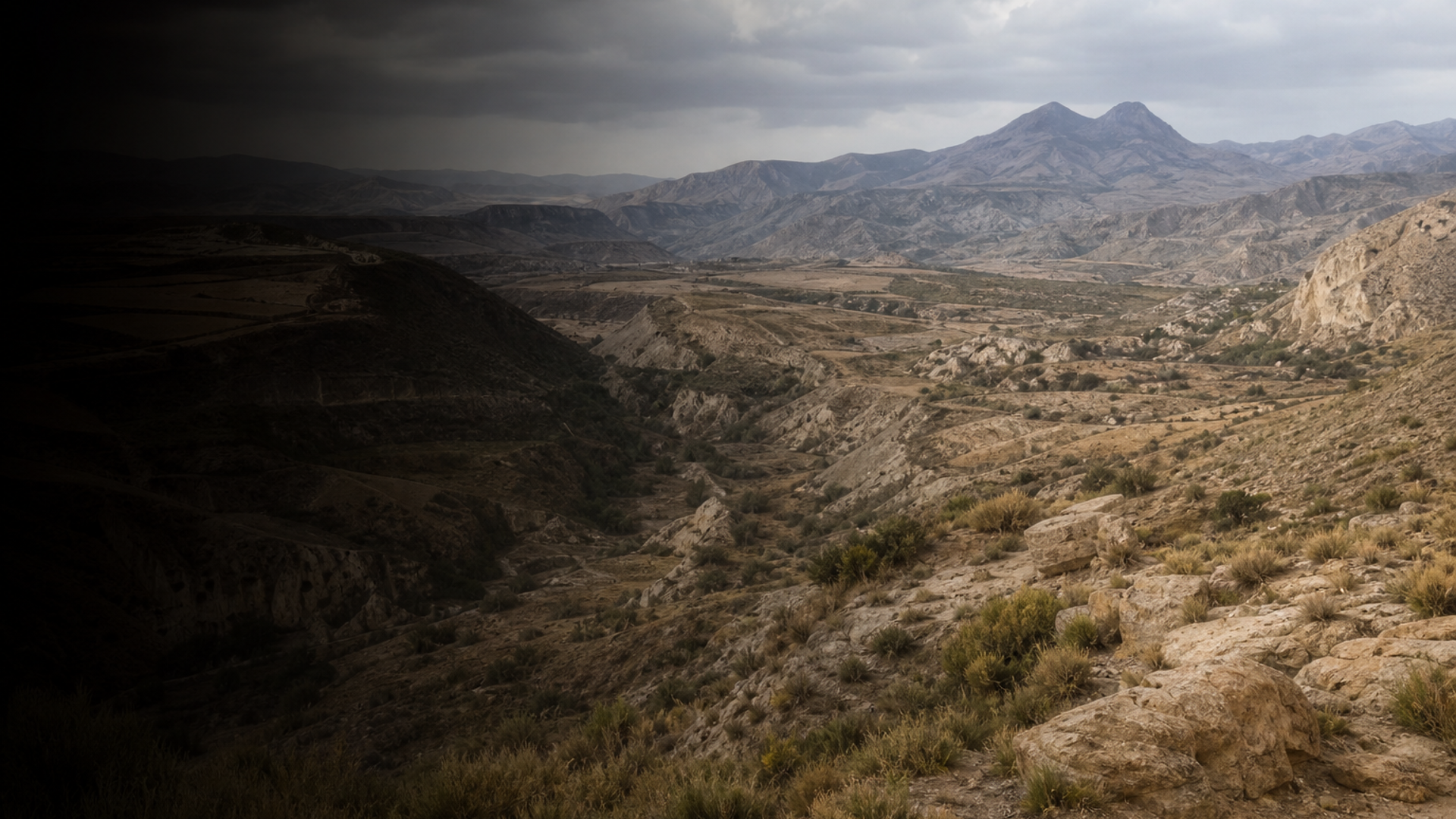
The Molinos del Papel assemblage sits within the dawn of the El Argar world in southeastern Iberia — a landscape of fortified hilltops, intensive grazing, and early bronze metallurgy. Archaeological data indicates activity at Caravaca and surrounding valleys during the third and early second millennium BCE; the three sequenced individuals date to 2297–1983 BCE, placing them squarely in the Early El Argar horizon.

Cinematically, imagine sun-baked terraces overlooking riverine lowlands where copper and tin were transformed into tools and status objects, and where new social hierarchies took visible form in architecture and burial practice. The material culture of El Argar more broadly shows rapid social centralization and technological shifts; Molinos del Papel contributes a localized snapshot to that broader transformation.

Genetic evidence from these individuals complements the archaeological picture by hinting at population processes behind visible cultural change. However, limited evidence and the very small sample size (3) require caution: patterns suggested here are provisional and should be tested with larger datasets. Archaeology provides the stage and chronology; ancient DNA begins to reveal the cast of ancestries and biological relationships that animated Early Bronze Age Iberia.

  • Samples dated 2297–1983 BCE, Early El Argar context
  • Site located at Molinos del Papel, Caravaca, Murcia
  • Small sample size means origins hypotheses are preliminary
Capítulo IV

Daily Life & Society

Archaeological evidence from El Argar regions evokes a world of craft specialization, agricultural intensification, and visible social differentiation. Houses and settlements in Murcia and nearby districts show denser occupation and investment in durable architecture compared with preceding centuries. Bronze tools and ornaments appear alongside pottery styles that circulate regionally, signaling both local production and wide-reaching exchange.

Grave goods in El Argar cemeteries often reflect rank and gendered roles, with some burials accompanied by weapons, metalwork, and elaborated ceramics. While the Molinos del Papel individuals are few, they likely belonged to communities participating in these economic and social networks — farming cereals, managing herds, and engaging in metallurgy or trade. Archaeobotanical and zooarchaeological work at comparable sites points to mixed agriculture and pastoralism supporting larger, more sedentary populations.

It is important to stress uncertainty: specific household activities or individual life histories at Molinos del Papel are poorly constrained with only three genetic samples. Yet when bones meet artifacts, and DNA complements osteology, a more vivid reconstruction of daily life emerges: bodies shaped by diet, mobility, conflict, and kinship within an evolving Bronze Age society.

  • Evidence suggests craft specialization and regional exchange
  • Burial variability hints at social stratification in El Argar
Capítulo V

Genetic Profile

The genetic snapshot from Molinos del Papel comprises three individuals. Two male samples carry Y-DNA haplogroup R; the three maternal lineages are mtDNA V, HV0, and K1a. These assignments provide immediate but tentative clues. Y-haplogroup R in Bronze Age western Europe is often associated with male-mediated demographic shifts that accompanied the earlier third-millennium movements across the continent, but the label “R” covers multiple branches and cannot alone specify precise ancestral sources.

Maternal haplogroups V, HV0, and K1a have deep histories in Europe: V is linked to postglacial re-expansions and later Neolithic/post-Neolithic contexts, while HV0 and K1a appear frequently in Neolithic and later prehistoric samples across the continent. Their presence here suggests maternal continuity with longstanding European lineages and integration of local maternal ancestries into Early El Argar communities.

Crucially, only three genomes are available from Molinos del Papel. That low sample count (<10) compels caution: patterns are preliminary and susceptible to sampling bias. Nevertheless, these results align with broader Iberian Bronze Age trends observed elsewhere — a mixture of Neolithic farmer-derived maternal ancestry with male lines that may reflect wider Bronze Age demographic processes. Future sampling across El Argar sites will be necessary to confirm whether Molinos del Papel reflects local continuity, incoming lineages, or a complex admixture of both.

  • Y-DNA R in 2 of 3 males — suggestive but not definitive of broader male lineages
  • mtDNA V, HV0, K1a point to deep European maternal continuity
Capítulo VI

Legacy & Modern Connections

The cultural and biological threads visible at Molinos del Papel ripple into later Iberian history. El Argar innovations in metallurgy, settlement hierarchy, and mortuary practice helped shape Bronze Age Iberia’s social landscape, and aspects of that legacy persisted in regional traditions. Genetically, some maternal lineages observed here (V, HV0, K1a) are still present at low frequencies in modern Iberian populations, suggesting partial continuity of maternal ancestry across millennia, while Y-lineages labeled R remain common in Western Europe in a variety of subclades.

Interpreting direct connections to living communities requires nuance: centuries of subsequent migrations, historical demographic events, and local population dynamics have reworked ancestries repeatedly. The three Molinos del Papel genomes provide an evocative, cinematic glimpse of people who lived, worked, and were buried in Caravaca — a reminder that genetic threads and archaeological strata together illuminate deep human stories, even as each new sample reshapes our understanding.

  • Maternal haplogroups show partial continuity with modern European lineages
  • Legacy is complex: cultural influence and genetic continuity are both partial
Con IA

Asistente de IA

Haz preguntas sobre la cultura Molinos del Papel — Early El Argar

Asistente de IA por DNAGENICS

Desbloquear esta función
Pregunta sobre la cultura Molinos del Papel — Early El Argar. El asistente con IA puede explicar hallazgos genéticos, contexto histórico, pruebas arqueológicas y conexiones modernas, con sus límites de interpretación.
Ejemplo de análisis con IA

La cultura Molinos del Papel — Early El Argar representa un capítulo de la historia humana...

El análisis genético permite estudiar similitudes con poblaciones anteriores y posibles adaptaciones. Las muestras de ADN antiguo aportan información para investigar patrones migratorios y relaciones entre poblaciones, con límites que dependen del estudio y del contexto arqueológico.

Esta es una vista previa del análisis con IA. Accede al asistente completo para explorar información sobre:

  • Composición y similitud genética
  • Patrones migratorios y orígenes
  • Vida cotidiana y prácticas culturales
  • Contexto genético moderno

Explora más culturas antiguas

Descubre la historia de civilizaciones de distintas partes del mundo antiguo