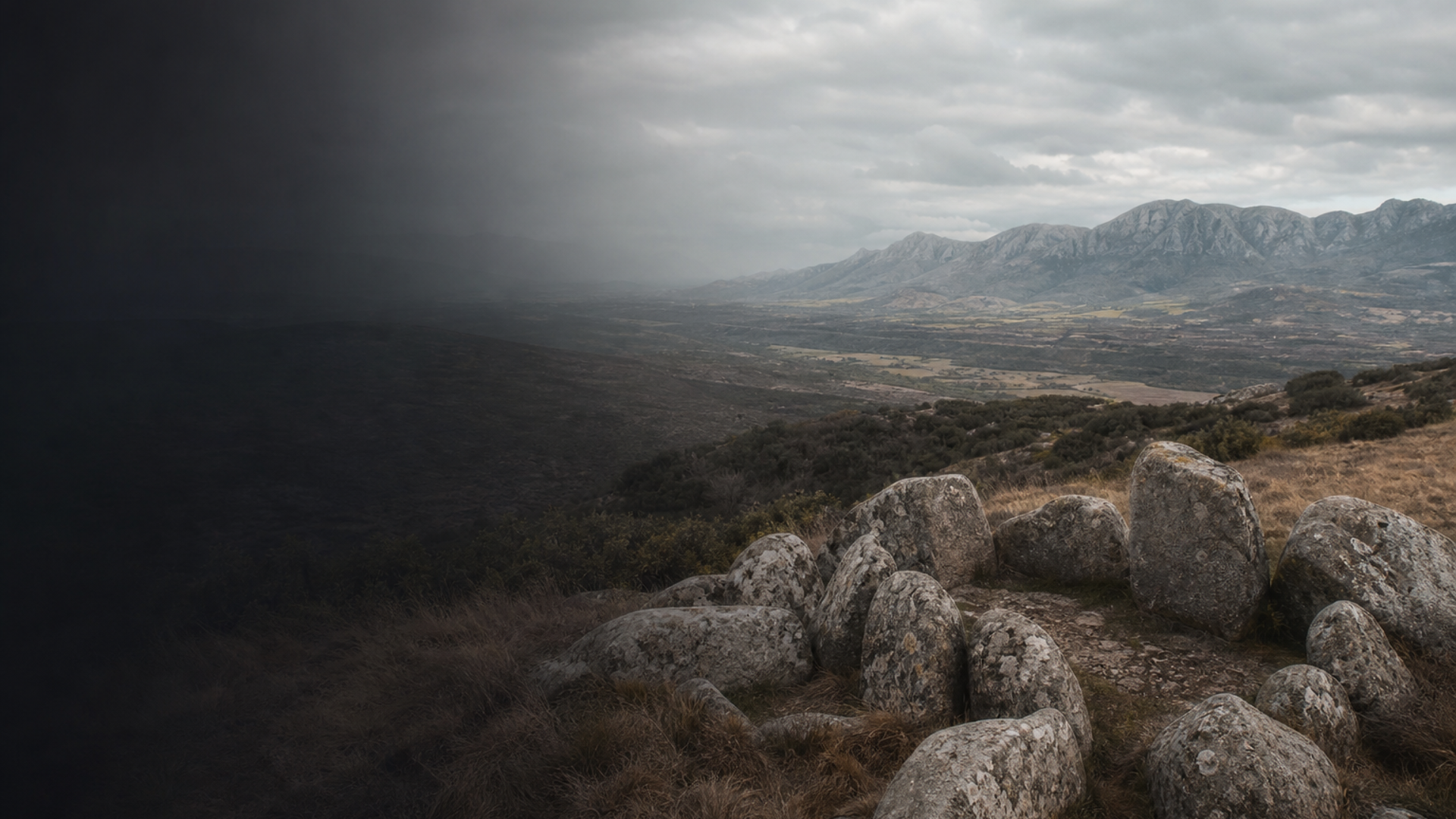
Archaeological traces give us glimpses of lives shaped by sea, vineyard, and hill. Coastal sites such as Pech Maho and Le Peyrou functioned as points of exchange where amphorae, textiles, and metal objects passed between Mediterranean traders and inland communities. Inland oppida like the Plan de la Tour offered defensible centers for craft production, storage, and seasonal gatherings.
Subsistence strategies combined dry farming, pastoralism, and exploitation of marine resources; storage pits and granaries at many Iron Age sites indicate surplus production and the management of seasonal risk. Craft specializations — ironworking, weaving, ceramic production — would have structured labor and status. Funerary evidence from the region shows variability in burial practice, suggesting social differentiation and local ritual traditions.
Architecture and urban planning were cinematic in scale: concentric streets, terraced slopes, and ramparts that cut dramatic silhouettes against the sky. Yet everyday life was granular and domestic — children running through courtyards, potters reworking clay, merchants bargaining on the quay. Archaeological data indicates that Mediterranean contacts added prestige goods and new styles, but local identities and seasonal rhythms remained the scaffolding of daily existence.