Preparando el informe

Cargando la información y las referencias disponibles

Consultando el registro arqueológico...

Recopilando registros antiguos

Saltar al contenido principal
Salme Sea-Keepers
Cultura destacada

Salme Sea-Keepers

Early Viking Age communities of Saaremaa brought to life through graves and genomes

649 CE - 949 CE
Saaremaa (Salme), Estonia
Desplázate para empezar
Capítulo I

La historia

Comprender la cultura Salme Sea-Keepers

Archaeological and genetic evidence from 34 Early Viking Age samples (649–949 CE) centered on Salme, Saaremaa, Estonia, reveal a northern seafaring community with mixed paternal lineages (I, R, N) and maternal diversity (H, J, T, U). Findings illuminate Baltic–Scandinavian interactions while noting regional limits.

Time Period

649–949 CE (Early Viking Age)

Region

Saaremaa (Salme), Estonia

Common Y-DNA

I (dominant), R, N — incl. I1/I1a

Common mtDNA

H (frequent), J, H16, T, U

Capítulo II

Cronología

Momentos clave de la historia de esta cultura

750 CE

Salme ship burial events

Multiple ship burials on Saaremaa (Salme) dated to the 7th–8th centuries CE, indicating seafaring expeditions and mass burials.

2008 CE

Discovery of Salme ship burials

Archaeological excavations uncovered ship burial contexts on Saaremaa, bringing new osteological and material data to light.

Capítulo III

Origins & Emergence

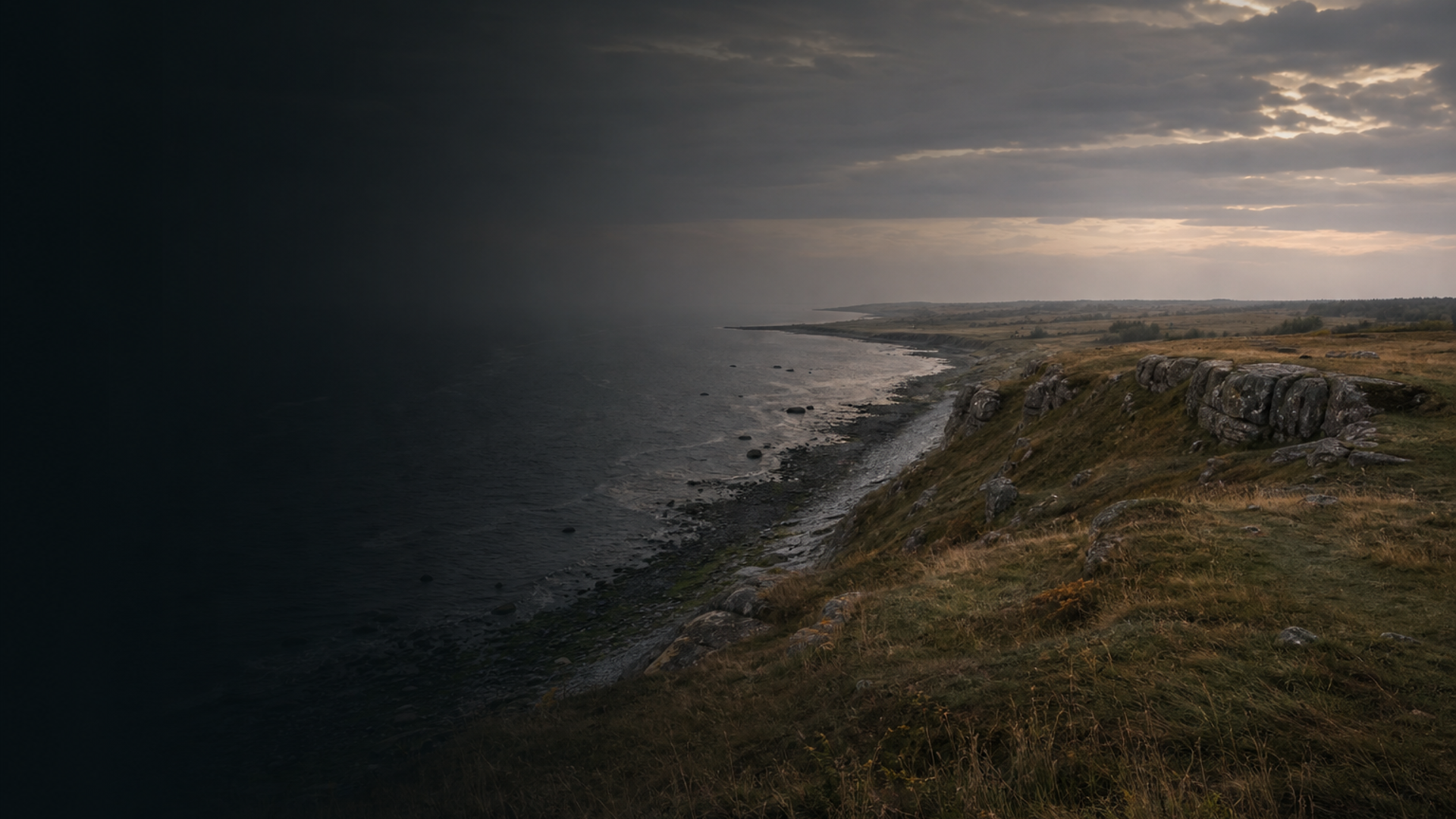
On the wind-swept shores of Saaremaa, the stone and timber of ship burials at Salme frame a dramatic scene: communities bound to the Baltic by boat, trade and seasonal voyaging. Archaeological data indicates there were violent seafaring episodes and organized burial rituals at Salme (central Saaremaa) during the Early Viking Age (ca. 7th–10th centuries CE). Radiocarbon dates within the broader Estonia_EarlyViking suite fall between 649 and 949 CE, situating these people amid the rising mobility of northern Europe.

Material culture from Salme — ship timbers, weaponry, personal ornaments and animal offerings — points to practiced mariners with connections across the Baltic and into Scandinavia. Limited evidence suggests some burial assemblages reflect raiding or expeditionary groups rather than only local kinship burials. Archaeobotanical and zooarchaeological traces hint at mixed subsistence strategies combining coastal foraging, livestock, and imported goods.

Genetic results from 34 sampled individuals allow a clearer picture of origins: paternal lineages dominated by haplogroup I with substantial representation of R and N indicate both long-standing northwestern European roots and links to northeastern Baltic/Uralic-influenced gene pools. While archaeological context anchors these people in Saaremaa, the genetic mix corroborates archaeological indicators of Baltic–Scandinavian exchange. Ongoing sampling beyond Salme is needed to define how representative these finds are for wider Estonian Early Viking populations.

  • Salme ship burials on Saaremaa anchor the archaeological horizon (7th–10th c. CE)
  • Material culture shows Baltic and Scandinavian connections
  • Genetic mix suggests local northwestern ancestry with northeastern inputs
Capítulo IV

Daily Life & Society

Life on Saaremaa in the Early Viking Age likely unfolded at the meeting point of sea and shore. Archaeological layers at Salme and nearby coastal sites record boats, fish and seal remains, domestic pottery and iron tools — small, vivid traces that when stitched together describe households oriented to maritime mobility and seasonal resources. Weapons and grave goods found in ship burials imply that martial prestige and seafaring leadership were social currencies: men (and possibly women in some spaces) were interred with swords, axes and ornate fittings.

Communal rites appear vividly in the Salme contexts: multiple individuals were deposited within ships, accompanied by animals and high-status goods. Such collective burial practices suggest tightly knit groups, perhaps expedition crews or extended kin corpora who travelled together. Craft specialization and exchange are implied by non-local metalwork styles and amber trade items that appear in graves, demonstrating engagement with wider Baltic and Scandinavian networks.

Archaeological evidence cannot fully reconstruct everyday nuance — diet, childrearing, or the rhythm of seasons — but the material record together with genetic data paints a community both rooted in Saaremaa and embedded in a wider seafaring world.

  • Maritime-focused economy with fishing, animal husbandry and seafaring
  • Ship burials and weapons reflect social hierarchies and collective rites
Capítulo V

Genetic Profile

The Estonia_EarlyViking dataset comprises 34 genome-scale samples from Saaremaa (Salme), dated 649–949 CE. Y-chromosome lineages show a predominance of haplogroup I (16 individuals), with substantial representations of R (7) and N (7), and smaller counts annotated as I1a (2) and I1 (2). Mitochondrial diversity is notable: H lineages are common (12), with J (4), H16 (4), T (4) and U (3) also present. This paternal and maternal mix indicates a community reflecting northern European ancestry alongside influences that are frequent in northeastern Baltic and Uralic-associated populations.

Haplogroup I (including I1/I1a) is frequently associated with long-term presence in northwest Europe and Scandinavia; its dominance here supports archaeological ties to Scandinavian-style seafaring cultures. Haplogroup R (a broad clade common across Europe) reinforces western and central European affinities. Haplogroup N is frequently observed in northeastern Europe and is often linked in population studies to Uralic-speaking groups; its presence among Salme individuals suggests gene flow or contact with eastern Baltic or inland northeastern populations.

Autosomal signatures described by researchers for comparable Baltic Viking-age samples often show mixed Scandinavian, Baltic, and northeastern inputs; however, without broader regional sampling it is premature to assert precise proportions. Because this dataset is concentrated at Salme (n=34), conclusions about all of Early Viking Age Estonia must remain cautious: these genomes illuminate local dynamics and contacts but further geographically wider sampling is required to map population structure across Estonia.

  • Paternal mix: I most frequent, with notable R and N presence
  • Maternal diversity: predominance of H plus J, H16, T, U; suggests multiple maternal origins
Capítulo VI

Legacy & Modern Connections

The echoes of Salme's ships reach into modern genetic landscapes. Contemporary Estonian populations still bear Y-haplogroups I and N and a mosaic of mtDNA lineages, hinting at long-term regional continuity mixed with later migrations. Archaeogenetic links between Salme-era genomes and later Baltic and Scandinavian samples suggest enduring corridors of interaction across the Baltic Sea.

That said, caution is essential. The Salme-focused sample (34 individuals) provides a potent snapshot of one coastal community but cannot alone define the genetic history of all Estonia. Continuities in haplogroups suggest partial ancestry links, but demographic shifts in the Middle Ages and later eras have reshaped gene pools. Future ancient DNA sampling across mainland Estonia and other islands will clarify which aspects of the Salme genetic profile represent island-specific events, expeditionary crews, or wider population trends.

For visitors and descendants, the Salme finds offer a cinematic convergence of bones, boats and genomes — a tangible reminder that ancestry is stitched from voyages, trade, conflict and family ties across centuries.

  • Modern Estonians share some paternal/maternal markers with Salme samples, indicating partial continuity
  • Broader regional sampling is needed to distinguish local island signature from island-wide trends
Con IA

Asistente de IA

Haz preguntas sobre la cultura Salme Sea-Keepers

Asistente de IA por DNAGENICS

Desbloquear esta función
Pregunta sobre la cultura Salme Sea-Keepers. El asistente con IA puede explicar hallazgos genéticos, contexto histórico, pruebas arqueológicas y conexiones modernas, con sus límites de interpretación.
Ejemplo de análisis con IA

La cultura Salme Sea-Keepers representa un capítulo de la historia humana...

El análisis genético permite estudiar similitudes con poblaciones anteriores y posibles adaptaciones. Las muestras de ADN antiguo aportan información para investigar patrones migratorios y relaciones entre poblaciones, con límites que dependen del estudio y del contexto arqueológico.

Esta es una vista previa del análisis con IA. Accede al asistente completo para explorar información sobre:

  • Composición y similitud genética
  • Patrones migratorios y orígenes
  • Vida cotidiana y prácticas culturales
  • Contexto genético moderno

Explora más culturas antiguas

Descubre la historia de civilizaciones de distintas partes del mundo antiguo