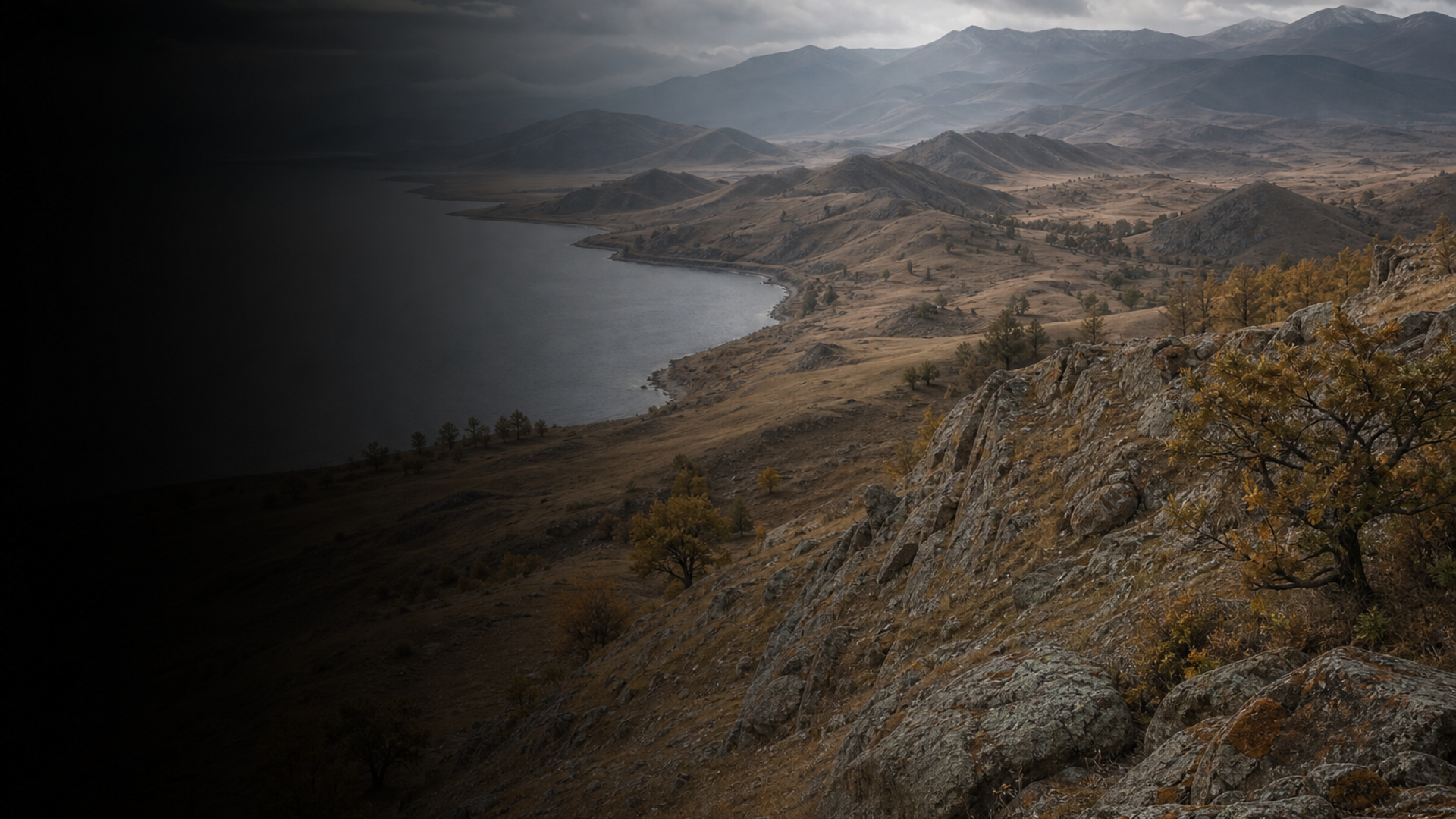
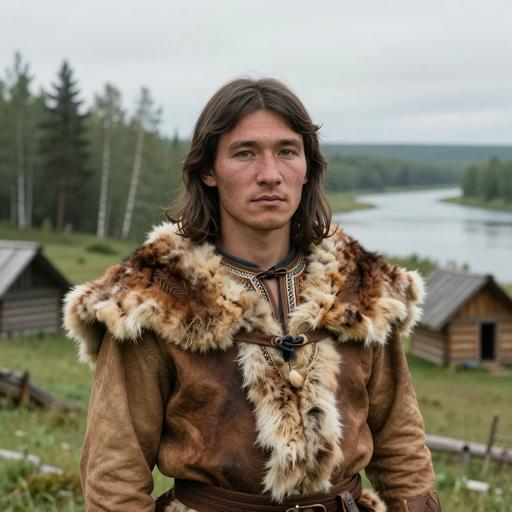
Across a sweep of taiga, river valleys and steppe edges, the people now grouped under this Siberian assemblage emerge from long-standing Northeast Asian forager traditions and Bronze Age cultural transformations. Archaeological deposits from Shamanka II and the early Bronze cemeteries around Lake Baikal, Late Bronze Age contexts in Krasnoyarsk and Chita, and Iron Age burials at Blagovechensk and Glazkovskoe predmestie show continuity in regional mortuary practices alongside new metalwork and horse-related artifacts that appear in the mid–late 2nd millennium BCE.
Sites such as Bazaikha on the Yenisei and the Marzyn khutul tombs (Bulgan, Mongolia) demonstrate long-distance connections: trade in metal, shared decorative motifs, and mobility along river corridors. Radiocarbon dates for this dataset span 5632 BCE to 758 CE, but most genomes cluster in the Middle–Late Bronze Age (MLBA) horizon associated with the Russia_MLBA_Krasnoyarsk designation. Archaeological data indicates layered occupation and cultural blending rather than a single migration event.
Limited evidence suggests episodes of demographic influx—likely steppe-related—superimposed onto deep local hunter-gatherer ancestry. The material record creates a portrait of an evolving frontier: peoples rooted in Northeastern Eurasian lifeways who adopted new technologies and social practices as Bronze Age networks intensified.