Preparando el informe

Cargando la información y las referencias disponibles

Consultando el registro arqueológico...

Recopilando registros antiguos

Saltar al contenido principal
Southeast Poland Bell Beaker
Cultura destacada

Southeast Poland Bell Beaker

A fleeting Bell Beaker presence near Pełczyska seen through a small ancient-DNA window

2500 CE - 2100 BCE
Southeastern Poland (Pełczyska)
Desplázate para empezar
Capítulo I

La historia

Comprender la cultura Southeast Poland Bell Beaker

Archaeogenetic glimpses from three individuals (2500–2100 BCE) at Pełczyska, SE Poland, link Bell Beaker material culture with diverse maternal lineages. Limited samples mean conclusions are preliminary; regional archaeological context suggests interactions between incoming Bell Beaker networks and local communities.

Time Period

2500–2100 BCE

Region

Southeastern Poland (Pełczyska)

Common Y-DNA

Not determined (very small sample)

Common mtDNA

T2b, U, H (each observed once)

Capítulo II

Cronología

Momentos clave de la historia de esta cultura

2500 BCE

Bell Beaker presence in SE Poland

Arrival and local expression of Bell Beaker materials around Pełczyska; first genetic glimpses appear but sample size is very small.

Capítulo III

Origins & Emergence

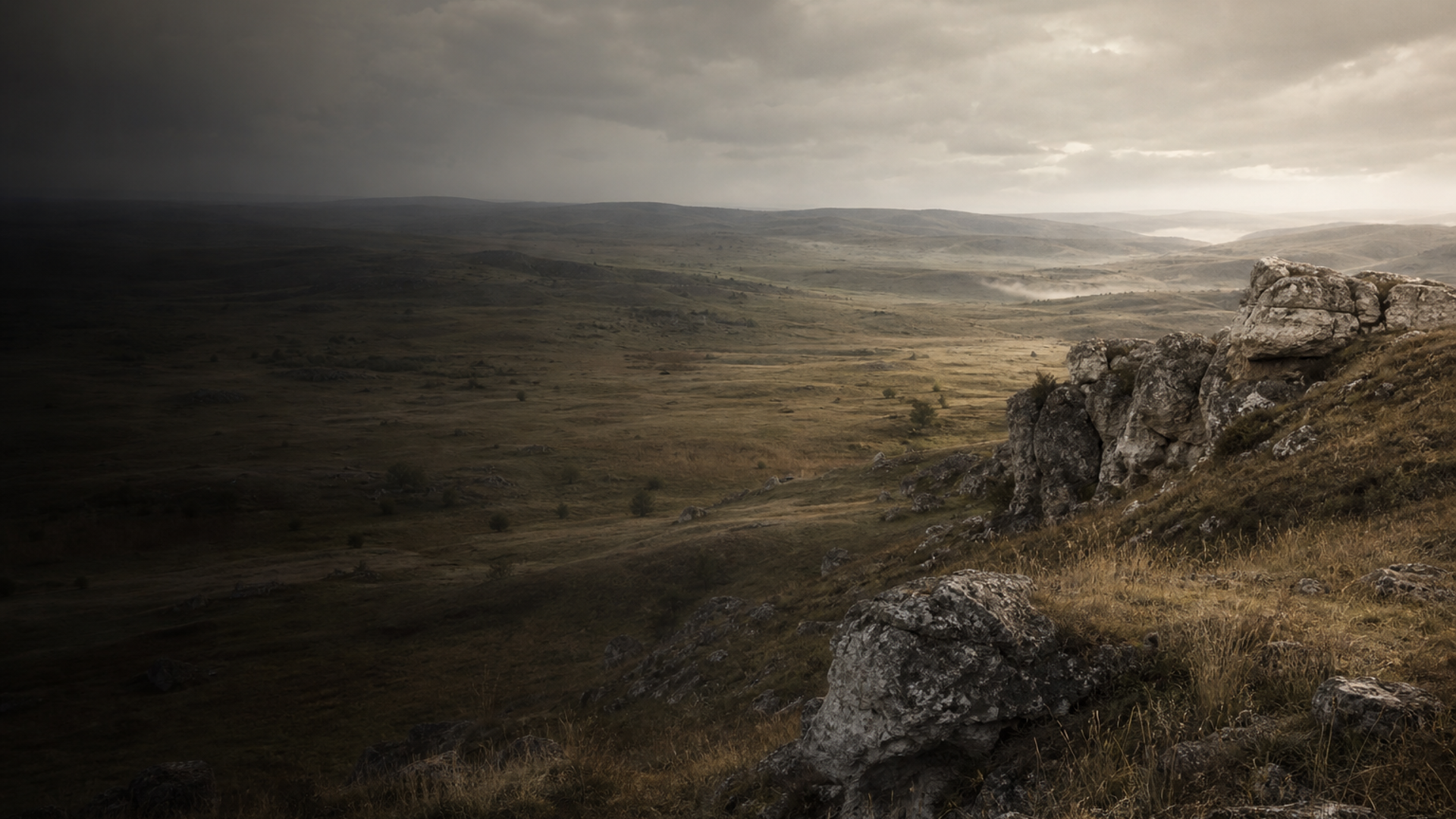
The Southeastern Polish Bell Beaker grouping represented by the Pełczyska samples appears at the dynamic horizon c. 2500–2100 BCE, a time when the iconic bell-shaped pottery and new metal objects moved across much of western and central Europe. Archaeological data indicates that communities in this part of Poland engaged with broader Bell Beaker networks — exchanging styles, raw materials and possibly people. Pełczyska sits within a landscape of mixed farming valleys and river corridors that would have facilitated mobility and contact.

Limited evidence suggests the local Bell Beaker expression was not a simple wholesale replacement of earlier Neolithic lifeways but rather a patchwork of interactions: stylistic traits of Bell Beaker pottery are found alongside continuity in some settlement patterns and local raw-material use. Comparative regional studies show Bell Beaker phenomena could represent both cultural transmission and migration in different places. Given only three ancient genomes from Pełczyska, any narrative about origins must remain cautious: these individuals provide tantalizing but preliminary snapshots of the processes that shaped southeastern Polish communities during the late 3rd millennium BCE.

  • Pełczyska samples date to c. 2500–2100 BCE
  • Material culture links to wider Bell Beaker networks
  • Evidence favors interaction and local continuity rather than uniform replacement
Capítulo IV

Daily Life & Society

Archaeological reconstructions paint a cinematic world of mixed farming, seasonal movement, and ritual display. Fields of emmer, barley and pulses were likely cultivated near river terraces, while herds grazed on surrounding uplands. Bell Beaker communities are often associated with distinct pottery used for drinking and feasting, copper-adorned personal items, and intensified exchange — suggesting social practices that emphasized identity and long-distance ties.

In southeastern Poland, settlement patterns show variability: some local farmsteads persist while new burial customs and grave goods reflect changing social signaling. Burial evidence across the region often includes single inhumations with body orientations and grave assemblages that communicate group affiliation, though specific grave patterns at Pełczyska are limited in published data. Craft specializations — flint-knapping, pottery shaping and early metallurgy — likely supported both local needs and participation in broader exchange networks. The human scale of this world is intimate: households negotiated new symbols of belonging even as they maintained older agricultural routines.

  • Mixed farming economy with animal husbandry
  • Pottery, metal and exchange indicate changing social display
Capítulo V

Genetic Profile

The Pełczyska dataset comprises three individuals dated between 2500 and 2100 BCE. Mitochondrial haplogroups observed are T2b, U (unspecified subclade) and H — each present once — indicating maternally diverse backgrounds within this tiny sample. No consistent Y-DNA pattern is reported for these individuals, so paternal-line conclusions cannot be drawn from this assemblage.

Comparatively, Bell Beaker populations elsewhere in Central and Western Europe often show substantial Steppe-derived ancestry and, in several regions, high frequencies of Y-DNA R1b lineages. However, archaeological and genetic outcomes are regionally variable: some Bell Beaker-associated groups reflect admixture with local Neolithic-descended populations, producing heterogeneous profiles. Given the sample count of three, the Pełczyska results must be treated as preliminary snapshots. They do, however, provide useful anchors: the mtDNA diversity hints at multiple maternal lineages present in southeastern Polish Bell Beaker contexts, and when combined with broader datasets they contribute to understanding how mobility, marriage networks and local continuity shaped genetic landscapes during the late 3rd millennium BCE.

  • Three individuals show mtDNA T2b, U, and H (one each)
  • No robust Y-DNA signal from this sample set; conclusions are preliminary
Capítulo VI

Legacy & Modern Connections

The legacy of Bell Beaker episodes in southeastern Poland is woven into the region's genetic and cultural palimpsest. Archaeologically, Bell Beaker motifs contributed to new forms of material expression and connectivity across Europe. Genetically, large-scale studies show that Bell Beaker movements were one vector among several that reshaped ancestry profiles on the continent, but local outcomes varied.

For modern populations, the Pełczyska dataset is a slender but meaningful thread: it underscores maternal diversity and the likelihood of complex social networks rather than a single migratory event. As more samples from Southeast Poland are analyzed, researchers will be able to test whether patterns seen elsewhere — such as increased Steppe ancestry or Y-chromosome shifts — are mirrored here. Until then, these three genomes remain a cinematic, provisional glimpse into lives lived on the edge of wider Bronze Age transformations.

  • Contributes to understanding regional variation in Bell Beaker impact
  • Highlights need for more samples to clarify links to modern ancestry
Con IA

Asistente de IA

Haz preguntas sobre la cultura Southeast Poland Bell Beaker

Asistente de IA por DNAGENICS

Desbloquear esta función
Pregunta sobre la cultura Southeast Poland Bell Beaker. El asistente con IA puede explicar hallazgos genéticos, contexto histórico, pruebas arqueológicas y conexiones modernas, con sus límites de interpretación.
Ejemplo de análisis con IA

La cultura Southeast Poland Bell Beaker representa un capítulo de la historia humana...

El análisis genético permite estudiar similitudes con poblaciones anteriores y posibles adaptaciones. Las muestras de ADN antiguo aportan información para investigar patrones migratorios y relaciones entre poblaciones, con límites que dependen del estudio y del contexto arqueológico.

Esta es una vista previa del análisis con IA. Accede al asistente completo para explorar información sobre:

  • Composición y similitud genética
  • Patrones migratorios y orígenes
  • Vida cotidiana y prácticas culturales
  • Contexto genético moderno

Explora más culturas antiguas

Descubre la historia de civilizaciones de distintas partes del mundo antiguo