Preparando el informe

Cargando la información y las referencias disponibles

Consultando el registro arqueológico...

Recopilando registros antiguos

Saltar al contenido principal
Western Scythians of Ukraine
Cultura destacada

Western Scythians of Ukraine

Iron Age horse-warriors and hillfort communities, seen through graves and genomes

778 CE - 171 BCE
Ukraine (Pontic steppe)
Desplázate para empezar
Capítulo I

La historia

Comprender la cultura Western Scythians of Ukraine

Archaeological and genetic evidence from eight burials (778–171 BCE) in Ukraine illuminates Western Scythian life across hillforts and mounds. Limited samples show a mix of steppe-linked Y haplogroups (R dominant) and diverse maternal lineages, hinting at regional mobility and contact.

Time Period

778–171 BCE

Region

Ukraine (Pontic steppe)

Common Y-DNA

R (3), J (1), Q (1)

Common mtDNA

H (2), W, T2b, J, X4

Capítulo II

Cronología

Momentos clave de la historia de esta cultura

800 BCE

Western Scythian cultural expansion

Approximate emergence of Western Scythian burial traditions across the middle Dnipro and Pontic steppe; mounds and hillforts become prominent social focal points.

Capítulo III

Origins & Emergence

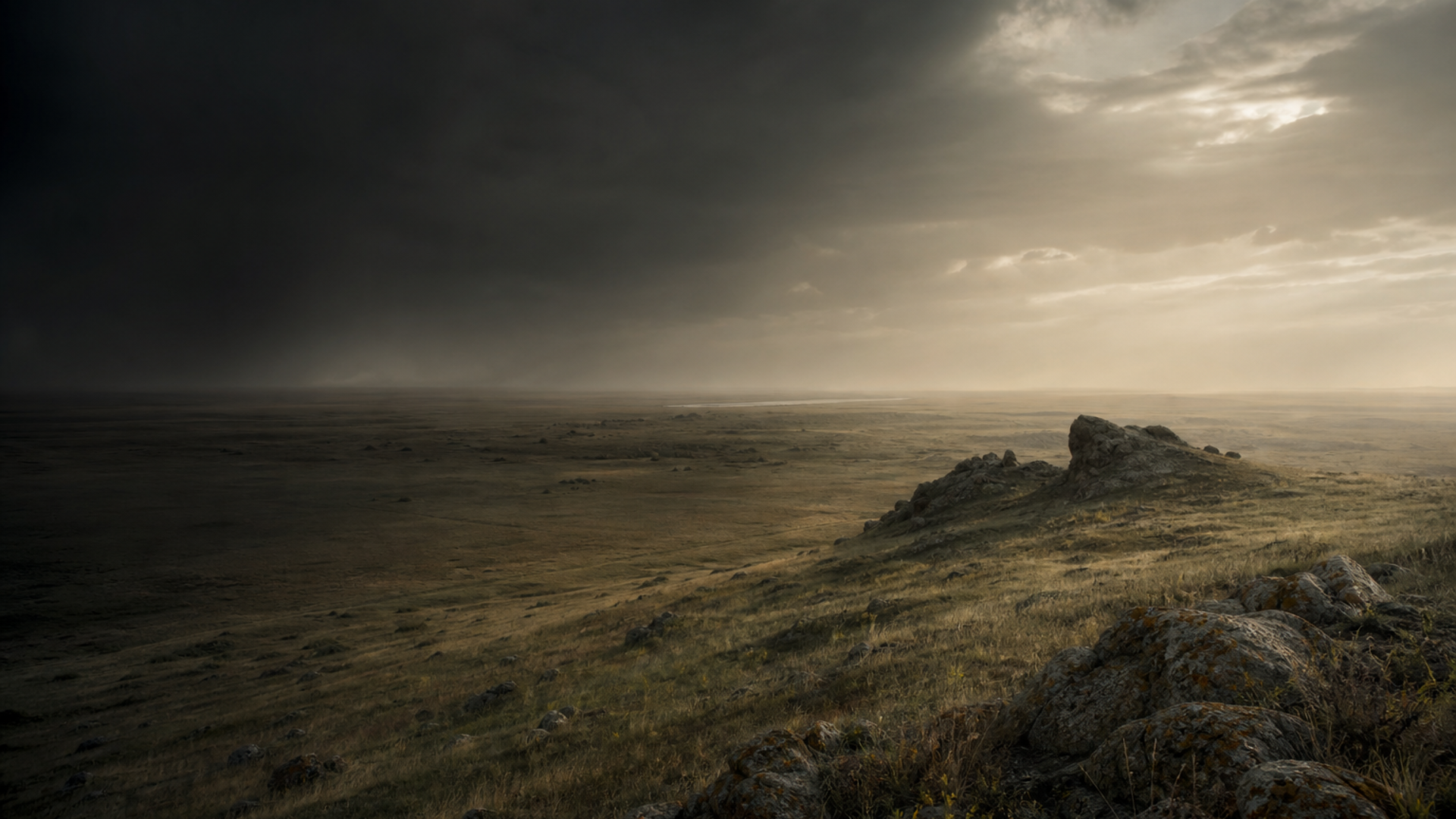
From the high grasslands of the Pontic steppe a dramatic cultural horizon emerges in the first millennium BCE: the Western Scythian communities who left behind mounds, hillfort deposits and richly furnished graves. Archaeological data from sites such as Kolomak hillfort, Kup'evaha mounds, Medwin Group I and Mamai-Gora record funerary practices, weaponry fragments and horse gear consistent with a mobile, pastoral-warrior lifeway. Radiocarbon-calibrated contexts in our dataset span roughly 778–171 BCE, placing these burials squarely within the Iron Age Western Scythian tradition.

Material culture suggests regional interaction across the middle Dnipro and adjacent steppe corridors. Burial rites vary: single inhumations, multiple skeletons within a mound, and differential grave goods that imply social differentiation. Limited evidence suggests these communities were neither wholly nomadic nor fully sedentary but operated along a continuum of hillfort-centered settlement and seasonal mobility. Archaeology indicates sustained contact with neighboring groups—trade, raiding, and marriage networks likely shaped the emergence of a distinct Western Scythian identity. However, the archaeological record is fragmentary in places, and many interpretations remain provisional pending broader regional sampling.

  • Sites: Kolomak hillfort, Kup'evaha, Medwin, Mamai-Gora
  • Dates: 778–171 BCE (Iron Age Western Scythian)
  • Evidence for mixed mobility: hillforts plus burial mounds
Capítulo IV

Daily Life & Society

Excavated burials and settlement traces paint a cinematic scene: horse tack glinting in sunlit grass, clusters of earth where mounds mark remembered dead, and the steady pulse of pastoral rhythms. Osteological remains show lived bodies shaped by riding, spear use and domestic labor. Grave assemblages range from modest personal ornaments to weapon fragments, suggesting variable status and potentially specialized roles—mounted warriors, herders, and artisans.

Settlement features at Kolomak and nearby hillforts indicate seasonal aggregation points where exchange and social ritual likely occurred. Archaeological deposits include imported objects and local wares, implying long-distance connections across the Pontic steppe. Plant and faunal remains, when preserved, indicate mixed pastoralism—sheep, cattle and horse—augmented by foraged and cultivated resources. Funerary variability—single versus multiple burials, presence or absence of grave goods—hints at flexible kinship and social organization rather than rigid caste structures. Yet preservation biases and the limited number of thoroughly analyzed burials mean these reconstructions are tentative and should be tested with more systematic excavations and sampling.

  • Evidence of horse culture and pastoralism
  • Variable grave wealth suggests social differentiation
Capítulo V

Genetic Profile

Genomic data from eight individuals (sampled 778–171 BCE) provide a rare molecular window into Western Scythian communities. Because the sample count is small (<10), all genetic conclusions must be treated as preliminary. Y-chromosome results show a predominance of haplogroup R (3 individuals), with single occurrences of J and Q. These Y-lineages are consistent with a strong steppe-derived male component (R is widespread on the Eurasian steppe), alongside signals that may reflect regional contacts—J often appears in contexts with Near Eastern connections, and Q can indicate wider Eurasian links.

Mitochondrial diversity is higher than paternal diversity in this set: H appears twice, with single instances of W, T2b, J and X4. Such maternal variety suggests female-mediated gene flow and exogamy, where women from diverse backgrounds joined local communities. Archaeological contexts (mound burials, hillfort pits) align with this genetic picture of mobility and interconnection.

Genome-wide ancestry (where data permit) commonly shows a mix of steppe-associated ancestry with varying proportions of local European Neolithic-related components in contemporaneous Scythian groups elsewhere; however, we lack broad autosomal comparisons for all eight Ukrainian individuals here. In short, the genetic snapshot points to steppe-rooted male lineages combined with diverse maternal inputs—consistent with a mobile, networked Iron Age society—but larger sample sets are needed to confirm population-level patterns.

  • Small sample (n=8): conclusions are preliminary
  • Y: R dominant; mtDNA: diverse (H, W, T2b, J, X4)
Capítulo VI

Legacy & Modern Connections

The echoes of the Western Scythians persist in the archaeology of the Pontic steppe and in genetic threads woven into later populations. Archaeological motifs—mounted warriors, animal-style art, mound landscapes—continue to shape scholarly and popular images of the Iron Age steppe. Genetically, Y-lineages like R remain common across Europe and Eurasia, while the maternal diversity observed in these burials mirrors the long history of mobility that characterizes the region.

Caution is essential: with only eight sampled individuals, we cannot equate this small dataset with the full complexity of Iron Age populations in Ukraine. Nevertheless, combining burial context, artifact evidence and preliminary DNA results offers a compelling narrative: Western Scythian communities were dynamic players in a broad web of exchange, marriage and movement. Future excavations and larger genetic surveys will refine how these communities contributed to the genetic and cultural tapestry of later Eastern European peoples.

  • Archaeological motifs influenced later steppe cultures
  • Preliminary genetic links suggest continuity and mobility
Con IA

Asistente de IA

Haz preguntas sobre la cultura Western Scythians of Ukraine

Asistente de IA por DNAGENICS

Desbloquear esta función
Pregunta sobre la cultura Western Scythians of Ukraine. El asistente con IA puede explicar hallazgos genéticos, contexto histórico, pruebas arqueológicas y conexiones modernas, con sus límites de interpretación.
Ejemplo de análisis con IA

La cultura Western Scythians of Ukraine representa un capítulo de la historia humana...

El análisis genético permite estudiar similitudes con poblaciones anteriores y posibles adaptaciones. Las muestras de ADN antiguo aportan información para investigar patrones migratorios y relaciones entre poblaciones, con límites que dependen del estudio y del contexto arqueológico.

Esta es una vista previa del análisis con IA. Accede al asistente completo para explorar información sobre:

  • Composición y similitud genética
  • Patrones migratorios y orígenes
  • Vida cotidiana y prácticas culturales
  • Contexto genético moderno

Explora más culturas antiguas

Descubre la historia de civilizaciones de distintas partes del mundo antiguo