Saltar al contenido principal
Cultura destacada

Yuzhny Oleniy Ostrov: Lake Onega Mesolithic

A lakeside cemetery in Karelia where burials, artifacts and ancient DNA meet

6432 CE - 5000 BCE
Lake Onega, Republic of Karelia, Russia

La historia

Mesolithic cemetery at Yuzhny Oleniy Ostrov (6432–5000 BCE) in Republic of Karelia. Sixteen ancient genomes illuminate a lakeside hunter‑gatherer community with mixed Eurasian lineages (Y: M, L, Q, YP, L53; mt: U-dominated). Archaeology and DNA together reveal mobility and eastern links.

Time Period

6432–5000 BCE (Mesolithic)

Region

Lake Onega, Republic of Karelia, Russia

Common Y-DNA

M, L, Q, YP, L53 (low counts)

Common mtDNA

U (dominant), U4, R1b (reported in dataset)

Cronología

6432 BCE

Earliest burials begin

Radiocarbon dates indicate initial use of the Yuzhny Oleniy Ostrov cemetery around 6432 BCE.

5600 BCE

Active cemetery phase

A prolonged phase of burials and funerary activity, with repeated interments and grave assemblages.

5000 BCE

Decline in use

Archaeological data indicates a reduction or cessation of cemetery use around 5000 BCE.

Origins & Emergence

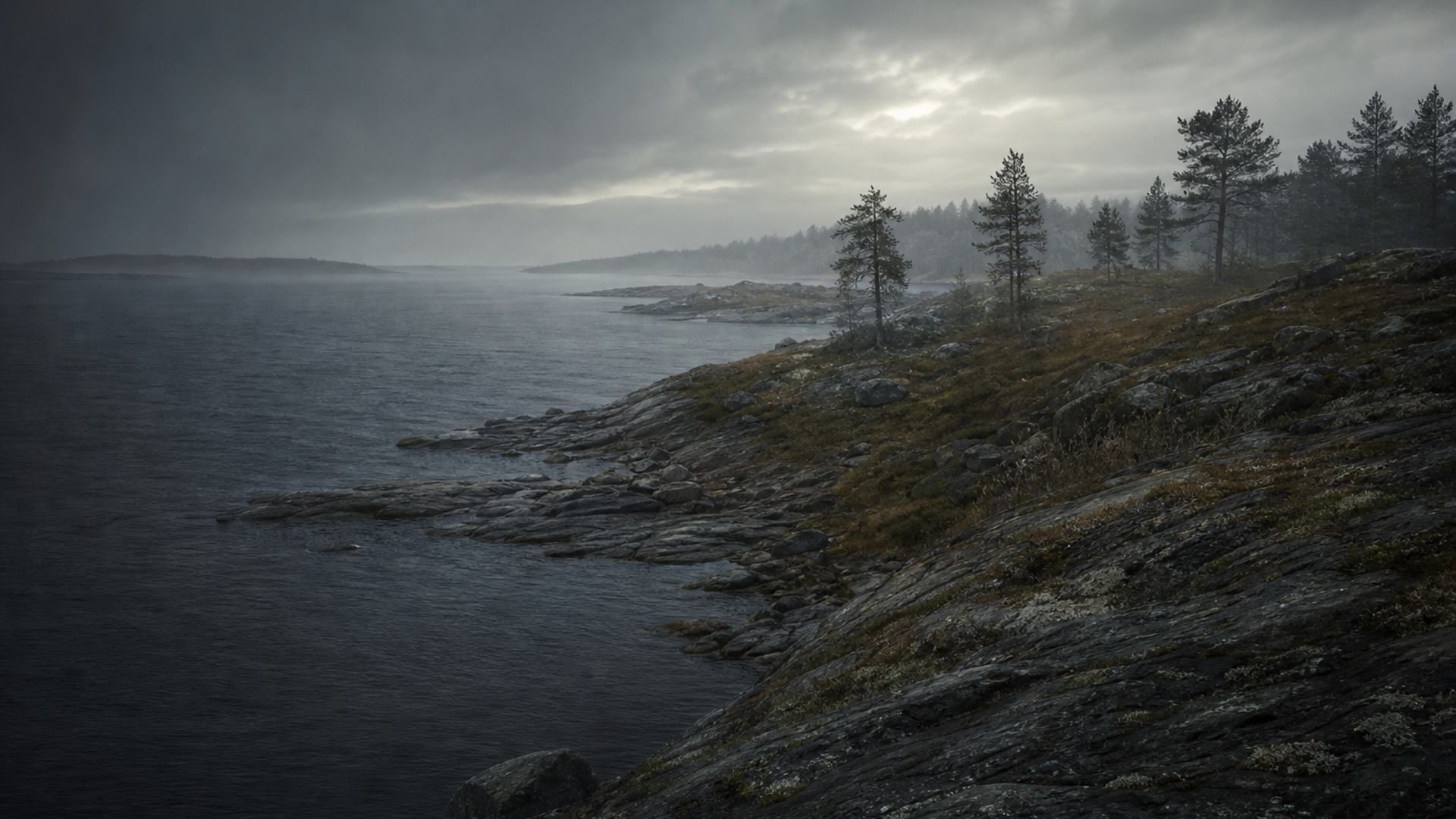
The Yuzhny Oleniy Ostrov cemetery sits like a muted archive on the shores of Lake Onega (Velikaya Guba Village, Medvezhyegorsky District). Archaeological data indicates burial activity at the site between ca. 6432 and 5000 BCE, placing it firmly within the Mesolithic transformation of northern Eurasia. Excavations have revealed a cemetery context with human interments accompanied by organic and worked‑bone artifacts; the preservation of antler, bone and occasional wooden elements gives us a rare window into mortuary practice on a lakeshore landscape.

Cultural attribution is often given to the Yuzhny Oleny Ostrov culture, a local Mesolithic horizon defined by burial ritual and material assemblages. The cemetery’s stratigraphy and radiocarbon dates suggest repeated use across centuries rather than a single catastrophic event. Sedentary seasonal rounds around rich freshwater resources—fish, fowl and aquatic plants—are inferred from middens and tool types, and archaeological indicators point to a community structured around the lake’s resources.

Limited evidence suggests continuity with broader northeast European hunter‑gatherer traditions, but the site also preserves distinctive local mortuary practices. Ongoing analyses aim to refine the chronology and social phases recorded in the burial ground.

  • Cemetery use between 6432–5000 BCE on Lake Onega
  • Associated with the Yuzhny Oleny Ostrov cultural horizon
  • Preservation of bone, antler and organic burial contexts

Daily Life & Society

Imagine a daylight shoreline where smoke from simple hearths threads across reeds and the dull flash of antler points appears at the lakeshore: archaeological evidence paints a picture of seasonal, resource‑focused lifeways. Toolkits recovered from the site and nearby occupation layers include worked bone and antler implements, suggesting intensive exploitation of fish and aquatic mammals, as well as hunting of forest game. Middens and organic traces indicate a diet rich in freshwater resources, and the clustering of burials implies social groups organized around kin or extended family units.

Burial contexts are socially informative: individuals were interred with care, and grave goods and placement patterns signal differential treatment that may reflect age, sex, or role within the group. The presence of imported or non‑local materials is limited but hints at mobility along river and lake corridors. Seasonal movement between inland woodlands and productive lake margins is consistent with ethnographic parallels for northern hunter‑gatherers.

Archaeological data indicates adaptability to a changing post‑glacial environment—subsistence strategies, tool specialization and mortuary ritual all respond to the rhythms of the lake and forest.

  • Fishing and lake resources central to subsistence
  • Mortuary variability suggests social differentiation

Genetic Profile

Sixteen ancient genomes sampled from Yuzhny Oleniy Ostrov provide a rare genetic window into a Mesolithic lakeside community. The Y‑chromosome assignments in the dataset show M (2), L (2), Q (1), YP (1) and L53 (1) as observed types, while mitochondrial lineages are dominated by U (8), with additional reports of R1b (4) and U4 (3) in the provided dataset. These numbers are small enough that each lineage represents a few individuals, so conclusions about populationwide frequencies should remain cautious.

Genetic affinities inferred from these genomes indicate ties to broader northeast European hunter‑gatherer ancestry components frequently identified in ancient DNA studies (often grouped as EHG or related clades). The presence of haplogroups such as Q and YP on the Y‑chromosome side is consistent with links or gene flow toward northeastern Eurasian/Siberian genetic pools, though low counts mean this could reflect sporadic inputs or founder effects. The dominance of mtDNA U‑lineages fits patterns seen across many Mesolithic European sites, where U lineages mark deep hunter‑gatherer maternal continuity.

Overall, the combined archaeological and genomic picture suggests a community rooted in northeastern Europe but with detectable eastern connections. Further sampling and comparative analyses will be necessary to resolve the timing and directionality of those interactions.

  • 16 genomes show mixed Y lineages (M, L, Q, YP, L53) and mtDNA dominated by U
  • Genetic affinities suggest links to northeast European hunter‑gatherers with some eastern influences

Legacy & Modern Connections

Yuzhny Oleniy Ostrov stands as a cinematic crossroads where bone artifacts and genomes together narrate Mesolithic life on Lake Onega. Archaeological data indicates that populations using this cemetery participated in broader networks of mobility across northern Eurasia. Genomic signals from the site contribute to a larger map of post‑glacial population structure: they help define the genetic landscape that preceded later Neolithic and Bronze Age transformations in northern Europe.

Direct lines of descent to any single modern group should be drawn with restraint. Instead, the legacy is one of contribution—these individuals help calibrate models of ancestry in modern north Eurasian populations, illuminate patterns of maternal continuity via mtDNA U, and reveal episodic eastern gene flow. As more samples and contextual analyses accumulate, Yuzhny Oleniy Ostrov will continue to refine our understanding of how Mesolithic lifeways shaped the genetic heritage of the region.

  • Contributes key Mesolithic genomes to models of north Eurasian ancestry
  • Illustrates maternal continuity (mtDNA U) and episodic eastern inputs

Asistente de IA

Asistente de IA por DNAGENICS

Desbloquear esta función
Pregunta sobre la cultura Yuzhny Oleniy Ostrov: Lake Onega Mesolithic. El asistente con IA puede explicar hallazgos genéticos, contexto histórico, pruebas arqueológicas y conexiones modernas, con sus límites de interpretación.
Ejemplo de análisis con IA

La cultura Yuzhny Oleniy Ostrov: Lake Onega Mesolithic representa un capítulo de la historia humana...

El análisis genético permite estudiar similitudes con poblaciones anteriores y posibles adaptaciones. Las muestras de ADN antiguo aportan información para investigar patrones migratorios y relaciones entre poblaciones, con límites que dependen del estudio y del contexto arqueológico.

Esta es una vista previa del análisis con IA. Accede al asistente completo para explorar información sobre:

  • Composición y similitud genética
  • Patrones migratorios y orígenes
  • Vida cotidiana y prácticas culturales
  • Contexto genético moderno