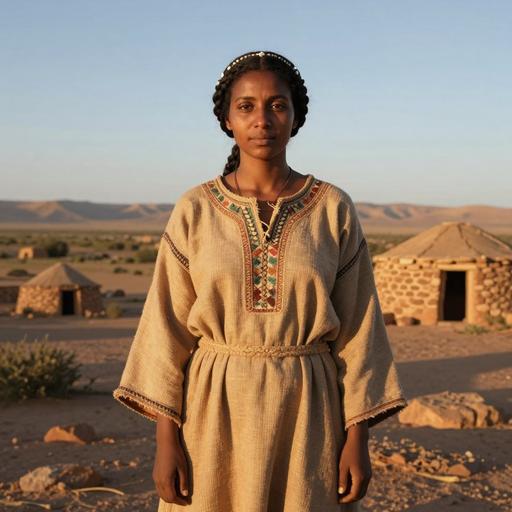
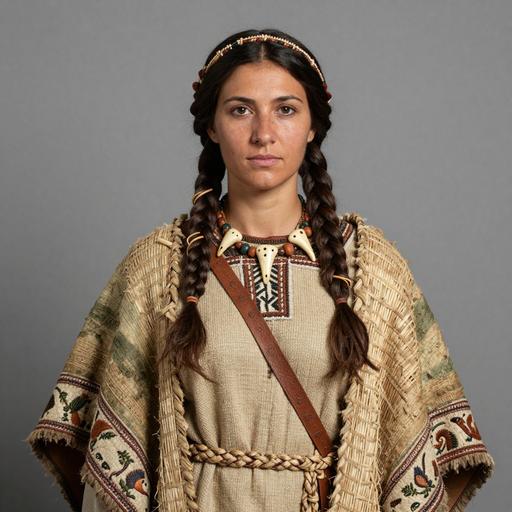
Profil de référence pour une branche de lignée. Des haplogroupes partagés n'établissent pas de lien familial ni d'identité culturelle.
Profil de référence
Contexte de la branche
Contexte historique de la branche de lignée mtDNA X2
Origins and Evolution
mtDNA haplogroup X2 is a primary branch of haplogroup X and likely split from its sister lineages in the Late Glacial period roughly ~20–25 kya. Phylogenetic analyses and ancient DNA studies place the diversification of X2 in Western Asia / the Near East, a region that has acted as a genetic crossroads between Europe, North Africa and Central Asia. From this Near Eastern source X2 expanded and diversified into multiple regional subclades during the Late Glacial and early Holocene.
X2 should be viewed as a lineage with both deep Paleolithic associations (its root coalescing near the Last Glacial Maximum) and later Neolithic-era population movements that redistributed its subclades across Eurasia and into North America (in the unique X2a branch).
Subclades
Key subclades of X2 include several regionally differentiated lineages (often labeled X2b, X2c, X2d, X2e, X2g, etc.), and the well-known X2a branch found principally in some Native American populations. Many X2 subclades have focal distributions: some are centered in the Caucasus and Anatolia, others in the Mediterranean and Europe. The Native American X2a is phylogenetically distinct and is interpreted as having entered the Americas via Beringia during the Late Pleistocene/Early Holocene.
Geographical Distribution
Today X2 is most common and diverse in the Near East, the Caucasus and parts of Southern Europe, with lower-frequency occurrences across broader Europe, North Africa and into Central Asia. Ancient DNA from Neolithic sites in Anatolia and the Levant, and from later European contexts, shows X2 lineages present among early farmers, consistent with movement of maternal lineages from the Near East into Europe during the Neolithic. The presence of X2a in North America is a notable exception illustrating a separate early migration into the Americas.
Historical and Cultural Significance
Because of its Near Eastern origin and its diversification during the Late Glacial and early Holocene, X2 is often discussed in the context of Neolithic farmer dispersals that spread Near Eastern maternal lineages into Europe and the Mediterranean. It is detected in modern populations associated with the Caucasus, Anatolia and Southern Europe and has been identified in some ancient skeletal remains from Neolithic and later periods. The distinctive X2a subclade provides evidence for one component of the maternal ancestry of some Native American groups and therefore has significance for understanding early peopling of the Americas.
Conclusion
mtDNA haplogroup X2 represents a lineage with a Near Eastern Late Glacial origin that later contributed maternal ancestry to multiple regions across Eurasia and, via the X2a branch, to parts of North America. Its pattern—diversity concentrated in the Near East/Caucasus with scattered but persistent presence in Europe, North Africa and the Americas—illustrates the combined effects of deep Pleistocene structure and Holocene migrations (notably the Neolithic expansion) on maternal genetic landscapes. Ongoing aDNA sampling and fine-scale phylogenetic work continue to refine the timing and routes of X2 dispersals.
Points clés
Origins and Evolution
Subclades
Geographical Distribution
Historical and Cultural Significance
Conclusion
Profil de référence
Arbre et relations
Contexte phylogénétique et sous-clades
Voie évolutive
Suivez les branches parentes consignées jusqu'à X2. Les dates sont des estimations et peuvent évoluer lorsque les données de référence sont révisées.
The populations where mtDNA haplogroup X2 is found include:
Levantine and Near Eastern populations (e.g., Lebanese, Palestinians, Syrians)
Anatolian and Turkish populations
Caucasus populations (e.g., Armenians, Georgians)
Southern European populations (e.g., Greeks, Italians)
Western and Central European populations (lower to moderate frequency)
North African populations (Berber and coastal groups, low frequency)
Ashkenazi and other Near Eastern-derived Jewish communities (at low to moderate frequency)
Selected Native North American groups (X2a — e.g., some Algonquian/Great Lakes-area groups)
Scattered occurrences in Central Asia and the Eurasian steppe (low frequency)
Contexte historique
Une branche dans le temps
Formation estimée sur une chronologie historique large. Les repères de période servent de contexte et n'impliquent pas de lien avec des cultures particulières.
Il y a ~22k ans
Haplogroupe X2
Formation estimée de cette branche mtDNA ; les dates et les lieux sont des estimations de référence.
Cette branche
Il y a ~20k ans
Dernier maximum glaciaire
Apogée de la dernière période glaciaire, populations isolées
Il y a ~10k ans
Révolution néolithique
Début de l'agriculture et émergence de communautés sédentaires
Il y a ~5k ans
Âge du bronze
Travail des métaux, écriture et premières civilisations
Il y a ~3k ans
Âge du fer
Outils en fer, réseaux d'échanges élargis
Il y a ~2.5k ans
Antiquité classique
Floraison des civilisations grecque et romaine
Aujourd'hui
Aujourd'hui
Époque moderne
Profil de référence
Contexte archéologique
Associations archéologiques consignées pour la branche mtDNA X2
Associations consignées
Ces libellés décrivent des contextes archéologiques consignés pour des échantillons de référence liés à X2. Une association n'établit pas que tous les porteurs appartenaient à une culture ni qu'ils ont suivi une route migratoire précise.
Les attributions culturelles reposent sur le contexte archéologique des échantillons d'ADN ancien et peuvent refléter des associations régionales à certaines périodes.
Profil de référence
Catalogue d'échantillons
48 porteurs de sous-clade de l'haplogroupe X2 (aucun porteur direct dans la sélection de référence actuelle)
10 affiché(s) · 48 échantillons correspondants
Aucun échantillon ne correspond à ces filtres. Essayez un autre libellé, lieu ou période.
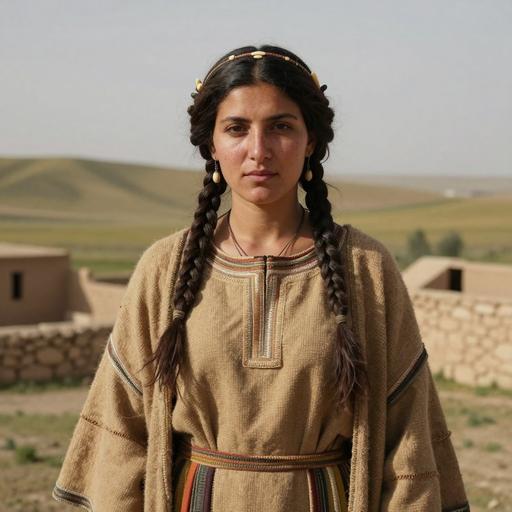
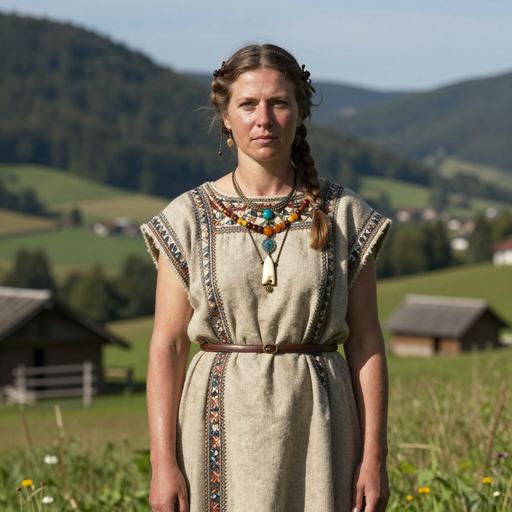
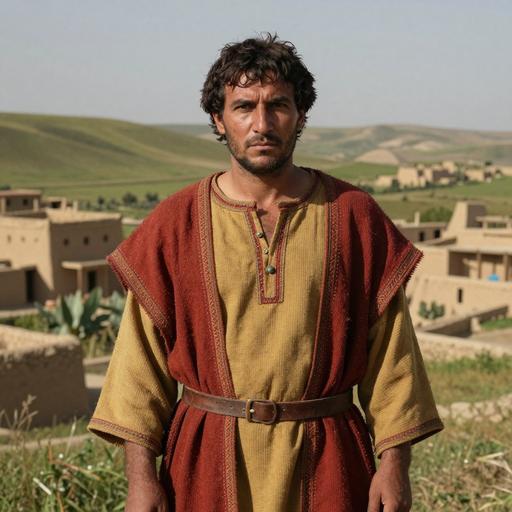
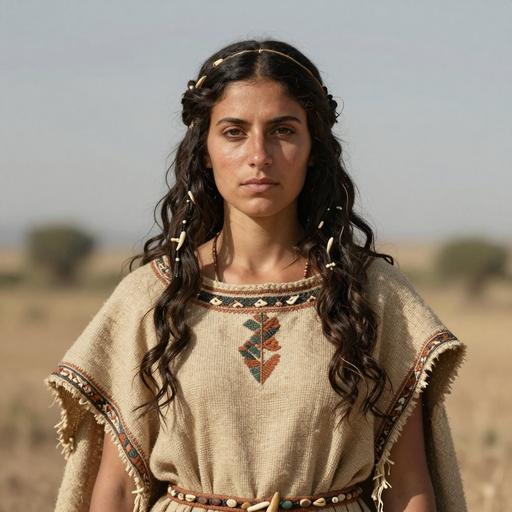
Les portraits sont des illustrations générées par IA. Les libellés d'échantillon et identifiants d'accès désignent les enregistrements de référence.
Suivez les clades parents jusqu'à cette branche et explorez où des porteurs antiques ont été identifiés.
Chargement des observations antiques…
La réduction des animations est activée. Utilisez la chronologie ou Tout afficher pour explorer à votre rythme.
Lire les observations sous forme de tableau
Observations antiques affichées par branche, période et date médiane
Branche
Période
Plage de dates
Échantillon
Identifiant d'échantillon
Emplacement
Haplogroupe
Relation
Les marqueurs indiquent des lieux de découvertes archéologiques. Un trait pointillé représente une transition géographique proposée et incertaine entre branches consécutives, appuyée sur plusieurs observations datées ; ce n'est pas un itinéraire exact, un lieu de naissance ni une preuve de descendance directe. Des échantillons de clades parents peuvent appartenir à d'autres branches descendantes. Des lacunes subsistent lorsque les preuves sont insuffisantes. Les dates d'échantillon diffèrent des dates de formation des haplogroupes.
Le regroupement par période historique reflète quand chaque individu antique a vécu, en combinant toutes les branches de cette chaîne de lignée ; ce n'est pas une séquence migratoire ni une chronologie personnelle entre périodes.
Profil de référence
Carte de répartition des porteurs
Répartition géographique de 48 échantillons d'ADN ancien (porteurs directs et de sous-clade de X2)
Porteur de sous-clade
Filtre de période
Toutes les périodes
Affichage de tous les échantillons
Profil de référence
Répartition temporelle
Répartition des porteurs selon les périodes archéologiques
Profil de référence
Répartition géographique
Effectifs par pays d'échantillon consigné. Ils reflètent la sélection de référence disponible, pas des fréquences de population.
Profil de référence
Répartition pays × époque
Comparez les effectifs d'échantillons consignés selon les pays et les périodes archéologiques. Sélectionnez une cellule renseignée pour examiner un échantillon.
Données
Données et provenance
Informations sur les sources et qualité des données
Dernière mise à jour2026-06-14
Source des données
La classification, les dates estimées et le contexte géographique reflètent les données de référence consignées et peuvent évoluer lorsque les éléments sont révisés. La couverture d'échantillons est inégale ; les lieux consignés et les associations archéologiques n'établissent pas une origine personnelle ni une identité culturelle.