Aller au contenu principal
Y-DNA · lignée Paternelle

Q1

Y-DNA Haplogroup Q1

Profil de référence pour une branche de lignée. Des haplogroupes partagés n'établissent pas de lien familial ni d'identité culturelle.

Profil de référence

Contexte de la branche

Contexte historique de la branche de lignée Y-DNA Q1

Origins and Evolution

Y-DNA haplogroup Q1 is an important downstream branch of haplogroup Q (M242), one of the key paternal lineages associated with northern Eurasian prehistory. Based on its phylogenetic position and the broader distribution of Q, Q1 likely emerged in northern Eurasia during the Late Paleolithic or very early Holocene, after the initial diversification of Q but before the major demographic expansions that shaped Siberia and the Americas.

Haplogroup Q is widely interpreted as having formed somewhere in North Eurasia, with later expansions into Siberia and across Beringia into the Americas. Q1 belongs to the set of lineages that preserve this deep ancestry and is therefore relevant to discussions of Ice Age hunter-gatherer mobility, Beringian population structure, and the formation of Indigenous American paternal lineages.

Subclades

Q1 is an intermediate clade within haplogroup Q and serves as a bridge to younger lineages within the Q tree. Depending on the phylogenetic framework used, Q1 includes major descendant branches such as Q1a and Q1b, which are important in different regional histories.

Key points about the structure of Q1 include:

  • It is downstream of Q and therefore younger than the ancestral Q lineage.
  • Its descendant branches show strong geographic differentiation across Siberia, Central Asia, and the Americas.
  • Some subclades of Q1 are especially relevant to Native American founding lineages, while others are more common in Central Asian and Siberian populations.

Geographical Distribution

Haplogroup Q1 is most strongly associated with populations in Indigenous North and South America, where it is a major paternal lineage in many communities. It is also present in Siberian indigenous populations, Central Asian groups, and at lower frequencies in northern Europe and parts of the Near East / West Asia.

This distribution reflects a deep history of north Eurasian dispersals, founder effects, and later regional expansions. In the Americas, Q1 lineages are typically interpreted as part of the ancestral paternal pool that entered the New World from northeastern Asia via Beringia.

Historical and Cultural Significance

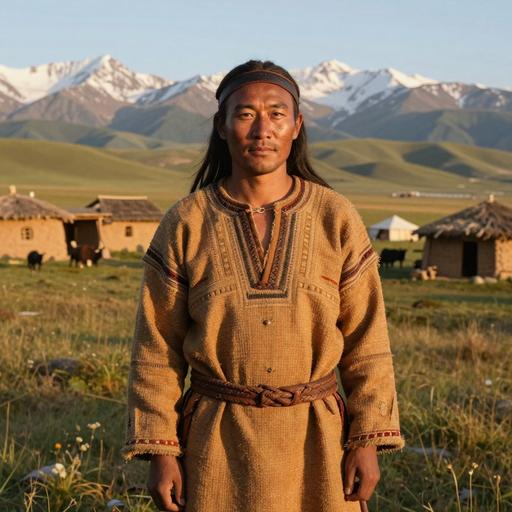
Q1 is significant because it captures one of the most important paternal threads in the peopling of the Americas. Its presence among Indigenous American groups aligns with models of a Beringian source population and subsequent spread throughout the Americas during the Late Pleistocene and early Holocene.

In Siberia and Central Asia, Q1 reflects the complex genetic landscape of hunter-gatherer and early pastoralist populations. In some West Eurasian and European contexts, low-frequency Q1 lineages may reflect historical gene flow from steppe, Siberian, or Central Asian sources, as well as later movements during the medieval and historical periods.

Conclusion
Y-DNA haplogroup Q1 is a key paternal lineage for understanding northern Eurasian prehistory, Siberian population history, and the founding paternal ancestry of the Americas. As a subclade of haplogroup Q, it retains the deep evolutionary signal of an ancient Eurasian lineage while also exhibiting the strong regional structuring characteristic of later human dispersals.

Points clés

  • Origins and Evolution
  • Subclades
  • Geographical Distribution
  • Historical and Cultural Significance
  • Conclusion
Profil de référence

Arbre et relations

Contexte phylogénétique et sous-clades

Voie évolutive

Suivez les branches parentes consignées jusqu'à Q1. Les dates sont des estimations et peuvent évoluer lorsque les données de référence sont révisées.

Étapes Haplogroupe Âge estimé Époque archéologique Temps écoulé Descendants immédiats Descendants modernes testés Liens anciens
1 Q1 Actuel ~25,000 years ago Paleolithic 25,000 ans 2 568 33
2 Q ~30,000 years ago Paleolithic 30,000 ans 2 663 4

Branches sœurs (1)

Autres branches issues du même haplogroupe parent

Profil de référence

Dans le monde

Distribution géographique et présence moderne

Origine consignée

North Eurasia

Distribution moderne

The populations where Y-DNA haplogroup Q1 is found include:

  1. Indigenous peoples of the Americas
  2. Siberian indigenous populations
  3. Central Asian populations
  4. Some northern European populations
  5. Some West Eurasian and Middle Eastern populations

Présence régionale

North America (Indigenous populations) High
South America (Indigenous populations) High
Central Asia High
Siberia / North Asia High
East Asia Low
South Asia Low
Middle East Low
Eastern Europe Low
Northern Europe (including Scandinavia) Low
Northern Asia High
Contexte historique

Une branche dans le temps

Formation estimée sur une chronologie historique large. Les repères de période servent de contexte et n'impliquent pas de lien avec des cultures particulières.

  1. Il y a ~25k ans

    Haplogroupe Q1

    Formation estimée de cette branche Y-DNA ; les dates et les lieux sont des estimations de référence.

    Cette branche
  2. Il y a ~20k ans

    Dernier maximum glaciaire

    Apogée de la dernière période glaciaire, populations isolées

  3. Il y a ~10k ans

    Révolution néolithique

    Début de l'agriculture et émergence de communautés sédentaires

  4. Il y a ~5k ans

    Âge du bronze

    Travail des métaux, écriture et premières civilisations

  5. Il y a ~3k ans

    Âge du fer

    Outils en fer, réseaux d'échanges élargis

  6. Il y a ~2.5k ans

    Antiquité classique

    Floraison des civilisations grecque et romaine

  7. Aujourd'hui

    Aujourd'hui

    Époque moderne

Profil de référence

Contexte archéologique

Associations archéologiques consignées pour la branche Y-DNA Q1

Associations consignées

Ces libellés décrivent des contextes archéologiques consignés pour des échantillons de référence liés à Q1. Une association n'établit pas que tous les porteurs appartenaient à une culture ni qu'ils ont suivi une route migratoire précise.

Cueva Roja Ekven Kennewick Khvalynsk Culture Koshkino-Boborykino Mesolithic Ukrainian Ob River Culture Pukara Sargat Culture Tajik Mesolithic Ural Mesolithic Culture
Les attributions culturelles reposent sur le contexte archéologique des échantillons d'ADN ancien et peuvent refléter des associations régionales à certaines périodes.
Profil de référence

Catalogue d'échantillons

33 porteurs de sous-clade de l'haplogroupe Q1 (aucun porteur direct dans la sélection de référence actuelle)

10 affiché(s) · 33 échantillons correspondants

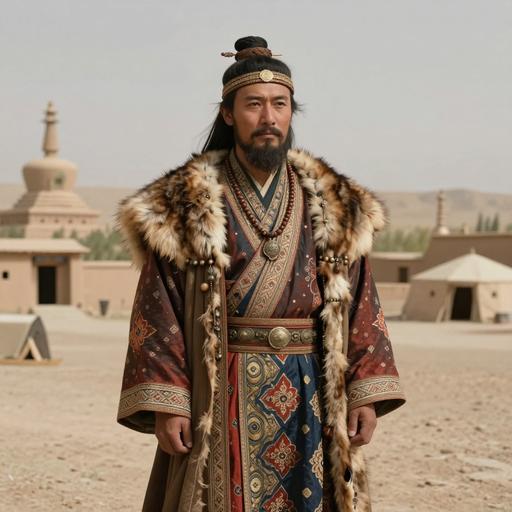
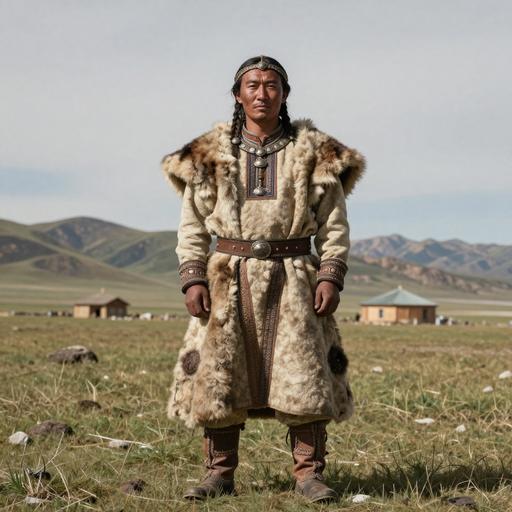
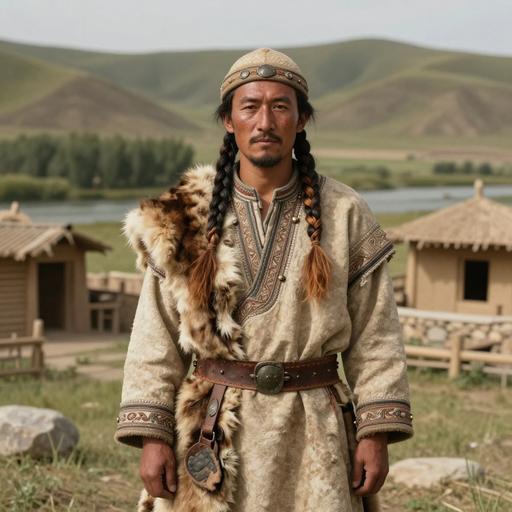
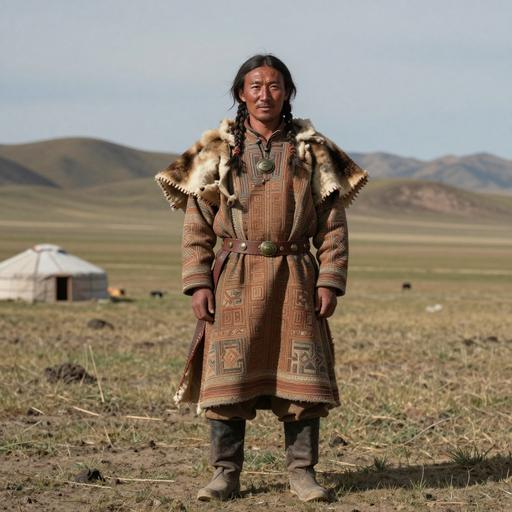
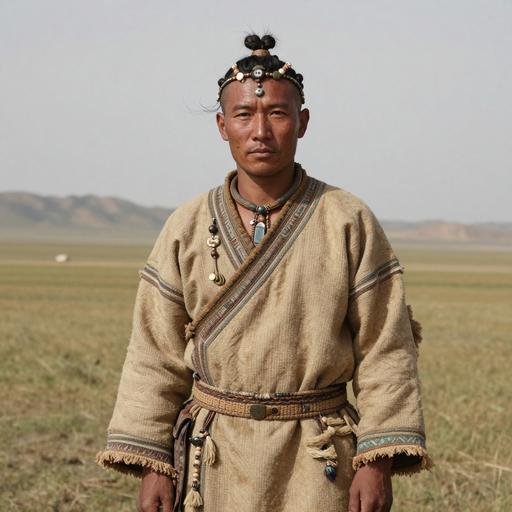
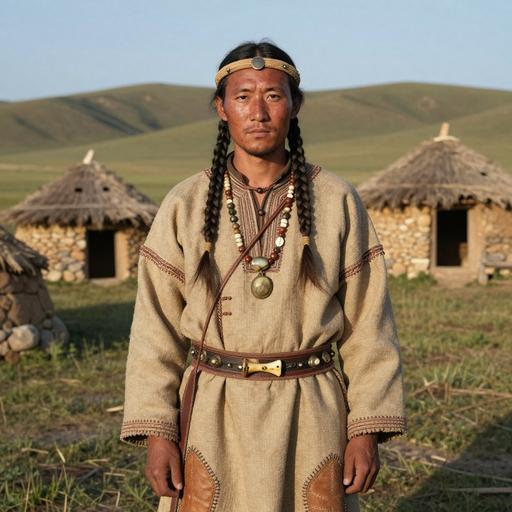
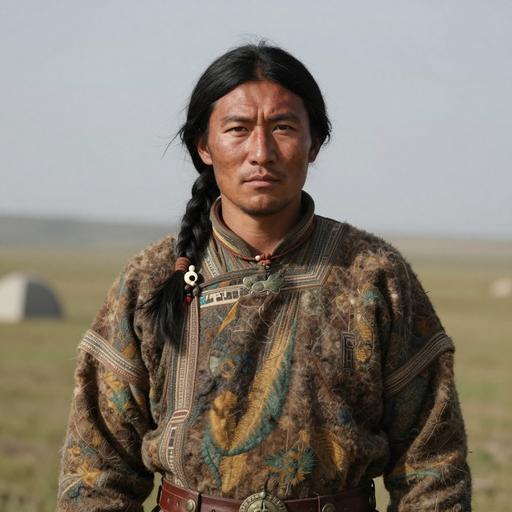
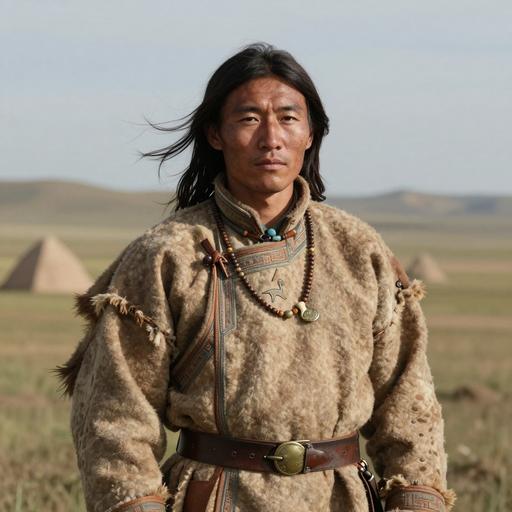
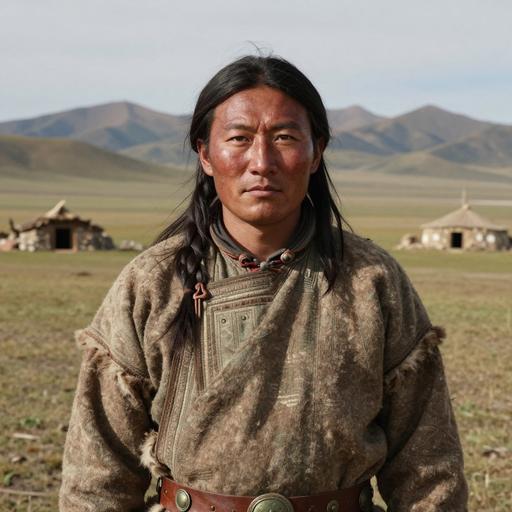
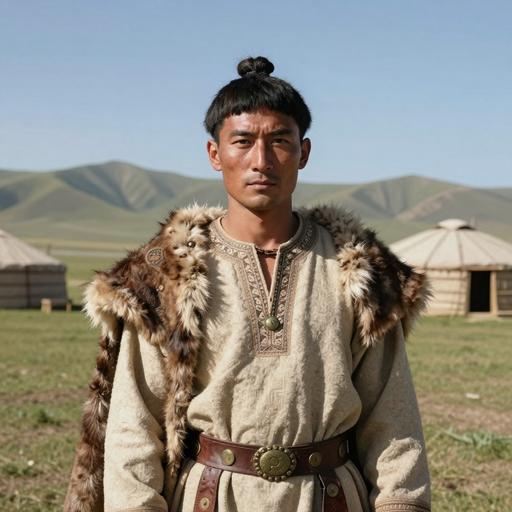
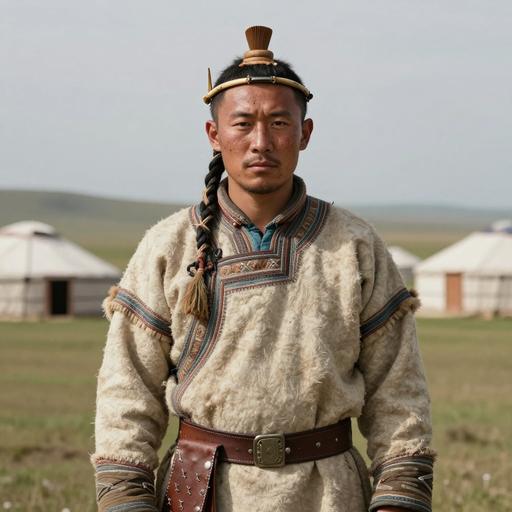
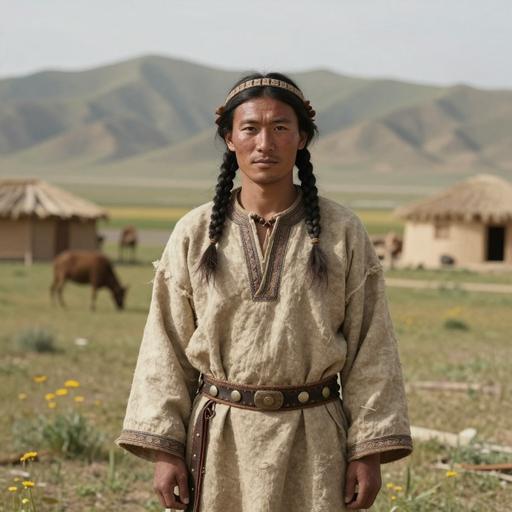
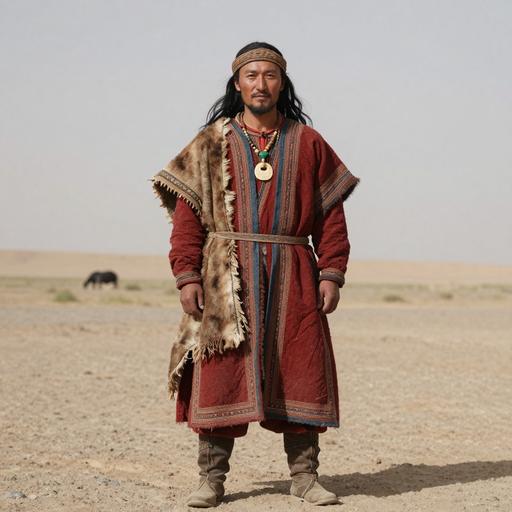
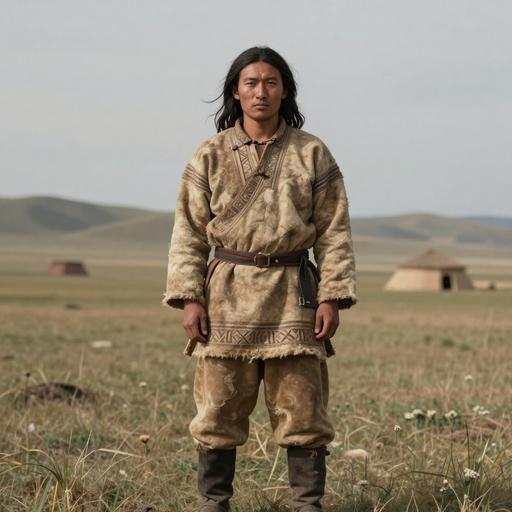
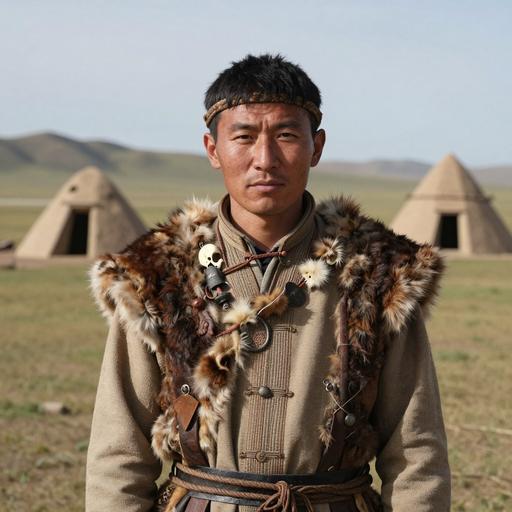
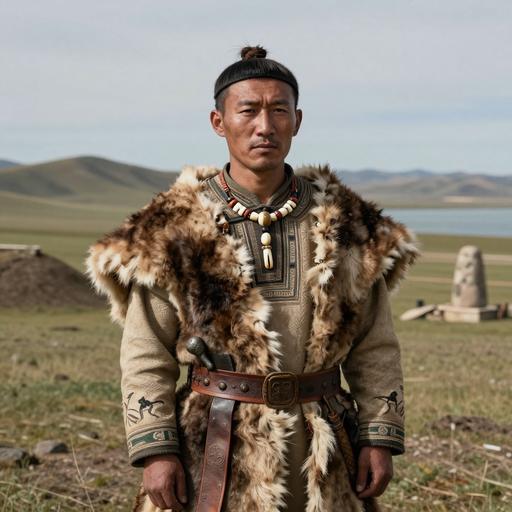
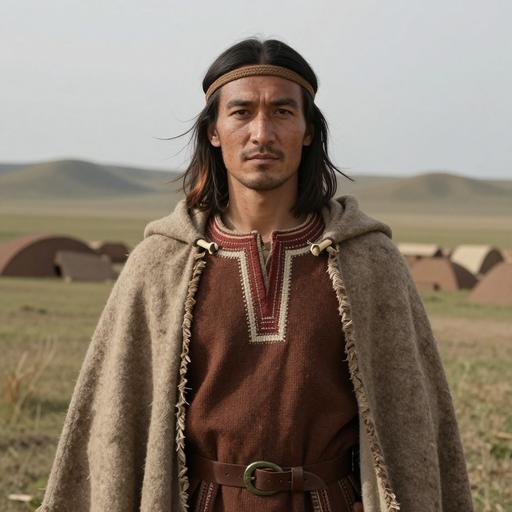
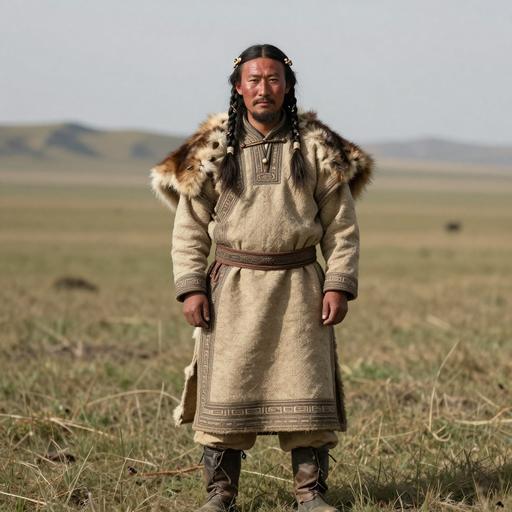
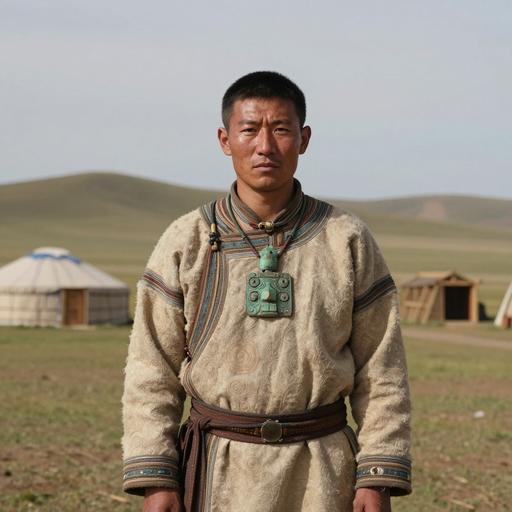
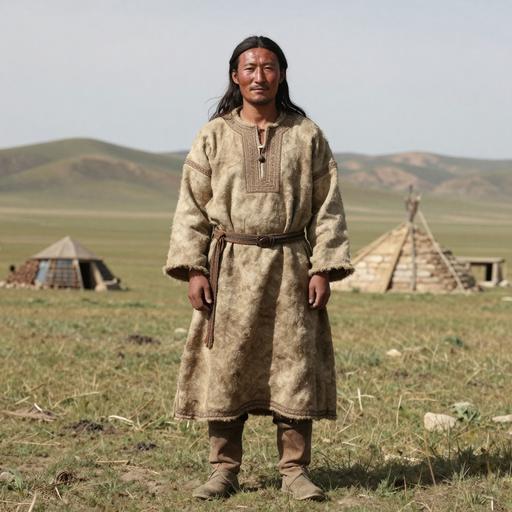
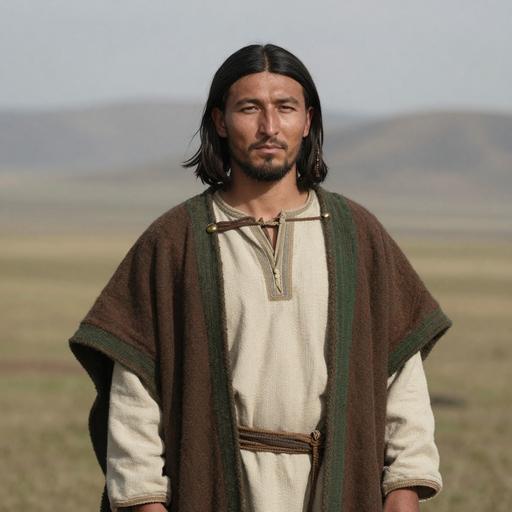
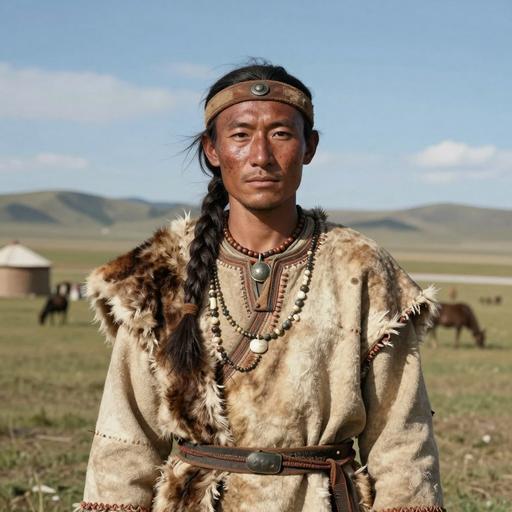
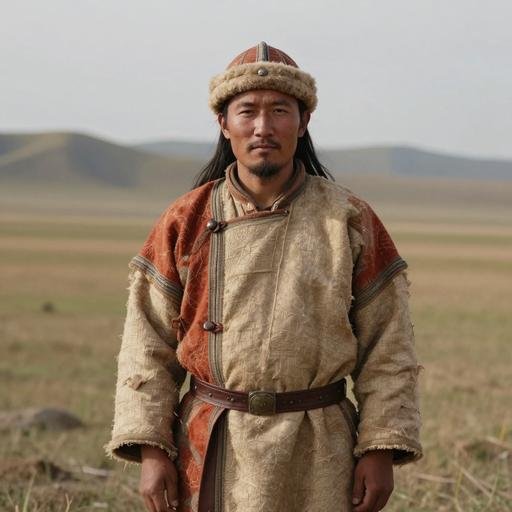
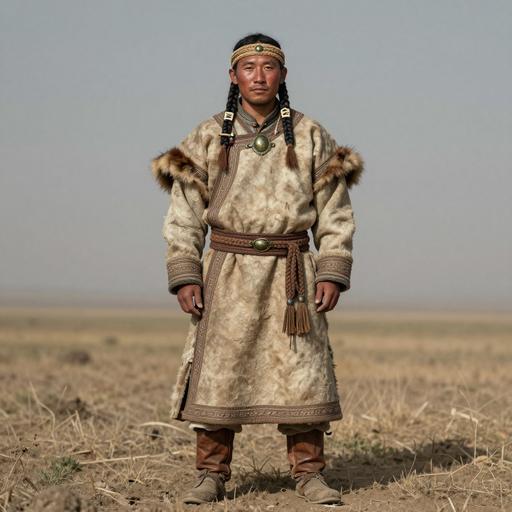
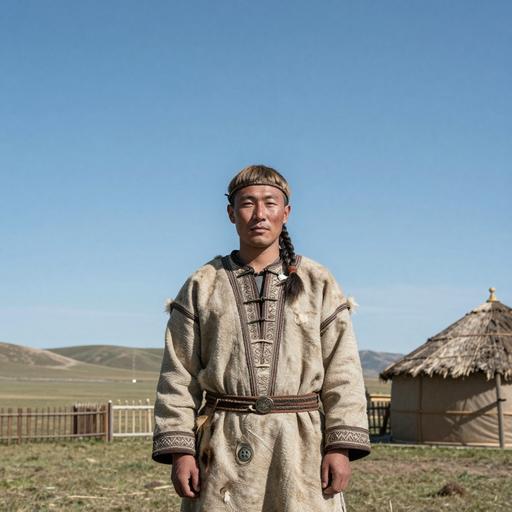
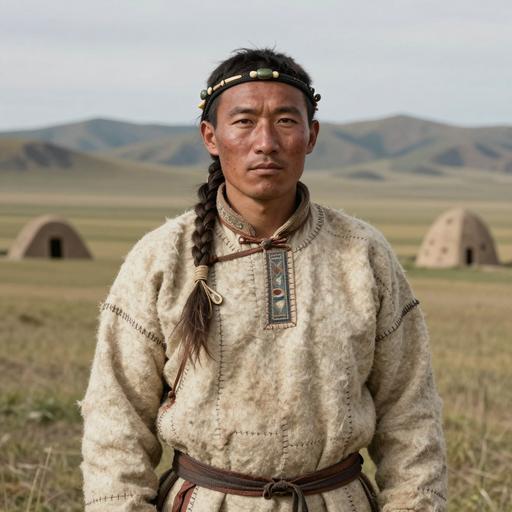
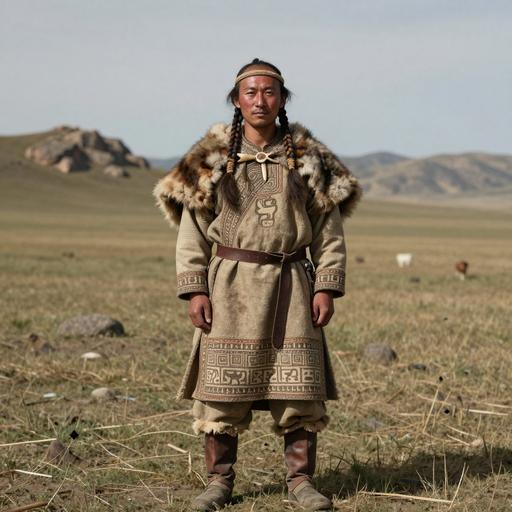
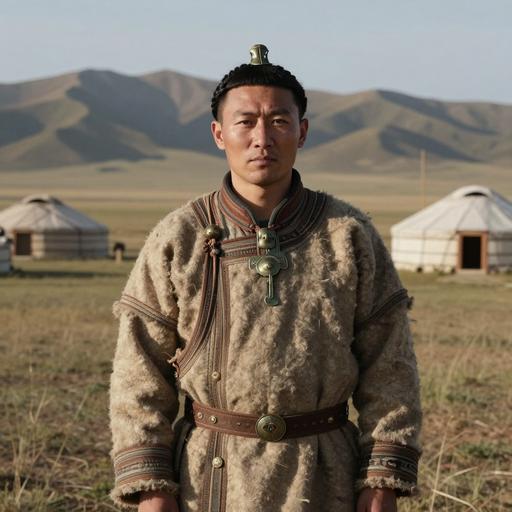
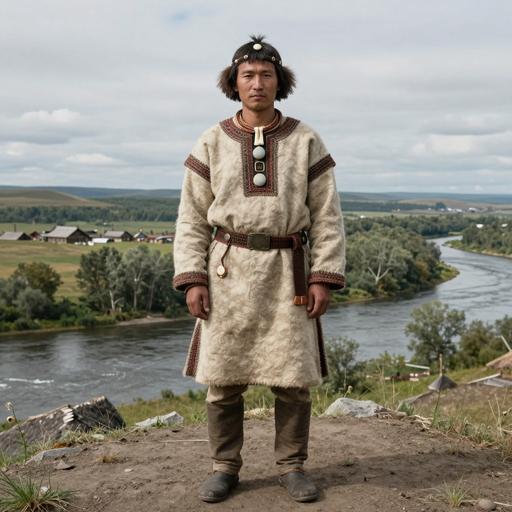
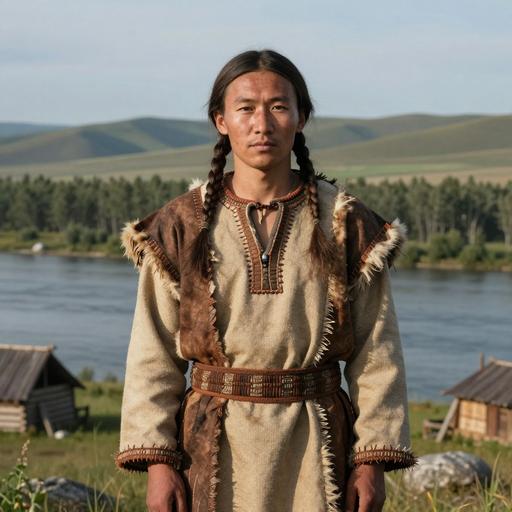
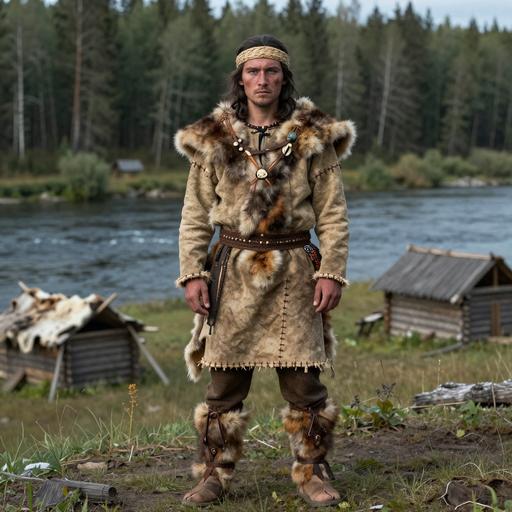
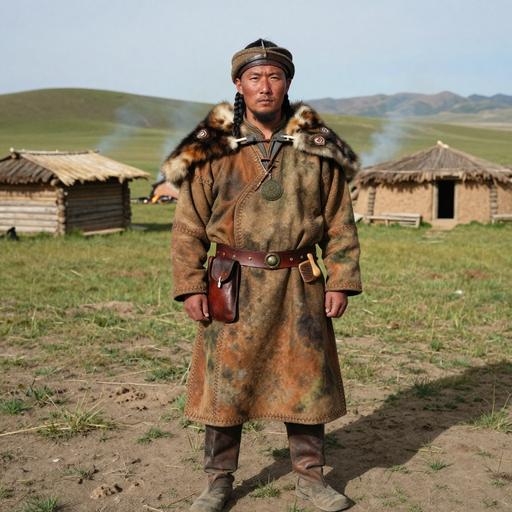
Les portraits sont des illustrations générées par IA. Les libellés d'échantillon et identifiants d'accès désignent les enregistrements de référence.

Portrait Échantillon Pays Époque Date Culture Y-DNA Correspondance
Portrait illustratif généré par IA de Silk Road Civilizations individual, Xinjiang. Hetian Region. Luopu County. Shanpula, China (84-239 CE)
Identifiant d'échantillon : C3625
China Historical Sampula, China 84 CE - 239 CE Sampula Q1a2a1c Sous-clade
Portrait illustratif généré par IA de EIA Sagly-4 individual, Uvs aimag. Ulaangom sum. Chandman Uul. Ulaangom cemetery Grave #47. Burial 2, Mongolia (346-57 BCE)
Identifiant d'échantillon : I6230
Mongolia Mongolia EIA Sagly 4 346-57 calBCE (2140±20 BP, PSUAMS-7396) Sagly Culture Q1b1a3a1-L332 Sous-clade
Portrait illustratif généré par IA de Xinjiang Wutulan IA individual, Xinjiang. Yili Region. Nileke County. Wutulan, China (352-109 BCE)
Identifiant d'échantillon : C4283
China China Xinjiang Wutulan IA 400-100 BCE Wutulan Culture Q1a2a1c Sous-clade
Portrait illustratif généré par IA de Nomadic Steppe Cultures individual, Uvs aimag. Ulaangom sum. Chandman Uul. Ulaangom cemetery Grave #53. burial 2, Mongolia (356-172 BCE)
Identifiant d'échantillon : I7029
Mongolia Mongolia EIA Sagly 4 356 BCE - 172 BCE Sagly Culture Q1b1a3a1-BZ433 Sous-clade
Portrait illustratif généré par IA de EIA Sagly-4 individual, Uvs aimag. Ulaangom sum. Chandman Uul. Ulaangom cemetery Grave #47. Burial 3, Mongolia (357-167 BCE)
Identifiant d'échantillon : I6231
Mongolia Mongolia EIA Sagly 4 357-167 calBCE (2180±20 BP, PSUAMS-7397) Sagly Culture Q1b1a3a1-L332 Sous-clade
Portrait illustratif généré par IA de EIA Sagly-4 individual, Uvs aimag. Ulaangom sum. Chandman Uul. Ulaangom cemetery Grave #48. Burial 6, Mongolia (387-208 BCE)
Identifiant d'échantillon : I6232
Mongolia Mongolia EIA Sagly 4 387-208 calBCE (2245±20 BP, PSUAMS-7271) Sagly Culture Q1b1a3a1-L332 Sous-clade
Portrait illustratif généré par IA de EIA Sagly-4 individual, Uvs aimag. Ulaangom sum. Chandman Uul. Ulaangom cemetery Grave #11. Burial 7, Mongolia (389-208 BCE)
Identifiant d'échantillon : I7022
Mongolia Mongolia EIA Sagly 4 389-208 calBCE (2250±20 BP, PSUAMS-4000) Sagly Culture Q1a2a-F4793 Sous-clade
Portrait illustratif généré par IA de Nomadic Steppe Cultures individual, Uvs aimag. Ulaangom sum. Chandman Uul. Ulaangom cemetery Grave #48 burial 7, Mongolia (399-231 BCE)
Identifiant d'échantillon : I12970
Mongolia Mongolia EIA Sagly 4 399 BCE - 231 BCE Sagly Culture Q1b1a3a1-L332 Sous-clade
Portrait illustratif généré par IA de Nomadic Steppe Cultures individual, Uvs aimag. Ulaangom sum. Chandman Uul. Ulaangom cemetery. Grave #58. Burial 2, Mongolia (400-200 BCE)
Identifiant d'échantillon : I6356
Mongolia Mongolia EIA Sagly 4 400 BCE - 200 BCE Sagly Culture Q1b1a3b-SK1944 Sous-clade
Portrait illustratif généré par IA de Xinjiang Wutulan IA possible individual, Xinjiang. Yili Region. Nileke County. Wutulan, China (403-57 BCE)
Identifiant d'échantillon : C1649
China China Xinjiang Wutulan IA 450-50 BCE Wutulan Culture Q1b1b2a Sous-clade
LIGNÉE PATERNELLE · ADN ANTIQUE

Carte des preuves de lignées antiques

Suivez les clades parents jusqu'à cette branche et explorez où des porteurs antiques ont été identifiés.

Chargement des observations antiques…

Les marqueurs indiquent des lieux de découvertes archéologiques. Un trait pointillé représente une transition géographique proposée et incertaine entre branches consécutives, appuyée sur plusieurs observations datées ; ce n'est pas un itinéraire exact, un lieu de naissance ni une preuve de descendance directe. Des échantillons de clades parents peuvent appartenir à d'autres branches descendantes. Des lacunes subsistent lorsque les preuves sont insuffisantes. Les dates d'échantillon diffèrent des dates de formation des haplogroupes.

Profil de référence

Carte de répartition des porteurs

Répartition géographique de 33 échantillons d'ADN ancien (porteurs directs et de sous-clade de Q1)

Porteur de sous-clade
Filtre de période
Toutes les périodes
Affichage de tous les échantillons
Profil de référence

Répartition temporelle

Répartition des porteurs selon les périodes archéologiques

Profil de référence

Répartition géographique

Effectifs par pays d'échantillon consigné. Ils reflètent la sélection de référence disponible, pas des fréquences de population.

Profil de référence

Répartition pays × époque

Comparez les effectifs d'échantillons consignés selon les pays et les périodes archéologiques. Sélectionnez une cellule renseignée pour examiner un échantillon.

Données

Données et provenance

Informations sur les sources et qualité des données

Dernière mise à jour 2026-06-17
Score de confiance 50/100
Couverture Low

Source des données

La classification, les dates estimées et le contexte géographique reflètent les données de référence consignées et peuvent évoluer lorsque les éléments sont révisés. La couverture d'échantillons est inégale ; les lieux consignés et les associations archéologiques n'établissent pas une origine personnelle ni une identité culturelle.