Menu
Y-DNA Haplogroup • Paternal Lineage

Q1

Y-DNA Haplogroup Q1

~20,000 years ago
Central Asia / Siberia
2 subclades
33 ancient samples
Scroll to explore
Chapter I

The Story

The journey of Y-DNA haplogroup Q1

Origins and Evolution

Haplogroup Q1 is a major sublineage of parent haplogroup Q (M242), which arose during the Late Pleistocene in Central Asia / southern Siberia. Q1 likely diversified as human groups expanded northward and eastward across Siberia during the Last Glacial Maximum and the subsequent Late Glacial period. From this northern Eurasian reservoir several downstream Q1 lineages moved into Beringia and then into the Americas; strong founder effects and rapid expansion in small founding populations produced the high frequencies and limited downstream diversity of certain New World Q1 subclades.

Genetic studies and ancient DNA analyses have identified Q1-associated lineages in Pleistocene and Holocene contexts across Siberia and in early Native American remains (including lineages defined by markers such as M3 and L54 in common nomenclature for downstream branches). The phylogenetic position of Q1 within Q places it as the ancestor of many of the Q-derived lineages observed in both Eurasia and the Americas.

Subclades (if applicable)

  • Q-M3 (often classified within Q1 substructure): A hallmark paternal lineage among many Indigenous peoples of the Americas; shows signatures of a strong founder effect and rapid expansion after entry into the Americas.
  • Q-L54 and related lineages: Found in both Siberia and Native American populations and represent branches that diversified in Beringia and adjacent regions prior to or during the migration into the Americas.
  • Other Q1-derived branches persist in Central Asia and Siberia and account for the continentally distributed, low-frequency occurrences of Q observed in Europe, South Asia and the Middle East.

Because Y-chromosome nomenclature and subclade naming have evolved with new SNP discoveries, exact labels for Q1 subclades may vary between publications; however, the broad pattern of a northern Eurasian origin with American founder branches is consistent.

Geographical Distribution

Q1 has a geographically wide but uneven distribution. It reaches high frequency in many Indigenous populations of the Americas where specific Q1-descended subclades represent primary paternal lineages. In Central Asia and Siberia Q1 and its derivatives are also common, reflecting the haplogroup's origin and long-term presence in northern Eurasia. Outside these core regions Q1 persists at low frequencies across parts of Eastern and Northern Europe, the Middle East, South Asia and East Asia—reflecting ancient gene flow, historical migrations, and later admixture events.

Ancient DNA has recovered Q1 in several prehistoric Siberian and early American contexts (including the so-called Ancient Beringian and early Holocene American samples), supporting the genetic story of eastward expansion and trans-Beringian migration.

Historical and Cultural Significance

  • In the Americas, Q1-derived lineages correspond to major paternal founder events associated with the initial peopling of North and South America; these lineages are therefore central to studies of Indigenous American population history.
  • In Siberia and Central Asia, Q1 lineages reflect continuity among Paleolithic and Holocene hunter-gatherer groups and later interactions with pastoralist and agricultural populations.
  • Low-frequency occurrences of Q1 in Europe, the Middle East and South Asia are often interpreted as traces of ancient north Eurasian ancestry, later Siberian-related movements, or low-level historical contacts rather than primary demographic replacement events.

From a cultural perspective, Q1-linked paternal lineages are found across a range of prehistoric contexts—from mobile Pleistocene hunter-gatherers in Beringia and Siberia to later Holocene communities—so Q1 is important for reconstructing migration routes, founder events, and demographic expansions.

Conclusion
Haplogroup Q1 is a pivotal branch of the Y-chromosome phylogeny for understanding the Late Pleistocene and early Holocene peopling of northern Eurasia and the Americas. Its pattern—originating in Central Asia / southern Siberia, diversifying in northern Eurasia, and contributing founding male lineages to Indigenous American populations—has been robustly supported by modern population surveys and ancient DNA. Continued SNP discovery and ancient sampling will refine the internal structure of Q1 and clarify timings and routes of its various dispersals.

Key Points

  • Origins and Evolution
  • Subclades (if applicable)
  • Geographical Distribution
  • Historical and Cultural Significance
  • Conclusion
Chapter II

Tree & Relationships

Phylogenetic context and subclades

Evolution Path

This haplogroup's evolutionary journey from its earliest ancestor to the present.

Steps Haplogroup Age Estimate Archaeology Era Time Passed Immediate Descendants Tested Modern Descendants Ancient Connections
1 Q1 Current ~20,000 years ago 🏹 Mesolithic 20,000 years 2 69 33
2 Q ~24,000 years ago 🦴 Paleolithic 24,000 years 2 153 4

Siblings (1)

Other branches from the same parent haplogroup

Chapter III

Where in the World

Geographic distribution and modern presence

Place of Origin

Central Asia / Siberia

Modern Distribution

The populations where Y-DNA haplogroup Q1 is found include:

  1. Indigenous peoples of the Americas
  2. Central Asians (Kazakhstan, Mongolia, and surrounding regions)
  3. Siberians
  4. Some populations in Eastern Europe (in lower frequencies)
  5. Some populations in Scandinavia (in lower frequencies)
  6. Some populations in the Middle East (in lower frequencies)
  7. Parts of South Asia (in lower frequencies)
  8. Parts of East Asia (in lower frequencies)

Regional Presence

North America (Indigenous populations) High
South America (Indigenous populations) High
Central Asia High
Siberia / North Asia High
East Asia Low
South Asia Low
Middle East Low
Eastern Europe Low
Northern Europe (including Scandinavia) Low
CHAPTER IV

When in Time

Your haplogroup in the context of human history

~20k years ago

Last Glacial Maximum

Peak of the last ice age, populations isolated

~20k years ago

Haplogroup Q1

Your Y-DNA haplogroup emerged in Central Asia / Siberia

Central Asia / Siberia
~10k years ago

Neolithic Revolution

Agriculture begins, settled communities form

~5k years ago

Bronze Age

Metalworking, writing, and early civilizations

~3k years ago

Iron Age

Iron tools, expanded trade networks

~2k years ago

Classical Antiquity

Greek and Roman civilizations flourish

Present

Present Day

Modern era

Your Haplogroup
Historical Era
Chapter IV-B

Linked Cultures

Ancient cultures associated with Y-DNA haplogroup Q1

Cultural Heritage

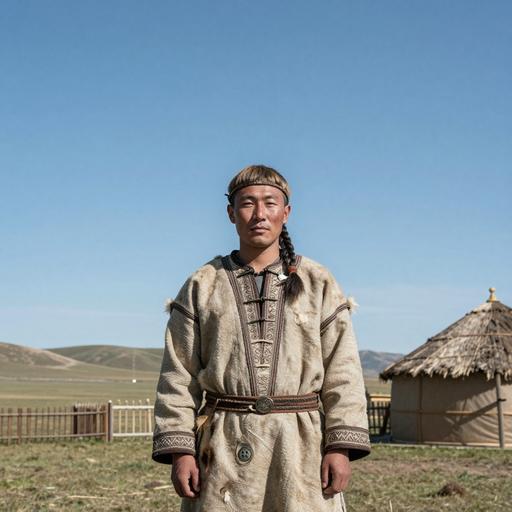
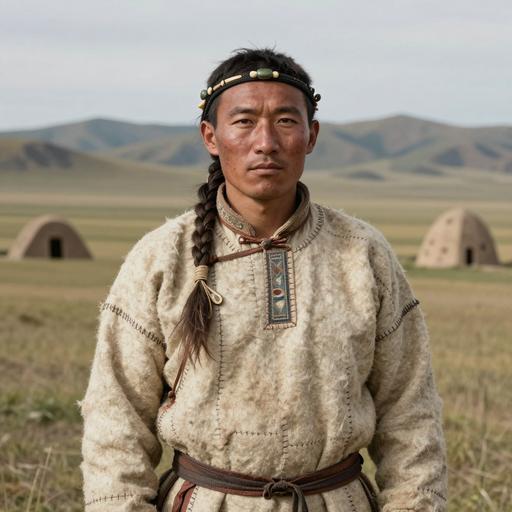
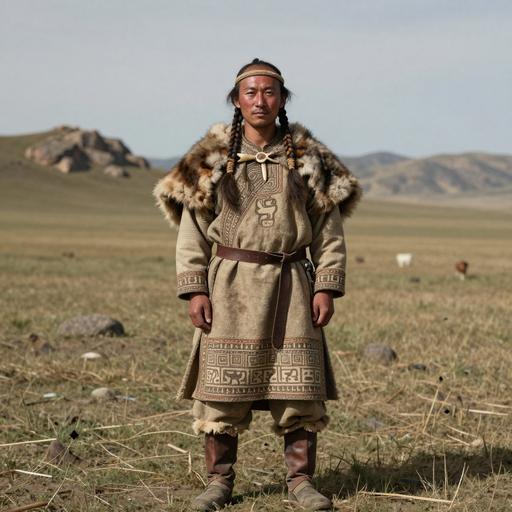
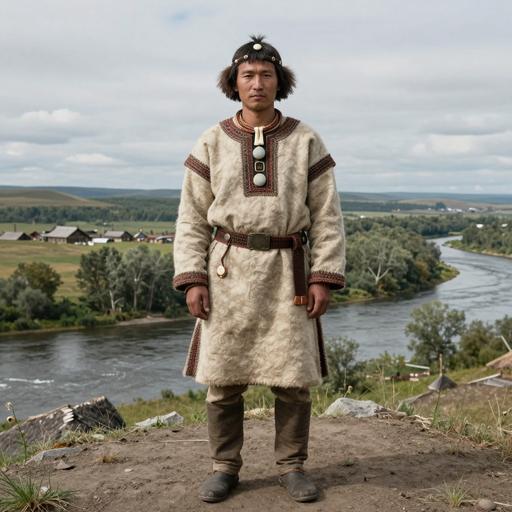
These ancient cultures have been linked to haplogroup Q1 based on matching ancient DNA samples from archaeological excavations. The presence of this haplogroup in these cultures provides insights into the migrations and population movements of populations carrying this haplogroup.

Afontova Gora Anzick Los Rieles Mesolithic Ukrainian Ragged Island Spirit Cave
Culture assignments are based on archaeological context of ancient DNA samples and may represent regional associations during specific time periods.
Chapter V

Sample Catalog

33 subclade carriers of haplogroup Q1 (no exact Q1 samples sequenced yet)

33 / 33 samples
Portrait Sample Country Era Date Culture Y-DNA Match
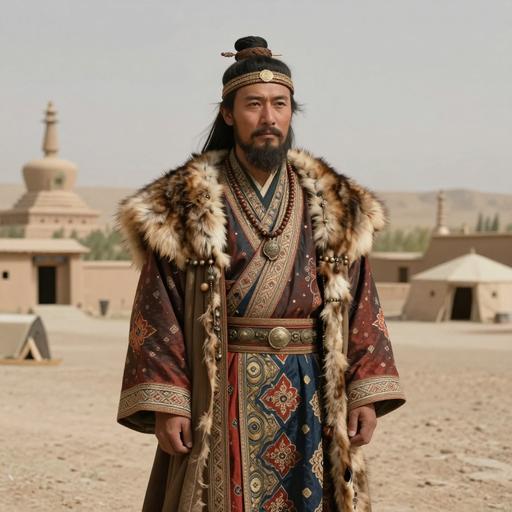
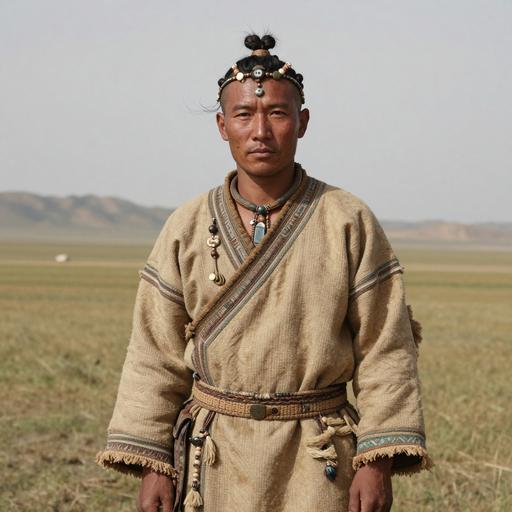
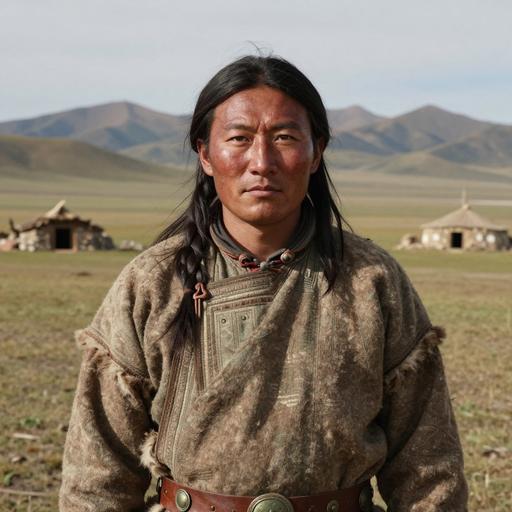
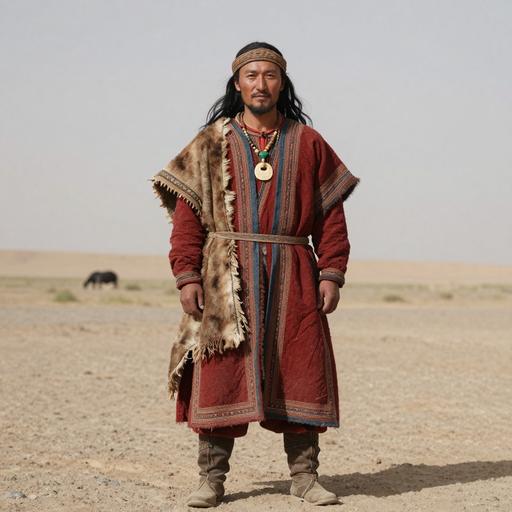
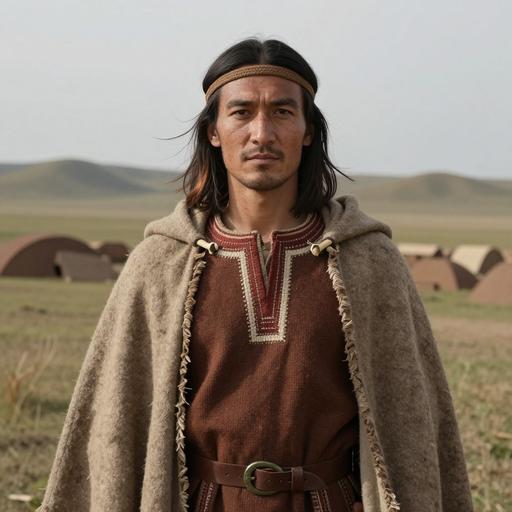
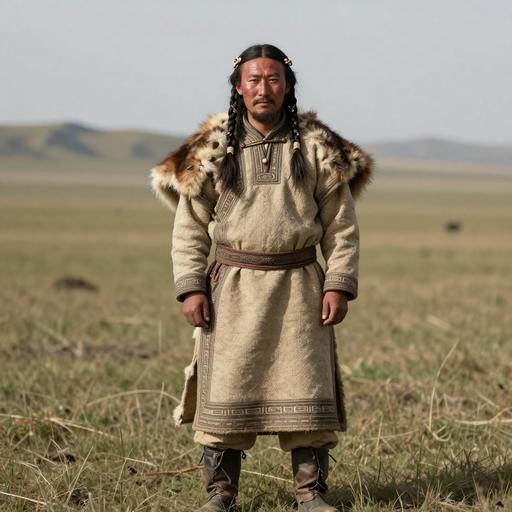
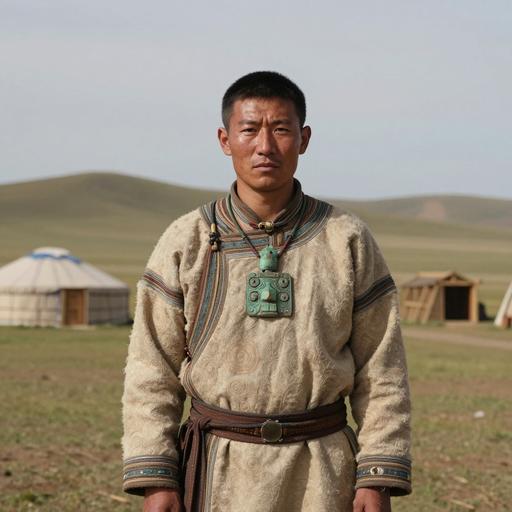
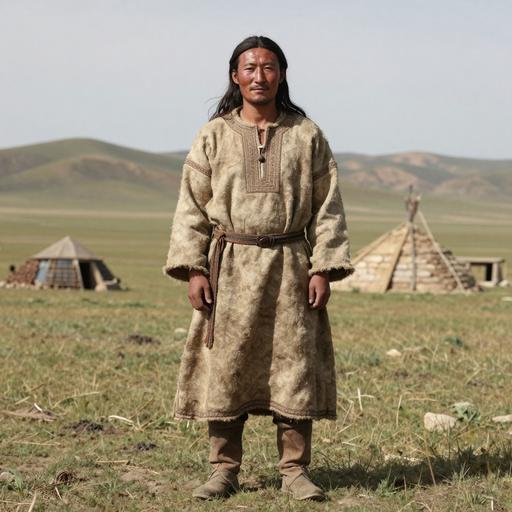
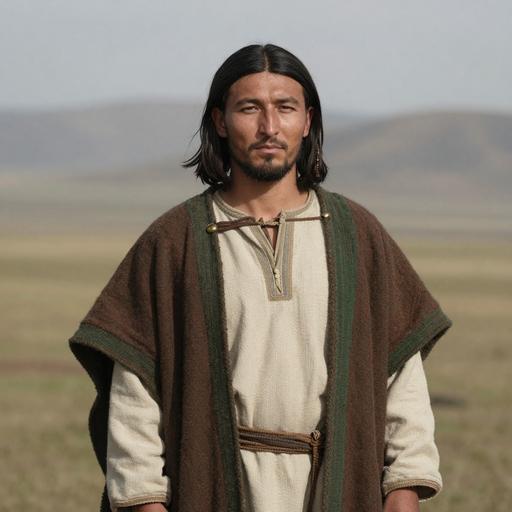
Portrait of ancient individual C3625 from China, dated 84 CE - 239 CE
C3625
China Historical Sampula, China 84 CE - 239 CE Sampula Q1a2a1c Downstream
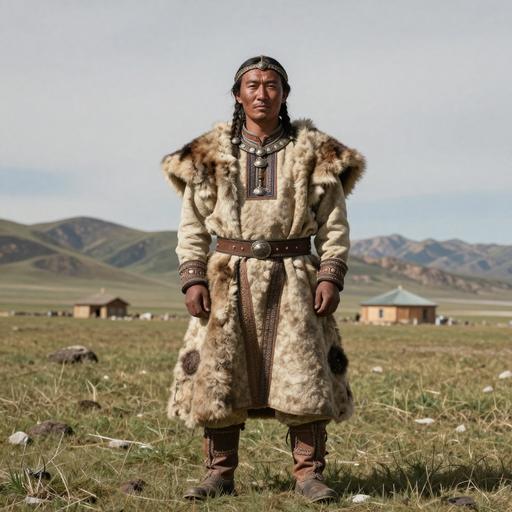
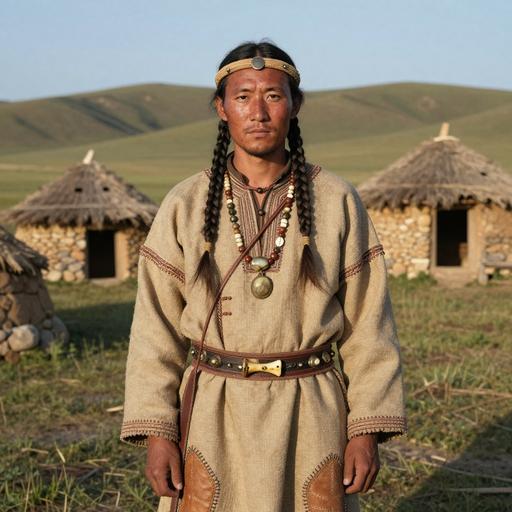
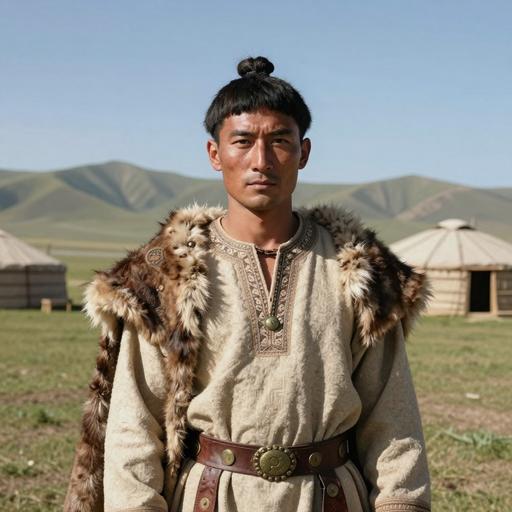
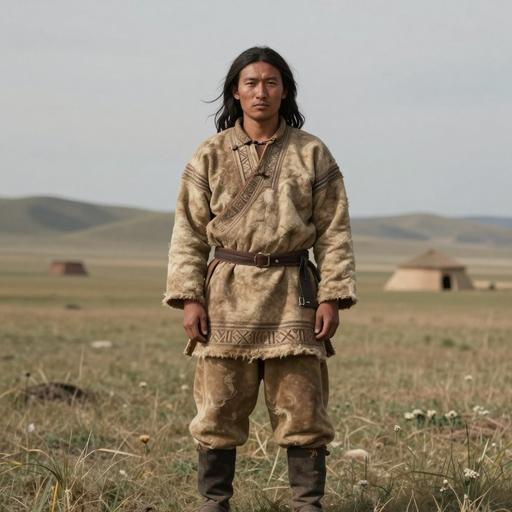
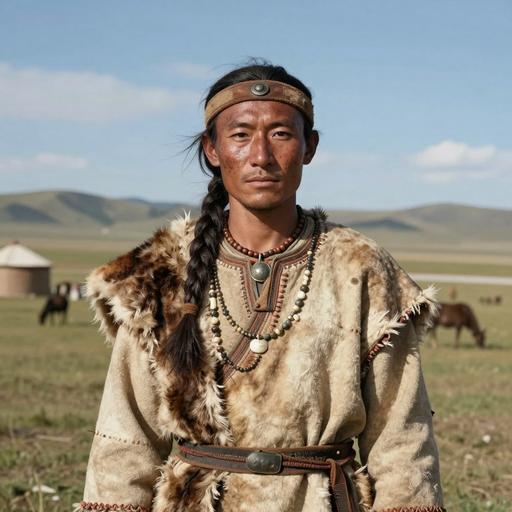
Portrait of ancient individual I6230 from Mongolia, dated 346 BCE - 57 BCE
I6230
Mongolia Early Iron Age Sagly Culture 4, Mongolia 346 BCE - 57 BCE Sagly Culture Q1b1a3a1-L332 Downstream
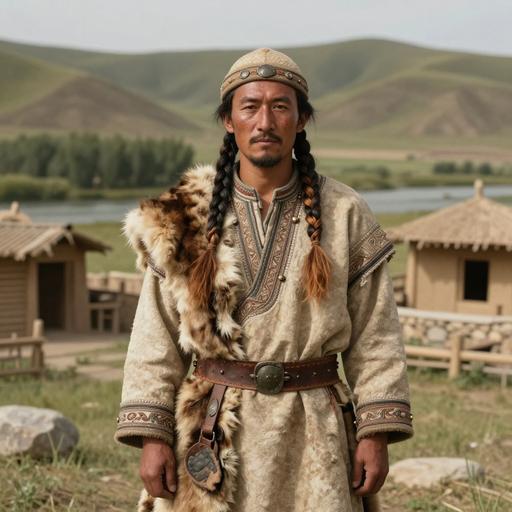
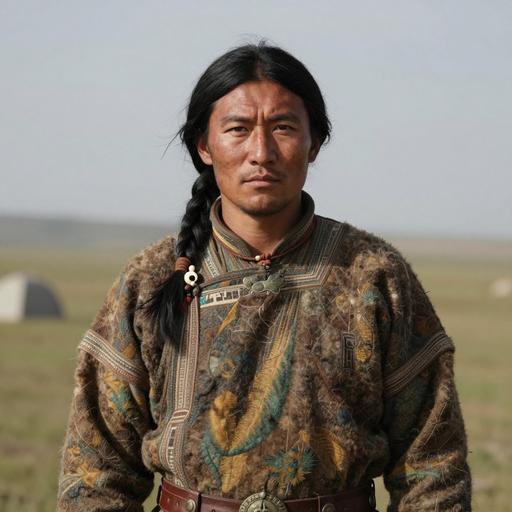
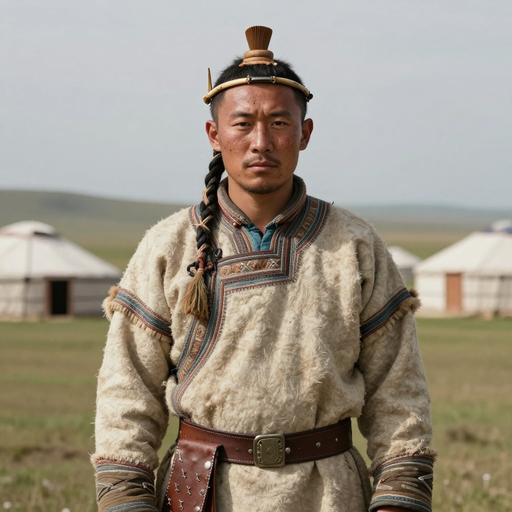
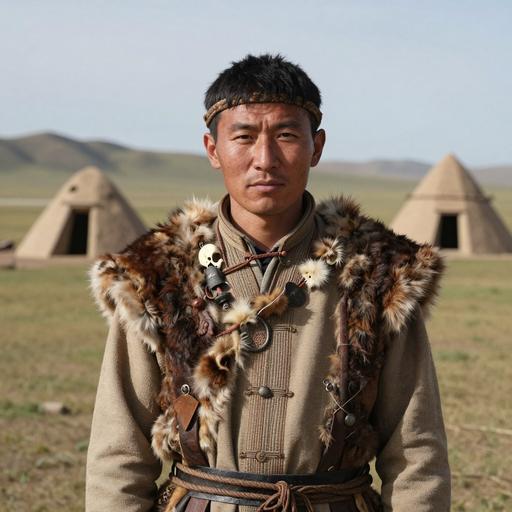
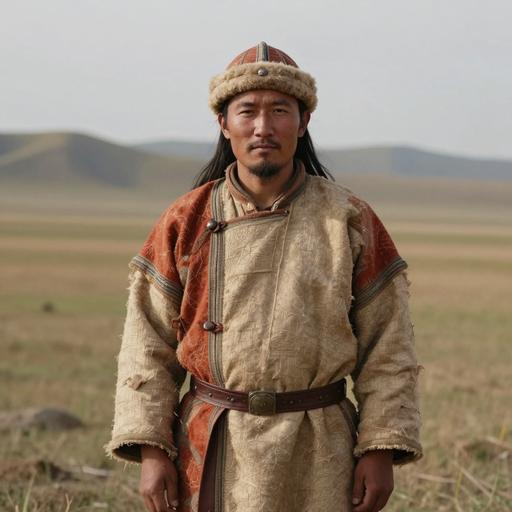
Portrait of ancient individual C4283 from China, dated 352 BCE - 109 BCE
C4283
China Iron Age Wutulan, Xinjiang, China 352 BCE - 109 BCE Wutulan Culture Q1a2a1c Downstream
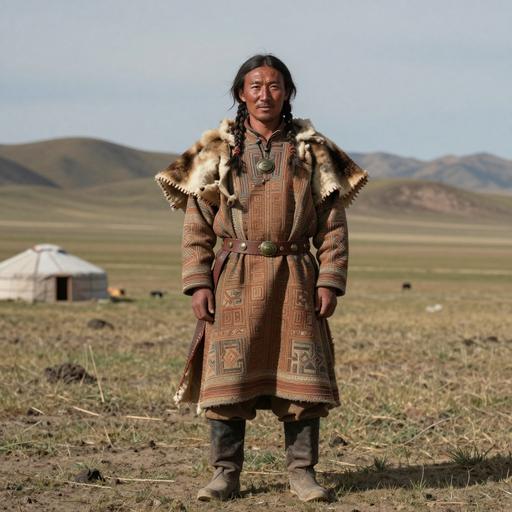
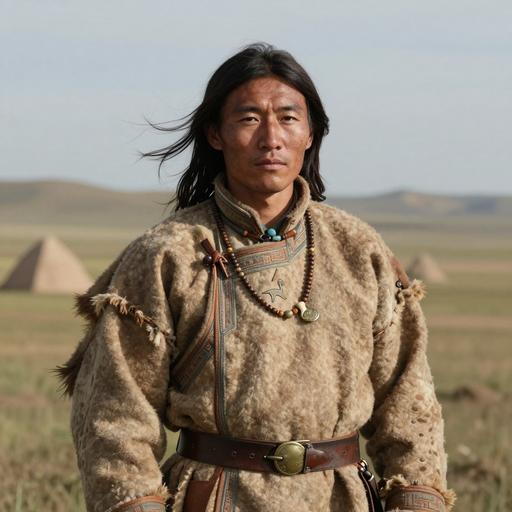
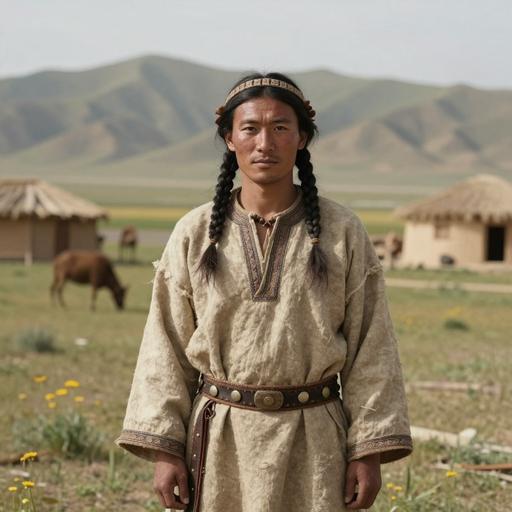
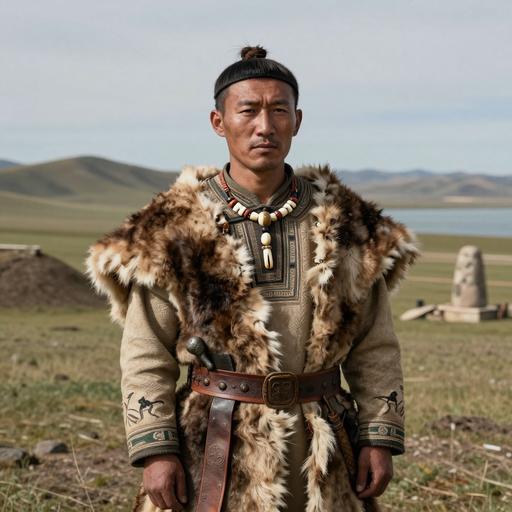
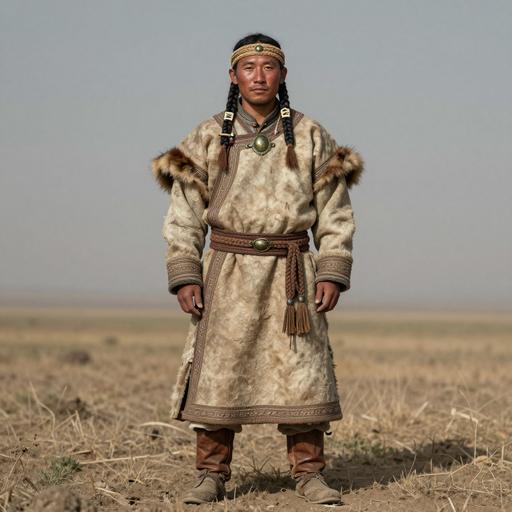
Portrait of ancient individual I7029 from Mongolia, dated 356 BCE - 172 BCE
I7029
Mongolia Early Iron Age Sagly Culture 4, Mongolia 356 BCE - 172 BCE Sagly Culture Q1b1a3a1-BZ433 Downstream
Portrait of ancient individual I6231 from Mongolia, dated 357 BCE - 167 BCE
I6231
Mongolia Early Iron Age Sagly Culture 4, Mongolia 357 BCE - 167 BCE Sagly Culture Q1b1a3a1-L332 Downstream
Portrait of ancient individual I6232 from Mongolia, dated 387 BCE - 208 BCE
I6232
Mongolia Early Iron Age Sagly Culture 4, Mongolia 387 BCE - 208 BCE Sagly Culture Q1b1a3a1-L332 Downstream
Portrait of ancient individual I7022 from Mongolia, dated 389 BCE - 208 BCE
I7022
Mongolia Early Iron Age Sagly Culture 4, Mongolia 389 BCE - 208 BCE Sagly Culture Q1a2a-F4793 Downstream
Portrait of ancient individual I12970 from Mongolia, dated 399 BCE - 231 BCE
I12970
Mongolia Early Iron Age Sagly Culture 4, Mongolia 399 BCE - 231 BCE Sagly Culture Q1b1a3a1-L332 Downstream
Portrait of ancient individual I6356 from Mongolia, dated 400 BCE - 200 BCE
I6356
Mongolia Early Iron Age Sagly Culture 4, Mongolia 400 BCE - 200 BCE Sagly Culture Q1b1a3b-SK1944 Downstream
Portrait of ancient individual C1649 from China, dated 403 BCE - 57 BCE
C1649
China Iron Age Wutulan, Xinjiang, China 403 BCE - 57 BCE Wutulan Culture Q1b1b2a Downstream
Chapter VI

Carrier Distribution Map

Geographic distribution of 33 ancient DNA samples (direct and subclade carriers of Q1)

Subclade carrier
Time Period Filter
All Time Periods
Showing all samples
Chapter VII

Temporal Distribution

Distribution of carriers across archaeological periods

Chapter VIII

Geographic Distribution

Distribution by country of origin (direct and subclade carriers shown by default)

Chapter IX

Country × Era Distribution

Cross-tabulation of carrier countries and archaeological periods (direct and subclade carriers shown by default)

Data

Data & Provenance

Source information and data quality

Last Updated 2026-02-16
Confidence Score 50/100
Coverage Low
Data Source

We use the latest phylotree for YDNA haplogroup classification and data.