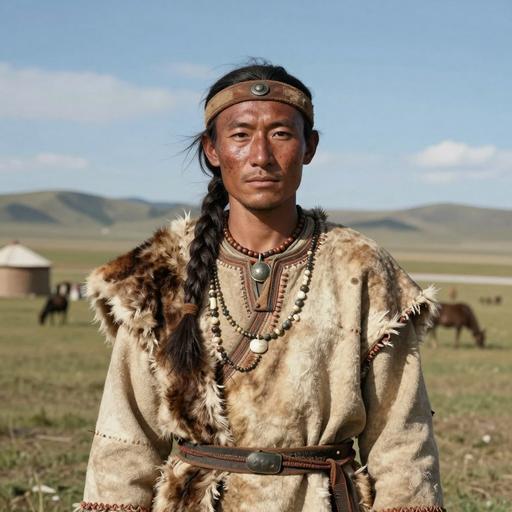
Profil de référence pour une branche de lignée. Des haplogroupes partagés n'établissent pas de lien familial ni d'identité culturelle.
Profil de référence
Contexte de la branche
Contexte historique de la branche de lignée Y-DNA Q1B1
Origins and Evolution
Y-DNA haplogroup Q1B1 is a downstream branch of Q1B, itself nested within haplogroup Q1 and ultimately the broader Q lineage. Haplogroup Q is one of the major paternal lineages associated with northern Eurasian and Beringian population history, and it is especially important in studies of the peopling of Siberia and the Americas.
As an intermediate clade, Q1B1 likely represents a late Upper Paleolithic to early post-Last Glacial Maximum diversification within North Eurasia. Its age is best inferred from the broader phylogenetic position of Q1B and from the historical distribution of related Q subclades rather than from extensive ancient DNA directly assigning Q1B1 itself. The lineage probably formed in a northeastern Eurasian refugial context, where small, structured populations maintained deep paternal lineages through climatic oscillations and subsequent expansions.
Subclades
Because Q1B1 is an intermediate branch, it serves as a phylogenetic bridge between Q1B and more specific descendant lineages. In many public phylogenies, downstream Q branches are unevenly resolved across laboratories and datasets, so the exact internal structure may vary as new sequencing data are added.
Broadly, descendant Q lineages in North Eurasia and the Americas are often associated with regional founder effects, bottlenecks, and expansions tied to Siberian foraging groups, Beringian populations, and later movements into the Americas. Q1B1 should therefore be understood as part of a larger web of related eastern Eurasian paternal diversity rather than a single historically named population marker.
Geographical Distribution
Q1B1 is expected to occur at low frequency across a broad but discontinuous range. Its strongest relevance is in Siberian indigenous populations, with additional presence in Central Asia, northern European populations due to historical gene flow, and some West Eurasian / Middle Eastern groups where rare Q lineages entered through ancient or medieval movements.
In the Americas, Q-related paternal lineages are crucial because the wider haplogroup Q is the dominant Native American paternal clade. While Q1B1 itself may be less common than other Q branches, its broader ancestry is tied to the paternal lineages that expanded through Beringia into the New World.
Historical and Cultural Significance
The broader Q lineage is central to research on the initial peopling of Siberia and the Americas. Haplogroup Q lineages are frequently discussed in relation to Paleolithic hunter-gatherers, Ancient North Eurasian-related ancestry, and the Beringian standstill model, which proposes a period of isolation in northeast Asia/Beringia before expansion into the Americas.
In historical times, low-frequency Q lineages in Europe and western Asia may reflect steppe-era movements, Siberian contacts, and later Turkic, Mongolic, and Uralic population interactions. However, for Q1B1 specifically, the most defensible interpretation is that it represents an ancient northern Eurasian paternal branch with a history shaped primarily by prehistoric demographic processes rather than one single archaeological culture.
Geographical Distribution
Siberia: highest relevance and best-fit region for deep ancestry within Q1B1
Central Asia: present through ancient and historical east-west interactions
Americas: indirect relevance through the broader Q macro-lineage and Native American paternal history
Northern Europe: rare occurrences, often attributable to historical gene flow
West Eurasia and the Middle East: occasional low-frequency presence
Conclusion
Y-DNA haplogroup Q1B1 is a rare but scientifically important branch of the northern Eurasian paternal tree. Its significance lies less in modern frequency and more in its place within the deep history of Siberian population structure, Beringian ancestry, and the wider dispersal of haplogroup Q across Eurasia and the Americas.
Points clés
Origins and Evolution
Subclades
Geographical Distribution
Historical and Cultural Significance
Geographical Distribution
Profil de référence
Arbre et relations
Contexte phylogénétique et sous-clades
Voie évolutive
Suivez les branches parentes consignées jusqu'à Q1B1. Les dates sont des estimations et peuvent évoluer lorsque les données de référence sont révisées.
The populations where Y-DNA haplogroup Q1B1 is found include:
Siberian indigenous populations
Central Asian populations
Indigenous peoples of the Americas
Some northern European populations
Some West Eurasian and Middle Eastern populations
Présence régionale
Central AsiaHigh
Eastern Asia / SiberiaModerate
Eastern EuropeLow
Native North AmericaLow
South AsiaLow
Middle EastLow
Northern AsiaHigh
Northern EuropeLow
Western AsiaLow
Contexte historique
Une branche dans le temps
Formation estimée sur une chronologie historique large. Les repères de période servent de contexte et n'impliquent pas de lien avec des cultures particulières.
Il y a ~20k ans
Dernier maximum glaciaire
Apogée de la dernière période glaciaire, populations isolées
Il y a ~18k ans
Haplogroupe Q1B1
Formation estimée de cette branche Y-DNA ; les dates et les lieux sont des estimations de référence.
Cette branche
Il y a ~10k ans
Révolution néolithique
Début de l'agriculture et émergence de communautés sédentaires
Il y a ~5k ans
Âge du bronze
Travail des métaux, écriture et premières civilisations
Il y a ~3k ans
Âge du fer
Outils en fer, réseaux d'échanges élargis
Il y a ~2.5k ans
Antiquité classique
Floraison des civilisations grecque et romaine
Aujourd'hui
Aujourd'hui
Époque moderne
Profil de référence
Contexte archéologique
Associations archéologiques consignées pour la branche Y-DNA Q1B1
Associations consignées
Ces libellés décrivent des contextes archéologiques consignés pour des échantillons de référence liés à Q1B1. Une association n'établit pas que tous les porteurs appartenaient à une culture ni qu'ils ont suivi une route migratoire précise.
Ancient BeringianColombia_ChecuaIsland ChumashLauricocha CultureRussia_KemerovoOblastKuzbass_NRussia_Sakha_BelkachiUst-Belaya Culture
Les attributions culturelles reposent sur le contexte archéologique des échantillons d'ADN ancien et peuvent refléter des associations régionales à certaines périodes.
Profil de référence
Catalogue d'échantillons
5 porteurs directs et 58 porteurs de sous-clade de l'haplogroupe Q1B1
10 affiché(s) · 50 échantillons correspondants
Aucun échantillon ne correspond à ces filtres. Essayez un autre libellé, lieu ou période.
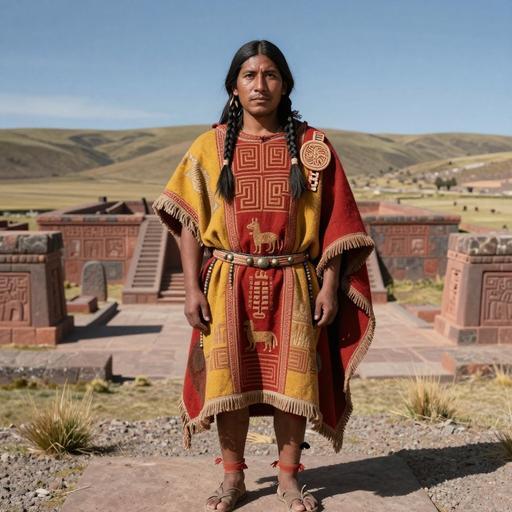
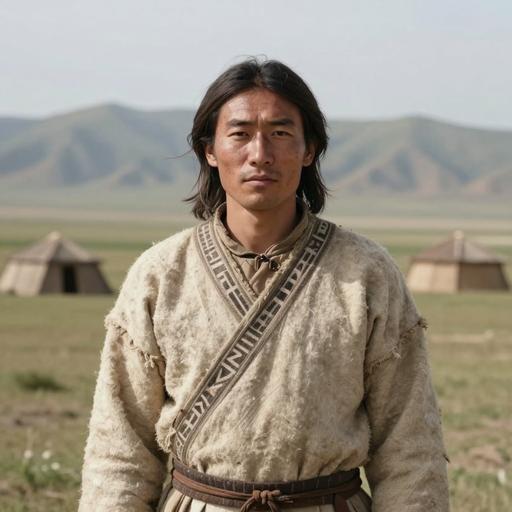
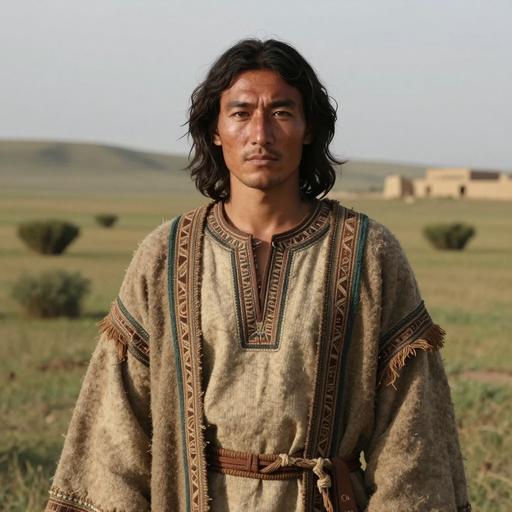
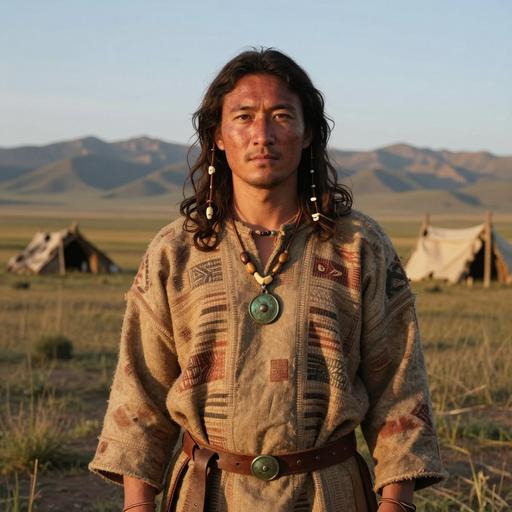
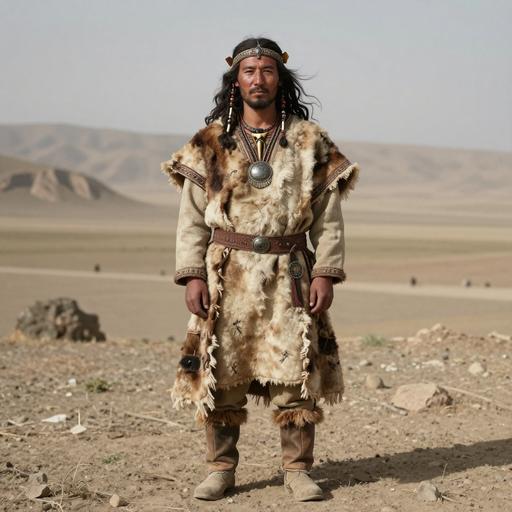
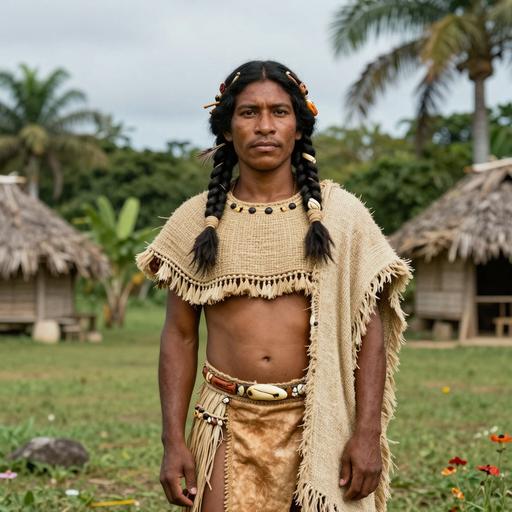
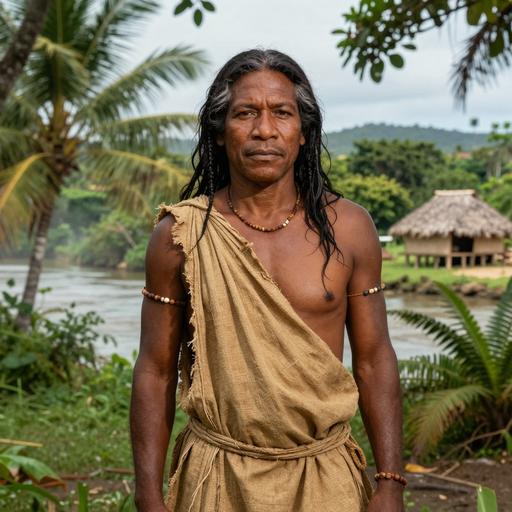
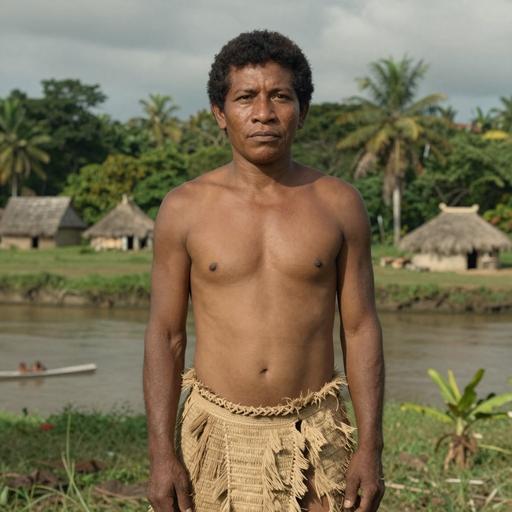
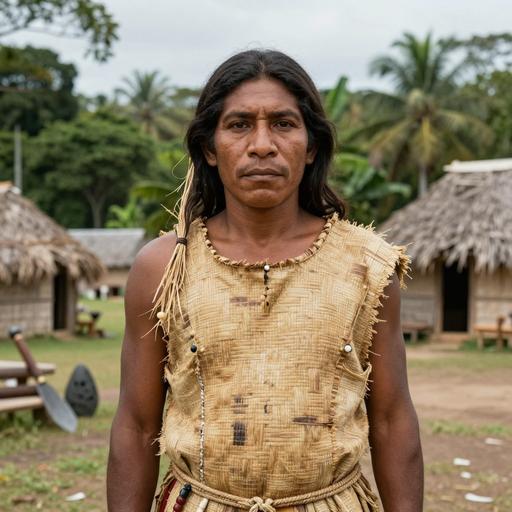
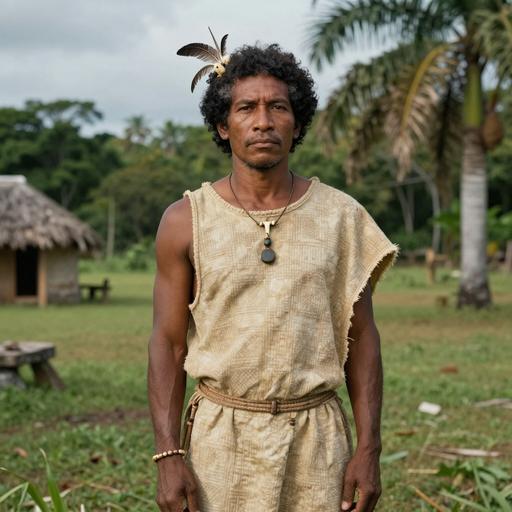
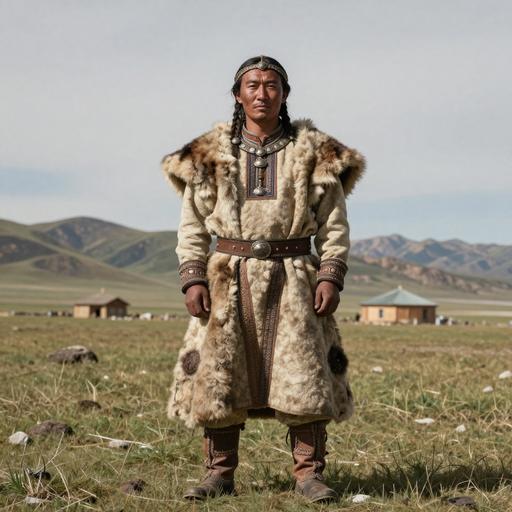
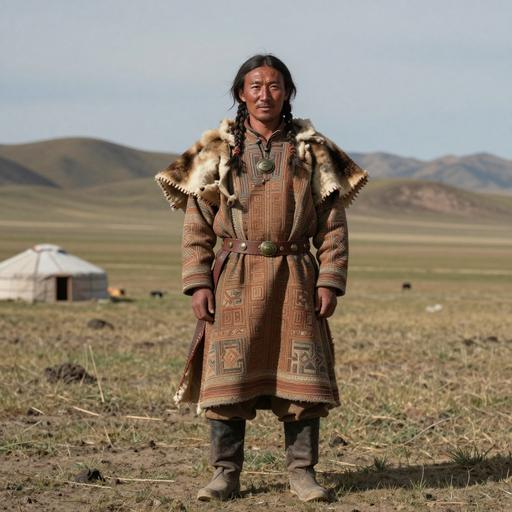
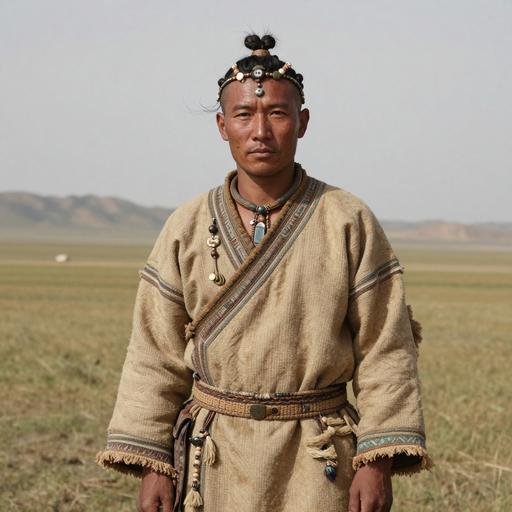
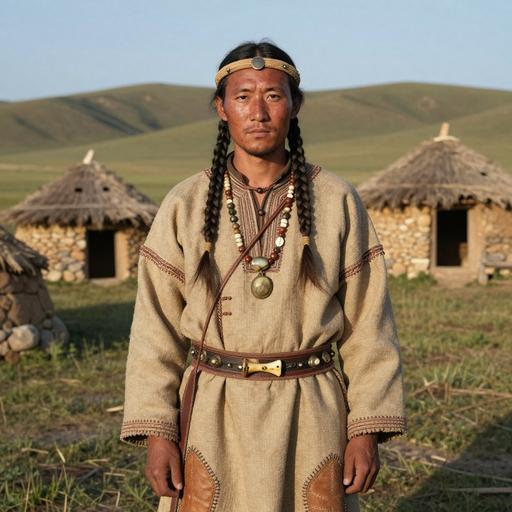
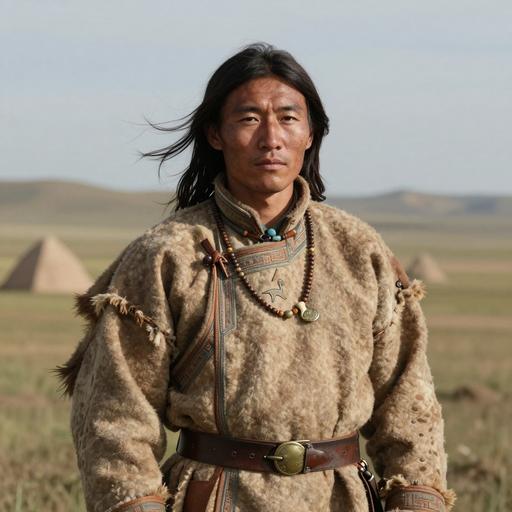
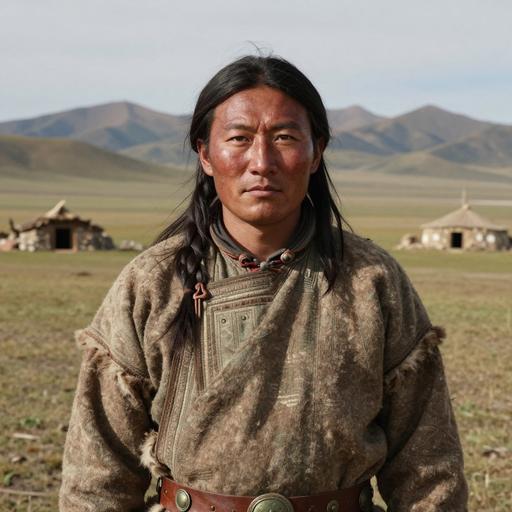
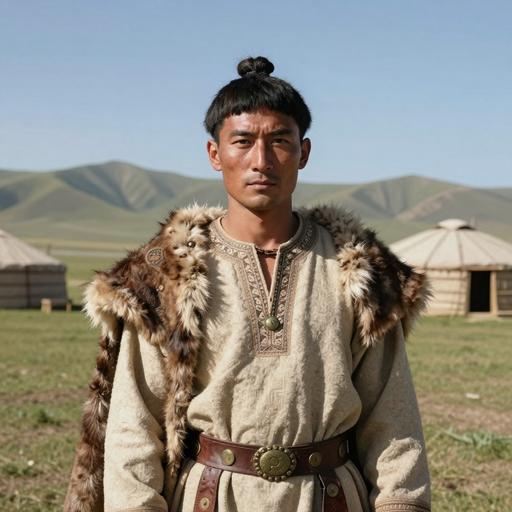
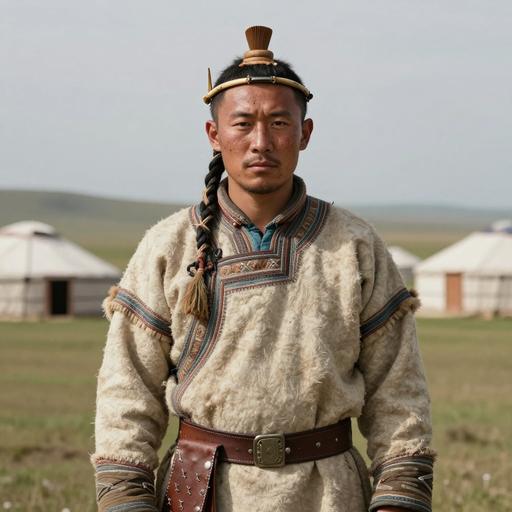
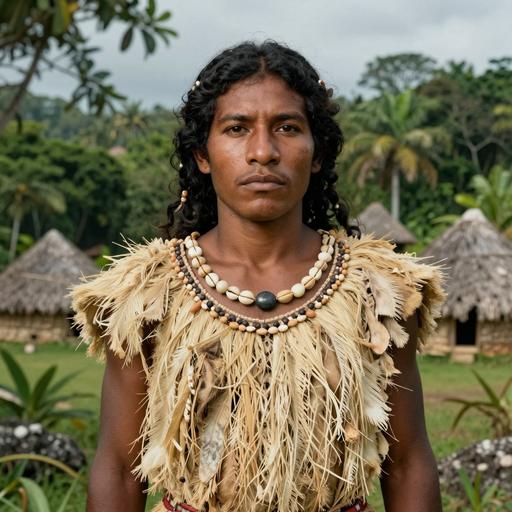
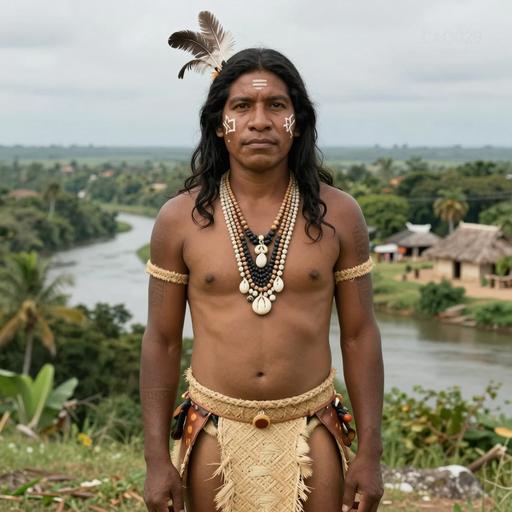
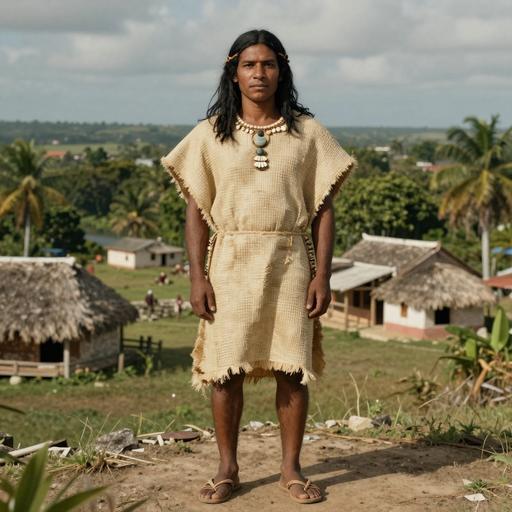
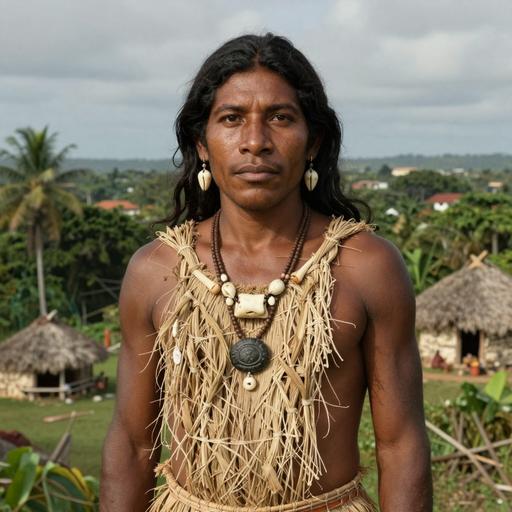
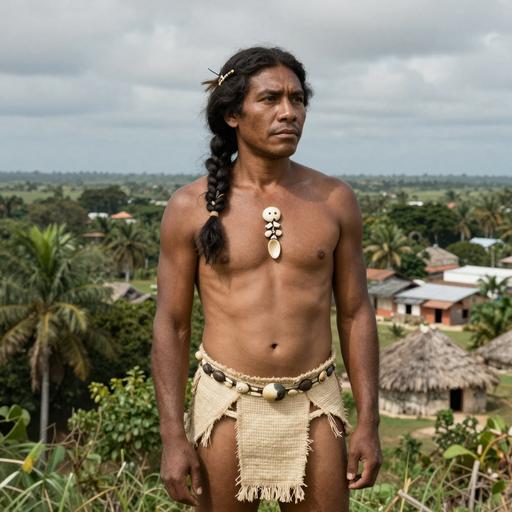
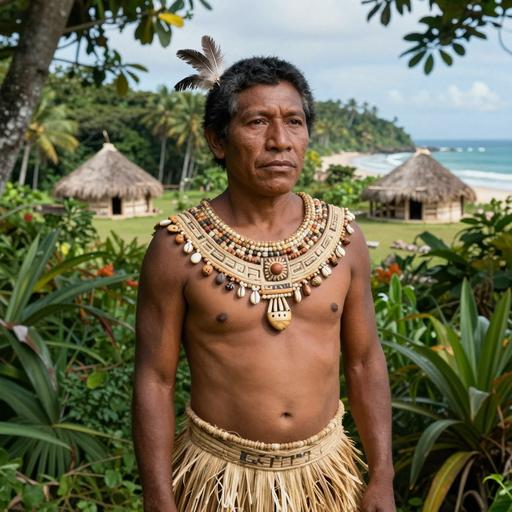
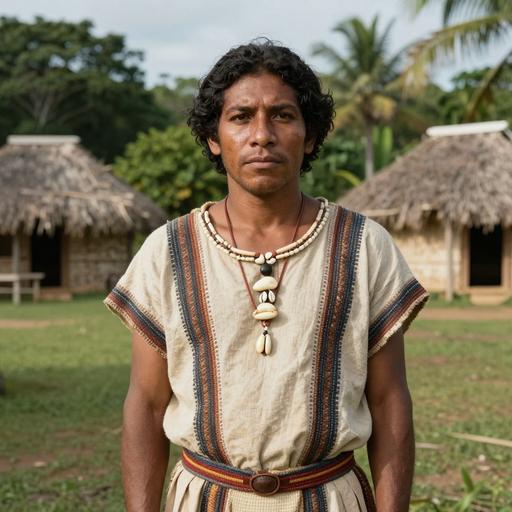
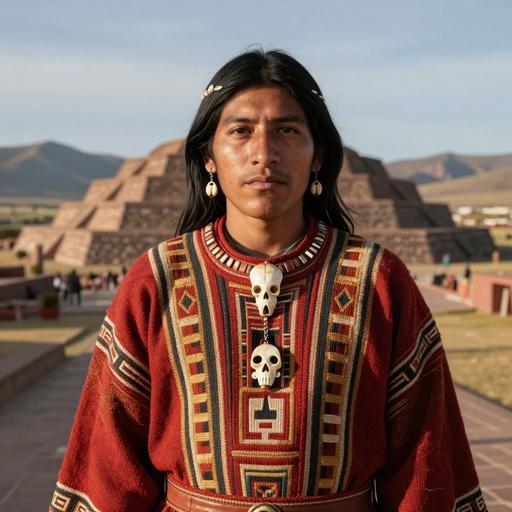
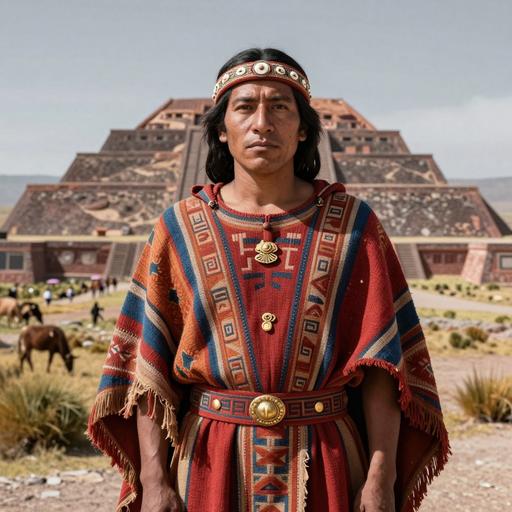
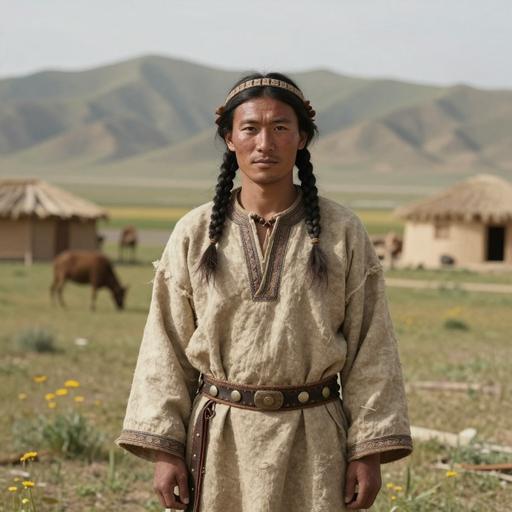
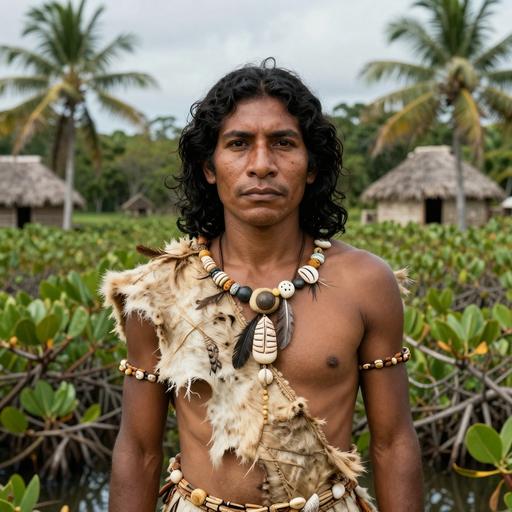
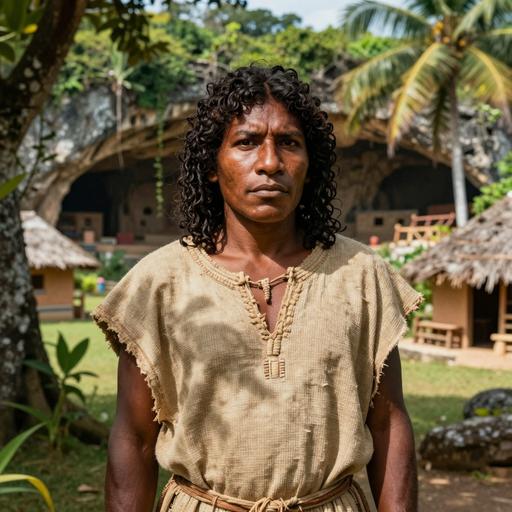
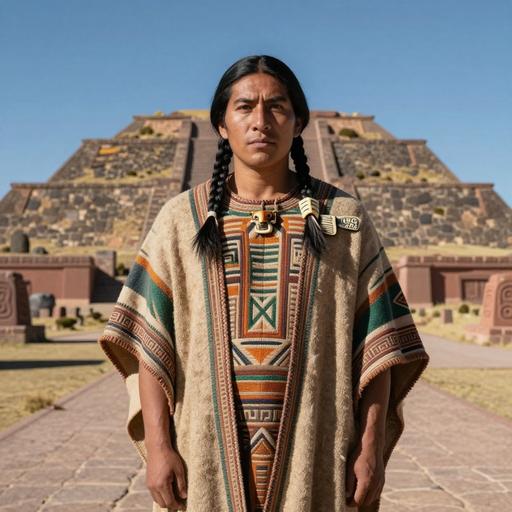
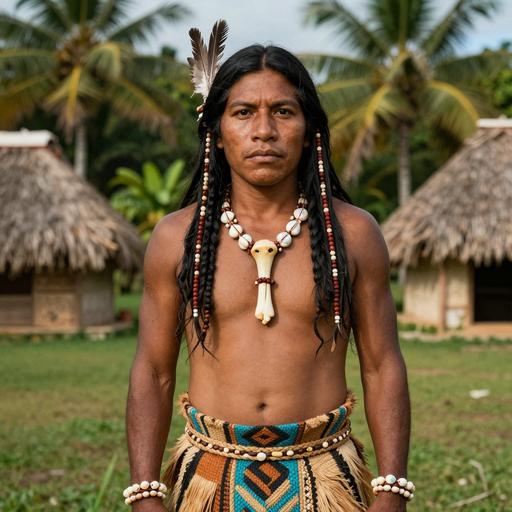
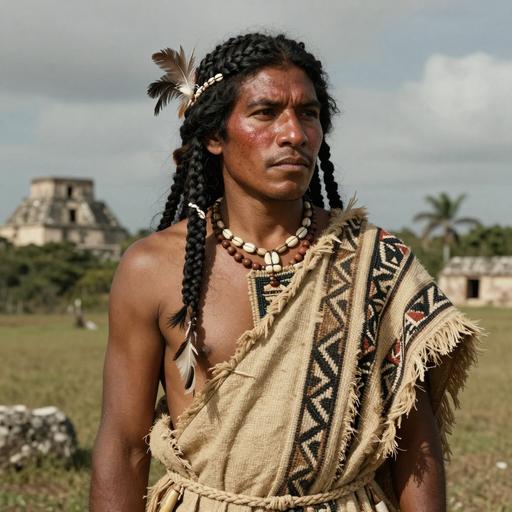
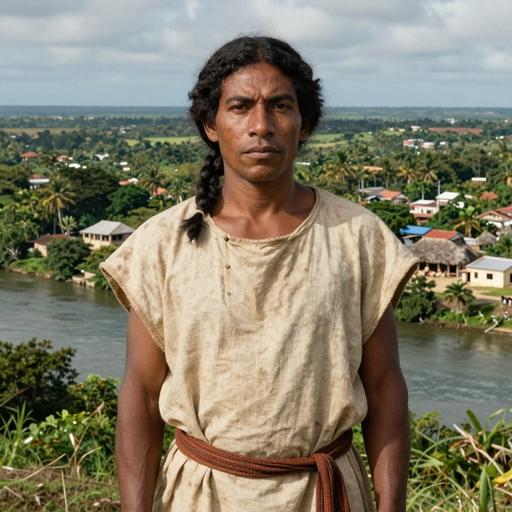
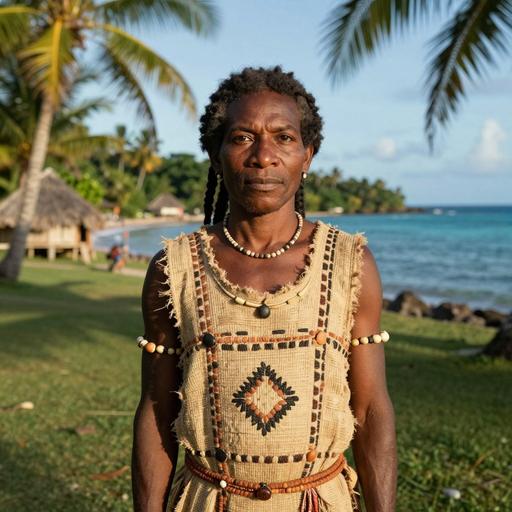
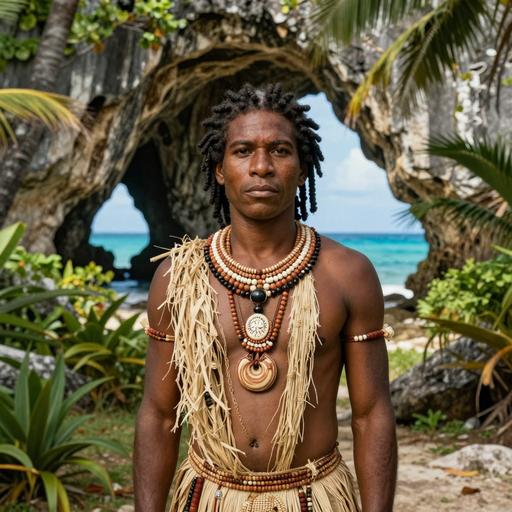
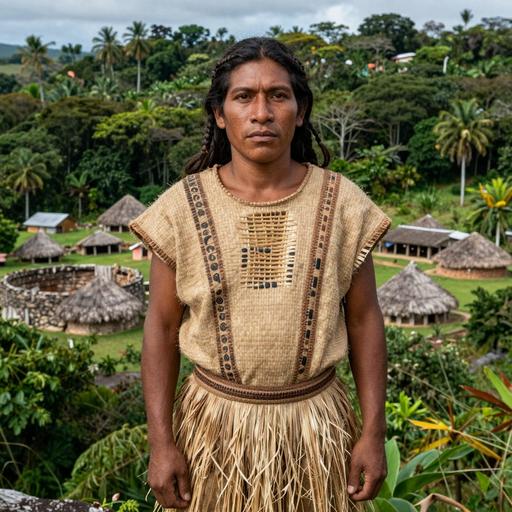
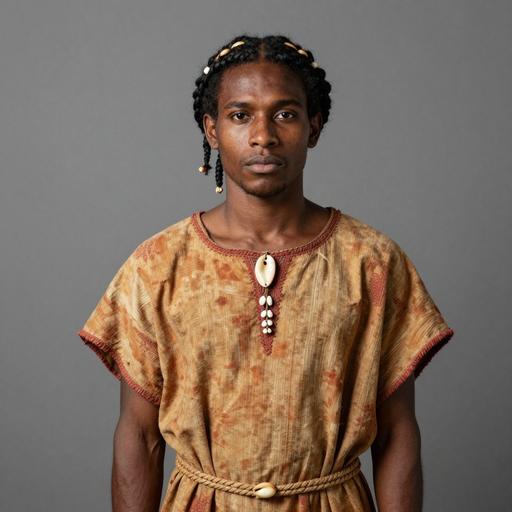
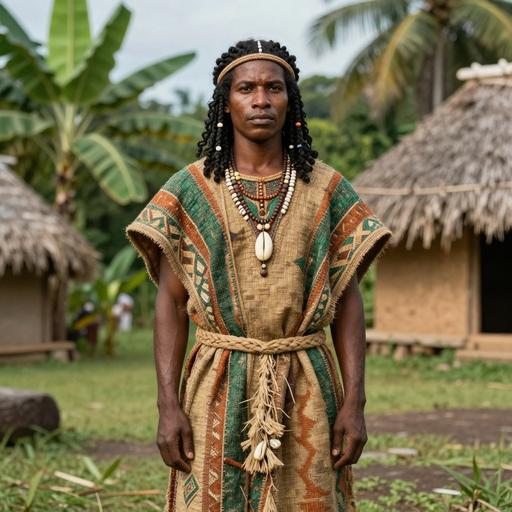
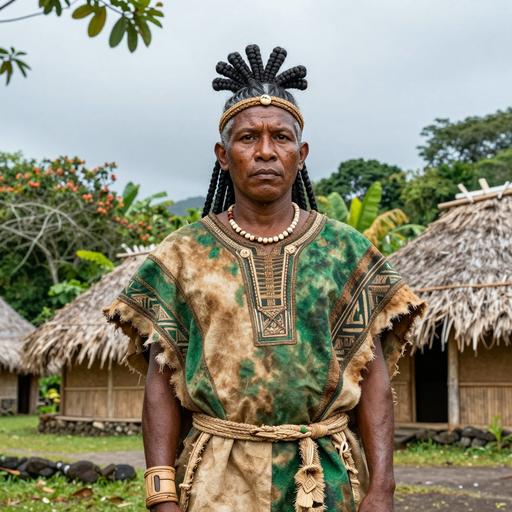
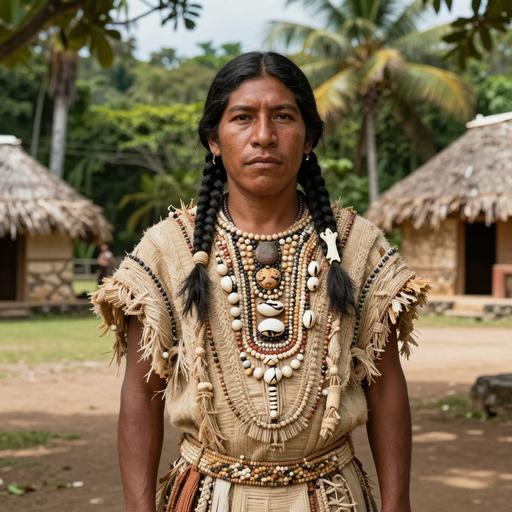
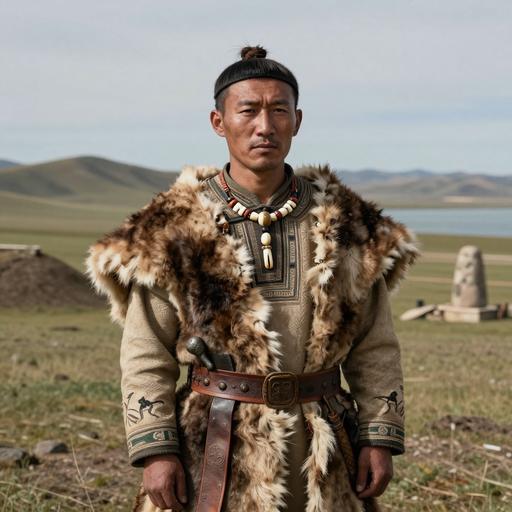
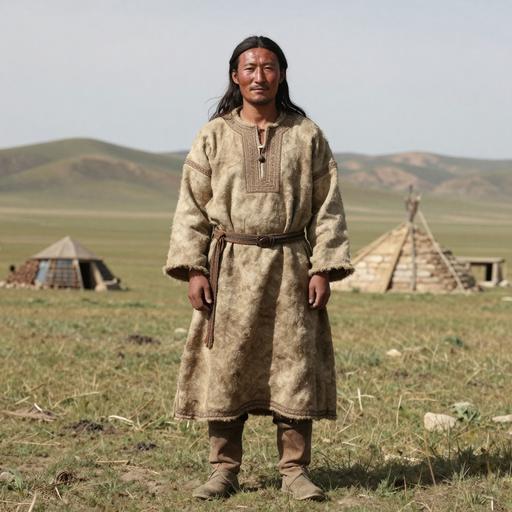
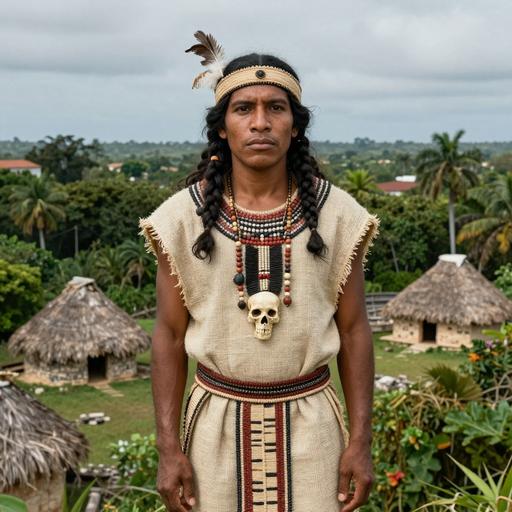
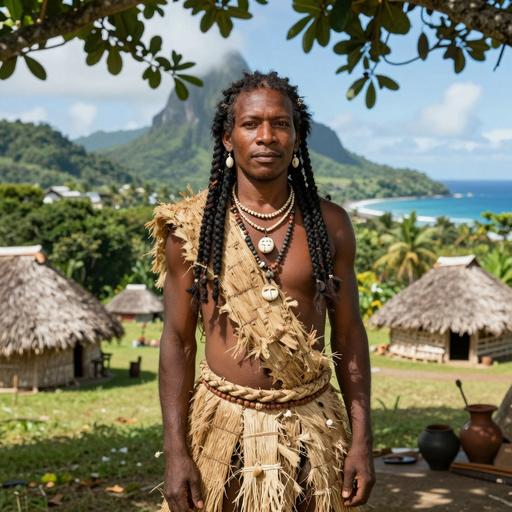
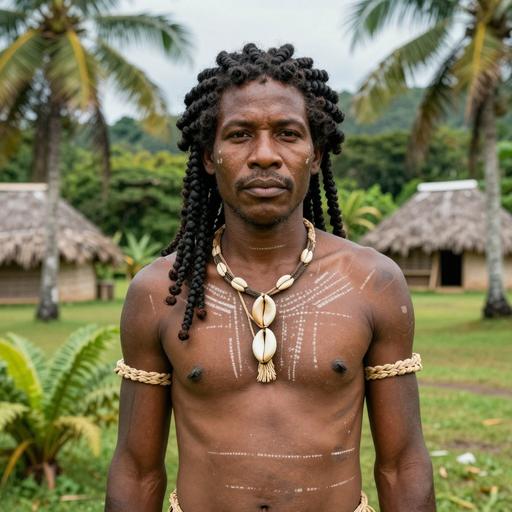
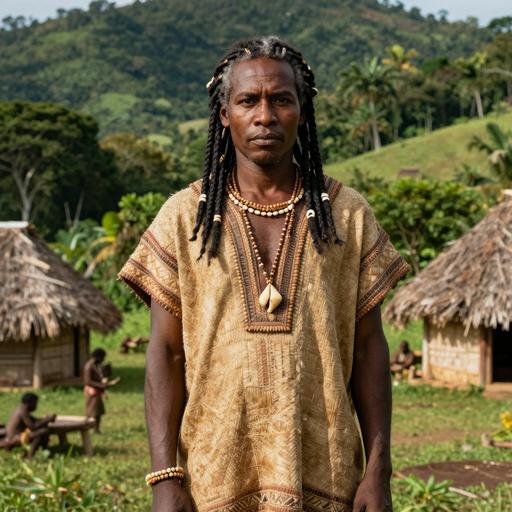
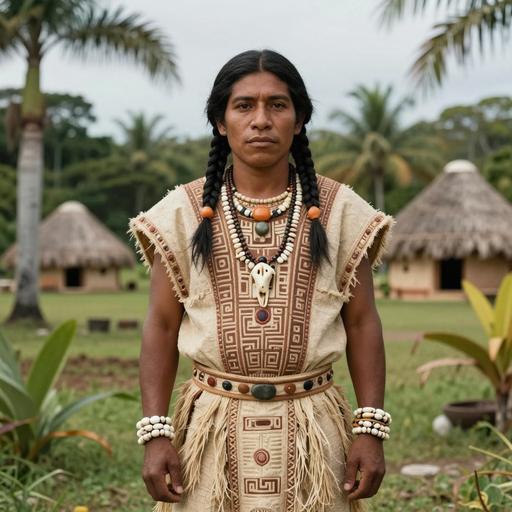
Les portraits sont des illustrations générées par IA. Les libellés d'échantillon et identifiants d'accès désignent les enregistrements de référence.
Portrait
Échantillon
Pays
Époque
Date
Culture
Y-DNA
Correspondance
Identifiant d'échantillon : TW027
Bolivia
Tiwanaku Culture at Lukurmata, Bolivia
990-1129 calCE (1064±20 BP, Wk-49171)
Tiwanaku
Q1b1
Direct
Identifiant d'échantillon : C2034
China
Bronze Age Afanasievo Culture Ayituohan, Xinjiang, China
2624 BCE - 2472 BCE
Afanasievo Culture
Q1b1
Direct
Identifiant d'échantillon : C794
China
China Xinjiang Habahe BA
2624-2472 calBCE
Habahe Culture
Q1b1
Direct
Identifiant d'échantillon : AYIM22BY
China
Bronze Age Afanasievo Culture Ayituohan, Xinjiang, China
2844-2474 calBCE (4060±30 BP, Beta)
Afanasievo Culture
Q1b1
Direct
Identifiant d'échantillon : G218M5-3N
China
Bronze Age Afanasievo Culture Nileke, Xinjiang, China
Ceramic Period Paso del Indio, Puerto Rico - Puerto Rico - Vega Baja. Paso del Indio
Puerto Rico Ceramic Period Paso del Indio, Puerto Rico 901-1159 calCE (1010±42 BP, AA-75124)
Q1b1a1a1Sous-clade
Identifiant d'échantillon : CAO023025
Archaic Period Canimar Abajo, Cuba - Cuba - Matanzas City. Canimar Abajo
Cuba Archaic Period Canimar Abajo, Cuba 991-1040 calCE (1015±19 BP, MAMS-44078)
Q1b1a1a1Sous-clade
Identifiant d'échantillon : CAO011
Archaic Period Canimar Abajo, Cuba - Cuba - Matanzas City. Canimar Abajo
Cuba Archaic Period Canimar Abajo, Cuba 992-1149 calCE (1000±20 BP, MAMS-44066)
Q1b1a1a1Sous-clade
Identifiant d'échantillon : ALG001
Ceramic Period Anse Gourde, Guadeloupe - Guadeloupe - Pointe de Chateaux peninsula. Anse à la Gourde
Guadeloupe Ceramic Period Anse Gourde, Guadeloupe 992 CE - 1034 CE
Q1b1a1aSous-clade
Identifiant d'échantillon : PCV003
Ceramic Period Eleuthera Island, Bahamas - Bahamas - Eleuthera. Bahamian Island. Preacher's Cave
Bahamas Ceramic Period Eleuthera Island, Bahamas 994-1154 calCE (991±22 BP, MAMS-39634)
Q1b1aSous-clade
Identifiant d'échantillon : PDI010
Ceramic Period Paso del Indio, Puerto Rico - Puerto Rico - Vega Baja. Paso del Indio
Puerto Rico Ceramic Period Paso del Indio, Puerto Rico 994-1163 calCE (973±41 BP, AA-75123)
Q1b1a1aSous-clade
Identifiant d'échantillon : LAV004
Ceramic Period Lavoutte, St. Lucia - St. Lucia - St. Lucia. Cas-en-Bas. Lavoutte site
St. Lucia Ceramic Period Lavoutte, St. Lucia 1000-1450 CE
Q1b1a1aSous-clade
Identifiant d'échantillon : LAV006
Ceramic Period Lavoutte, St. Lucia - St. Lucia - St. Lucia. Cas-en-Bas. Lavoutte site
St. Lucia Ceramic Period Lavoutte, St. Lucia 1000-1450 CE
Q1b1a1a1Sous-clade
Identifiant d'échantillon : LAV001
Ceramic Period Lavoutte, St. Lucia - St. Lucia - St. Lucia. Cas-en-Bas. Lavoutte site
St. Lucia Ceramic Period Lavoutte, St. Lucia 1027-1220 calCE (920±50 BP, GrN-32324)
Q1b1a1a1Sous-clade
Identifiant d'échantillon : PDI011
Ceramic Period Paso del Indio, Puerto Rico - Puerto Rico - Vega Baja. Paso del Indio
Puerto Rico Ceramic Period Paso del Indio, Puerto Rico 1037-1256 calCE (885±44 BP, AA-79346)
Q1b1a1a1Sous-clade
Identifiant d'échantillon : I6359
Early Iron Age Slab Grave Culture 1, Mongolia - Mongolia - Khuvsgul aimag. Alag-Erdene sum. Erhel nuur. Ulaan tolgoi
Mongolia Mongolia EIA SlabGrave 1 1100-400 BCE
Q1b1a3a-YP779Sous-clade
Identifiant d'échantillon : I7039
Late Bronze Age Center West 4, Mongolia - Mongolia - Khovd. Duut sum. Khoit Tsenkheriin gol 1988 barrow 3
Mongolia Late Bronze Age Center West 4, Mongolia 1210-1019 calBCE (2920±20 BP, PSUAMS-4006)
Q1b1a3-L334Sous-clade
Identifiant d'échantillon : CAO028
Archaic Period Canimar Abajo, Cuba - Cuba - Matanzas City. Canimar Abajo
Cuba Archaic Period Canimar Abajo, Cuba 1215-1271 calCE (812±20 BP, MAMS-44083)
Q1b1a2Sous-clade
Identifiant d'échantillon : LAV010
Ceramic Period Lavoutte, St. Lucia - St. Lucia - St. Lucia. Cas-en-Bas. Lavoutte site
St. Lucia Ceramic Period Lavoutte, St. Lucia 1200-1400 CE
Q1b1a1aSous-clade
Identifiant d'échantillon : LAV002
Ceramic Period Lavoutte, St. Lucia - St. Lucia - St. Lucia. Cas-en-Bas. Lavoutte site
St. Lucia Ceramic Period Lavoutte, St. Lucia 1229-1283 calCE (759±17 BP, MAMS-39623)
Q1b1a1a1Sous-clade
Identifiant d'échantillon : LAV003
Ceramic Period Lavoutte, St. Lucia - St. Lucia - St. Lucia. Cas-en-Bas. Lavoutte site
St. Lucia Ceramic Period Lavoutte, St. Lucia 1265-1292 calCE (733±17 BP, MAMS-39624)
Q1b1a1a1Sous-clade
Identifiant d'échantillon : LOI001
Ceramic Period Los Indios, Puerto Rico - Puerto Rico - Santa Isabel. Los Indios
Puerto Rico Ceramic Period Los Indios, Puerto Rico 1283-1388 calCE (663±15 BP, MAMS-42236)
Q1b1a1a1Sous-clade
Identifiant d'échantillon : I13767
Late Bronze Age Center West 4, Mongolia - Mongolia - Bayankhongor aimag. Ulziit soum. Khar Sair am
Mongolia Late Bronze Age Center West 4, Mongolia 1377-1130 calBCE (3005±20 BP, UCIAMS-226534, PSUG-5437)
Q1b1a3-L334Sous-clade
LIGNÉE PATERNELLE · ADN ANTIQUE
Carte des preuves de lignées antiques
Suivez les clades parents jusqu'à cette branche et explorez où des porteurs antiques ont été identifiés.
Chargement des observations antiques…
La réduction des animations est activée. Utilisez la chronologie ou Tout afficher pour explorer à votre rythme.
Lire les observations sous forme de tableau
Observations antiques affichées par branche, période et date médiane
Branche
Période
Plage de dates
Échantillon
Identifiant d'échantillon
Emplacement
Haplogroupe
Relation
Les marqueurs indiquent des lieux de découvertes archéologiques. Un trait pointillé représente une transition géographique proposée et incertaine entre branches consécutives, appuyée sur plusieurs observations datées ; ce n'est pas un itinéraire exact, un lieu de naissance ni une preuve de descendance directe. Des échantillons de clades parents peuvent appartenir à d'autres branches descendantes. Des lacunes subsistent lorsque les preuves sont insuffisantes. Les dates d'échantillon diffèrent des dates de formation des haplogroupes.
Le regroupement par période historique reflète quand chaque individu antique a vécu, en combinant toutes les branches de cette chaîne de lignée ; ce n'est pas une séquence migratoire ni une chronologie personnelle entre périodes.
Profil de référence
Carte de répartition des porteurs
Répartition géographique de 63 échantillons d'ADN ancien (porteurs directs et de sous-clade de Q1B1)
Porteur direct Porteur de sous-clade
Filtre de période
Toutes les périodes
Affichage de tous les échantillons
Profil de référence
Répartition temporelle
Répartition des porteurs selon les périodes archéologiques
Profil de référence
Répartition géographique
Effectifs par pays d'échantillon consigné. Ils reflètent la sélection de référence disponible, pas des fréquences de population.
Profil de référence
Répartition pays × époque
Comparez les effectifs d'échantillons consignés selon les pays et les périodes archéologiques. Sélectionnez une cellule renseignée pour examiner un échantillon.
Données
Données et provenance
Informations sur les sources et qualité des données
Dernière mise à jour2026-06-17
Score de confiance50/100
CouvertureLow
Source des données
La classification, les dates estimées et le contexte géographique reflètent les données de référence consignées et peuvent évoluer lorsque les éléments sont révisés. La couverture d'échantillons est inégale ; les lieux consignés et les associations archéologiques n'établissent pas une origine personnelle ni une identité culturelle.