Saltar para o conteúdo principal
mtDNA · Materno linaje

C4A2C

mtDNA Haplogroup C4A2C

Um perfil de referência de um ramo de linhagem. Compartilhar haplogrupos não demonstra uma relação familiar ou uma identidade cultural.

Perfil de Referência

Contexto do ramo

Contexto histórico de la rama de linaje mtDNA C4A2C

Origins and Evolution

mtDNA haplogroup C4A2C is a subclade of C4A2, itself part of the broader C4A branch of haplogroup C4. The C4 lineage has deep roots in northern Asia; sublineages like C4A2 expanded in the early Holocene as populations adapted to postglacial environments in Siberia and adjacent regions. Based on its phylogenetic position beneath C4A2 (which is typically dated to roughly ~10 kya), C4A2C most likely arose in the mid-Holocene (several thousand years after the initial C4A2 diversification), consistent with population diversification in northeastern Asia following climatic stabilization and increasing mobility.

Subclades (if applicable)

C4A2C is a terminal or near-terminal subclade within C4A2 in current phylogenies. As with many narrowly defined mtDNA subclades, its internal diversity appears limited compared to older branches of C4, which suggests a relatively recent origin and/or a demographic history involving localized expansion. Future mitogenome sampling across Siberia and northeastern Asia could identify further downstream branches or reveal a broader internal structure.

Geographical Distribution

C4A2C is concentrated in northeastern Asia and Siberia, with the highest frequencies and diversity in populations with longstanding northern Asian ancestry. Modern detections cluster among Yakut (Sakha), Tungusic-speaking groups (e.g., Evenk, Even), and several Mongolic- and Turkic-speaking groups of southern and central Siberia (e.g., Buryat, Tuvan). Occasional low-frequency occurrences are reported in northern East Asian populations (northern Han, Koreans) and in Central Asian groups that received Siberian gene flow; isolated detections in parts of northern/eastern Europe can appear where more recent Siberian-derived admixture or historical movements introduced northern Asian maternal lineages.

Historical and Cultural Significance

The distribution of C4A2C aligns with population histories dominated by hunter-gatherer foraging belts and later mobile pastoralist interactions across Siberia and the Mongolian steppe. This clade likely participated in the matrilineal substrate of Bronze Age and later populations in Baikal and Yakutia regions and is consistent with genetic signals preserved in archaeological contexts attributed to Neolithic-to-Iron Age northern Asian cultures. While not diagnostic of a single archaeological culture, C4A2C contributes to the genetic profile characteristic of northern Eurasian groups that played roles in long-distance mobility, trade, and language spread in northeastern Asia.

Conclusion

C4A2C represents a geographically focused, mid-Holocene maternal lineage within the broader C4A2 phylogeny. Its modern and ancient occurrences underscore continuity of northern Asian maternal ancestry across millennia and emphasize the importance of dense mitogenome sampling in Siberia and adjacent regions to refine its internal structure and demographic history.

Pontos- Chave

  • Origins and Evolution
  • Subclades (if applicable)
  • Geographical Distribution
  • Historical and Cultural Significance
  • Conclusion
Perfil de Referência

Árvore e relações

Contexto filogenético e subclasse

Trajectória evolutiva

Sigue las ramas superiores registradas hasta C4A2C. Las fechas son estimaciones y pueden cambiar al revisarse los datos de referencia.

Passos Haplogrupo Antiguidade estimada Época arqueológica Tempo decorrido Subclasses imediatas Portadores modernos analisados Referências antigas
1 C4A2C Actual ~6,000 years ago Chalcolithic 6,000 years 1 5 13
2 C4A2 ~10,000 years ago Neolithic 10,000 years 3 10 0
3 C4A ~15,000 years ago Mesolithic 15,000 years 3 22 18
4 C4 ~20,000 years ago Mesolithic 20,000 years 4 41 48
5 C ~35,000 years ago Paleolithic 35,000 years 5 806 75
6 CZ ~40,000 years ago Paleolithic 40,000 years 2 856 4
7 M8 ~42,000 years ago Paleolithic 42,000 years 2 873 5
8 M ~60,000 years ago Paleolithic 60,000 years 42 2,671 41
9 L3 ~70,000 years ago Paleolithic 70,000 years 7 30,162 6
10 L3'4 - - - 2 30,212 0
11 L3'4'6 - - - 2 30,216 0
12 L2'3'4'6 - - - 2 31,333 0
13 L2'3'4'5'6'7 - - - 2 31,349 0
14 L1'2'3'4'5'6'7 - - - 2 31,852 0
15 L ~160,000 years ago Paleolithic 160,000 years 2 32,236 5

Ramas hermanas (2)

Outros ramos do mesmo haplogrupo superior

Perfil de Referência

No mundo

Distribuição geográfica e presença moderna

Origem registada

Northeast Asia / Siberia

Distribuição moderna

The populations where mtDNA haplogroup mtDNA haplogroup C4A2C is found include:

  1. Yakut (Sakha) and other Sakha-region groups
  2. Tungusic-speaking peoples (e.g., Evenk, Even)
  3. Buryat and other Mongolic-speaking groups
  4. Tuvan, Altai and other Central Asian groups with Siberian ancestry
  5. Nenets, Nganasan and other North Siberian indigenous groups
  6. Chukchi and Koryak (Far East Siberia)
  7. Northern East Asian populations at low frequency (northern Han Chinese, Koreans)
  8. Occasional detections in northern/eastern Europe associated with Siberian-derived admixture or historical mobility
Contexto Histórico

Uma ramificação através do tempo

Formação estimada em uma cronologia histórica ampla. Os marcadores temporais contribuem contexto e não implicam relação com culturas concretas.

  1. ~10k años de antigüedad

    Revolução neolítica

    Início da agricultura e formação de comunidades sedentárias

  2. ~6k años de antigüedad

    Haplogrupo C4A2C

    Formação estimada deste ramo mtDNA; as datas e localizações são estimativas de referência.

    Este ramo
  3. ~5k años de antigüedad

    Idade do Bronze

    Metalurgia, escrita e primeiras civilizações

  4. ~3k años de antigüedad

    Idade do Ferro

    Ferramentas de ferro e ampliação de redes comerciais

  5. ~2.5k años de antigüedad

    Antiguidades clássicas

    Desenvolvimento das civilizações grega e romana

  6. Actualidad

    Actualidad

    Idade moderna

Perfil de Referência

Contexto arqueológico

Asociaciones arqueológicas registradas para la rama mtDNA C4A2C

Associações registradas

Esses rótulos descrevem os contextos arqueológicos registrados para as amostras de referência vinculadas a C4A2C. Uma associação não demonstra que todos os portadores pertenceram a uma cultura ou seguiram uma rota migratória específica.

Austria_Avar Avar Culture Jierzankale Culture Khovsgol Culture Magyar Commoner Culture Medieval Nomadic Middle-Late Avar Russia_AltaiKrai_N Wusun Culture Xiongnu
As atribuições culturais baseiam-se no contexto arqueológico das amostras de DNA antigo e podem representar associações regionais de períodos concretos.
Perfil de Referência

Catálogo de amostras

7 portadores directos y 6 portadores de subclados del haplogrupo C4A2C

10 mostradas 13 amostras correspondentes

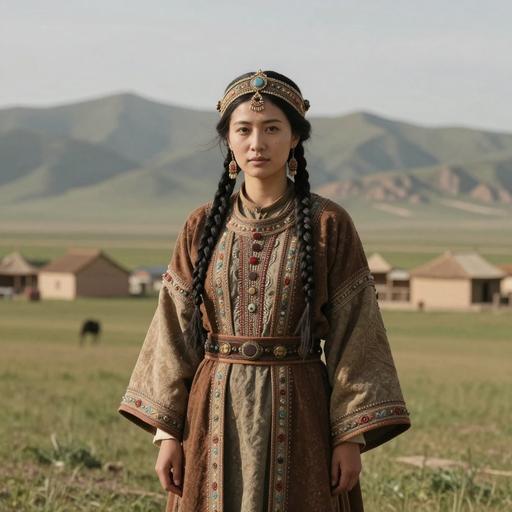
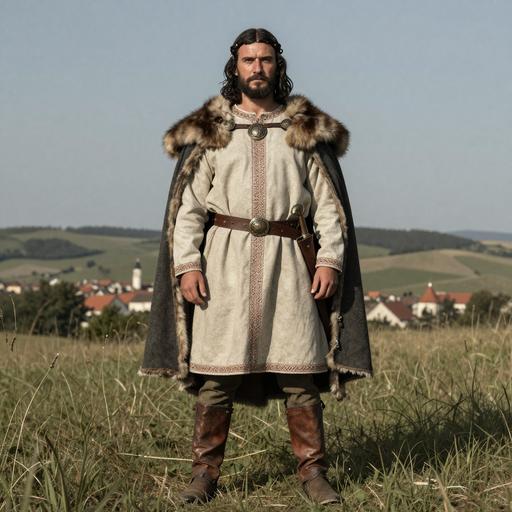
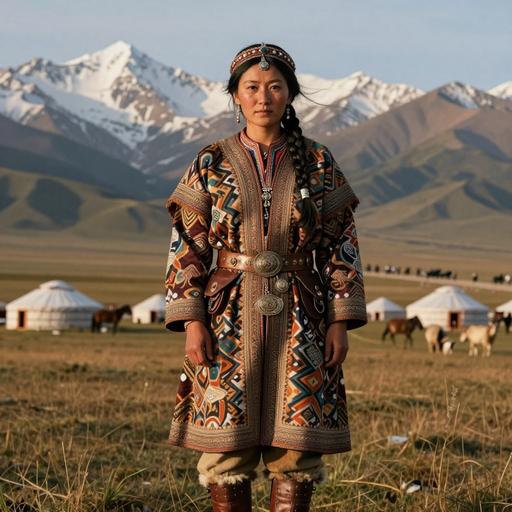
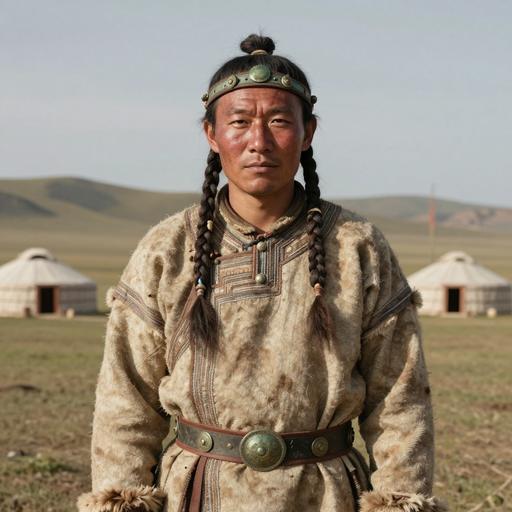
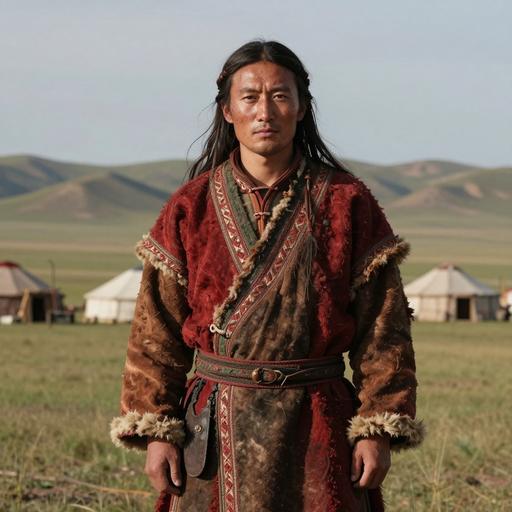
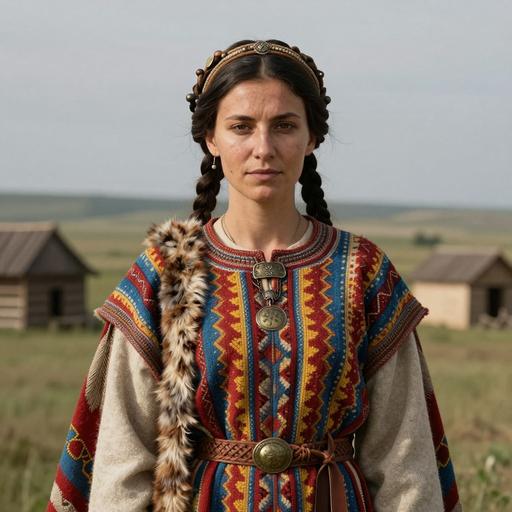
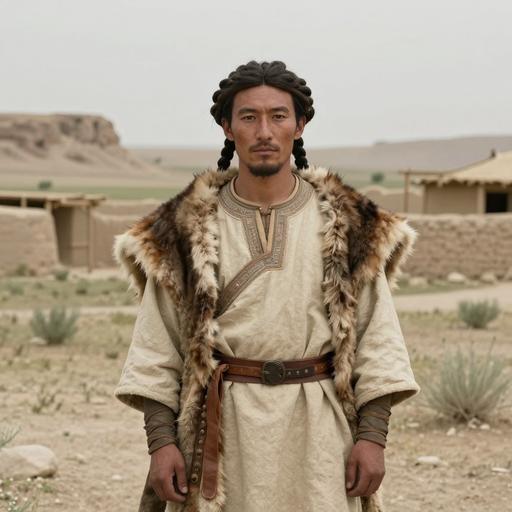
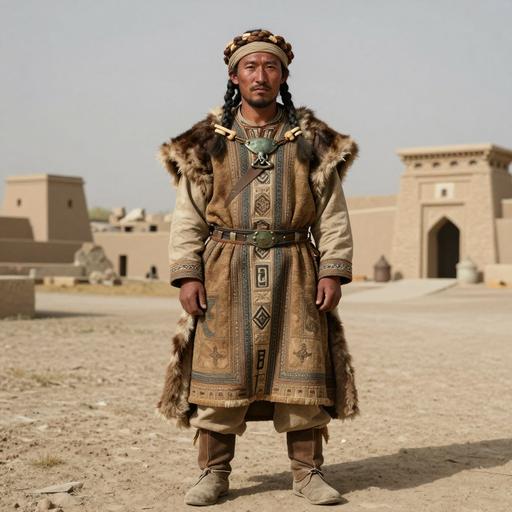
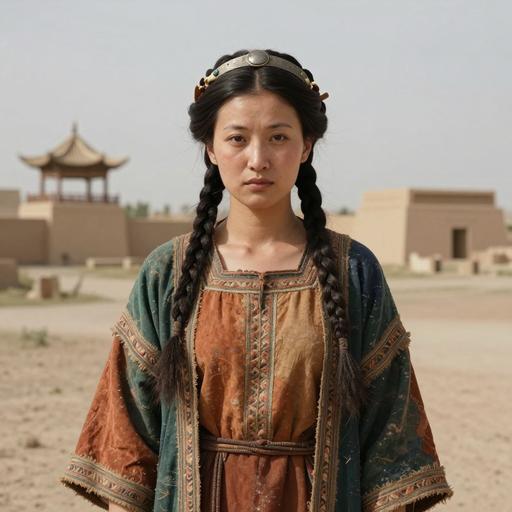
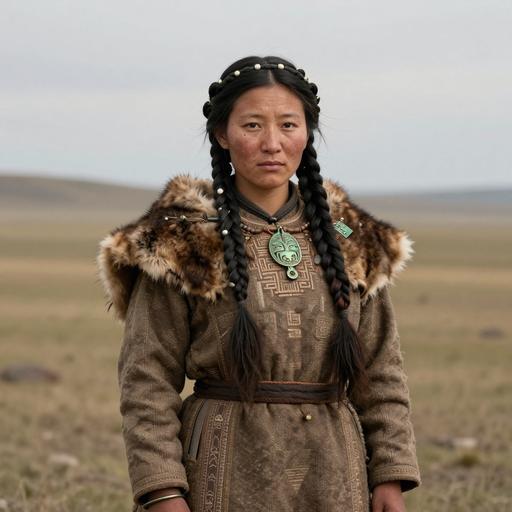
Os retratos são ilustrações geradas com IA. As etiquetas de amostra e os identificadores de acesso identificam os registros de referência.

Retrato Mostrar País Época Data Cultura mtDNA Corresponder
Retrato ilustrativo de Xinjiang IA Yuezhi Scythian Wusun possible individual, Xinjiang. Yili Region. Nileke County. G218, China (400 BCE-50 CE) gerado com IA
Identificador de amostra: C3337
China Iron Age Possible Scythian Wusun G218, Xinjiang, China 400 BCE - 50 CE Wusun Culture C4a2c Direct
Retrato ilustrativo de Early Medieval Late Avar Middle Avar-o Low East Asia individual, Albertirsa Szentmártoni út, Hungary (650-750 CE) gerado com IA
Identificador de amostra: I18744
Hungary Middle to Late Avar Period Danube-Tisza, Hungary 650-750 CE Middle-Late Avar C4a2c Direct
Retrato ilustrativo de Middle Avar-o High East Asia individual, Bács-Kiskun County. Csólyospálos-Felsőpálos, Hungary (650-700 CE) gerado com IA
Identificador de amostra: CSPF-182
Hungary Middle Avar Period Hungary 650-700 CE Avar Culture C4a2c Direct
Retrato ilustrativo de Magyar/Hungarian individual, Hajdú-Bihar County. Püspökladány-Eperjesvölgy, Hungary (950-1,000 CE) gerado com IA
Identificador de amostra: PLE-216
Hungary Hungary Conqueror Commoner 950 CE - 1000 CE Magyar Commoner Culture C4a2c Direct
Retrato ilustrativo de Turkic Nomadic individual, Tian Shan. Central Steppe, Kyrgyzstan (1,046-1,278 CE) gerado com IA
Identificador de amostra: DA99
Kyrgyzstan Kyrgyzstan Medieval Nomad 1046 CE - 1278 CE Medieval Nomadic C4a2c Direct
Retrato ilustrativo de Steppe Central Nomad Ma individual, Tian Shan. Central Steppe, Kyrgyzstan (1,046-1,278 CE) gerado com IA
Identificador de amostra: DA99
Kyrgyzstan Medieval Steppe Nomads 1046 CE - 1278 CE C4a2c Direct
Retrato ilustrativo de Khovsgol LBA-6 individual, Khovsgol aimag. Arbulag sorum, Mongolia (1,390-1,055 BCE) gerado com IA
Identificador de amostra: ARS008
Mongolia Late Bronze Age Khovsgol 6, Mongolia 1390-1055 calBCE (2992±48 BP, A-) Khovsgol Culture C4a2c Direct
Retrato ilustrativo de Arkhangai Xiongnu Period individual, Arkhangai. Naimaa Tolgoi, Mongolia (200 BCE-100 CE) gerado com IA
Identificador de amostra: NAI002
Mongolia The Xiongnu People 200 BCE - 100 CE Xiongnu C4a2c1 Subclado
Retrato ilustrativo de Middle Avar-o Low East Asia individual, Rákóczifalva-Bagi-földek (Jász-Nagykun-Szolnok Coiunty, Szolnok), Hungary (650-900 CE) gerado com IA
Identificador de amostra: RKC037
Hungary Hungary MiddleAvar 650-900 CE Avar Culture C4a2c1 Subclado
Retrato ilustrativo de Xinjiang Jierzankale Jirzankal IA individual, Xinjiang. Kashi Region. Tashikuergan County. Jierzankale, China (750-350 BCE) gerado com IA
Identificador de amostra: C1222
China Iron Age Jierzankale, Xinjiang, China 750-350 BCE Jierzankale Culture C4a2c1 Subclado
MATERNAL LINHAGEM · DNA ANTIGO

Mapa de testes de linhagems antigos

Siga os clados superiores até este ramo e explora onde se encontraram portadores antigos.

A carregar as observações antigas...

Os marcadores são locais de achados arqueológicos. Uma linha de descontínua representa uma transição geográfica proposta e incerta entre ramos consecutivos, apoiada em várias observações fechadas; não é uma rota de viagem exata, um local de nascimento ou um teste de descendência direta. As amostras do clado parental podem pertencer a outros ramos descendentes. As datas das amostras são distintas das datas de formação dos haplogrupos são mantidas.

Perfil de Referência

Mapa de distribuição de portadores

Distribuição geográfica das amostras de DNA antigo (13), portadores directos ou de subclasses de C4A2C

Portador directo Portador de um subclasse
Filtro de Período Temporária
Todos os períodos
Mostrar todas as amostras
Perfil de Referência

Distribuição temporária

Distribuição de portadores por períodos arqueológicos

Perfil de Referência

Distribuição geográfica

Recuentos por país registrado das amostras. Reflejam a seleção de referência disponível, não frequências de população.

Perfil de Referência

Distribuição por país e época

Compare as contagens de amostras registadas por países e períodos arqueológicos. Selecione uma célula com dados para examinar uma amostra.

Dados

Dados e proveniência

Informações sobre fontes e qualidade dos dados

Última actualização 2026-02-16
Pontuação de confiança 50/100
Cobertura Low

Fonte de Dados

A classificação, as datas estimadas e o contexto geográfico refletem os dados de referência registrados e podem mudar ao revisar os testes. A cobertura de amostras é desigual; os locais registrados e as associações arqueológicas não estabelecem a origem pessoal nem a identidade cultural.

Um haplogrupo acompanha uma única linhagem materna ou paterna. A previsão do ramo depende dos marcadores presentes no arquivo de DNA. Como analisamos o DNA