Saltar para o conteúdo principal
mtDNA · Materno linaje

L3E2

mtDNA Haplogroup L3E2

Um perfil de referência de um ramo de linhagem. Compartilhar haplogrupos não demonstra uma relação familiar ou uma identidade cultural.

Perfil de Referência

Contexto do ramo

Contexto histórico de la rama de linaje mtDNA L3E2

Origins and Evolution

mtDNA haplogroup L3E2 is a downstream branch of the larger haplogroup L3e, itself a major subclade of African mtDNA haplogroup L3. Based on the position of L3E2 within the L3e phylogeny and the known time depth of L3e (~30 kya), L3E2 most likely diversified during the Early to Mid Holocene (roughly the last 12,000 years) within West/Central Africa. Like other L3e lineages, L3E2 reflects maternal ancestry that expanded during post-glacial demographic changes in sub-Saharan Africa.

High-resolution sequencing and control-region surveys indicate that L3E2 contains internal substructure with multiple regional sublineages; however, exact subclade names and branching orders can vary between studies depending on sampling and the depth of whole-mtDNA sequencing used. Ancient DNA recovery in Africa is still limited, but L3E2 has been observed in at least a small number of archaeological samples, supporting its Holocene presence in the region.

Subclades (if applicable)

Several studies report that L3E2 is not a single uniform lineage but comprises multiple internal branches with geographic structuring. These sublineages tend to show regional differentiation across West and Central Africa and among Bantu-speaking populations. Because nomenclature and resolution depend on full mitogenome sequencing, researchers often refine L3E2 internal branches as more whole-mtDNA data become available. In population surveys, distinct L3E2 sublineages can be associated with particular ethno-linguistic groups, reflecting maternal founder effects and local expansions.

Geographical Distribution

L3E2 is concentrated in West and Central Africa, with moderate to lower frequencies extending into parts of Eastern and Southern Africa through past migrations such as the Bantu expansions. It is also found among African-descended populations in the Americas and the Caribbean as a direct result of transatlantic forced migrations during the last 500 years. Low-frequency occurrences in North Africa and the Near East are interpreted as historical gene flow and more recent admixture.

Overall distribution patterns show: higher frequencies among West African groups (e.g., Yoruba and neighboring populations), substantial presence among Central African rainforest groups and many Bantu-speaking populations, and detectable frequencies in coastal East African and Southern African groups where Bantu-linked maternal lineages are present.

Historical and Cultural Significance

L3E2's demographic history is tied to major Holocene processes in sub-Saharan Africa. Its expansion and present geographic pattern reflect:

  • Holocene demographic growth and regional differentiation following the Last Glacial Maximum.
  • The Bantu expansions (mid-to-late Holocene), which moved peoples, languages and maternal lineages from parts of West/Central Africa into much of Central, Eastern and Southern Africa; L3E2 sublineages are frequent among many Bantu-speaking populations and thus contributed maternally to these regions.
  • The Atlantic slave trade, which carried L3E2 lineages (among many other African maternal haplogroups) to the Americas and Caribbean, making L3E2 detectable in African diaspora maternal pools.

These associations make L3E2 useful in studies of West/Central African demography, maternal migration histories tied to agricultural and linguistic spread, and in forensic and genealogical contexts tracing maternal African ancestry in the diaspora.

Conclusion

mtDNA haplogroup L3E2 is a regionally important maternal lineage that originated in West/Central Africa during the Early Holocene and diversified into multiple sublineages. It highlights the interplay of local Holocene population processes and later large-scale movements such as the Bantu expansions and historic transatlantic migrations. Continued mitogenome sequencing and improved ancient DNA sampling in Africa will refine the internal structure, age estimates, and finer-scale geographic history of L3E2.

Pontos- Chave

  • Origins and Evolution
  • Subclades (if applicable)
  • Geographical Distribution
  • Historical and Cultural Significance
  • Conclusion
Perfil de Referência

Árvore e relações

Contexto filogenético e subclasse

Trajectória evolutiva

Sigue las ramas superiores registradas hasta L3E2. Las fechas son estimaciones y pueden cambiar al revisarse los datos de referencia.

Passos Haplogrupo Antiguidade estimada Época arqueológica Tempo decorrido Subclasses imediatas Portadores modernos analisados Referências antigas
1 L3E2 Actual ~12,000 years ago Neolithic 12,000 years 2 403 0
2 L3e ~30,000 years ago Paleolithic 30,000 years 3 710 5
3 L3E'I'K'X - - - 4 732 0
4 L3 ~70,000 years ago Paleolithic 70,000 years 7 30,162 6
5 L3'4 - - - 2 30,212 0
6 L3'4'6 - - - 2 30,216 0
7 L2'3'4'6 - - - 2 31,333 0
8 L2'3'4'5'6'7 - - - 2 31,349 0
9 L1'2'3'4'5'6'7 - - - 2 31,852 0
10 L ~160,000 years ago Paleolithic 160,000 years 2 32,236 5

Ramas hermanas (2)

Outros ramos do mesmo haplogrupo superior

Perfil de Referência

No mundo

Distribuição geográfica e presença moderna

Origem registada

West/Central Africa (Sub-Saharan Africa)

Distribuição moderna

The populations where mtDNA haplogroup L3E2 is found include:

  1. Yoruba and other West African groups (Nigeria, Ghana)
  2. Central African rainforest groups including Mbuti and other Pygmy populations
  3. Bantu-speaking populations across Central, Southern and parts of East Africa
  4. Akan, Igbo and other West African ethnic groups
  5. Coastal East African groups (e.g., Swahili-adjacent populations)
  6. Khoe-San–adjacent and some Southern African Bantu groups (lower to moderate frequencies)
  7. African-descended populations in the Americas and the Caribbean (due to transatlantic slave trade)
  8. North African and Near Eastern populations (low frequencies from historical admixture)
Contexto Histórico

Uma ramificação através do tempo

Formação estimada em uma cronologia histórica ampla. Os marcadores temporais contribuem contexto e não implicam relação com culturas concretas.

  1. ~12k años de antigüedad

    Haplogrupo L3E2

    Formação estimada deste ramo mtDNA; as datas e localizações são estimativas de referência.

    Este ramo
  2. ~10k años de antigüedad

    Revolução neolítica

    Início da agricultura e formação de comunidades sedentárias

  3. ~5k años de antigüedad

    Idade do Bronze

    Metalurgia, escrita e primeiras civilizações

  4. ~3k años de antigüedad

    Idade do Ferro

    Ferramentas de ferro e ampliação de redes comerciais

  5. ~2.5k años de antigüedad

    Antiguidades clássicas

    Desenvolvimento das civilizações grega e romana

  6. Actualidad

    Actualidad

    Idade moderna

Perfil de Referência

Contexto arqueológico

Asociaciones arqueológicas registradas para la rama mtDNA L3E2

Associações registradas

Esses rótulos descrevem os contextos arqueológicos registrados para as amostras de referência vinculadas a L3E2. Uma associação não demonstra que todos os portadores pertenceram a uma cultura ou seguiram uma rota migratória específica.

Austria_Avar Bungule Colonial African Mexican Corded Ware Jordanow-Michelsberg Culture Modern Period Punic Culture Slab Grave Culture Songo Mnara St. Helena Colonial
As atribuições culturais baseiam-se no contexto arqueológico das amostras de DNA antigo e podem representar associações regionais de períodos concretos.
Perfil de Referência

Catálogo de amostras

3 portadores directos y 10 portadores de subclados del haplogrupo L3E2

10 mostradas 13 amostras correspondentes

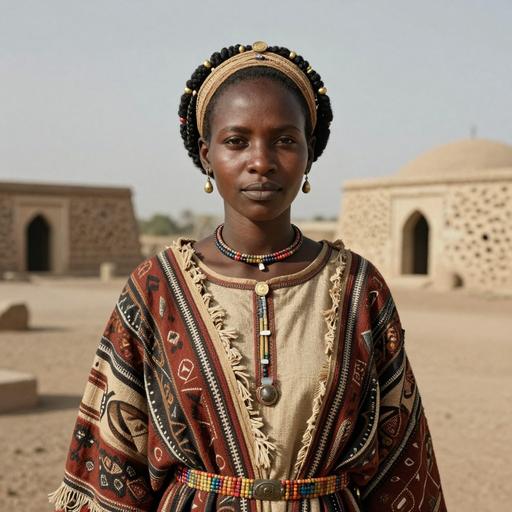
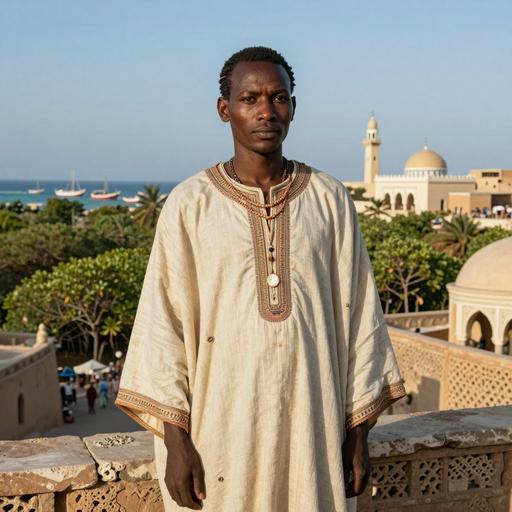
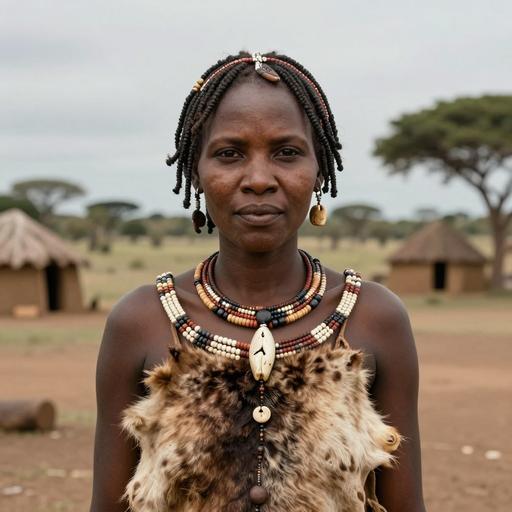
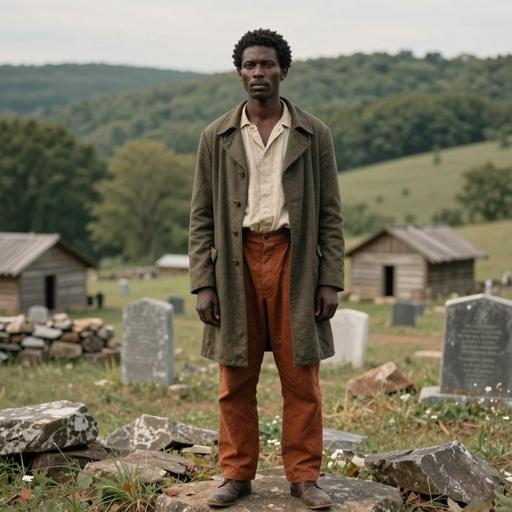
Os retratos são ilustrações geradas com IA. As etiquetas de amostra e os identificadores de acesso identificam os registros de referência.

Retrato Mostrar País Época Data Cultura mtDNA Corresponder
Retrato ilustrativo de Punic-o Africa2 individual, Kerkouane, Tunisia (761-405 BCE) gerado com IA
Identificador de amostra: R11778
Tunisia Tunisia Punic 516-387 calBCE (2360±25 BP, PSUAMS-14113) Punic Culture L3e2 Direct
Retrato ilustrativo de Maryland Historic African American individual, Maryland's Catoctin Furnace African American Cemetery, USA (1,700-1,850 CE) gerado com IA
Identificador de amostra: I15336
USA Modern Era 1775-1850 CE Modern Period L3e2 Direct
Retrato ilustrativo de Maryland Historic African American individual, Maryland's Catoctin Furnace African American Cemetery, USA (1,700-1,850 CE) gerado com IA
Identificador de amostra: I15337
USA Modern Era 1775-1850 CE Modern Period L3e2 Direct
Retrato ilustrativo de Swahili individual, Songo Mnara (Kilwa District, Songo Mnara Island), Tanzania (1,402-1,437 CE) gerado com IA
Identificador de amostra: I19552
Tanzania Swahili Culture of Songo Mnara 1402-1437 calCE (560±15 BP, PSUAMS-8411) Songo Mnara L3e2b1a2 Subclado
Retrato ilustrativo de Swahili individual, Songo Mnara (Kilwa District, Songo Mnara Island), Tanzania (1,418-1,450 CE) gerado com IA
Identificador de amostra: I19548
Tanzania Swahili Culture of Songo Mnara 1418-1450 calCE (520±15 BP, PSUAMS-8408) Songo Mnara L3e2b Subclado
Retrato ilustrativo de South Africa individual, Newcastle, South Africa (1,445-1,624 CE) gerado com IA
Identificador de amostra: new001
South Africa South Africa 2200 Years Before Present 1445-1624 calCE (430±30 BP, Beta-398221) Terminal Stone Age L3e2b1a2 Subclado
Retrato ilustrativo de Colonial African individual, Campeche. Campeche, Mexico (1,540-1,680 CE) gerado com IA
Identificador de amostra: I10860
Mexico Mexico Colonial African 1500-1700 CE Colonial African Mexican L3e2b+152 Subclado
Retrato ilustrativo de Maryland Historic African American individual, Maryland's Catoctin Furnace African American Cemetery, USA (1,700-1,850 CE) gerado com IA
Identificador de amostra: I15331
USA Modern Era 1775-1850 CE Modern Period L3e2a1b1 Subclado
Retrato ilustrativo de Maryland Historic African American individual, Maryland's Catoctin Furnace African American Cemetery, USA (1,700-1,850 CE) gerado com IA
Identificador de amostra: I8087
USA Modern Era 1800-1850 CE Modern Period L3e2a1b1 Subclado
Retrato ilustrativo de Maryland Historic African American individual, Maryland's Catoctin Furnace African American Cemetery, USA (1,700-1,850 CE) gerado com IA
Identificador de amostra: I15340
USA Modern Era 1775-1850 CE Modern Period L3e2a1b1 Subclado
MATERNAL LINHAGEM · DNA ANTIGO

Mapa de testes de linhagems antigos

Siga os clados superiores até este ramo e explora onde se encontraram portadores antigos.

A carregar as observações antigas...

Os marcadores são locais de achados arqueológicos. Uma linha de descontínua representa uma transição geográfica proposta e incerta entre ramos consecutivos, apoiada em várias observações fechadas; não é uma rota de viagem exata, um local de nascimento ou um teste de descendência direta. As amostras do clado parental podem pertencer a outros ramos descendentes. As datas das amostras são distintas das datas de formação dos haplogrupos são mantidas.

Perfil de Referência

Mapa de distribuição de portadores

Distribuição geográfica das amostras de DNA antigo (13), portadores directos ou de subclasses de L3E2

Portador directo Portador de um subclasse
Filtro de Período Temporária
Todos os períodos
Mostrar todas as amostras
Perfil de Referência

Distribuição temporária

Distribuição de portadores por períodos arqueológicos

Perfil de Referência

Distribuição geográfica

Recuentos por país registrado das amostras. Reflejam a seleção de referência disponível, não frequências de população.

Perfil de Referência

Distribuição por país e época

Compare as contagens de amostras registadas por países e períodos arqueológicos. Selecione uma célula com dados para examinar uma amostra.

Dados

Dados e proveniência

Informações sobre fontes e qualidade dos dados

Última actualização 2026-02-16
Pontuação de confiança 50/100
Cobertura Low

Fonte de Dados

A classificação, as datas estimadas e o contexto geográfico refletem os dados de referência registrados e podem mudar ao revisar os testes. A cobertura de amostras é desigual; os locais registrados e as associações arqueológicas não estabelecem a origem pessoal nem a identidade cultural.