Saltar para o conteúdo principal
mtDNA · Materno linaje

R

mtDNA Haplogroup R

Um perfil de referência de um ramo de linhagem. Compartilhar haplogrupos não demonstra uma relação familiar ou uma identidade cultural.

Perfil de Referência

Contexto do ramo

Contexto histórico de la rama de linaje mtDNA R

Origins and Evolution

Haplogroup R is a primary descendant of haplogroup N, itself a major branch of the non-African mitochondrial lineage that dispersed after the out-of-Africa migrations. R most likely arose in the Upper Paleolithic (commonly estimated ~50–65 kya) in a region broadly encompassing South Asia and the Near East. From this ancestral R node a rapid radiation produced many daughter clades that now dominate maternal lineages across Eurasia, Oceania, and parts of the Americas.

Genetically, R sits at a pivotal point in the human mtDNA phylogeny: although R itself is defined by a limited set of diagnostic mutations, its importance comes from the large number of downstream haplogroups (H, V, J, T, U, K, B, F, P, R0/RV, R2, etc.) that together carry most of the non-African maternal diversity sampled in modern and ancient populations.

Subclades

The R node gave rise to many recognizable subclades with distinct geographic and historical signatures. Important subclades include (but are not limited to):

  • R0 / RV → H, V: extremely common in Western Eurasia; H is the single most frequent European mtDNA lineage.
  • JT → J, T: found across Europe and the Near East, often associated with Neolithic and later populations.
  • U (and K): deep Upper Paleolithic European branches and later Mesolithic/Neolithic dynamics.
  • B: widespread in East and Southeast Asia and a founding lineage in parts of the Americas.
  • F and P: important in East and Southeast Asia and in Oceania (P in New Guinea and Australia).
  • R2, R1 and other R-derived lineages: often seen in South Asia, Central Asia and adjoining regions.

Each of these daughter clades has its own internal structure, time depth and geography; collectively they explain why R is so prominent in non-African mitochondrial variation.

Geographical Distribution

Haplogroup R is effectively pan-Eurasian in scope through its descendants. Modern and ancient DNA studies show that R-derived lineages are present at high frequencies across South Asia, West Asia, Europe and East Asia, are prominent in parts of Southeast Asia, and contribute to the founding diversity of Oceania and the Americas (via specific descendant clades such as B and certain sublineages of P). Occasional low-frequency occurrences in North Africa reflect later gene flow and complex interactions on Eurasia–Africa margins.

Geographic patterns are largely shaped by the subsequent radiations of R’s daughter clades: for example, H/V/J/T/U dominate much of Europe and the Near East, B/F are common in East/Southeast Asia and the Americas, and P is characteristic of Oceania.

Historical and Cultural Significance

Because R predates many archaeological cultures, it does not map one-to-one onto a single prehistoric culture. Instead, descendant R clades appear in multiple temporal and cultural contexts across Eurasia:

  • Upper Paleolithic: origin and early diversification; several R-descended lineages are present in Paleolithic and Mesolithic remains.
  • Neolithic: many R subclades (for example J, T and certain H and K lineages) are associated with early farming populations in Europe and the Near East and appear in ancient DNA from Neolithic sites.
  • Bronze Age and later: steppe- and migration-associated movements redistributed particular maternal lineages; later historical migrations and population turnovers further reshaped regional frequencies.

In short, R and its descendants have been involved in the major demographic events of Eurasian prehistory — from initial Upper Paleolithic dispersal to Neolithic farming expansions and Bronze Age population movements — but the specific signatures belong to the daughter haplogroups rather than the R node alone.

Conclusion

Haplogroup R is best understood as a major ancestral hub in the mtDNA tree: a Paleolithic-era lineage that spawned the majority of non-African maternal diversity. Studying R and its many subclades provides insight into the timing and routes of early human dispersals across Eurasia, the peopling of Oceania and the maternal founders of the Americas. As ancient DNA sampling and high-resolution mitogenome sequencing expand, the internal structure and precise geographic origin of R continue to be refined.

Pontos- Chave

  • Origins and Evolution
  • Subclades
  • Geographical Distribution
  • Historical and Cultural Significance
  • Conclusion
Perfil de Referência

Árvore e relações

Contexto filogenético e subclasse

Trajectória evolutiva

Sigue las ramas superiores registradas hasta R. Las fechas son estimaciones y pueden cambiar al revisarse los datos de referencia.


Passos Haplogrupo Antiguidade estimada Época arqueológica Tempo decorrido Subclasses imediatas Portadores modernos analisados Referências antigas
1 R Actual ~55,000 years ago Paleolithic 55,000 years 17 22,830 57
2 NA - - - 1 22,830 0
3 N ~60,000 years ago Paleolithic 60,000 years 16 26,150 13
4 L3 ~70,000 years ago Paleolithic 70,000 years 7 30,162 6
5 L3'4 - - - 2 30,212 0
6 L3'4'6 - - - 2 30,216 0
7 L2'3'4'6 - - - 2 31,333 0
8 L2'3'4'5'6'7 - - - 2 31,349 0
9 L1'2'3'4'5'6'7 - - - 2 31,852 0
10 L ~160,000 years ago Paleolithic 160,000 years 2 32,236 5
Perfil de Referência

No mundo

Distribuição geográfica e presença moderna

Origem registada

South Asia / Near East

Distribuição moderna

The populations where mtDNA haplogroup R is found include:

  1. South Asian populations (Indian subcontinent)
  2. West Eurasian / Near Eastern populations (Europe, Levant, Iran)
  3. East Asian populations (Han Chinese, Japanese, Koreans)
  4. Southeast Asian populations (Thai, Vietnamese, Malay, Filipino groups)
  5. Oceanian groups (Papua New Guinea, Indigenous Australians via descendant clades)
  6. Native American groups (through descendant lineages such as B)
  7. Central Asian populations (Turkic, Indo-Iranian groups)
  8. North African groups (low-frequency occurrences, usually via historical gene flow)
Contexto Histórico

Uma ramificação através do tempo

Formação estimada em uma cronologia histórica ampla. Os marcadores temporais contribuem contexto e não implicam relação com culturas concretas.

  1. ~70k años de antigüedad

    Expansão fora da África

    Migração importante de humanos modernos fora de África

  2. ~55k años de antigüedad

    Haplogrupo R

    Formação estimada deste ramo mtDNA; as datas e localizações são estimativas de referência.

    Este ramo
  3. ~50k años de antigüedad

    Paleolítico superior

    Desenvolvimento de ferramentas, arte e diversidade cultural

  4. ~20k años de antigüedad

    Último máximo glacial

    Máxima extensão da última glaciação e isolamento de populações

  5. ~10k años de antigüedad

    Revolução neolítica

    Início da agricultura e formação de comunidades sedentárias

  6. ~5k años de antigüedad

    Idade do Bronze

    Metalurgia, escrita e primeiras civilizações

  7. ~3k años de antigüedad

    Idade do Ferro

    Ferramentas de ferro e ampliação de redes comerciais

  8. ~2.5k años de antigüedad

    Antiguidades clássicas

    Desenvolvimento das civilizações grega e romana

  9. Actualidad

    Actualidad

    Idade moderna

Perfil de Referência

Contexto arqueológico

Asociaciones arqueológicas registradas para la rama mtDNA R

Associações registradas

Esses rótulos descrevem os contextos arqueológicos registrados para as amostras de referência vinculadas a R. Uma associação não demonstra que todos os portadores pertenceram a uma cultura ou seguiram uma rota migratória específica.

Afanasievo Culture Archaic Belize Boisman Ganj Dareh Culture Linear Pottery Culture Russia_Omsk_Eneolithic_Chernoozersky Santa Rosa Island Culture Sardinian Neolithic Shahr-i Sokhta Ust-Ishim Culture
As atribuições culturais baseiam-se no contexto arqueológico das amostras de DNA antigo e podem representar associações regionais de períodos concretos.
Perfil de Referência

Catálogo de amostras

32 portadores directos y 25 portadores de subclados del haplogrupo R

10 mostradas 50 amostras correspondentes

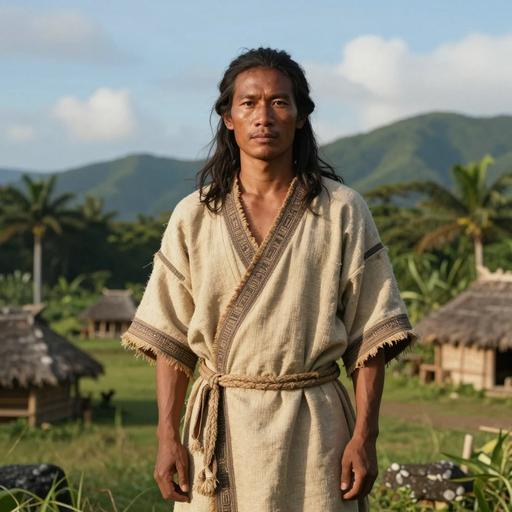
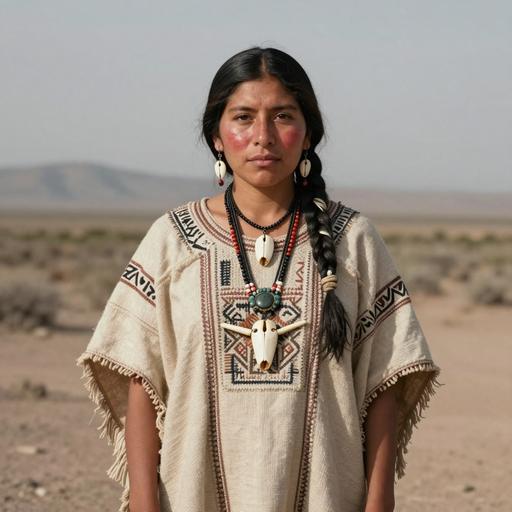
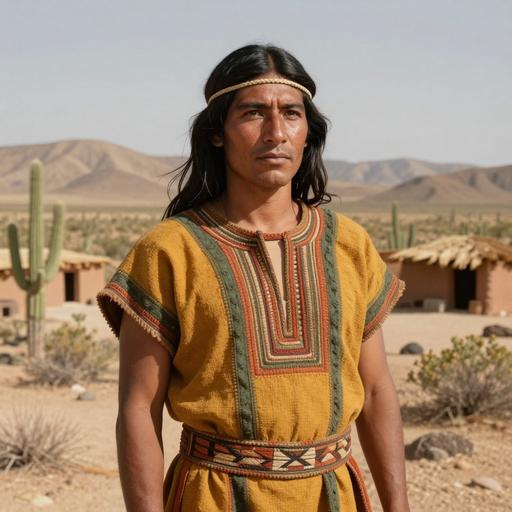
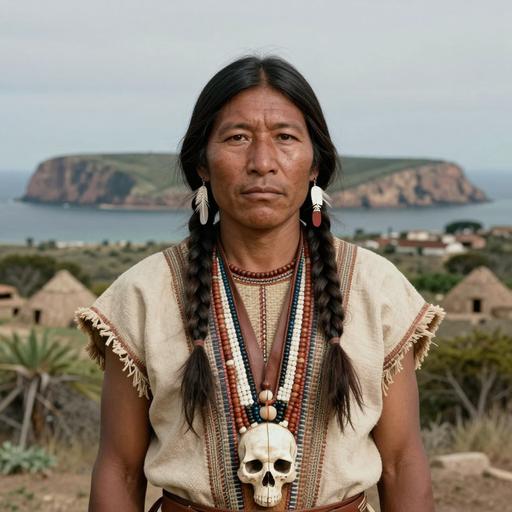
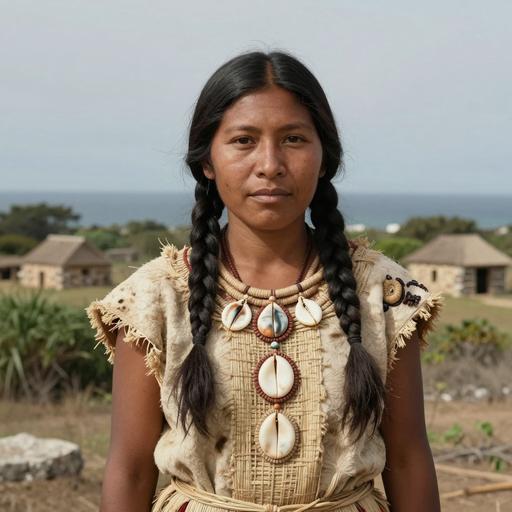
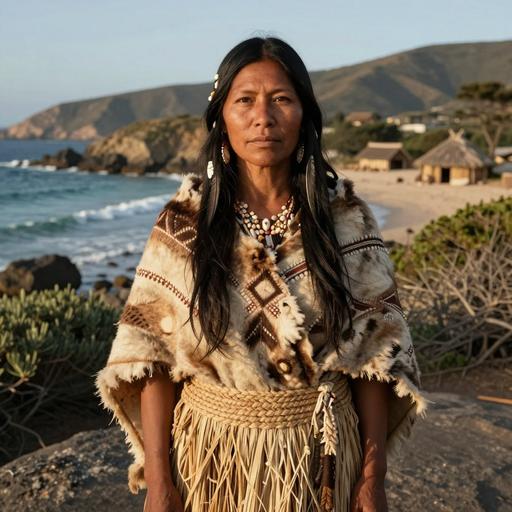
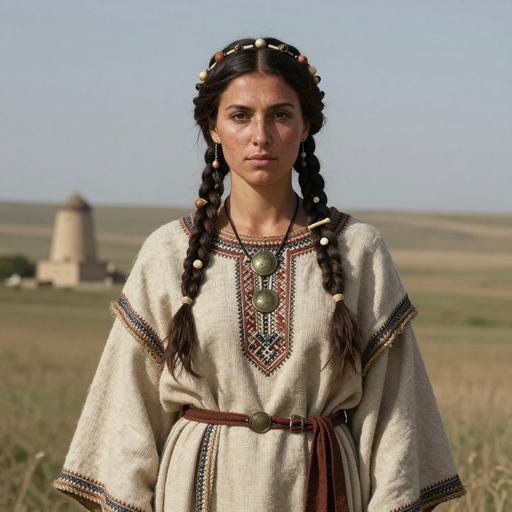
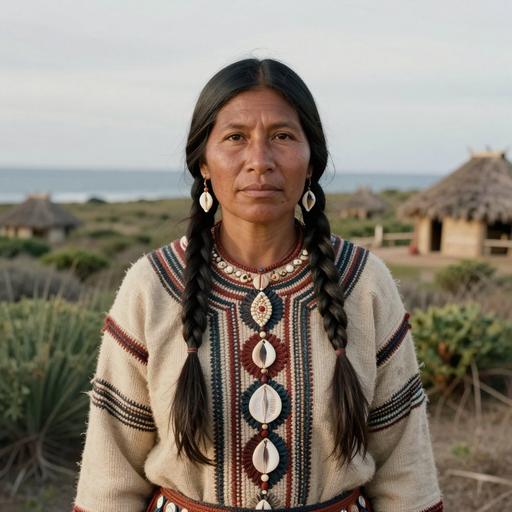
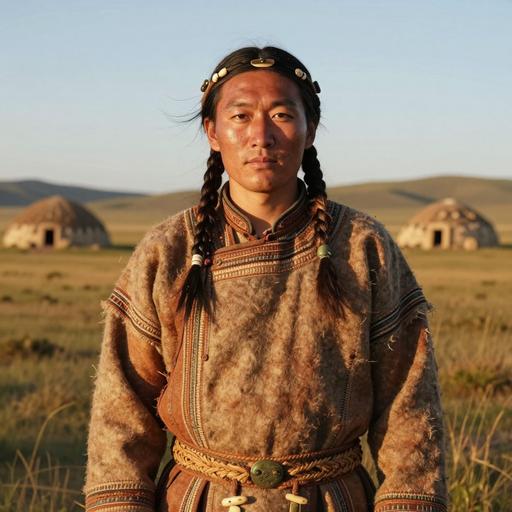
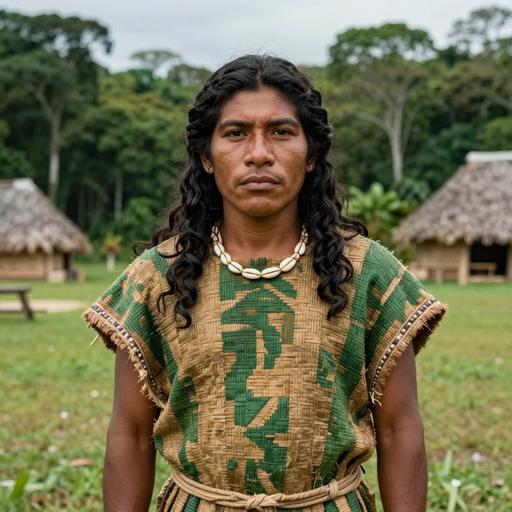
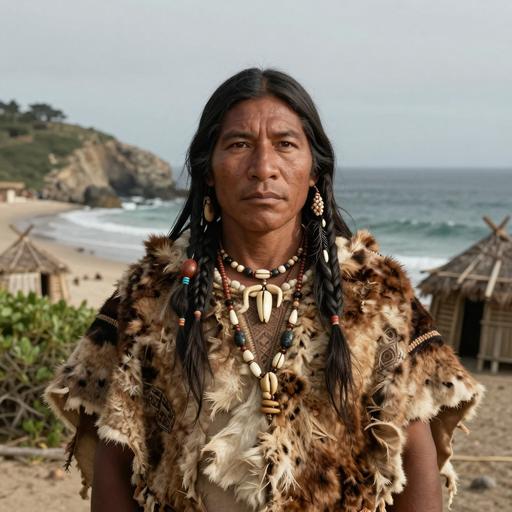
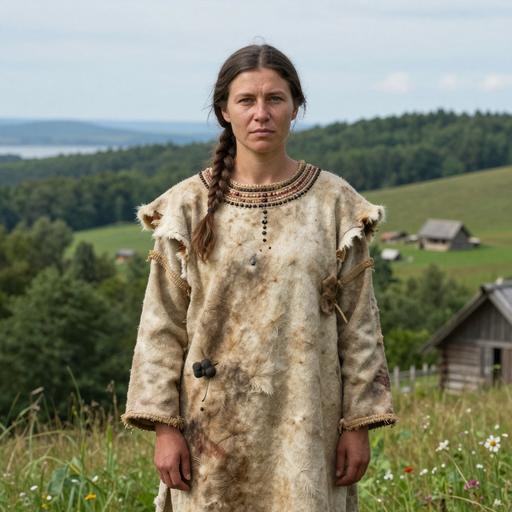
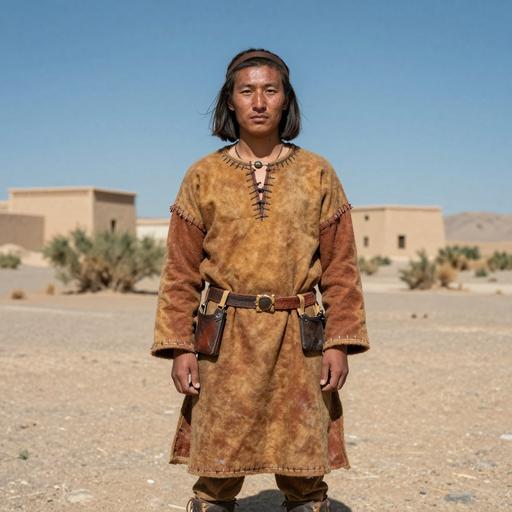
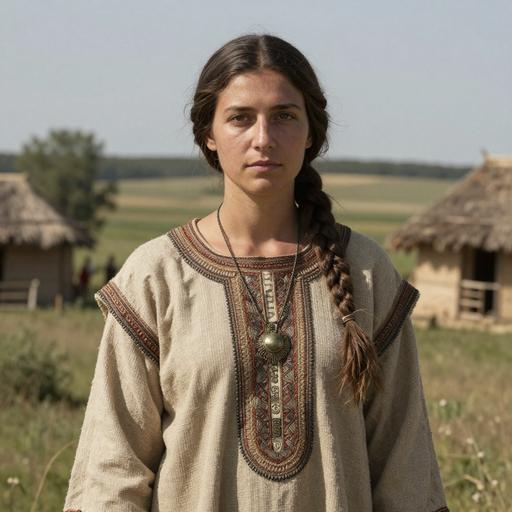
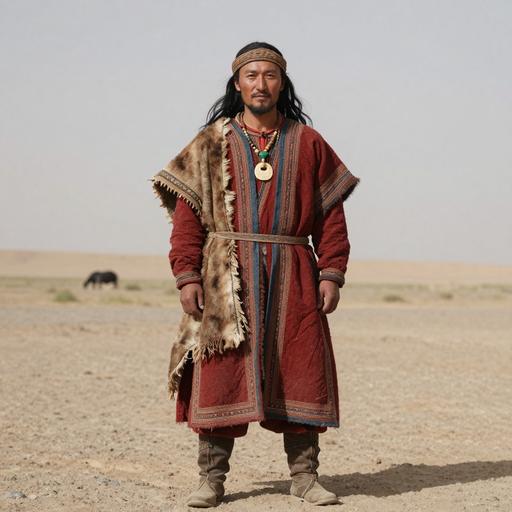
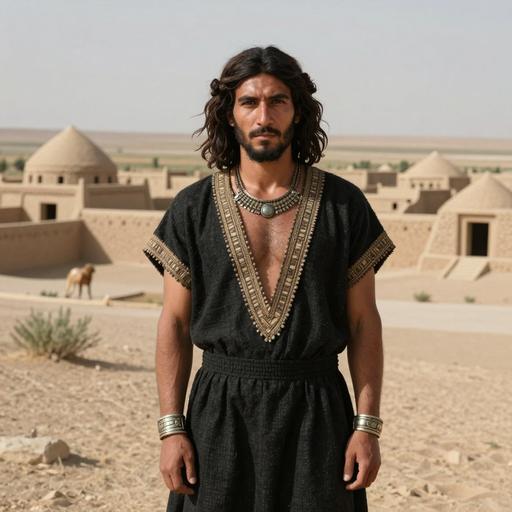
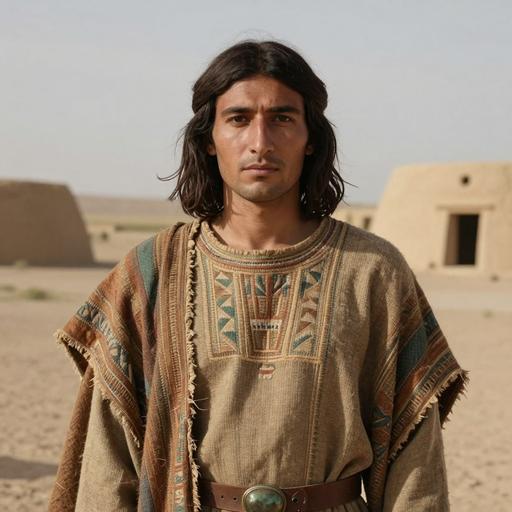
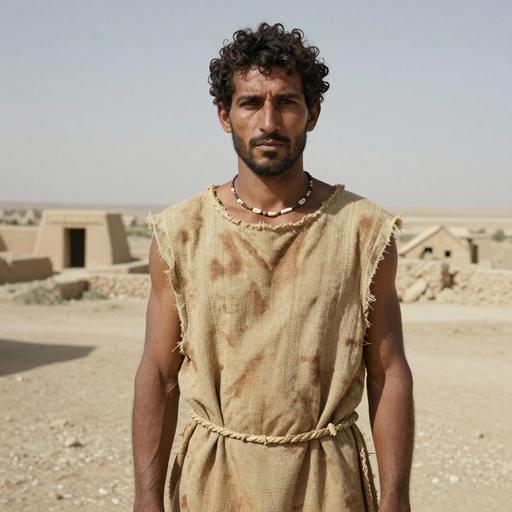
Os retratos são ilustrações geradas com IA. As etiquetas de amostra e os identificadores de acesso identificam os registros de referência.

Retrato Mostrar País Época Data Cultura mtDNA Corresponder
Retrato ilustrativo de IA individual, Hanben. Blihun site, Taiwan (1-800 CE) gerado com IA
Identificador de amostra: I3614
Taiwan Iron Age Taiwan 1-800 CE Taiwanese Iron R Direct
Retrato ilustrativo de Austronesian individual, Hanben. Blihun site, Taiwan (1-800 CE) gerado com IA
Identificador de amostra: I3618
Taiwan Iron Age Taiwan 1 CE - 800 CE Taiwanese Iron R Direct
Retrato ilustrativo de IA individual, Hanben. Blihun site, Taiwan (1-800 CE) gerado com IA
Identificador de amostra: I8071
Taiwan Iron Age Taiwan 1-800 CE Taiwanese Iron R Direct
Retrato ilustrativo de IA individual, Hanben. Blihun site, Taiwan (1-800 CE) gerado com IA
Identificador de amostra: I13697
Taiwan Iron Age Taiwan 1-800 CE Taiwanese Iron R Direct
Retrato ilustrativo de IA individual, Hanben. Blihun site, Taiwan (22-201 CE) gerado com IA
Identificador de amostra: I3620
Taiwan Iron Age Taiwan 22-201 calCE (1935±20 BP, PSUAMS-7936) Taiwanese Iron R Direct
Retrato ilustrativo de IA individual, Hanben. Blihun site, Taiwan (32-206 CE) gerado com IA
Identificador de amostra: I3615
Taiwan Iron Age Taiwan 32-206 calCE (1920±20 BP, PSUAMS-7910) Taiwanese Iron R Direct
Retrato ilustrativo de England MIA individual, England. London. River Thames. Putney Foreshore, United Kingdom (387-201 BCE) gerado com IA
Identificador de amostra: I3083
United Kingdom England MIA 387-201 calBCE (2232±29 BP, OxA-14730) Middle Iron Age British R Direct
Retrato ilustrativo de Tayopa individual, Tayopa (Sonora, Sahuaripa), Mexico (500-1,400 CE) gerado com IA
Identificador de amostra: I8236
Mexico Mexico Tayopa 1000BP 500-1400 CE Tayopa R Direct
Retrato ilustrativo de Tayopa individual, Tayopa (Sonora, Sahuaripa), Mexico (500-1,400 CE) gerado com IA
Identificador de amostra: I8238
Mexico Mexico Tayopa 1000BP 500-1400 CE Tayopa R Direct
Retrato ilustrativo de Late Unai individual, Guam. Naton Beach Site, Guam (771-543 BCE) gerado com IA
Identificador de amostra: I18450
Guam Guam LateUnai 771-543 calBCE (2495±20 BP, PSUAMS-11558) Unai Culture R Direct
MATERNAL LINHAGEM · DNA ANTIGO

Mapa de testes de linhagems antigos

Siga os clados superiores até este ramo e explora onde se encontraram portadores antigos.

A carregar as observações antigas...

Os marcadores são locais de achados arqueológicos. Uma linha de descontínua representa uma transição geográfica proposta e incerta entre ramos consecutivos, apoiada em várias observações fechadas; não é uma rota de viagem exata, um local de nascimento ou um teste de descendência direta. As amostras do clado parental podem pertencer a outros ramos descendentes. As datas das amostras são distintas das datas de formação dos haplogrupos são mantidas.

Perfil de Referência

Mapa de distribuição de portadores

Distribuição geográfica das amostras de DNA antigo (57), portadores directos ou de subclasses de R

Portador directo Portador de um subclasse
Filtro de Período Temporária
Todos os períodos
Mostrar todas as amostras
Perfil de Referência

Distribuição temporária

Distribuição de portadores por períodos arqueológicos

Perfil de Referência

Distribuição geográfica

Recuentos por país registrado das amostras. Reflejam a seleção de referência disponível, não frequências de população.

Perfil de Referência

Distribuição por país e época

Compare as contagens de amostras registadas por países e períodos arqueológicos. Selecione uma célula com dados para examinar uma amostra.

Dados

Dados e proveniência

Informações sobre fontes e qualidade dos dados

Última actualização 2026-06-14

Fonte de Dados

A classificação, as datas estimadas e o contexto geográfico refletem os dados de referência registrados e podem mudar ao revisar os testes. A cobertura de amostras é desigual; os locais registrados e as associações arqueológicas não estabelecem a origem pessoal nem a identidade cultural.