Um perfil de referência de um ramo de linhagem. Compartilhar haplogrupos não demonstra uma relação familiar ou uma identidade cultural.
Perfil de Referência
Contexto do ramo
Contexto histórico de la rama de linaje Y-DNA R1B1A1
Origins and Evolution
Y-DNA haplogroup R1b1a1 is an intermediate paternal lineage nested within R1b1a, itself part of the broader R1b branch of the human Y-chromosome tree. Because it occupies an early branching position, it is important for reconstructing the deeper prehistory of later R1b expansions that became common across western Eurasia.
Current population-genetic interpretations place the origin of this lineage in West Eurasia or the Eurasian steppe during the late Paleolithic to early Holocene, broadly around 18 thousand years ago. At this depth, the lineage likely reflects a period before the major demographic transformations of the Neolithic and Bronze Age, though its later descendants may have participated in those events.
Subclades
As an intermediate clade, R1b1a1 is mainly significant as a phylogenetic bridge between broader ancestral R1b diversity and more derived lineages. Depending on the tree version and phylogenetic resolution, subclades beneath this level may be rare, regionally concentrated, or only sparsely sampled in ancient DNA and modern datasets.
Because Y-chromosome phylogenies are periodically updated, the exact downstream branching structure can change as new sequencing data are published. What remains stable is the interpretation of R1b1a1 as a relatively deep and informative ancestral node within the R1b family.
Geographical Distribution
Today, lineages descended from or phylogenetically related to this branch are associated with a broad West Eurasian distribution, with the strongest relevance in regions where later R1b expansions became common.
Modern and historical contexts include:
Western Europe, especially the British Isles, France, Iberia, and the Low Countries
Southern Europe, including Italy and the Balkans
West Asia, including Anatolia and the Caucasus
The Levant and North Africa, where some R1b-related lineages occur at lower frequencies
Central Asia and steppe-connected populations, reflecting wider Eurasian mobility and admixture
In practice, R1b1a1 itself may be uncommon or poorly represented in modern frequency surveys because many populations are dominated by more derived R1b clades. Its importance is therefore often greater in phylogenetic and ancient-DNA contexts than in simple present-day frequency counts.
Historical and Cultural Significance
This lineage is of interest because it helps trace the deep prehistory of one of the most widespread paternal haplogroup families in Europe. Later R1b expansions are strongly associated with large-scale prehistoric demographic processes such as the Neolithic transition, steppe-related migrations, and the Bronze Age spread of pastoralist groups.
Although R1b1a1 predates those classic expansion events, it provides the ancestral background against which they unfolded. In that sense, it may represent the kind of paternal diversity that was present in western Eurasia before the rise of the better-known historical and archaeological horizons often linked to R1b.
Conclusion
R1b1a1 is a deep and phylogenetically informative R1b subclade rooted in West Eurasian prehistory. Its main value lies in connecting modern and ancient R1b diversity to earlier population history, especially in the late Paleolithic and early Holocene periods that shaped the paternal genetic landscape of Eurasia.
Pontos- Chave
Origins and Evolution
Subclades
Geographical Distribution
Historical and Cultural Significance
Conclusion
Perfil de Referência
Árvore e relações
Contexto filogenético e subclasse
Trajectória evolutiva
Sigue las ramas superiores registradas hasta R1B1A1. Las fechas son estimaciones y pueden cambiar al revisarse los datos de referencia.
The populations where Y-DNA haplogroup R1b1a1 is found include:
Irish and British populations
French, Iberian, and Low Countries populations
Italian and Balkan populations
Caucasus and Anatolian populations
Levantine and North African populations
Some Central Asian and steppe-related populations
Presença regional
Western EuropeHigh
Central EuropeHigh
Eastern EuropeModerate
North AfricaLow
Sub-Saharan AfricaLow
Middle East / Near EastLow
Central AsiaLow
CaucasusModerate
Southern EuropeLow
Western AsiaLow
Contexto Histórico
Uma ramificação através do tempo
Formação estimada em uma cronologia histórica ampla. Os marcadores temporais contribuem contexto e não implicam relação com culturas concretas.
~20k años de antigüedad
Último máximo glacial
Máxima extensão da última glaciação e isolamento de populações
~18k años de antigüedad
Haplogrupo R1B1A1
Formação estimada deste ramo Y-DNA; as datas e localizações são estimativas de referência.
Este ramo
~10k años de antigüedad
Revolução neolítica
Início da agricultura e formação de comunidades sedentárias
~5k años de antigüedad
Idade do Bronze
Metalurgia, escrita e primeiras civilizações
~3k años de antigüedad
Idade do Ferro
Ferramentas de ferro e ampliação de redes comerciais
~2.5k años de antigüedad
Antiguidades clássicas
Desenvolvimento das civilizações grega e romana
Actualidad
Actualidad
Idade moderna
Perfil de Referência
Contexto arqueológico
Asociaciones arqueológicas registradas para la rama Y-DNA R1B1A1
Associações registradas
Esses rótulos descrevem os contextos arqueológicos registrados para as amostras de referência vinculadas a R1B1A1. Uma associação não demonstra que todos os portadores pertenceram a uma cultura ou seguiram uma rota migratória específica.
As atribuições culturais baseiam-se no contexto arqueológico das amostras de DNA antigo e podem representar associações regionais de períodos concretos.
Perfil de Referência
Catálogo de amostras
100 portadores de subclados del haplogrupo R1B1A1 (sin portadores directos en la selección de referencia actual)
10 mostradas 50 amostras correspondentes
Nenhuma amostra coincide com estes filtros. Teste outra marca, localização ou período.
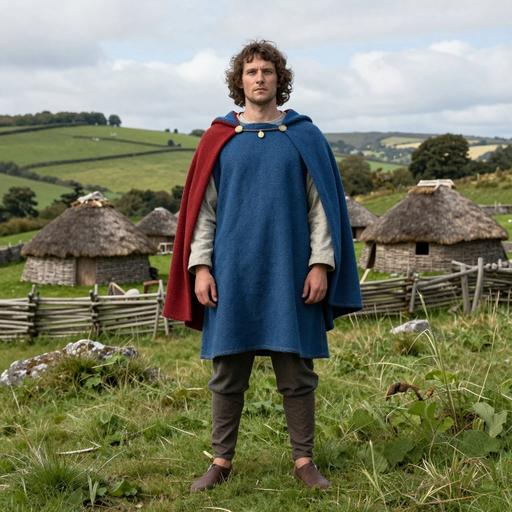
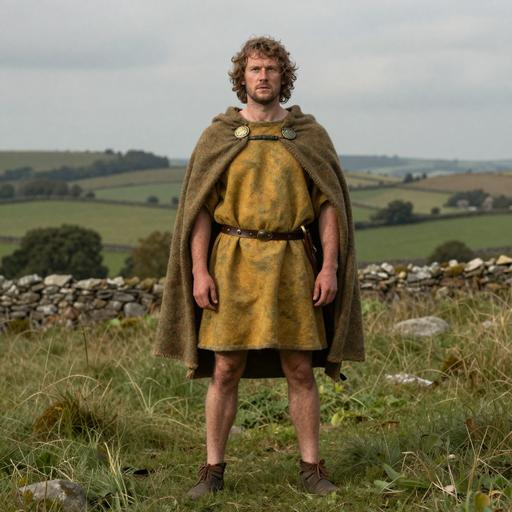
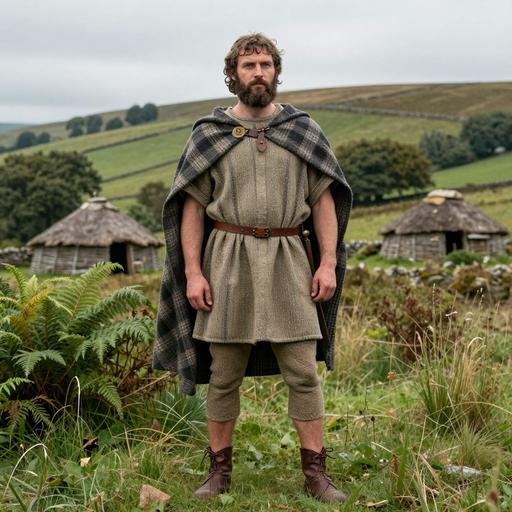
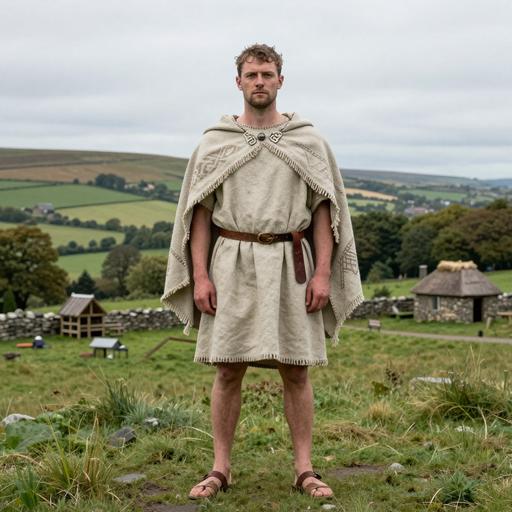
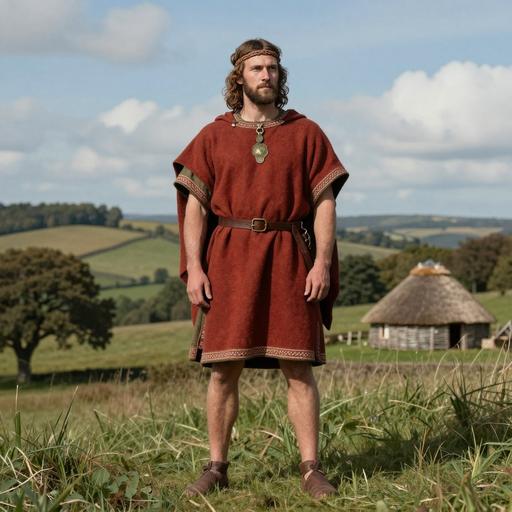
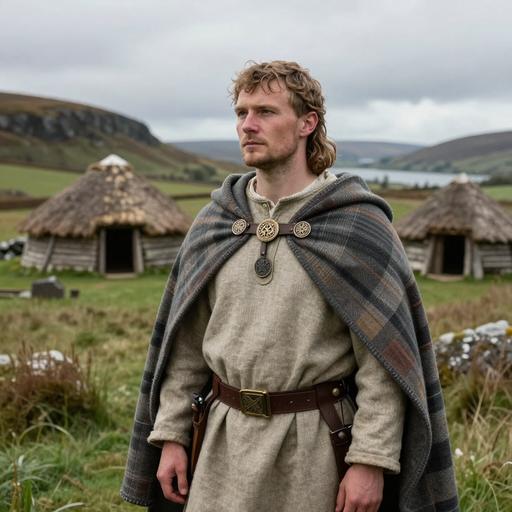
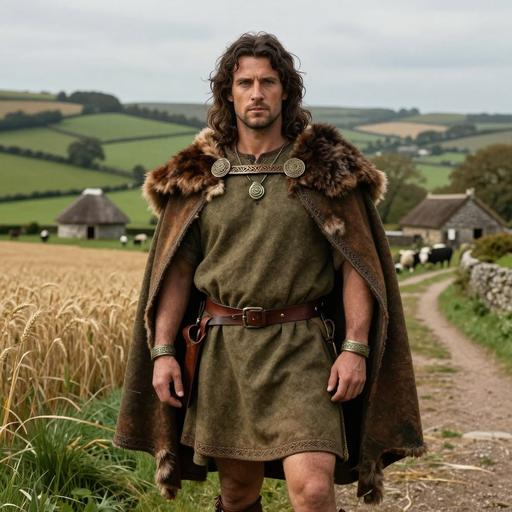
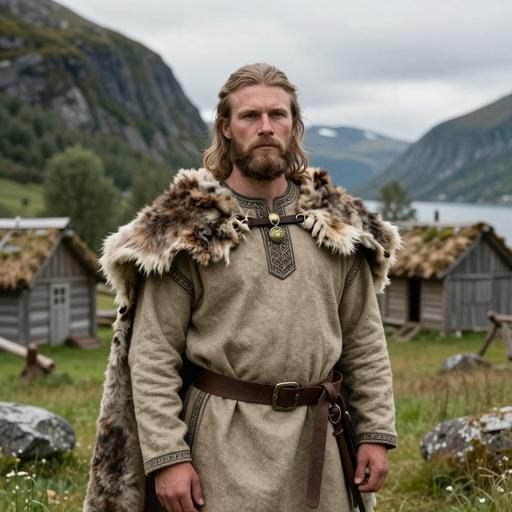
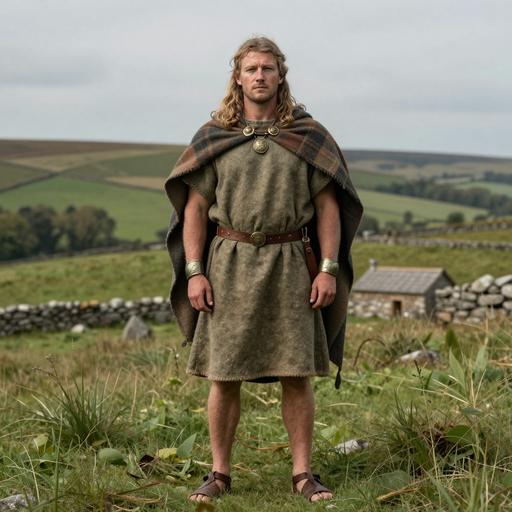
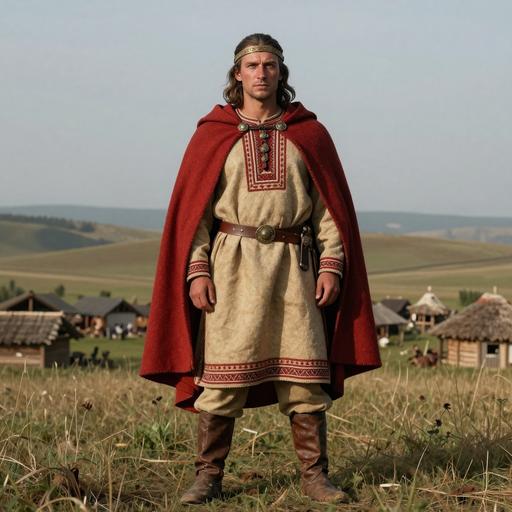
Os retratos são ilustrações geradas com IA. As etiquetas de amostra e os identificadores de acesso identificam os registros de referência.
Late Iron Age England - United Kingdom - England. Cambridgeshire. Babraham Research Campus (ARC05). ARES site
United Kingdom England LIA 1-50 CE
R1b1a1bSubclado
Identificador de amostra: I2824
Late Iron Age Scotland - United Kingdom - Scotland. Isle of Harris. Northton
United Kingdom Scotland LIA 41 BCE - 121 BCE
R1b1a1bSubclado
Identificador de amostra: I16504
Iron Age Scotland - United Kingdom - Scotland. East Lothian. Broxmouth
United Kingdom Scotland IA 42 calBCE - 116 calCE (1983±24 BP, SUERC-97411)
R1b1a1b1a1a2c1Subclado
Identificador de amostra: I3568
Late Iron Age Scotland - United Kingdom - Scotland. Highland. Applecross
United Kingdom Scotland LIA 8-155 calCE (1946±22 BP) [R_combine: (1980±28 BP, SUERC-73992), (1901±32 BP, SUERC-67661)]
R1b1a1b1a1a2c1a4b2b1Subclado
Identificador de amostra: I27385
Late Iron Age Scotland - United Kingdom - Scotland. West Lothian. House of Binns
United Kingdom Scotland LIA 43 calBCE - 117 calCE (1984±28 BP, SUERC-50519)
R1b1a1b1a1a2c1Subclado
Identificador de amostra: I21302
Late Iron Age England - United Kingdom - England. South Somerset. South Cadbury
United Kingdom England LIA 46 calBCE - 117 calCE (1989±30 BP, SUERC-94994)
R1b1a1b1a1a2c1Subclado
Identificador de amostra: I22062
Late Iron Age East Yorkshire, England - United Kingdom - England. East Riding of Yorkshire. Thornholme. Town Pasture
United Kingdom Late Iron Age East Yorkshire, England 50 calBCE - 116 calCE (1997±31 BP, SUERC-52038)
R1b1a1b1a1a2c1Subclado
Identificador de amostra: I12927
Late Iron Age England - United Kingdom - England. Gloucestershire. Bishop's Cleeve. Cleevelands
United Kingdom England LIA 50-200 CE
R1b1a1b1a1a2c1a6a1Subclado
Identificador de amostra: 6DT3
Iron Age to Roman England - United Kingdom - England. Yorkshire. Driffield Terrace
United Kingdom Iron Age to Roman England 50 CE - 350 CE
R1b1a1b1a1a1c1a1Subclado
Identificador de amostra: 6DT21
Iron Age to Roman England - United Kingdom - England. Yorkshire. Driffield Terrace
United Kingdom Iron Age to Roman England 50 CE - 350 CE
R1b1a1b1a1a2c1b1Subclado
Identificador de amostra: 6DT22
Iron Age to Roman England - United Kingdom - England. Yorkshire. Driffield Terrace
United Kingdom Iron Age to Roman England 50 CE - 350 CE
R1b1a1b1a1a2b1Subclado
Identificador de amostra: 6DT18
Iron Age to Roman England - United Kingdom - England. Yorkshire. Driffield Terrace
United Kingdom Iron Age to Roman England 50 CE - 350 CE
R1b1a1b1a1a2c1a1iSubclado
Identificador de amostra: 3DT16
Iron Age to Roman England - United Kingdom - England. Yorkshire. Driffield Terrace
United Kingdom Iron Age to Roman England 50 CE - 350 CE
R1b1a1b1a1a1c1a2Subclado
Identificador de amostra: 6DT23
Iron Age to Roman England - United Kingdom - England. Yorkshire. Driffield Terrace
United Kingdom Iron Age to Roman England 50 CE - 350 CE
R1b1a1b1a1a2e1Subclado
Identificador de amostra: VK203
The Viking Age in Scotland - United Kingdom - Scotland. Orkney. Brough Road Birsay
United Kingdom Scotland Viking 54 CE - 668 CE
R1b1a1b1a1a2c1Subclado
Identificador de amostra: I27384
Late Iron Age Scotland - United Kingdom - Scotland. West Lothian. House of Binns
United Kingdom Scotland LIA 90 calBCE - 110 calCE (2010±30 BP, SUERC-50518)
R1b1a1b1a1a2c1Subclado
Identificador de amostra: I14096
Late Iron Age England - United Kingdom - England. North Yorkshire. Scorton Quarry
United Kingdom England LIA 101 calBCE - 59 calCE (2035±22 BP) [R_combine: (2056±30 BP, SUERC-95019), (2013±31 BP, SUERC-52144)]
R1b1a1b1a1a2c1Subclado
Identificador de amostra: I0156
Iron Age to Early Roman England - United Kingdom - England. South Cambridgeshire. East Anglia. Hinxton
United Kingdom Iron Age to Early Roman England 149 calBCE - 60 calCE (2039±27 BP, OxA-29573)
R1b1a1b1a1a2c1Subclado
Identificador de amostra: I11144
Late Iron Age England - United Kingdom - England. Somerset. North Perrott. North Perrott Manor
United Kingdom England LIA 149 calBCE - 65 calCE (2035±30 BP, SUERC-94968)
R1b1a1b1a1a2c1a1i3Subclado
Identificador de amostra: I2799
Late Iron Age Scotland - United Kingdom - Scotland. Orkney. Howe of Howe
United Kingdom Scotland LIA 152 calBCE - 22 calCE (2052±26 BP, SUERC-68732)
R1b1a1b1a1a2c1a1aSubclado
Identificador de amostra: I14097
Late Iron Age England - United Kingdom - England. North Yorkshire. Scorton Quarry
United Kingdom England LIA 162 calBCE - 26 calCE (2051±32 BP, SUERC-56654)
R1b1a1b1a1a2b1Subclado
Identificador de amostra: I0160
Iron Age England - United Kingdom - England. South Cambridgeshire. East Anglia. Hinxton
United Kingdom England IA 166 calBCE - 116 calCE (2029±49 BP, Wk- - 12599)
R1b1a1b1a1a2c1a5b1a1aSubclado
Identificador de amostra: I11145
Late Iron Age England - United Kingdom - England. Somerset. North Perrott. North Perrott Manor
United Kingdom England LIA 166 calBCE - 14 calCE (2064±30 BP, SUERC-94969)
R1b1a1b1a1a2c1Subclado
Identificador de amostra: I3566
Late Iron Age Scotland - United Kingdom - Scotland. Highland. Applecross
United Kingdom Scotland LIA 170 BCE - 10 BCE
R1b1a1b1a1a2c1Subclado
Identificador de amostra: I21315
Late Iron Age England - United Kingdom - England. Somerset. Ham Hill
United Kingdom England LIA 173 calBCE - 5 calCE (2080±27 BP, SUERC-74473)
R1b1a1bSubclado
Identificador de amostra: I3567
Late Iron Age Scotland - United Kingdom - Scotland. Highland. Applecross
United Kingdom Scotland LIA 173 BCE - 8 BCE
R1b1a1b1a1a2c1Subclado
Identificador de amostra: I27379
Late Iron Age England - United Kingdom - England. Sussex. North Bersted
United Kingdom England LIA 174-51 calBCE (2109±17 BP, SUERC-80747)
R1b1a1b1a1a2c1Subclado
Identificador de amostra: I5502
Late Iron Age East Yorkshire, England - United Kingdom - England. East Riding of Yorkshire. Nunburnholme Wold
United Kingdom Late Iron Age East Yorkshire, England 196-4 calBCE (2090±30 BP, Beta-520210)
R1b1a1b1a1a2Subclado
Identificador de amostra: I11142
Late Iron Age England - United Kingdom - England. Somerset. Worlebury
United Kingdom England LIA 197-44 calBCE (2103±27 BP, SUERC-94960)
R1b1a1b1a1a2c1a6a1Subclado
Identificador de amostra: I2693
Late Iron Age Scotland - United Kingdom - Scotland. East Lothian. Broxmouth
United Kingdom Scotland LIA 197 calBCE - 1 calCE (2095±30 BP, SUERC-24248)
R1b1a1b1a1aSubclado
Identificador de amostra: I12785
Late Iron Age England - United Kingdom - England. Gloucestershire. Bourton-on-the-water. Greystones Farm
United Kingdom England LIA 200-1 BCE
R1b1a1b1a1a2c1a5Subclado
Identificador de amostra: I16450
Middle to Late Iron Age England - United Kingdom - England. Cornwall. Newquay. Trethellan Farm
United Kingdom Middle to Late Iron Age England 300 BCE - 100 CE
R1b1a1b1a1a2aSubclado
Identificador de amostra: I16455
Middle to Late Iron Age England - United Kingdom - England. Cornwall. Newquay. Trethellan Farm
United Kingdom Middle to Late Iron Age England 300 BCE - 100 CE
R1b1a1b1a1a2cSubclado
Identificador de amostra: I16458
Middle to Late Iron Age England - United Kingdom - England. Cornwall. Newquay. Trethellan Farm
United Kingdom Middle to Late Iron Age England 300 BCE - 100 CE
R1b1a1b1a1a2c1a6aSubclado
Identificador de amostra: I16387
Middle to Late Iron Age England - United Kingdom - England. Cornwall. Newquay. Trethellan Farm
United Kingdom Middle to Late Iron Age England 300 BCE - 100 CE
R1b1a1b1a1a2Subclado
Identificador de amostra: I3321
Iron Age Spain - Spain - Valencian Community. Castelló/Castellón. Vilafamés. Els Estrets de la Rata
Spain Spain IA 300 BCE - 100 BCE
R1b1a1a2a1a2Subclado
Identificador de amostra: VK418
Iron Age Norway - Norway - Nor North. Nordland
Norway Norway IA 300 CE - 400 CE
R1b1a1b1a1a1bSubclado
Identificador de amostra: I16499
Middle to Late Iron Age Scotland - United Kingdom - Scotland. East Lothian. North Berwick. Law Road
United Kingdom Middle to Late Iron Age Scotland 337-43 calBCE (2103±30 BP, SUERC-94958)
R1b1a1b1a1a2c1a1aSubclado
Identificador de amostra: I14327
East Yorkshire Iron Age - United Kingdom - England. East Riding of Yorkshire. Thornholme. East Coast Pipeline (field 16)
United Kingdom East Yorkshire Iron Age 340-47 calBCE (2113±29 BP, SUERC-52028)
R1b1a1b1a1a2aSubclado
Identificador de amostra: I22060
East Yorkshire Iron Age - United Kingdom - England. East Riding of Yorkshire. East Coast Pipeline (field 9)
United Kingdom East Yorkshire Iron Age 343-1 calBCE (2105±35 BP, SUERC-33543)
R1b1a1b1a1a2c1a1a1a1aSubclado
Identificador de amostra: I11992
Middle to Late Iron Age England - United Kingdom - England. Somerset. Worlebury
United Kingdom Middle to Late Iron Age England 343-50 calBCE (2122±30 BP, SUERC-94963)
R1b1a1b1a1a2c1Subclado
Identificador de amostra: I20625
Middle to Late Iron Age England - United Kingdom - England. Derbyshire. Fin Cop
United Kingdom Middle to Late Iron Age England 343-49 calBCE (2120±30 BP, SUERC-31498)
R1b1a1bSubclado
Identificador de amostra: I21312
Middle to Late Iron Age England - United Kingdom - England. Wiltshire. Casterley Camp
United Kingdom Middle to Late Iron Age England 343-51 calBCE (2124±27 BP, SUERC-97418)
R1b1a1b1a1a2c1Subclado
Identificador de amostra: I21307
Middle to Late Iron Age England - United Kingdom - England. Wiltshire. Battlesbury Bowl
United Kingdom Middle to Late Iron Age England 346-52 calBCE (2134±27 BP, SUERC-97430)
R1b1a1b1a1Subclado
Identificador de amostra: I16416
Middle to Late Iron Age Scotland - United Kingdom - Scotland. East Lothian. Broxmouth
United Kingdom Middle to Late Iron Age Scotland 346-51 calBCE (2130±30 BP, SUERC-21991)
R1b1a1b1a1a2Subclado
Identificador de amostra: I11991
Middle to Late Iron Age England - United Kingdom - England. Somerset. Worlebury
United Kingdom Middle to Late Iron Age England 349-50 calBCE (2133±30 BP, SUERC-94962)
R1b1a1b1a1a2c1Subclado
Identificador de amostra: I14353
Middle to Late Iron Age England - United Kingdom - England. West Yorkshire. Wattle Syke
United Kingdom Middle to Late Iron Age England 349-51 calBCE (2135±30 BP, SUERC-27295)
R1b1a1b1a1a2c1Subclado
Identificador de amostra: I16503
Middle to Late Iron Age Scotland - United Kingdom - Scotland. East Lothian. Broxmouth
United Kingdom Middle to Late Iron Age Scotland 349-51 calBCE (2135±30 BP, SUERC-24257)
R1b1a1b1a1a2Subclado
Identificador de amostra: A181023
Early Hun Period Sarmatian Transtisza, Hungary - Hungary - Transtisza region. Hajdúnánás-Fürj-halom-dűlő 2. site. M3/40A
Hungary Early Hun Period Sarmatian Transtisza, Hungary 350-450 CE
R1b1a1b1a1a2bSubclado
Identificador de amostra: I22065
East Yorkshire Iron Age - United Kingdom - England. East Riding of Yorkshire. Burstwick
United Kingdom East Yorkshire Iron Age 351-55 calBCE (2147±24 BP, SUERC-80670)
R1b1a1b1a1a2Subclado
PATERNAL LINHAGEM · DNA ANTIGO
Mapa de testes de linhagems antigos
Siga os clados superiores até este ramo e explora onde se encontraram portadores antigos.
A carregar as observações antigas...
A redução do movimento está activada. Use a cronologia ou Mostrar tudo para explorar o seu ritmo.
Ler as observações numa tabela
Observações antigas visíveis por ramo, período e ponto médio da data
Ramada
Período
Intervalo de datas
Mostrar
Identificador de amostra
Localização
Haplogrupo
Relação
Os marcadores são locais de achados arqueológicos. Uma linha de descontínua representa uma transição geográfica proposta e incerta entre ramos consecutivos, apoiada em várias observações fechadas; não é uma rota de viagem exata, um local de nascimento ou um teste de descendência direta. As amostras do clado parental podem pertencer a outros ramos descendentes. As datas das amostras são distintas das datas de formação dos haplogrupos são mantidas.
O agrupamento por período histórico reflete quando viveu cada indivíduo antigo e combina todos os ramos desta cadeia de linhagems; não é uma sequência migratória nem uma cronologia pessoal entre períodos.
Perfil de Referência
Mapa de distribuição de portadores
Distribuição geográfica das amostras de DNA antigo (100), portadores directos ou de subclasses de R1B1A1
Portador de um subclasse
Filtro de Período Temporária
Todos os períodos
Mostrar todas as amostras
Perfil de Referência
Distribuição temporária
Distribuição de portadores por períodos arqueológicos
Perfil de Referência
Distribuição geográfica
Recuentos por país registrado das amostras. Reflejam a seleção de referência disponível, não frequências de população.
Perfil de Referência
Distribuição por país e época
Compare as contagens de amostras registadas por países e períodos arqueológicos. Selecione uma célula com dados para examinar uma amostra.
Dados
Dados e proveniência
Informações sobre fontes e qualidade dos dados
Última actualização2026-06-17
Pontuação de confiança50/100
CoberturaLow
Fonte de Dados
A classificação, as datas estimadas e o contexto geográfico refletem os dados de referência registrados e podem mudar ao revisar os testes. A cobertura de amostras é desigual; os locais registrados e as associações arqueológicas não estabelecem a origem pessoal nem a identidade cultural.