A preparar o relatório

A carregar as informações e as referências disponíveis

Consultando el registro arqueológico...

Recopilando registros antiguos

Saltar para o conteúdo principal
Bustan Bronze Echoes
Cultura de destaque

Bustan Bronze Echoes

Bronze Age lives at Bustan (1880–1300 BCE): archaeological shadows meet DNA traces

1880 CE - 1300 BCE
Bustan, Uzbekistan (Central Asia)
Desplázate para começar
Capítulo I

A História

Comprender la cultura Bustan Bronze Echoes

Archaeological and genetic evidence from Bustan, Uzbekistan (1880–1300 BCE) reveals a Bronze Age community shaped by local oasis life and long-distance connections. DNA from 13 individuals shows a mix of Near Eastern and South/Central Asian lineages, suggesting mobility and admixture during the Bronze Age.

Time Period

1880–1300 BCE

Region

Bustan, Uzbekistan (Central Asia)

Common Y-DNA

J (4), F (1), G (1), L (1), R (1)

Common mtDNA

HV (2), T1 (1), H2 (1), H (1), R0 (1)

Capítulo II

Cronologia

Momentos-chave da história desta cultura

1880 BCE

Bustan community attested

Archaeological contexts and radiocarbon-aligned materials mark the beginning of the Bustan assemblage (circa 1880 BCE), reflecting local Bronze Age settlement and connections to regional networks.

Capítulo III

Origins & Emergence

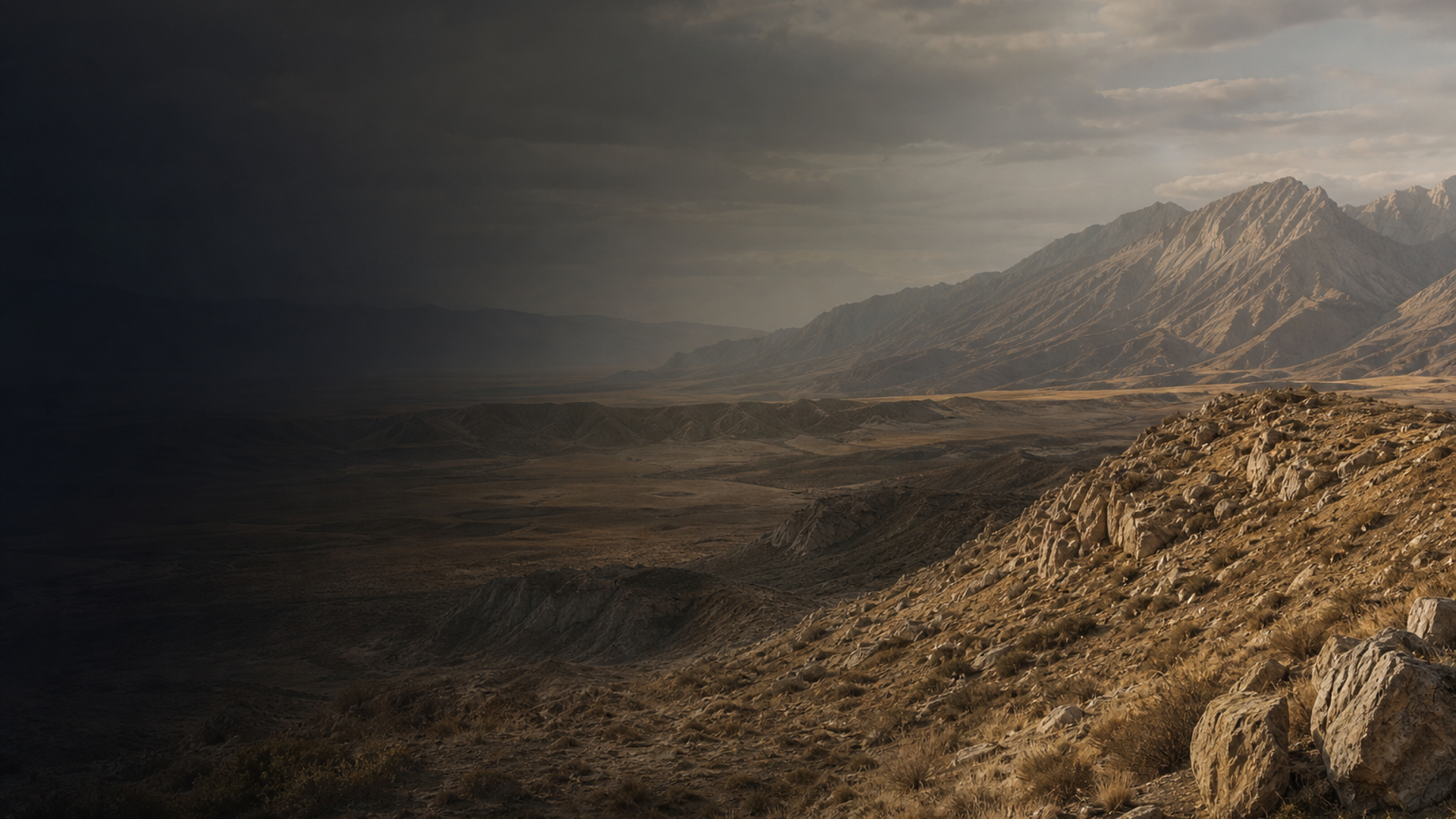
Set in the wide steppes and irrigated oases of southern Uzbekistan, the Bustan assemblage dates to the late Bronze Age (1880–1300 BCE). Archaeological data from burial contexts and surface finds at Bustan indicate a settled community engaged with Bronze Age material culture: pottery styles, metalwork and funerary practices that connect it to broader networks across Central Asia. Limited evidence suggests contacts with the Bactria–Margiana Archaeological Complex (BMAC) cultural sphere to the south and with upland zones to the east.

The chronological window places Bustan after the florescence of early Bronze Age urbanizing centers and at a time when mobility and exchange intensified across Eurasia. Landscape archaeology suggests communities here exploited oasis agriculture and animal herding; seasonal movement and trade routes likely funneled ideas, goods and people through this corridor. While the archaeological record at Bustan is compelling, it is not exhaustive: many inferences about cultural interaction rely on parallels with better-documented sites in the region. Genetic data from the site (see Genetics section) begin to flesh out the human dimension of these connections, showing lineages that hint at both local continuity and incoming ancestries.

  • Dates: 1880–1300 BCE, late Bronze Age
  • Location: Bustan, Uzbekistan — an oasis zone in southern Central Asia
  • Archaeological links to BMAC and wider Bronze Age exchange networks
Capítulo IV

Daily Life & Society

The people of Bustan lived in a landscape of irrigated plots and grazing lands, where crops and herds formed the backbone of subsistence. Archaeological data indicates a mixed economy: cereal agriculture supported by irrigation, supplemented by sheep and cattle pastoralism. Material traces—ceramics, metal fragments and textile impressions—suggest skilled craft production and household-level metalworking typical of Bronze Age settlements.

Social life at Bustan likely combined sedentary village organization with seasonal mobility. Funerary variability at the site points to social differentiation: some burials are modest, others include richer goods, implying differences in status, age or family role. Long-distance exchange left its mark through non-local raw materials and stylistic influences in pottery and personal ornaments, suggesting that individuals at Bustan participated in regional networks of trade and marriage. Archaeobotanical and zooarchaeological remains are still sparse for the site; therefore reconstructions of diet and economy remain provisional and should be treated as hypotheses to be tested with further excavation and analysis.

  • Mixed irrigation agriculture and pastoralism
  • Craft production and participation in regional exchange networks
Capítulo V

Genetic Profile

Thirteen individuals from Bustan provide a first genetic window into this Bronze Age community. Y-chromosome lineages show a plurality of J haplogroups (4/13), with single instances of F, G, L and R. Mitochondrial haplogroups include HV (2), T1 (1), H2 (1), H (1) and R0 (1), reflecting predominantly West Eurasian maternal lineages. These uniparental markers suggest a complex tapestry of ancestry: J and R are often associated with Near Eastern and Eurasian steppe contexts, G is frequently linked to the Caucasus, while L can indicate south Asian connections. F is widespread in parts of Asia and may signal deeper regional diversity.

Interpreting uniparental markers requires caution: they capture only single lineages per individual and can overemphasize particular ancestries. With 13 samples, patterns are emerging but remain preliminary—this is a modest, though meaningful, sample size for Bronze Age Central Asia. Archaeogenomic analyses that combine autosomal data with these uniparental results would be essential to quantify admixture proportions and directions of gene flow. Tentatively, the genetic picture at Bustan aligns with archaeological signals of both local continuity and incoming influences from southern and western neighbors, consistent with a frontier community shaped by mobility and exchange across Bronze Age Central Asia.

  • Sample size: 13 individuals—sufficient to suggest patterns but still preliminary
  • Uniparental mix suggests Near Eastern, Caucasus and South/Central Asian inputs
Capítulo VI

Legacy & Modern Connections

The genetic and archaeological imprint of Bustan contributes to a broader picture of Bronze Age Central Asia as a crossroads where people and ideas met. Some haplogroups observed at Bustan persist in modern populations of the region, but later migrations and historical processes have layered additional genetic inputs across millennia. Linguistic and cultural outcomes—such as the spread of Indo-Iranian languages—may intersect with these biological signals, but direct attribution to Bustan is speculative without broader comparative data.


The archaeological legacy endures in local material traditions and in the landscape reworked by ancient irrigation and settlement. Ongoing and expanded genetic sampling, coupled with detailed archaeological excavation, will be necessary to trace more precise lines of descent between Bustan inhabitants and later Central Asian populations. For now, Bustan stands as a cinematic fragment of lives lived on an ancient frontier—faintly illuminated by bones, artifacts and DNA.

  • Signals at Bustan hint at contributors to later Central Asian genetic diversity
  • Further sampling is needed to clarify links to modern populations and language spread
Com IA

Assistente de IA

Haz preguntas sobre la cultura Bustan Bronze Echoes

Assistente de IA por DNAGENICS

Desbloquear esta função
Pregunta sobre la cultura Bustan Bronze Echoes. El asistente con IA puede explicar hallazgos genéticos, contexto histórico, pruebas arqueológicas y conexiones modernas, con sus límites de interpretación.
Exemplo de análise com IA

La cultura Bustan Bronze Echoes representa un capítulo de la historia humana...

A análise genética permite estudar semelhanças com populações anteriores e possíveis adaptações. As amostras de DNA antigo fornecem informações para investigar padrões migratórios e relações entre populações, com limites que dependem do estudo e do contexto arqueológico.

Esta é uma antevisão da análise com IA. Aceder ao assistente completo para explorar informações sobre:

  • Composição e similaridade genética
  • Padrões migratórios e origens
  • Vida cotidiana e práticas culturais
  • Contexto genético moderno

Explore mais culturas antigas

Descubra a história de civilizações de diferentes partes do mundo antigo