A preparar o relatório

A carregar as informações e as referências disponíveis

Consultando el registro arqueológico...

Recopilando registros antiguos

Saltar para o conteúdo principal
Caleta Huelen Coastal Community
Cultura de destaque

Caleta Huelen Coastal Community

A coastal Chilean population ca. 750–1150 CE, traced through bones and DNA

750 CE - 1150 CE
Caleta Huelen 12, coastal Chile
Desplázate para começar
Capítulo I

A História

Comprender la cultura Caleta Huelen Coastal Community

Archaeological and genetic evidence from three individuals at Caleta Huelen 12 (Chile) offers a tentative glimpse of a coastal community active between 750 and 1150 CE. Small-sample ancient DNA shows Y-haplogroup Q and mtDNA B2/A2 lineages consistent with broader Native American genetics; conclusions are preliminary.

Time Period

750–1150 CE

Region

Caleta Huelen 12, coastal Chile

Common Y-DNA

Q (observed in 1/3 samples)

Common mtDNA

B2 (2/3), A2 (1/3)

Capítulo II

Cronologia

Momentos-chave da história desta cultura

750 CE

Earliest calibrated dates for Caleta Huelen 12

Radiocarbon and stratigraphic evidence place human activity at Caleta Huelen 12 beginning near 750 CE; site use continues into the second millennium.

1000 CE

Mid-occupation genetic snapshot

Ancient DNA from three individuals dated within 750–1150 CE provides an initial genetic snapshot of the coastal population.

Capítulo III

Origins & Emergence

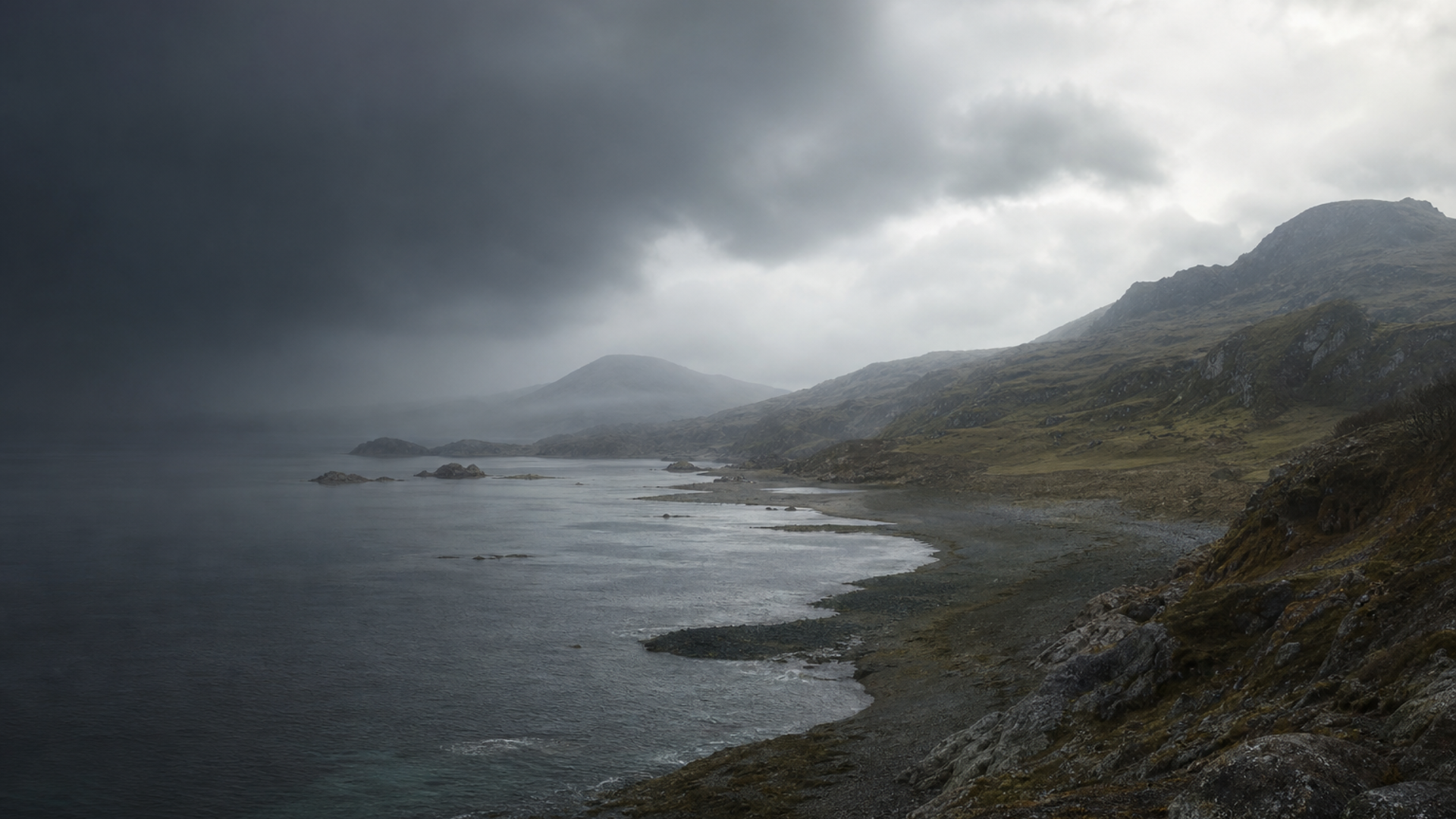
Along the rugged Pacific edge of what is today southern Chile, human stories are often written in shells, hearths and bones. Caleta Huelen 12 is a small but evocative locus dated to roughly 750–1150 CE. Archaeological data indicates coastal habitation during a period that overlaps with regional Middle Horizon developments farther inland, but the coastal lifeways preserved at Caleta Huelen appear locally distinct. Excavations have recovered human remains alongside marine-modified artifacts and ecofacts, suggesting a subsistence base heavily reliant on the sea.

Cinematic images arise from the archaeology: low winds, surf breaking on rock, families gleaning mussels and fish at low tide. Yet scientific caution is essential. The material record from Caleta Huelen 12 is limited in scale, and stratigraphic resolution can be complex in coastal deposits subject to storm action and erosion. Radiocarbon dates place the human remains securely within the 8th to 12th centuries CE window, but the full arc of cultural emergence and interaction—whether gradual local development or episodic influxes of people and ideas—remains unresolved without broader regional datasets.

Limited evidence suggests these coastal groups were connected to wider Andean lifeways through trade or seasonal movement, but the specifics of those connections are still matters of active research.

  • Site: Caleta Huelen 12, coastal Chile; dates 750–1150 CE
  • Archaeological context indicates marine-focused subsistence
  • Regional ties to Middle Horizon developments are possible but uncertain
Capítulo IV

Daily Life & Society

The daily rhythm at Caleta Huelen 12 can be imagined through a combination of material clues and comparison with better-documented coastal economies. Archaeological remains at the site, though limited, point to routine exploitation of nearshore resources: fish, shellfish, and likely seabirds. Hearth features and fragmented implements imply processing of marine catch and on-site consumption. Spatial patterns in burials and refuse may reflect kin-based households organized around beach access points.

Social life on the coast often centers on flexible, mobile strategies adapted to tidal cycles and seasonal resource pulses. Crafted objects—simple bone tools, shell ornaments—would have carried both practical and symbolic meaning, mediating social ties within and between coastal camps. The archaeological record at Caleta Huelen 12 is not extensive enough to reconstruct complex political structures; there is no clear evidence for large, permanent settlements or monumental architecture at the site. Instead, the picture is of small groups or households practicing a maritime lifeway, embedded in broader networks of exchange and cultural contact along the southern Chilean littoral.

Archaeological data indicates variability and resilience in daily practices, but more excavation and dating are needed to confirm patterns of seasonality, mobility and social organization.

  • Subsistence focused on fishing and shellfish gathering
  • Material culture suggests small, kin-based coastal households
Capítulo V

Genetic Profile

Ancient DNA from three individuals recovered at Caleta Huelen 12 offers a first genetic window into this coastal population. All conclusions must be framed as preliminary: sample count is very small (n = 3), so patterns may not reflect broader population structure. Within these samples, researchers observed one individual carrying Y-chromosome haplogroup Q, a lineage commonly associated with Native American paternal ancestry. Mitochondrial DNA results show two individuals with haplogroup B2 and one with A2—both of which are widespread maternal lineages across the Americas.

These genetic markers are consistent with continuity of Native American lineages on the southern Chilean coast during the late first millennium CE. The presence of Q, B2 and A2 accords with broader genetic landscapes documented in South America, but the small dataset prohibits strong claims about migration, admixture, or demographic change. For example, the single Q Y-haplogroup does not allow inference about paternal diversity, and the mtDNA distribution could reflect local family structure rather than population-wide frequencies.

Where genetics and archaeology meet, they create the most compelling narratives: DNA ties individuals to continental histories of peopling, while burial context and artifacts reveal lifeways. Future sampling from nearby coastal and inland sites will be crucial to test hypotheses about continuity, gene flow, and the social dynamics of the Caleta Huelen community.

  • Y-haplogroup Q observed (1/3); consistent with Native American paternal lineages
  • mtDNA: B2 (2/3) and A2 (1/3); sample size limits population-level inference
Capítulo VI

Legacy & Modern Connections

The genetic signals at Caleta Huelen 12 resonate with living Indigenous communities across Chile and the wider Americas through shared mtDNA clades and Y-lineages that trace deep ancestral connections. Archaeologically, the coastal adaptations recorded at the site contribute to a long history of maritime expertise along the Pacific littoral—knowledge that persists in cultural memory and practices among coastal populations.

However, drawing direct lines from three ancient genomes to specific present-day groups would be speculative. Limited evidence suggests continuity of broad genetic lineages (B2, A2, Q), but demographic events over the last millennium—population movements, contact, and local extinction—can reshape genetic landscapes. The most robust legacy claim is one of kinship across time: these individuals carry mitochondrial and Y-chromosome markers that join them to the larger tapestry of Native American ancestry. Ongoing collaboration with descendant communities and expanded genetic sampling are essential to deepen and ethically ground interpretations of heritage and continuity.

  • Genetic lineages align with broader Native American ancestry patterns
  • Direct links to modern groups remain tentative; more data and community engagement needed
Com IA

Assistente de IA

Haz preguntas sobre la cultura Caleta Huelen Coastal Community

Assistente de IA por DNAGENICS

Desbloquear esta função
Pregunta sobre la cultura Caleta Huelen Coastal Community. El asistente con IA puede explicar hallazgos genéticos, contexto histórico, pruebas arqueológicas y conexiones modernas, con sus límites de interpretación.
Exemplo de análise com IA

La cultura Caleta Huelen Coastal Community representa un capítulo de la historia humana...

A análise genética permite estudar semelhanças com populações anteriores e possíveis adaptações. As amostras de DNA antigo fornecem informações para investigar padrões migratórios e relações entre populações, com limites que dependem do estudo e do contexto arqueológico.

Esta é uma antevisão da análise com IA. Aceder ao assistente completo para explorar informações sobre:

  • Composição e similaridade genética
  • Padrões migratórios e origens
  • Vida cotidiana e práticas culturais
  • Contexto genético moderno

Explore mais culturas antigas

Descubra a história de civilizações de diferentes partes do mundo antigo