A preparar o relatório

A carregar as informações e as referências disponíveis

Consultando el registro arqueológico...

Recopilando registros antiguos

Saltar para o conteúdo principal
Echoes of Bronze Age Spain
Cultura de destaque

Echoes of Bronze Age Spain

Archaeology and DNA from 2100–1300 BCE across Iberia's caves and sites

2100 CE - 1300 BCE
Spain (Iberia)
Desplázate para começar
Capítulo I

A História

Comprender la cultura Echoes of Bronze Age Spain

Spain_BA (2100–1300 BCE): four Bronze Age individuals from La Rioja, Atapuerca, Andalusia and Lucena link archaeology and genetics. Y haplogroups R and G and mtDNA K, U, L suggest mixed steppe, Neolithic, and occasional Mediterranean connections—interpretations remain preliminary.

Time Period

2100–1300 BCE

Region

Spain (Iberia)

Common Y-DNA

R (2), G (1)

Common mtDNA

K (2), U (1), L (1)

Capítulo II

Cronologia

Momentos-chave da história desta cultura

2100 BCE

Early Bronze Age horizon in Iberia

Emergence of Bronze Age material culture in parts of Iberia as metalwork spreads and regional networks intensify.

Capítulo III

Origins & Emergence

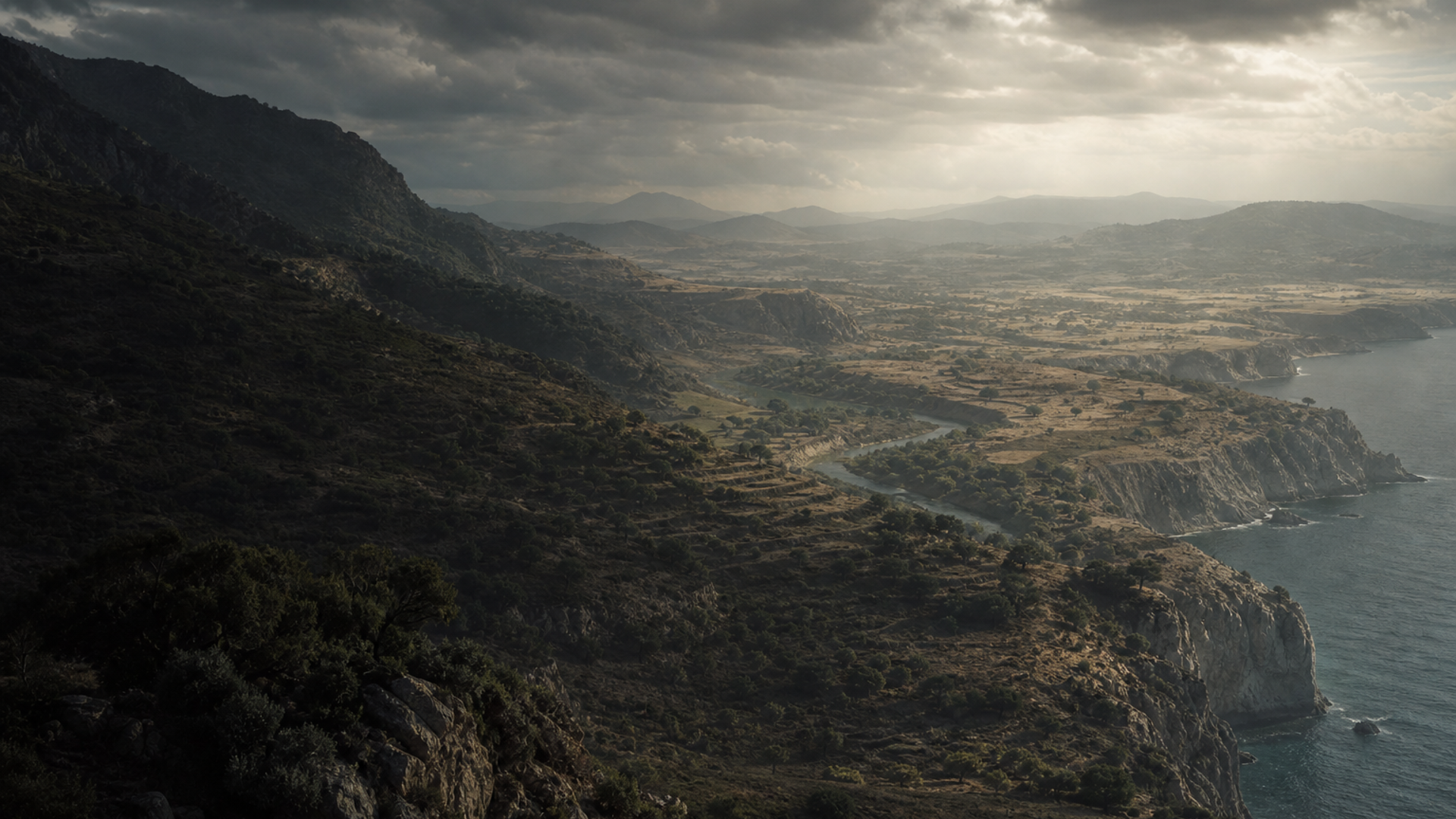
Between roughly 2100 and 1300 BCE the Iberian Peninsula was a landscape of shifting horizons: metal glinting from new workshops, fortified hilltops rising in response to competition, and long-distance exchange knitting coasts to interior valleys. Archaeological data indicates continuity with Late Chalcolithic traditions alongside innovations in metallurgy and craft specialization. Sites represented in this dataset — Cueva de los Lagos (La Rioja), El Portalón (Sierra de Atapuerca), Covacha del Ángel (Lucena), and Priego de Córdoba (Andalusia) — reflect regional variability: cave contexts, rock shelters, and hilltop occupations that preserve both everyday refuse and ritual deposition.

Limited evidence suggests that these communities maintained local Iberian traditions while engaging with broader Bronze Age networks across the western Mediterranean. Material culture often shows continuity in pottery forms and funerary practice, even as bronze tools and ornaments become more common. The archaeological record therefore paints a picture of societies negotiating new technologies and mobility within deeply rooted local lifeways.

  • Transition from Chalcolithic to Bronze Age with rising metal use
  • Regional diversity seen in caves and upland sites across Spain
  • Evidence of long-distance exchange and localized continuity
Capítulo IV

Daily Life & Society

Daily life in Bronze Age Iberia was textured by seasonality, craft production, and varying settlement forms. Archaeobotanical and zooarchaeological traditions elsewhere in Iberia indicate mixed agriculture, herding, and woodland management; similar patterns are archaeologically plausible at the sampled sites, where caves and shelters often preserve hearths, lithics, and food waste. Small-scale metalworking and the presence of bronze objects at contemporary sites suggest workshops or itinerant smiths supplying local communities.

Social organization likely combined household labor with emerging specialists — smiths, potters, and traders — and the archaeological contexts hint at differences in status and ritual. Rock shelters such as Covacha del Ángel and caves like Cueva de los Lagos can preserve curated deposits and memorial spaces, revealing the interplay of everyday tasks and ceremonial acts. While precise social hierarchies are hard to reconstruct from four genomes, the material record situates these people within broader Bronze Age processes of craft intensification and regional interaction.

  • Mixed farming, herding, and woodland resource use inferred regionally
  • Evidence of metal use and craft specialization alongside household economy
Capítulo V

Genetic Profile

Genetic data from the Spain_BA set comprises four individuals dated between 2100 and 1300 BCE from La Rioja (Cueva de los Lagos), Sierra de Atapuerca (El Portalón), Priego de Córdoba (Andalusia), and Lucena (Covacha del Ángel). Y-chromosome results include two individuals carrying haplogroup R and one carrying haplogroup G; mitochondrial lineages include two K, one U, and one L. Because the sample count is small (n=4), these patterns are preliminary and should be treated with caution.

Broadly, R-lineage Y haplogroups became common in many parts of Europe during the Bronze Age and can reflect an ancestry component often associated in large-scale studies with Steppe-derived migrations. Haplogroup G has deeper ties to Neolithic farmer expansions in Europe and Anatolia. The presence of mtDNA K and U aligns with continuities of Neolithic and post-Neolithic maternal lineages across Iberia. Notably, a single mtDNA L lineage — a haplogroup more frequent in Africa today — hints at occasional Mediterranean or North African maternal connections, but with one sample this is only suggestive.

When archaeological context is combined with genetic signals, a narrative emerges of communities with layered ancestries: local Neolithic-derived lineages persisting alongside incoming elements linked to broader Bronze Age mobility. However, with fewer than ten genomes the dataset can indicate possibilities rather than firm population-level conclusions.

  • Small sample (n=4): interpretations are preliminary and tentative
  • Y: R (2) suggests steppe-related influence; G (1) points to Neolithic farmer ancestry
Capítulo VI

Legacy & Modern Connections

The genetic and archaeological echoes from these Bronze Age individuals reverberate into the deep structure of modern Iberian diversity. Elements associated with Neolithic farmers and Bronze Age mobility both contribute to the genetic tapestry of later populations. The single occurrence of an L mitochondrial lineage underscores the long-standing permeability of the Mediterranean seaways and the potential for episodic gene flow from Africa into Iberia.

Archaeologically, the period consolidated technologies and networks that would shape Iberian societies for centuries: metallurgy, expanded trade, and shifting settlement patterns. Genetically, these signals remind us that ancestry is layered — a mosaic formed by local resilience and interregional connections. Future sampling with larger numbers and broader geographic coverage will be needed to turn these tantalizing glimpses into robust narratives.


  • Bronze Age processes contributed to the layered ancestry of modern Iberians
  • Single mtDNA L suggests Mediterranean/North African contact but needs more data
Com IA

Assistente de IA

Haz preguntas sobre la cultura Echoes of Bronze Age Spain

Assistente de IA por DNAGENICS

Desbloquear esta função
Pregunta sobre la cultura Echoes of Bronze Age Spain. El asistente con IA puede explicar hallazgos genéticos, contexto histórico, pruebas arqueológicas y conexiones modernas, con sus límites de interpretación.
Exemplo de análise com IA

La cultura Echoes of Bronze Age Spain representa un capítulo de la historia humana...

A análise genética permite estudar semelhanças com populações anteriores e possíveis adaptações. As amostras de DNA antigo fornecem informações para investigar padrões migratórios e relações entre populações, com limites que dependem do estudo e do contexto arqueológico.

Esta é uma antevisão da análise com IA. Aceder ao assistente completo para explorar informações sobre:

  • Composição e similaridade genética
  • Padrões migratórios e origens
  • Vida cotidiana e práticas culturais
  • Contexto genético moderno

Explore mais culturas antigas

Descubra a história de civilizações de diferentes partes do mundo antigo