A preparar o relatório

A carregar as informações e as referências disponíveis

Consultando el registro arqueológico...

Recopilando registros antiguos

Saltar para o conteúdo principal
Echoes of Kaunas: Modern Lithuanian Lineages
Cultura de destaque

Echoes of Kaunas: Modern Lithuanian Lineages

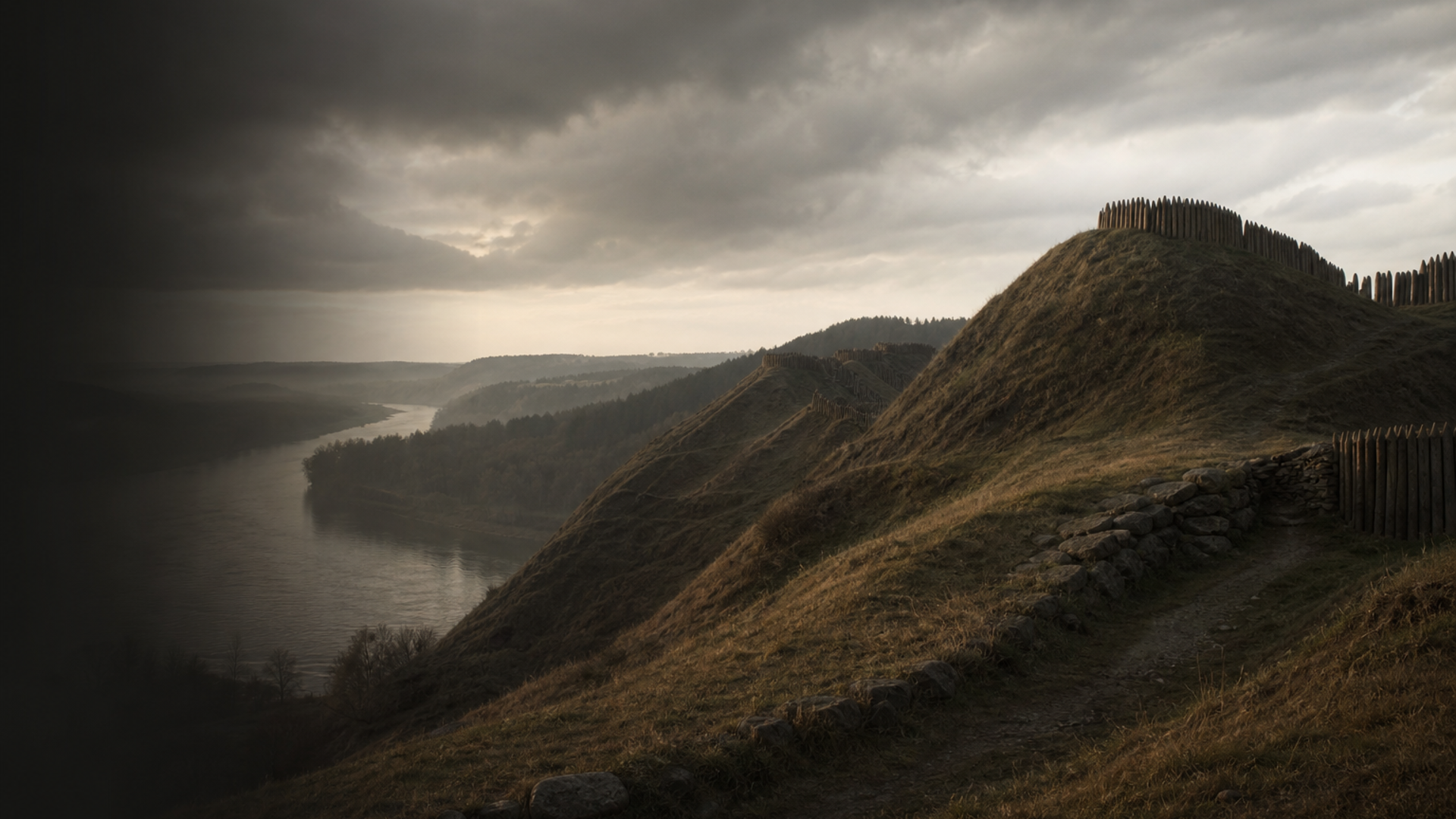
A cinematic snapshot of Kaunas (2000 CE) linking urban archaeology and genomic glimpses (n=10).

2000 CE
Lithuania — Kaunas
Desplázate para começar
Capítulo I

A História

Comprender la cultura Echoes of Kaunas: Modern Lithuanian Lineages

This entry presents a cautious, museum-quality portrait of modern Lithuania through 10 genomic samples from Kaunas (2000 CE). Archaeological context and genetic signals are considered together, highlighting continuity with Baltic history while emphasizing the limits of small sample sets.

Time Period

2000 CE (Modern Lithuania)

Region

Lithuania — Kaunas

Common Y-DNA

Not reported / unavailable (n=10)

Common mtDNA

Not reported / unavailable (n=10)

Capítulo II

Cronologia

Momentos-chave da história desta cultura

2500 BCE

Emergence of Baltic cultural roots

Archaeological horizons in the Eastern Baltic show developments in metallurgy, settlement, and material culture that are ancestral to later Baltic peoples.

Capítulo III

Origins & Emergence

Origins & Emergence

Standing at the confluence of the Neris and Nemunas rivers, Kaunas has long been a node of human movement and commerce. Modern Lithuanian identity is layered atop millennia of Baltic occupation: Mesolithic and Neolithic foragers gave way to Bronze and Iron Age communities that shaped language and landscape. Archaeological data indicates persistent settlement in river valleys that fostered continuity of place even as material cultures shifted.

For the modern era—2000 CE—the deep past persists in folkways, place names, and the archaeological strata beneath urban Kaunas. Excavations in the city and surrounding countryside reveal successive occupation layers: prehistoric field systems, medieval trade deposits, and later urban complexes. These layers convey continuity of inhabitance rather than unbroken genetic uniformity. Limited evidence suggests that cultural traditions in the region reflect both internal development and contacts with neighboring Baltic, Slavic, and Scandinavian groups.

Because the present dataset is focused on modern individuals from Kaunas (n=10), conclusions about origin must be cautious. Archaeological context provides the cinematic backdrop: riverine horizons, layered town squares, and the slow accretion of memory in soil. Genetics can illuminate relatively recent ancestry atop this stage, but archaeology remains essential to interpret where those genetic threads sit within a long human story.

  • Kaunas sits at the strategic confluence of Neris and Nemunas rivers
  • Archaeological layers show continuity of settlement across eras
  • Modern genetic snapshots must be read against deep Baltic archaeological context
Capítulo IV

Daily Life & Society

Daily Life & Society

The modern life reflected by Kaunas around 2000 CE is urban, layered, and resonant with older rural traditions. Archaeological traces from market strata, household refuse, and construction cuttings reveal everyday items—ceramic sherds, metal fragments, and structural timbers—that mirror a population balancing local craft, regional trade, and modern mobility. Ethnographic continuities—seasonal foods, textile motifs, and burial memories—persist alongside global influences.

In the archaeological record, continuity is often visible in craft traditions and settlement patterns rather than in single dramatic artifacts. Urban excavations in Kaunas document repairs, rebuilding episodes, and repurposed foundations, each telling of generations who inhabited the same streets. These material rhythms correspond to genetic rhythms: migration, marriage networks, and demographic shifts that leave subtle signatures in genomes.

However, the modern snapshot captured by the Kaunas sample set (n=10) is limited. While archaeology provides context for how communities organized labor, ritual, and kinship, a small genetic sample cannot reconstruct the full tapestry of social life. Integrating more extensive archaeological and genetic sampling remains essential to move from evocative fragments to robust reconstructions.

  • Urban archaeology reveals layered household and market deposits
  • Material culture shows continuity of craft alongside modern change
Capítulo V

Genetic Profile

Genetic Profile

This dataset comprises 10 modern samples collected from Kaunas, Lithuania (2000 CE). As a modern snapshot, these genomes primarily reflect recent ancestry, family histories, and municipal demographics rather than prehistoric population structure. Archaeogenetic studies of the Baltic region have shown that modern populations carry signals of Bronze and Iron Age Baltic groups alongside admixture from neighboring Slavic and Scandinavian sources; however, this specific Kaunas sample set does not, by itself, permit broad generalizations.

Important caveats accompany any interpretation. Sample size is small (n=10), and the available metadata does not report specific Y-chromosome or mitochondrial haplogroups for these individuals. In broader Lithuanian population genetics literature, haplogroups such as R1a and N1c (Y-DNA) and mtDNA lineages like H and U appear frequently, reflecting a mixture of Indo-European and regional Baltic ancestries, but those patterns should not be projected onto this limited Kaunas cohort without direct evidence.

Genomic data can illuminate recent admixture, kin relationships, and demographic signals (bottlenecks or expansions) when integrated with archaeological context: for example, continuity of settlement in river valleys suggests opportunities for long-term local ancestry, while historic trade and migration provide mechanisms for gene flow. Given the small sample count, conclusions remain preliminary. Expanded sampling across Kaunas and comparative analysis with archaeological datasets and ancient DNA from the Baltic would strengthen inferences about continuity and change.

  • Dataset: 10 modern individuals from Kaunas (2000 CE); limited sample size
  • No specific Y-DNA or mtDNA haplogroups reported for these samples
Capítulo VI

Legacy & Modern Connections

Legacy & Modern Connections

The living people of Kaunas carry cultural echoes of Baltic prehistory: riverine settlement patterns, folk customs, and place-based identities that archaeology has traced back centuries. Genetics offers another lens—one that can connect individuals to recent ancestors, reveal kinship networks, and suggest broader population contacts. Yet with only ten modern genomes, the present portrait is a small window, not the complete vista.

For the public and for heritage institutions, the promise is cinematic: to weave archaeological layers with genomic threads into narratives that respect both scientific rigor and cultural meaning. Ethically conducted, well-contextualized genetics can deepen public understanding of continuity, migration, and the shared human story in Lithuania. But every genetic claim should be tempered by archaeological evidence and by clear communication about uncertainty.

  • Genetics can illuminate kinship and recent ancestry but needs larger samples
  • Archaeology anchors genetic signals in place, practice, and history
Com IA

Assistente de IA

Haz preguntas sobre la cultura Echoes of Kaunas: Modern Lithuanian Lineages

Assistente de IA por DNAGENICS

Desbloquear esta função
Pregunta sobre la cultura Echoes of Kaunas: Modern Lithuanian Lineages. El asistente con IA puede explicar hallazgos genéticos, contexto histórico, pruebas arqueológicas y conexiones modernas, con sus límites de interpretación.
Exemplo de análise com IA

La cultura Echoes of Kaunas: Modern Lithuanian Lineages representa un capítulo de la historia humana...

A análise genética permite estudar semelhanças com populações anteriores e possíveis adaptações. As amostras de DNA antigo fornecem informações para investigar padrões migratórios e relações entre populações, com limites que dependem do estudo e do contexto arqueológico.

Esta é uma antevisão da análise com IA. Aceder ao assistente completo para explorar informações sobre:

  • Composição e similaridade genética
  • Padrões migratórios e origens
  • Vida cotidiana e práticas culturais
  • Contexto genético moderno

Explore mais culturas antigas

Descubra a história de civilizações de diferentes partes do mundo antigo