A preparar o relatório

A carregar as informações e as referências disponíveis

Consultando el registro arqueológico...

Recopilando registros antiguos

Saltar para o conteúdo principal
Echoes of the Early Avars
Cultura de destaque

Echoes of the Early Avars

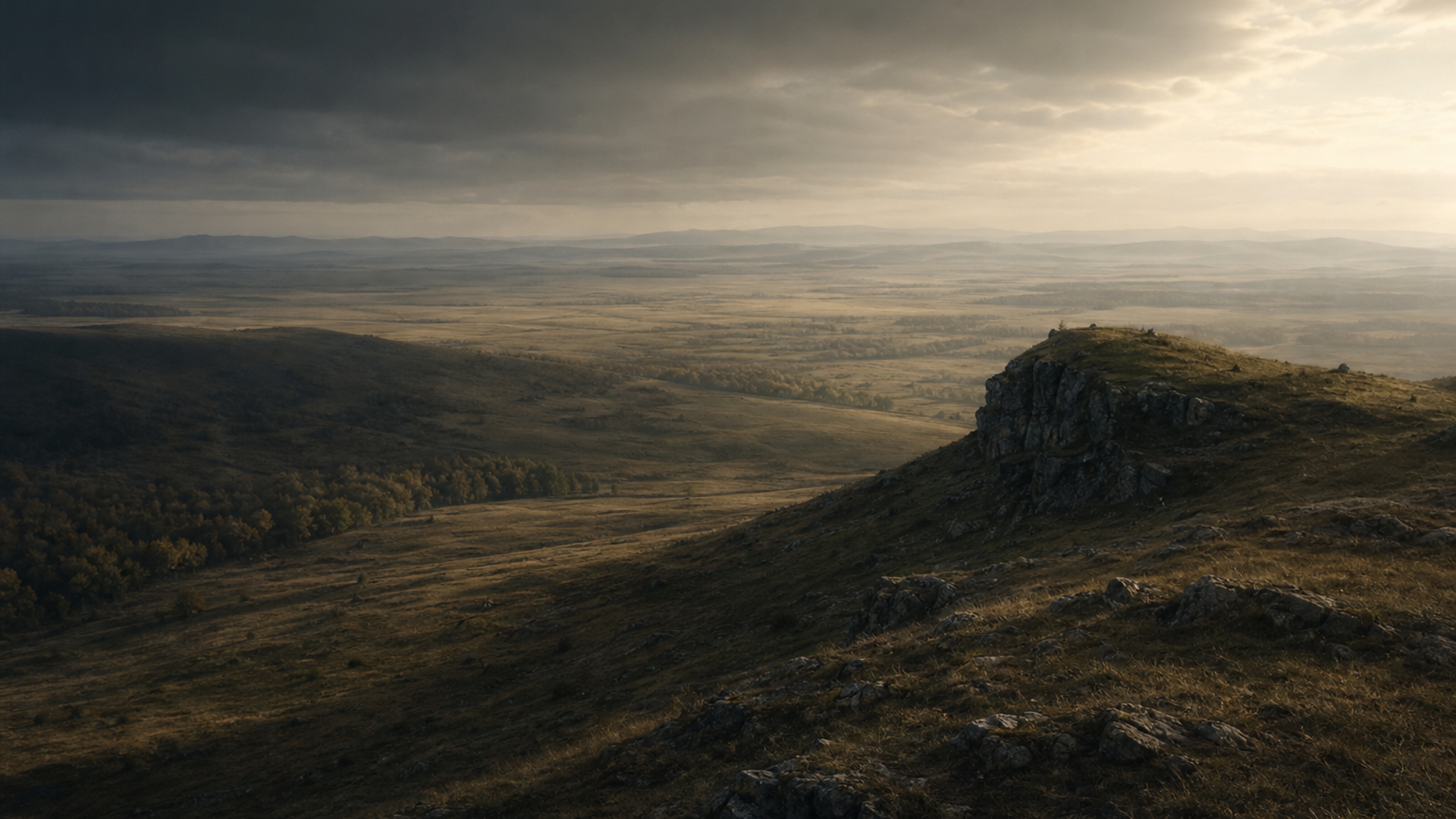
A Carpathian landscape shaped by migration, elite horse culture, and mixed ancestries

436 CE - 775 CE
Carpathian Basin (southern Hungary)
Desplázate para começar
Capítulo I

A História

Comprender la cultura Echoes of the Early Avars

Archaeology and ancient DNA from 121 Early Avar-era burials in southern Hungary reveal a mosaic of European, steppe, and East Eurasian lineages between 436–775 CE, reflecting movement, local integration, and social complexity in the Carpathian Basin.

Time Period

436–775 CE (Early Avar period)

Region

Carpathian Basin (southern Hungary)

Common Y-DNA

J (29), N (6), R (4), E (4), GHIJK (1)

Common mtDNA

H (15), D (12), K (9), B (6), C (6)

Capítulo II

Cronologia

Momentos-chave da história desta cultura

436 CE

Earliest sampled burials

Some sampled burials date to c. 436 CE, representing late Migration Period communities predating major documented Avar settlement.

568 CE

Avar entry into the Carpathian Basin

Historical and archaeological evidence mark the mid-6th century as a period of Avar settlement and establishment of political structures in the region.

600 CE

Consolidation of Avar polities

By the early 7th century, Avar material culture and elite burial practices become more widespread across the Carpathian Basin.

775 CE

Late range of sampled material

The most recent samples fall around 775 CE, a period of political pressures and changing frontier dynamics in Central Europe.

Capítulo III

Origins & Emergence

Between the late fifth and eighth centuries CE, the flat floodplains and low ridges of what is today Csongrád-Csanád and Bács-Kiskun counties became a stage for dramatic cultural encounters. Archaeological sites sampled here — including Szeged-FehértóA, Kunpeszér-Felsőpeszériút (Homokbánya), and Makó-Mikócsa-halom — preserve burial rites, horse gear, weaponry, and portable art that signal connections to the Eurasian steppe.

Genetic data from 121 burials dated 436–775 CE show a heterogeneous population: some individuals carry lineages commonly associated with East Eurasia, others with European or West/Central Asian affinities. This pattern is consistent with an emergent Early Avar social fabric formed by migration, elite incorporation of steppe groups, and assimilation of local communities.

Limited evidence suggests elite burials with steppe-style harness fittings and specific grave arrangements reflect incoming warrior groups or their cultural influence. Archaeological data indicates continuity of local settlement and agriculture alongside pastoral mobility — a dual economy that would have aided rapid cultural blending. However, the earlier portion of the date range (c. 436 CE) predates classical accounts of the Avar arrival (mid-6th century), so some samples may represent local Late Roman or Migration Period populations prior to large-scale Avar settlement. Ongoing genomic and archaeological synthesis is needed to refine the timing and scale of incoming groups.

  • Sampled sites concentrated in southern Hungary (Csongrád-Csanád, Bács-Kiskun).
  • Material culture shows steppe-style horse gear alongside local traditions.
  • Genetics indicate mixed origins; some early samples may predate Avar arrival.
Capítulo IV

Daily Life & Society

Archaeological deposits from cemetery and habitation contexts evoke a lived landscape of farms, transient camps, and fortified centers. Pottery fragments, iron tools, and animal bones point to mixed economies: crop cultivation and animal husbandry persisted while mobility and horse-rearing remained culturally important. Graves near Szegvár-Oromdűlő and Kunpeszér often include horse trappings, partial horse burials, or horse-related ornaments—visual cues of social identity and status.

The distribution of grave goods suggests social differentiation. Some burials contain weapons and ornate belt fittings that archaeologists interpret as markers of warrior elites; others are modest interments reflecting householders or artisans. Burial orientation, grave construction, and female vs male grave assemblages indicate gendered roles, but variability is high — pointing toward a society negotiating new hierarchies amid incoming peoples.

Isotopic and genetic results (where available) complement material culture: individuals with non-local ancestry may also show distinct mortuary treatment, hinting at kinship networks crossing geographic boundaries. Yet archaeological data remains interpretive: settlement patterns and funerary choices are shaped by climate, economy, and politics, not genetics alone. Limited site coverage and preservation bias mean our portrait is partial; these communities were dynamic, porous, and cosmopolitan by the standards of early medieval Europe.

  • Mixed economy: agriculture and pastoralism coexisted.
  • Grave goods and horse equipment indicate social differentiation and steppe influence.
Capítulo V

Genetic Profile

The dataset of 121 Early Avar-associated individuals provides a substantive view of paternal and maternal lineages in the Carpathian Basin during the Migration Period. Y-chromosome counts are dominated by haplogroup J (29 individuals, ~24%), with smaller counts of N (6, ~5%), R (4, ~3%), E (4, ~3%), and one GHIJK. Maternal lineages show a mix as well: H (15, ~12%) and K (9, ~7%) are typical of European-derived matrilines, while D (12, ~10%), B (6, ~5%), and C (6, ~5%) point toward East Eurasian maternal ancestry.

Interpretation: the coexistence of East Eurasian mtDNA (D, B, C) with Y-lineages such as J and N suggests sex-biased admixture and complex demographic processes. Haplogroup N on the Y-chromosome is often associated with northern and eastern Eurasian paternal ancestry, while J and E can reflect West/Central Asian connections; R lineages may represent local European or steppe-associated inputs. These patterns are consistent with archaeological evidence for incoming steppe-derived groups who integrated with local populations, and possibly with women moving between groups during episodes of migration and alliance formation.

Caveats: although 121 samples afford stronger inference than small series, geographic sampling is concentrated in southern Hungary and may not capture broader regional variation. Some haplogroup counts are low (<10), so conclusions about their frequency and significance remain tentative. Future genome-wide analyses and denser geographic sampling will clarify the timing and source populations for the observed ancestries.

  • Large sample (121) reveals mixed paternal and maternal lineages.

  • East Eurasian mtDNA and varied Y-DNA suggest multi-way admixture with possible sex-biased patterns.

Capítulo VI

Legacy & Modern Connections

The Early Avar period left an indelible but complex imprint on the Carpathian Basin. Archaeological legacies—horse gear motifs, burial customs, and fortified settlements—survive in the region's material record. Genetically, the Early Avar-era mosaic contributed components that, through later centuries of migration and admixture, mixed into the genetic tapestry of medieval and modern Central Europe.

It would be an overstatement to equate modern populations directly with any single early group: later movements (e.g., Slavic expansions, Frankish and Magyar arrivals) altered the genetic landscape. Nevertheless, ancient DNA from these sites shows that some lineages associated with Early Avar communities persisted regionally. These genetic echoes help archaeologists and historians trace the flows of people and ideas across Eurasia, reminding us that identity in the early medieval world was forged at the intersection of mobility, alliance, and local continuity.

  • Early Avar genetic and material traces contributed to regional diversity.
  • Modern populations reflect multiple later migrations; Avar signals are only one layer.
Com IA

Assistente de IA

Haz preguntas sobre la cultura Echoes of the Early Avars

Assistente de IA por DNAGENICS

Desbloquear esta função
Pregunta sobre la cultura Echoes of the Early Avars. El asistente con IA puede explicar hallazgos genéticos, contexto histórico, pruebas arqueológicas y conexiones modernas, con sus límites de interpretación.
Exemplo de análise com IA

La cultura Echoes of the Early Avars representa un capítulo de la historia humana...

A análise genética permite estudar semelhanças com populações anteriores e possíveis adaptações. As amostras de DNA antigo fornecem informações para investigar padrões migratórios e relações entre populações, com limites que dependem do estudo e do contexto arqueológico.

Esta é uma antevisão da análise com IA. Aceder ao assistente completo para explorar informações sobre:

  • Composição e similaridade genética
  • Padrões migratórios e origens
  • Vida cotidiana e práticas culturais
  • Contexto genético moderno

Explore mais culturas antigas

Descubra a história de civilizações de diferentes partes do mundo antigo