A preparar o relatório

A carregar as informações e as referências disponíveis

Consultando el registro arqueológico...

Recopilando registros antiguos

Saltar para o conteúdo principal
Echoes of the Ukrainian Steppe
Cultura de destaque

Echoes of the Ukrainian Steppe

Early Bronze Age Yamnaya burials from Ukraine seen through archaeology and DNA

3300 CE - 2494 BCE
Ukraine (Pontic-Caspian steppe)
Desplázate para começar
Capítulo I

A História

Comprender la cultura Echoes of the Ukrainian Steppe

Archaeological and genetic data from three Early Bronze Age Yamnaya-associated burials in Ukraine (3300–2494 BCE) reveal mobile pastoral lifeways and maternal lineages dominated by mtDNA H and T. Limited samples mean conclusions are preliminary but connect to broader steppe genetic patterns.

Time Period

3300–2494 BCE

Region

Ukraine (Pontic-Caspian steppe)

Common Y-DNA

Not reported / limited data

Common mtDNA

H (2 samples), T (1 sample)

Capítulo II

Cronologia

Momentos-chave da história desta cultura

2500 BCE

Mound-building and pastoral lifeways

Peak phase of Yamnaya-associated kurgan burial practices in parts of Ukraine, reflecting mobile pastoral societies and regional interaction.

Capítulo III

Origins & Emergence

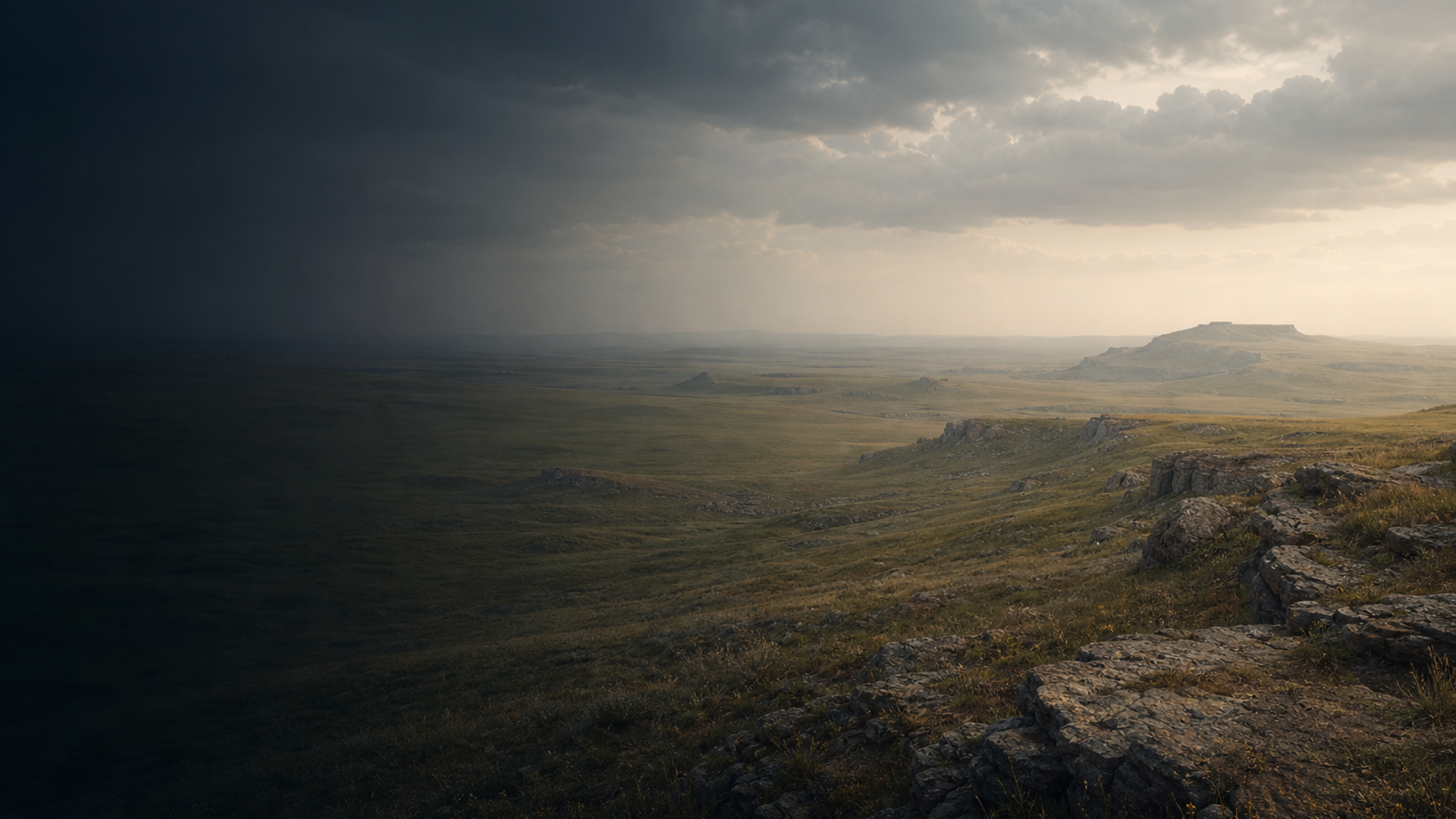
Across the wide, wind-swept plains of the northern Black Sea, the Early Bronze Age Yamnaya horizon emerges in the archaeological record as an ensemble of marked burial mounds, mobile herding economies, and long-distance material links. In Ukraine, sites such as the Shevchenko burial (OAE-2003) and the Kumy Mound 6, burial 8, fall within the broad 3300–2494 BCE window attributed to Yamnaya-affiliated activity. Archaeological data indicates a continuity with late Chalcolithic steppe traditions: kurgan burials with crouched or supine inhumations, ochre use, and grave goods that signal pastoral wealth rather than dense sedentary settlements.

Material culture and funerary architecture suggest seasonal mobility—corrals and temporary camps appear in the landscape, while cemeteries document social and ritual choices. From a cinematic vantage, these are communities defined by movement: herds tracked across grasslands, wagons and horseback emerging in later phases, and burial mounds rising like deliberate punctuation marks on the horizon.

Genetically, the Yamnaya horizon is best understood in regional context. Limited sampling from Ukraine in this dataset (three individuals) constrains fine-grained origin stories; however, archaeological evidence robustly situates these burials within a steppe pastoral tradition that later interacted widely with neighboring farming and forest-steppe zones.

  • Kurgan burial tradition visible at Shevchenko and Kumy mound sites
  • Pastoral, highly mobile economy inferred from settlement and faunal remains
  • Sample size small — conclusions tentative and contextual
Capítulo IV

Daily Life & Society

Archaeological traces paint a compelling portrait of day-to-day existence on the Pontic steppe: seasonal migration with flocks, temporary encampments, and ritualized mortuary practice. Organic preservation is scarce, yet animal bone assemblages, bit wear on horse teeth at contemporaneous sites, and the distribution of metal objects suggest economies organized around cattle and sheep, with increasing use of wagons and wheeled transport by later Early Bronze Age phases.

Grave assemblages emphasize portable wealth—metal tools, ornaments, and occasional weapons—consistent with mobile social networks rather than dense agrarian accumulation. Social differentiation is visible in mound size and grave goods variety, pointing to emerging hierarchies or status markers within kin groups. The rhythmic pattern of life—spring pastures, summer grazing, autumnal aggregations—would have shaped social calendars and exchange networks that linked steppe communities to forest-steppe farmers and distant trade partners.

Because the genetic sample set here is small (three burials), reconstructions of household composition, kinship, and social stratification must remain cautious. Integrated analysis of isotopes, ancient DNA, and grave context is the most informative path forward to reveal mobility, diet, and family ties.

  • Pastoral mobility with seasonal herd movements
  • Mortuary inequality visible in mound construction and grave goods
Capítulo V

Genetic Profile

The genetic signal from these three Ukrainian Yamnaya-associated burials is modest but suggestive. Mitochondrial DNA is reported as two individuals carrying haplogroup H and one carrying T. H and T are widespread maternal lineages in prehistoric and modern Europe; their presence here indicates continuity of common maternal ancestries across the steppe and adjacent regions. No consistent Y-chromosome signature is reported for these specific samples in the input dataset, so paternal-line conclusions cannot be drawn from this set alone.

Broader ancient DNA studies of Yamnaya-affiliated populations across the Pontic-Caspian steppe have documented a distinctive ‘steppe ancestry’ profile: a mixture of local hunter–gatherer and Caucasus-related ancestries. In many larger Yamnaya series (not specifically these three samples), particular Y-DNA lineages have been recurrent, but because our sample count is only three, any attempt to generalize paternal patterns for Ukrainian Yamnaya would be premature. Where available, complementary isotope data can reveal individual mobility and diet, adding ecological context to genetic ancestry.

Limited sample sizes (<10) mean results are preliminary. Nonetheless, the maternal haplogroups reported here tie these burials into a broader tapestry of European and steppe maternal lineages, supporting archaeological interpretations of interaction and movement across ecologies.

  • mtDNA: H (2) and T (1) — common maternal lineages in Europe/steppe
  • Y-DNA: not reported here; larger Yamnaya series often show recurring paternal lineages
Capítulo VI

Legacy & Modern Connections

The cultural imprint of the Yamnaya horizon resonates far beyond tumuli on the steppe. Archaeologically and genetically, Yamnaya-associated groups played a pivotal role in shaping the demographic and cultural landscape of Bronze Age Europe through migrations and gene flow. In landscape terms, their legacy is the spread of pastoral lifeways, increased long-distance mobility, and the diffusion of technologies such as wheeled transport.

From a genetic perspective, steppe-related ancestry contributed substantially to the genomes of many later European populations, with maternal haplogroups like H and T persisting into the present. However, for this specific Ukrainian dataset—three burials—the small sample size restricts direct claims about modern population links. Limited evidence suggests that these individuals fit within broader patterns of steppe maternal diversity that influenced subsequent regional gene pools.

Taken together, the archaeological and genetic signals offer a cinematic but reasoned narrative: communities shaped by the horizon of open grasslands, whose movements and interactions left both earthworks and DNA as their enduring traces.

  • Contributed to widespread steppe-related ancestry in later European populations
  • Local archaeological patterns and maternal lineages connect past populations to broader prehistoric networks
Com IA

Assistente de IA

Haz preguntas sobre la cultura Echoes of the Ukrainian Steppe

Assistente de IA por DNAGENICS

Desbloquear esta função
Pregunta sobre la cultura Echoes of the Ukrainian Steppe. El asistente con IA puede explicar hallazgos genéticos, contexto histórico, pruebas arqueológicas y conexiones modernas, con sus límites de interpretación.
Exemplo de análise com IA

La cultura Echoes of the Ukrainian Steppe representa un capítulo de la historia humana...

A análise genética permite estudar semelhanças com populações anteriores e possíveis adaptações. As amostras de DNA antigo fornecem informações para investigar padrões migratórios e relações entre populações, com limites que dependem do estudo e do contexto arqueológico.

Esta é uma antevisão da análise com IA. Aceder ao assistente completo para explorar informações sobre:

  • Composição e similaridade genética
  • Padrões migratórios e origens
  • Vida cotidiana e práticas culturais
  • Contexto genético moderno

Explore mais culturas antigas

Descubra a história de civilizações de diferentes partes do mundo antigo