A preparar o relatório

A carregar as informações e as referências disponíveis

Consultando el registro arqueológico...

Recopilando registros antiguos

Saltar para o conteúdo principal
Island Echoes: Long Island Ceramic
Cultura de destaque

Island Echoes: Long Island Ceramic

Ceramic-period communities on Long Island, Bahamas — pottery, middens, and ancestral DNA

885 CE - 1390 CE
Long Island, Bahamas (Clarence Town; Rolling Heads Site)
4 Amostras antigas
Desplázate para começar
Capítulo I

A História

Comprender la cultura Island Echoes: Long Island Ceramic

Archaeological and genetic snapshots (885–1390 CE) from Long Island, Bahamas (Rolling Heads, Clarence Town) reveal Indigenous Ceramic-period lifeways. Limited (n=4) ancient DNA points to Indigenous American maternal lineages (B2e, C, C1b) and a paternal Q signal—preliminary but evocative.

Time Period

885–1390 CE (Ceramic Period)

Region

Long Island, Bahamas (Clarence Town; Rolling Heads Site)

Common Y-DNA

Q (1 sample)

Common mtDNA

B2e (2), C (1), C1b (1)

Capítulo II

Cronologia

Momentos-chave da história desta cultura

885 CE

Earliest dated individual (Rolling Heads)

One of the four dated samples from Rolling Heads begins the sequence around 885 CE, anchoring local Ceramic-period occupation.

1390 CE

Latest dated individual

The most recent sampled individual dates to circa 1390 CE, marking the end of the current aDNA sequence for the site.

Capítulo III

Origins & Emergence

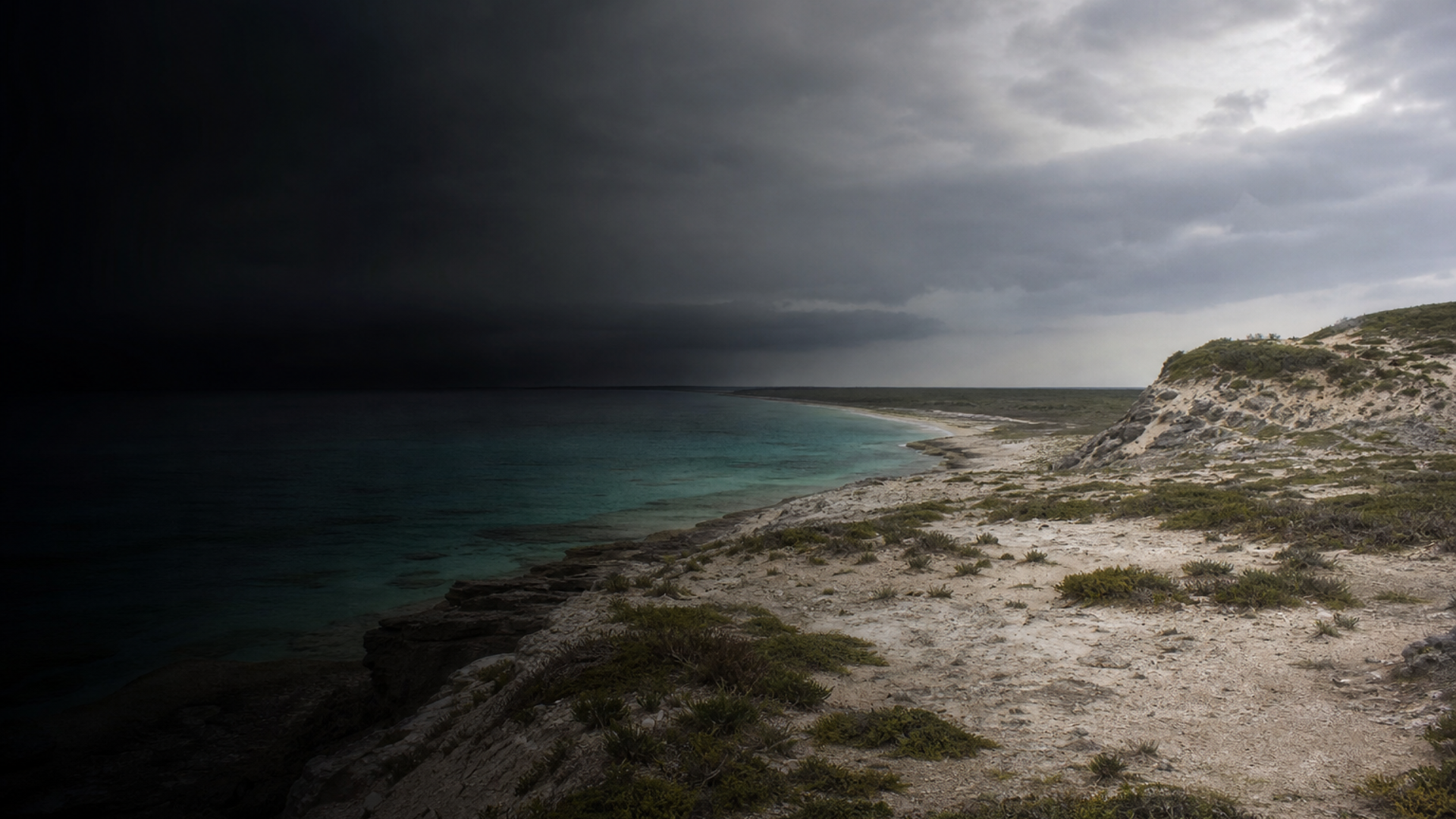
On the pale shores of Long Island, ceramic fragments and shell midden rims trace a quiet arc of human presence between the late first and early second millennia CE. Archaeological data indicates these communities belong to the broader Ceramic-period traditions found across the northern Caribbean — a cultural horizon characterized by finely made pottery, coastal settlement, and intensified exploitation of marine resources. Excavations at the Rolling Heads site near Clarence Town record sherd assemblages and features consistent with regional Ceramic technologies.

Limited evidence suggests these lifeways reflect long-standing connections with the Greater Antilles and the northern South American mainland, where Ceramic traditions are known to have evolved earlier. However, the story for Long Island is not yet fully written: only four ancient DNA samples (885–1390 CE) have been reported from this island, and archaeological stratigraphy remains patchy in places. While ceramics, middens, and tool types provide cultural anchors, they do not by themselves prove single-source migration. Instead, the picture that emerges is of island communities adopting, adapting, and sustaining Ceramic-period practices in the Bahamian environment.

This interpretive caution is vital: with small sample counts and variable preservation, hypotheses about population movement and timing must remain provisional. Continued targeted excavation and more aDNA recovery from dated contexts will sharpen whether Long Island represents local continuity, episodic colonization, or ongoing ties with neighboring island groups.

  • Ceramic-period material culture found at Rolling Heads and Clarence Town
  • Archaeological links to broader Greater Antilles and northern South America traditions
  • Conclusions provisional due to limited samples and patchy stratigraphy
Capítulo IV

Daily Life & Society

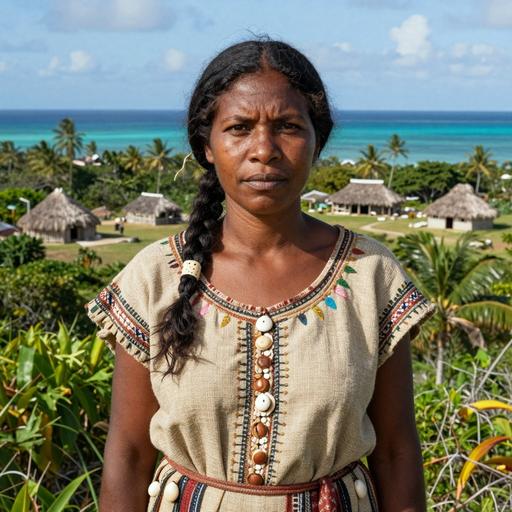
The daily world on Long Island during the Ceramic era would have been shaped by the sea’s rhythm and the small-scale ingenuity of island people. Archaeological deposits contain pottery sherds, shell middens, fish bones, and hearth features that together suggest communities oriented to coastal fishing, shellfish gathering, and horticulture where soils permitted. Pots — often decorated and well-fired — served both practical and social roles: cooking, storage, and possibly signalling group identity through style.

Shell middens at Rolling Heads preserve layers of refuse that, when read carefully, become calendars of diet and seasonality: fish vertebrae and bone fragments indicate a reliance on reef and nearshore species, while terrestrial fauna remains are rarer but present. Stone tools and shell implements imply a toolkit adapted to processing fish and plants, and to crafting nets, cordage, and wooden implements whose preservation is rare in the archaeological record.

Burial evidence on the Bahamas is variable; where interments are found, they can illuminate social roles and health, but recorded burials from Long Island associated with these samples are few. Material culture, settlement traces, and site placement on sheltered bays all point to tightly knit groups whose everyday practices were tuned to maritime resources, seasonal winds, and small-island social networks. The cinematic image is of warm evenings, pottery smoke, and the steady work of communities sustained by sea and shore.

  • Coastal subsistence: shellfish, reef and nearshore fishing, some horticulture
  • Material culture: decorated pottery, shell tools, hearths; few recorded burials
Capítulo V

Genetic Profile

The ancient DNA signal from Long Island is sparse but meaningful. Among four analyzed individuals dated between 885 and 1390 CE, mitochondrial haplogroups are dominated by Indigenous American lineages: B2e appears in two samples, and C and C1b each appear once. These maternal markers are well-established in pre-contact and modern Indigenous populations across the Americas and the Caribbean, supporting archaeological interpretations of local Indigenous ancestry during the Ceramic period. On the paternal side, a single Y-chromosome sample carries haplogroup Q, a lineage commonly associated with Indigenous populations of the Americas.


Taken together, the mtDNA and Y-DNA evidence aligns with expectations for pre-Columbian Caribbean peoples, indicating maternal diversity within a broadly Indigenous genetic background. However, the sample size is very small (n=4), and population-genetic inferences—such as estimates of genetic continuity, admixture, or precise source populations—are preliminary. Small datasets are susceptible to stochastic sampling: a few individuals may not represent the full genetic landscape of Long Island communities.

Genetic data can be powerfully complementary to archaeology: it helps test hypotheses about migration, kinship, and population structure when anchored to well-dated contexts like the Rolling Heads site. Future aDNA recovery from additional burials and securely dated deposits across the Bahamas will be essential to move from evocative glimpses to robust models of ancestry and social organization.

  • Maternal lineages: B2e (2), C (1), C1b (1) — Indigenous American mtDNA
  • Paternal lineage: Q (1) — consistent with Indigenous American Y-DNA; conclusions preliminary
Capítulo VI

Legacy & Modern Connections

The echoes of Ceramic-period Long Island resonate in the deep-time tapestry of the Bahamas. Archaeology and genetics together suggest continuity of Indigenous presence and practice on the islands prior to European contact. Yet the post-contact centuries brought dramatic demographic change across the Caribbean through disease, forced migration, and colonial resettlement; these forces mean that modern Bahamian ancestry is a layered mosaic of Indigenous, African, and European contributions.

Ancient DNA from Long Island provides a precious window into pre-contact Indigenous lineages now rare or absent in contemporary records. These genetic glimpses can inform respectful conversations about heritage, stewardship, and recognition of Indigenous histories in the Bahamas. Archaeological protection of sites like Rolling Heads and transparent collaboration with local communities are essential to honor the people represented by these fragments and sequences. Given the small number of samples, claims about direct descent to specific modern families should be made cautiously; instead, these findings highlight the persistence of Indigenous biological and cultural threads that underlie the modern archipelago’s identity.

  • Ancient lineages provide evidence of Indigenous ancestry prior to European contact
  • Small sample size cautions against sweeping claims; emphasize stewardship and local collaboration
Capítulo VII

Catálogo de amostras

4 amostras de DNA antigo associadas à cultura Island Echoes: Long Island Ceramic fornecem dados de referência sobre as populações desse período.

4 / 4 amostras
Retrato Mostrar País Época Data Cultura Sexo DNA-Y ADNmt
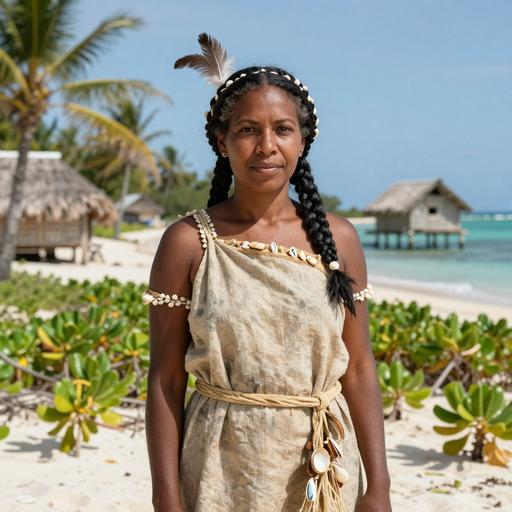
Retrato reconstruído de Long Ceramic individual, Bahamas
Long Ceramic individual, Bahamas
Bahamas Bahamas_LongIsl_Ceramic 885-990 calCE (1127±19 BP, OxA-39169) Taino F - C1d1
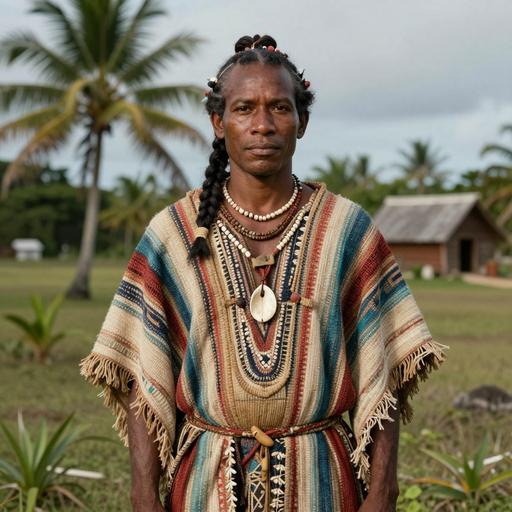
Retrato reconstruído de Long Ceramic individual, Bahamas
Long Ceramic individual, Bahamas
Bahamas Bahamas_LongIsl_Ceramic 1165-1224 calCE (855±15 BP, UCIAMS-186352) Taino M Q-M3 B2e
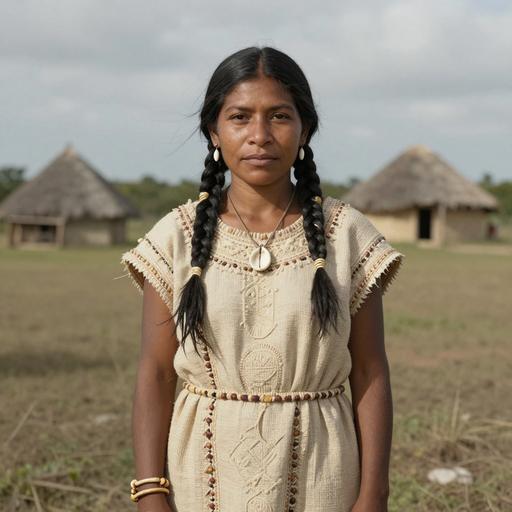
Retrato reconstruído de Taino individual, Bahamas
Taino individual, Bahamas
Bahamas Bahamas_LongIsl_Ceramic 1283 CE Taino F - C1b
Retrato reconstruído de Taino individual, Bahamas
Taino individual, Bahamas
Bahamas Bahamas_LongIsl_Ceramic 1282 CE Taino F - B2e
Com IA

Assistente de IA

Haz preguntas sobre la cultura Island Echoes: Long Island Ceramic

Assistente de IA por DNAGENICS

Desbloquear esta função
Pregunta sobre la cultura Island Echoes: Long Island Ceramic. El asistente con IA puede explicar hallazgos genéticos, contexto histórico, pruebas arqueológicas y conexiones modernas, con sus límites de interpretación.
Exemplo de análise com IA

La cultura Island Echoes: Long Island Ceramic representa un capítulo de la historia humana...

A análise genética permite estudar semelhanças com populações anteriores e possíveis adaptações. As amostras de DNA antigo fornecem informações para investigar padrões migratórios e relações entre populações, com limites que dependem do estudo e do contexto arqueológico.

Esta é uma antevisão da análise com IA. Aceder ao assistente completo para explorar informações sobre:

  • Composição e similaridade genética
  • Padrões migratórios e origens
  • Vida cotidiana e práticas culturais
  • Contexto genético moderno

Explore mais culturas antigas

Descubra a história de civilizações de diferentes partes do mundo antigo