A preparar o relatório

A carregar as informações e as referências disponíveis

Consultando el registro arqueológico...

Recopilando registros antiguos

Saltar para o conteúdo principal
Starčevo Dawn: Early Farmers of Serbia
Cultura de destaque

Starčevo Dawn: Early Farmers of Serbia

Genomic and archaeological portrait of Starčevo communities (6221–5300 BCE) in Serbia

6221 CE - 5300 BCE
Serbia (Vojvodina, Danube corridor)
Desplázate para começar
Capítulo I

A História

Comprender la cultura Starčevo Dawn: Early Farmers of Serbia

A concise synthesis of 11 Early Neolithic genomes from Starčevo-era sites in Serbia (6221–5300 BCE). Archaeology and ancient DNA together reveal Anatolian-derived farming communities along the Danube corridor, with Y haplogroups G and C and maternal lineages dominated by K and J variants.

Time Period

6221–5300 BCE (Early Neolithic)

Region

Serbia (Vojvodina, Danube corridor)

Common Y-DNA

G, C

Common mtDNA

K, J, T2b

Capítulo II

Cronologia

Momentos-chave da história desta cultura

6221 BCE

Earliest dated Starčevo individuals in Serbia

Ancient genomes and archaeological contexts around 6221 BCE record Early Neolithic settlements along the Danube in present-day Serbia.

Capítulo III

Origins & Emergence

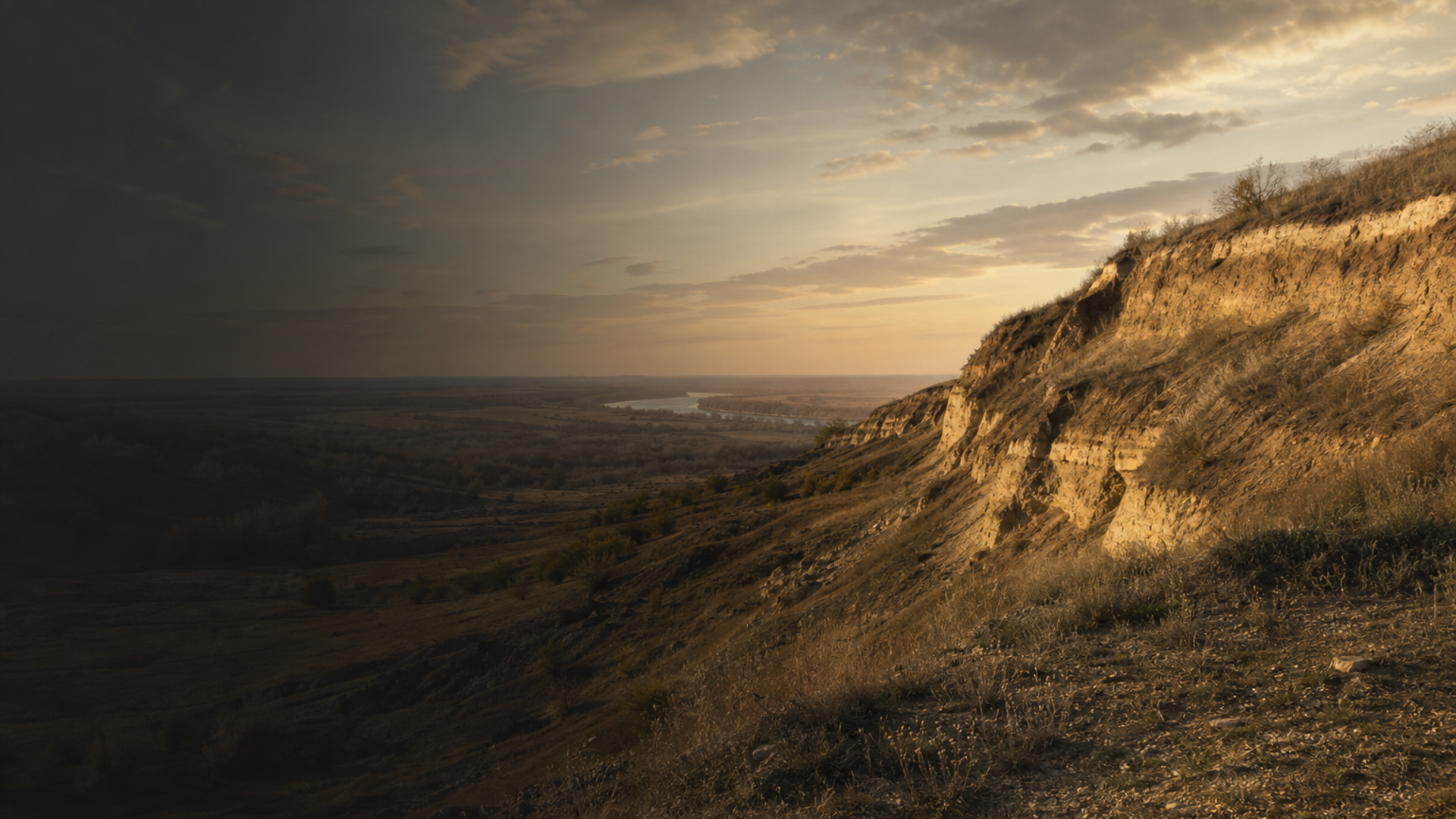
Beneath the low terraces of the Danube and its tributaries, the Starčevo horizon unfolds as one of the first chapters of farming in Southeast Europe. Archaeological data indicates enduring settlement at named sites such as Starčevo-Grad (Pančevo), Saraorci-Jezava, and Donja-Branjevina between ca. 6221 and 5300 BCE. Pottery styles, domestic architecture and material culture mark a distinctive local expression of the Early Neolithic Starčevo phenomenon.

Genomic evidence from 11 individuals recovered across these Serbian sites frames the people who made these places. Ancient DNA is broadly consistent with an Anatolian-related farmer origin that spread into the Balkans during the seventh millennium BCE: the genetic profile of these Starčevo individuals aligns with the broader pattern of incoming farming groups rather than autochthonous hunter-gatherers. At the same time, archaeological and isotopic indicators show local adaptation — settlements organized along river valleys, exploitation of floodplain resources, and gradual regional differentiation of pottery and tool traditions.

Limited evidence suggests contact and exchange with neighboring Danubian groups; archaeological parallels to early LBK horizons point to cultural connectivity across the corridor. Because regional sampling remains modest, each new genome helps sharpen but does not yet fully resolve the pathways of migration and interaction that produced the Starčevo mosaic.

  • Starčevo occupation in Serbia dated ca. 6221–5300 BCE
  • Sites include Starčevo-Grad, Saraorci-Jezava, Donja-Branjevina and others
  • Archaeology and aDNA suggest Anatolian-derived incoming farmers
Capítulo IV

Daily Life & Society

Archaeological remains evoke a tangible daily world: clustered settlements of earth-and-timber houses, storage pits, hearths, and pottery used for cooking and storage. Archaeological data indicates an economy centered on cultivation of cereals and pulses and the herding of cattle, sheep/goat and pigs. Riverine landscapes — the Danube and its wetlands — anchored settlement placement and provided seasonally abundant resources.

Material culture from Starčevo-Grad and nearby loci reveals refined pottery, personal ornaments and ground stone tools, suggesting craft specialization and household economies. Burial practices are variable across the region; where preserved, inhumations and grave goods hint at differentiated social roles, though broad hierarchies are hard to establish from current data. Archaeobotanical and zooarchaeological remains document the gradual creation of farming lifeways that would transform European ecosystems.

DNA contextualizes these archaeological signals: genetic data can detect kinship within cemeteries, track mobility of individuals, and identify whether dietary shifts were accompanied by new people. At present, the Starčevo sample set is modest but illuminates a society enmeshed in a dramatic shift from foraging to farming.

  • Farming, animal husbandry, and riverine resource use
  • Pottery, ground stone tools, and household storage common
Capítulo V

Genetic Profile

Eleven genomes from Starčevo-era sites in Serbia provide a snapshot of Early Neolithic genetic diversity in the central Balkans. Among these individuals the most frequently observed Y-chromosome haplogroups include G (observed twice) and C (observed twice). On the maternal side, mitochondrial lineages are dominated by K (2) and J (2), with additional presence of T2b and sublineages of J (J1c, J1). These maternal haplogroups are commonly associated with Near Eastern farming populations that spread into Europe during the early Neolithic.

Autosomal patterns in comparable Early Neolithic assemblages indicate a strong Anatolian-farmer-related ancestry component; the Starčevo individuals fit this broader pattern, consistent with migration of farming populations along the Danube corridor. The presence of Y haplogroup G aligns with many other early farmer contexts, whereas C is less typical for later European farmers and may reflect regional variability or rare male lineages persisting in early Neolithic groups.

Sample count is 11 — larger than many pioneering studies but still modest. Therefore, interpretations remain provisional: observed haplogroup frequencies can suggest tendencies but are not definitive population-level proportions. Archaeogenetic analysis here complements the archaeological record, together indicating an influx of farming ancestry into Serbia with local admixture and cultural regionalization over centuries.

  • 11 genomes indicate Anatolian-related farmer ancestry
  • Y lineages include G and C; mtDNA dominated by K and J
Capítulo VI

Legacy & Modern Connections

The Starčevo communities planted practices — domesticated crops, animal herding, pottery traditions — that reshaped European landscapes. Archaeogenetic continuity is partial: modern populations of the Balkans carry echoes of these early farmer ancestries mixed over millennia with later arrivals and indigenous hunter-gatherer lineages. In the grand cinematic sweep of prehistory, Starčevo groups represent a decisive movement of people and lifeways from Anatolia into Europe, leaving genetic traces in descendant populations and cultural traces in later Neolithic traditions.

While modern genomic studies can detect these deep echoes, caution is necessary: admixture, population replacement and centuries of movement have blurred direct lines of descent. Still, the pottery fragments from Starčevo-Grad and the genomes from Saraorci-Jezava and Donja-Branjevina together narrate a story of human resilience and innovation — the first farmers who turned riverine plains into cultivated fields and whose legacy survives in subtle genetic and cultural threads across the Balkans.

  • Early farmer ancestry contributed to the genetic makeup of Southeast Europeans
  • Starčevo cultural practices influenced later Neolithic traditions in the Danube corridor
Com IA

Assistente de IA

Haz preguntas sobre la cultura Starčevo Dawn: Early Farmers of Serbia

Assistente de IA por DNAGENICS

Desbloquear esta função
Pregunta sobre la cultura Starčevo Dawn: Early Farmers of Serbia. El asistente con IA puede explicar hallazgos genéticos, contexto histórico, pruebas arqueológicas y conexiones modernas, con sus límites de interpretación.
Exemplo de análise com IA

La cultura Starčevo Dawn: Early Farmers of Serbia representa un capítulo de la historia humana...

A análise genética permite estudar semelhanças com populações anteriores e possíveis adaptações. As amostras de DNA antigo fornecem informações para investigar padrões migratórios e relações entre populações, com limites que dependem do estudo e do contexto arqueológico.

Esta é uma antevisão da análise com IA. Aceder ao assistente completo para explorar informações sobre:

  • Composição e similaridade genética
  • Padrões migratórios e origens
  • Vida cotidiana e práticas culturais
  • Contexto genético moderno

Explore mais culturas antigas

Descubra a história de civilizações de diferentes partes do mundo antigo