
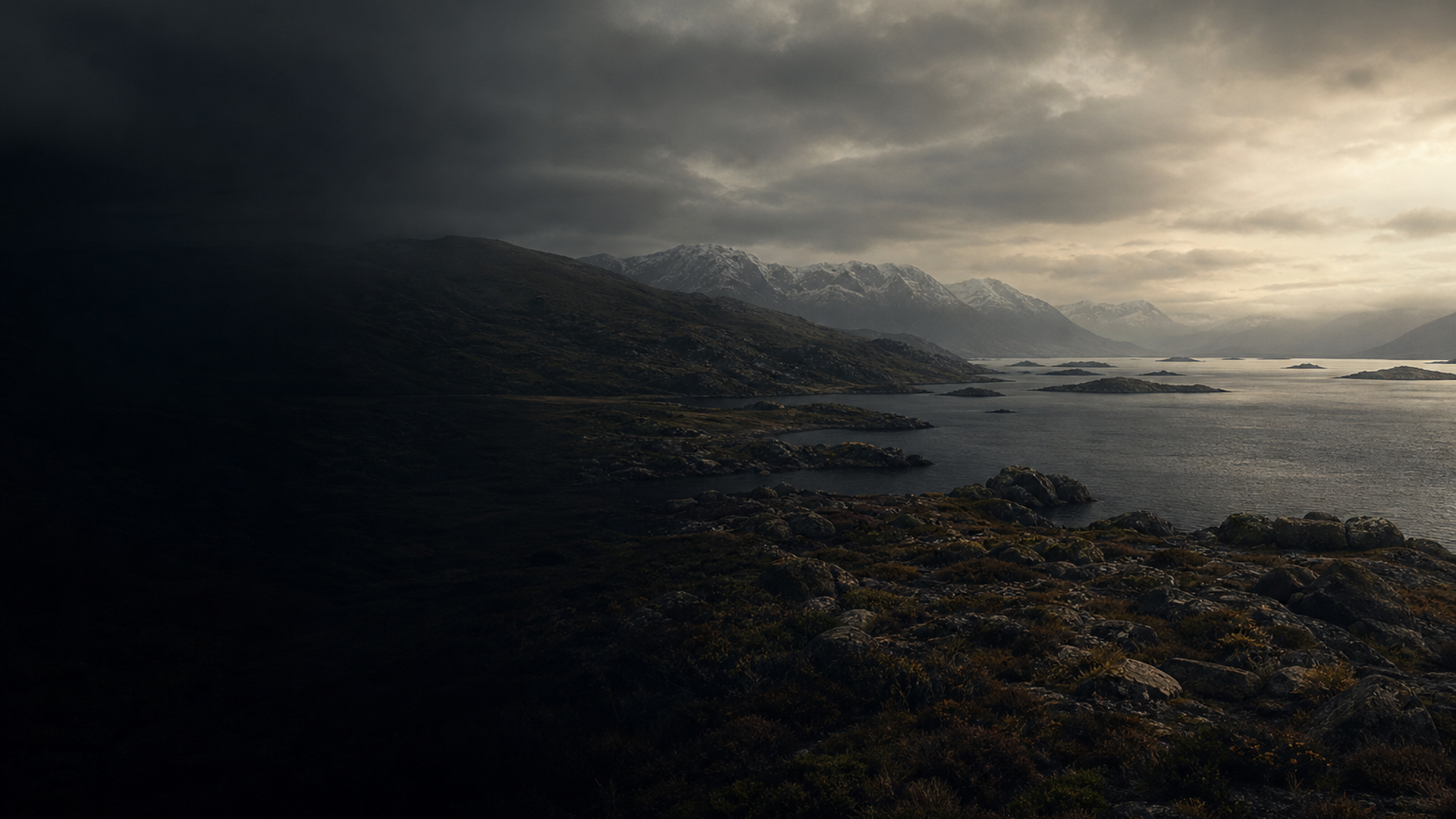
The Yamana people inhabited the glacial-carved islands of the Beagle Channel for centuries, persisting into the historic era witnessed by European explorers. Archaeological sites such as Almanza and Acatushún on the shores of Tierra del Fuego preserve shell middens, bone tools, and boat-related artefacts that testify to a deep adaptation to littoral hunting and gathering.
Limited evidence suggests that the maritime adaptations of Ushuaia–Beagle Channel groups build on millennia of coastal occupation in southern Patagonia. Material culture shows continuity in stone and bone tool forms alongside changes introduced by 19th-century contact. Ethnohistoric accounts describe canoe travel, seabird and seal hunting, and complex seasonal rounds that threaded islands and open waters.
Archaeological data indicate resilience in small, mobile bands whose territorial knowledge centered on narrow fjords and tidal reefs. While cultural continuity is clear in the archaeological record, the fine-scale origins of specific kin groups in the late historic period remain unresolved. Genetic insights (below) help anchor these individuals within broader Native South American lineages, but conclusions remain cautious because of the small sample set and uneven preservation.





