跳转到主内容
mtDNA · 母亲 lineage

H15A1

mtDNA Haplogroup H15A1

一个家族分支的参考简介 。 共享haplogroups 无法建立家庭关系或文化认同 。

参考简介

部门背景

mtDNA 谱系分支 H15A1 的历史背景

Origins and Evolution

H15A1 is a downstream branch of H15A, itself a subclade of the broader mitochondrial haplogroup H, which is the dominant maternal lineage in much of Europe. H15A likely diversified in the early to mid-Holocene in the Iberian/Atlantic zone following post‑glacial recolonization, and H15A1 represents a more recent split within that regional lineage. The estimated age of H15A1 (on the order of a few thousand years) places its origin after the initial post‑glacial expansions and during the period of Neolithic-to-Bronze Age demographic change in Western Europe.

Subclades (if applicable)

H15A1 itself is a fine-scale subclade within H15A; published phylogenies and high-resolution mitogenomes indicate that H15 divides into several subbranches with geographically skewed distributions. H15A1 may further subdivide into local lineages that are detectable only with full mitochondrial genome sequencing; in many datasets H15A1 is observed as a terminal clade without extensive deep internal branching visible at moderate sample sizes.

Geographical Distribution

H15A1 is concentrated in the Atlantic/Iberian region and is detected at low to moderate frequencies in Western Europe, with decreasing frequencies toward Southern, Central and Eastern Europe. It appears sporadically in the Near East and at very low levels in northwest Africa and some Mediterranean island populations (for example Sardinia). Ancient DNA recovery indicates H15A1 (and close relatives within H15A) is present in archaeological contexts spanning the later Neolithic and Bronze Age in Western Europe, consistent with a regional origin followed by limited dispersal.

Historical and Cultural Significance

The geographic and temporal pattern of H15A1 suggests it is tied to long‑term maternal continuity in Atlantic Europe, reflecting post‑glacial recolonization and subsequent population processes including Neolithic farmer influence and Bronze Age movements. Because H haplogroups (notably H1 and H3) are strongly associated with Iberian and Atlantic expansions after the Last Glacial Maximum, H15A1 can be interpreted as part of a broader set of maternal lineages that contributed to the genetic makeup of western European populations. H15A1 is sometimes recovered in contexts associated with later cultural horizons (e.g., Bell Beaker–related burials in parts of Iberia and neighboring regions), but it is not a defining marker of any single archaeological culture.

Conclusion

H15A1 is a regional mtDNA lineage that illustrates fine‑scale maternal structure in western Europe. Its mid‑Holocene origin in the Iberian/Atlantic region and low-to-moderate prevalence in modern western European populations, together with appearances in ancient DNA datasets, make it useful for studying localized maternal continuity, island/isolate effects (e.g., Sardinia) and the subtle demographic shifts that accompanied Neolithic and Bronze Age transitions across southwestern Europe.

(Notes: timing and dispersal inferences are based on the haplogroup's phylogenetic position within H15/H15A and on published patterns for Iberian/Atlantic mtDNA lineages; full mitogenome data improves resolution for internal branching of H15A1.)

关键点

  • Origins and Evolution
  • Subclades (if applicable)
  • Geographical Distribution
  • Historical and Cultural Significance
  • Conclusion
参考简介

树形关系( N)

phylgenetic 上下文和子拼写

进化路径

沿已记录的上级分支追溯至 H15A1。年代为估计值,可能随参考数据更新而调整。

步骤 单倍群 年龄估计 考古时代 时间流逝 直系后裔 被测试的现代后裔 古代连接
1 H15A1 当前 ~5,000 years ago Bronze Age 5,000 years 2 31 0
2 H15A ~6,000 years ago Chalcolithic 6,000 years 1 37 19
3 H15 ~12,000 years ago Neolithic 12,000 years 2 72 0
4 H ~25,000 years ago Paleolithic 25,000 years 78 9,404 991
5 HV ~30,000 years ago Paleolithic 30,000 years 14 11,092 228
6 R0 ~15,000 years ago Mesolithic 15,000 years 2 11,230 4
7 R ~55,000 years ago Paleolithic 55,000 years 17 22,830 57
8 NA - - - 1 22,830 0
9 N ~60,000 years ago Paleolithic 60,000 years 16 26,150 13
10 L3 ~70,000 years ago Paleolithic 70,000 years 7 30,162 6
11 L3'4 - - - 2 30,212 0
12 L3'4'6 - - - 2 30,216 0
13 L2'3'4'6 - - - 2 31,333 0
14 L2'3'4'5'6'7 - - - 2 31,349 0
15 L1'2'3'4'5'6'7 - - - 2 31,852 0
16 L ~160,000 years ago Paleolithic 160,000 years 2 32,236 5
参考简介

哪里是这个世界

地理分布和现代存在

记录来源

Iberian Peninsula / Atlantic Europe

现代发行

The populations where MTDNA haplogroup H15A1 is found include:

  1. Iberian populations (Spain and Portugal, including regional groups)
  2. Western European populations (France, Britain) at low to moderate frequencies
  3. Southern European populations (Italy, Greece, Sardinia) at low frequencies
  4. Central and Eastern European populations (Germany, Poland, Balkans) at low frequencies
  5. Near Eastern populations (Anatolia, Levant) sporadically
  6. Northwest African populations (Morocco, Algeria) at very low frequencies
  7. Island and isolated communities (Sardinia and some Mediterranean islands) occasionally
  8. Present at trace levels in modern Jewish and other Mediterranean diaspora groups
历史背景

分枝穿越时间

大致历史时间范围内的估计形成情况:周期标志提供了背景,并不意味着与特定文化的联系。

  1. ~10k 年前

    新石器革命

    农业开始,定居社区形成

  2. ~5k 年前

    青铜时代

    金属加工、书写和早期文明

  3. ~5k 年前

    Haplogroup H15A1

    此 mtDNA 分支的形成时间为推定值,日期和地点仅作参考。

    这个分支
  4. ~3k 年前

    铁器时代

    铁工具,扩大贸易网络

  5. ~2.5k 年前

    古典时代

    希腊和罗马文明蓬勃发展

  6. 现

    现日

    现代时代

参考简介

考古学背景

已记录的 mtDNA 分支 H15A1 考古关联

有记录的协会

这些标签描述与 H15A1 相关的参考样本所处的考古背景。仅凭这种关联,无法判断所有携带者都属于某种文化或沿同一路线迁徙。

Fatyanovo Russia_MBA_Caucasus Russia_MLBA_Caucasus Russia_Rostov_EBA_Don_Yamnaya Scottish Bronze Age Srubnaya-Alakul Trypillia Culture
文化任务基于古代DNA样本的考古背景,可能代表特定时期的区域协会.
参考简介

样本目录

单倍群 H15A1 的直接携带者 24 名,子分支携带者 11 名

10 显示 ^ 35 匹配样本

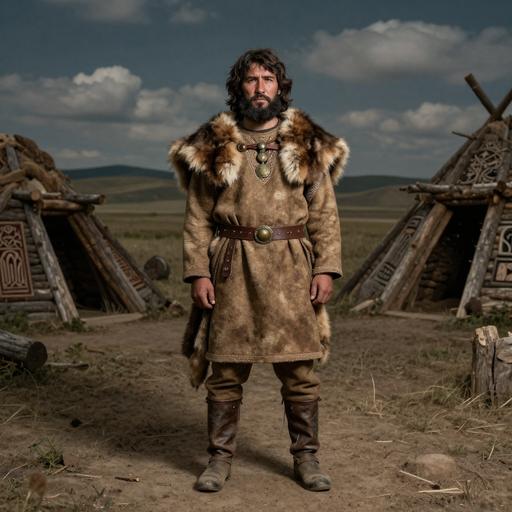
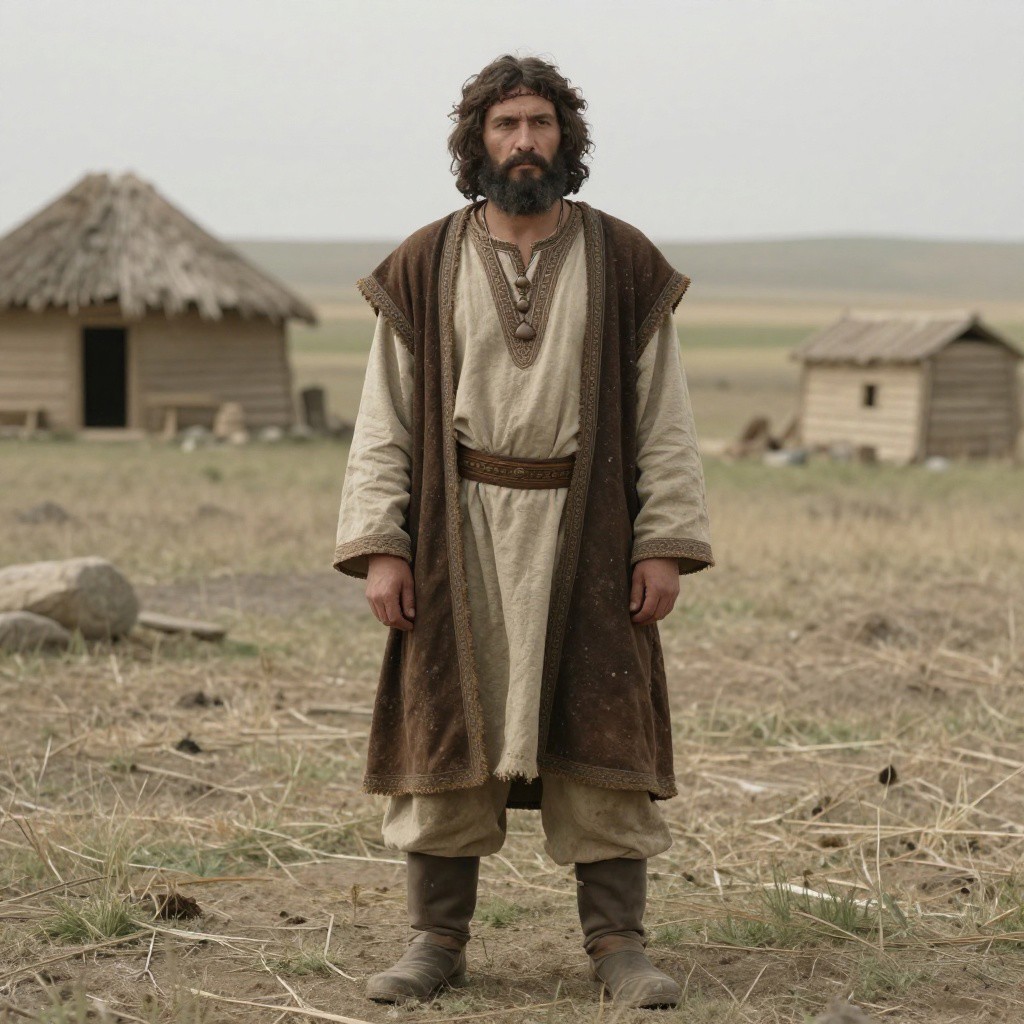
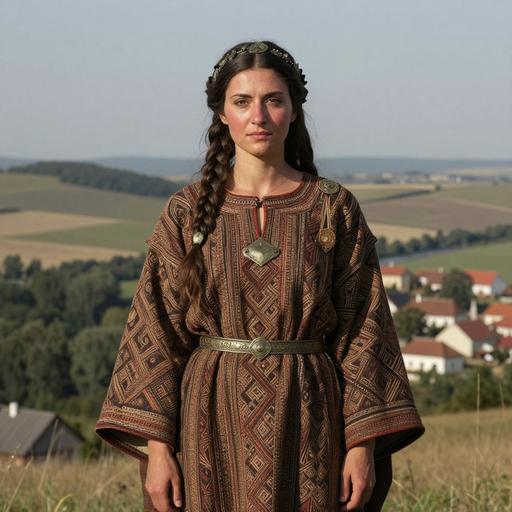
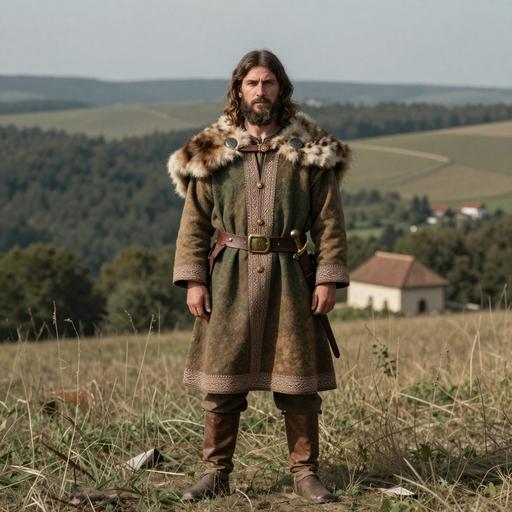
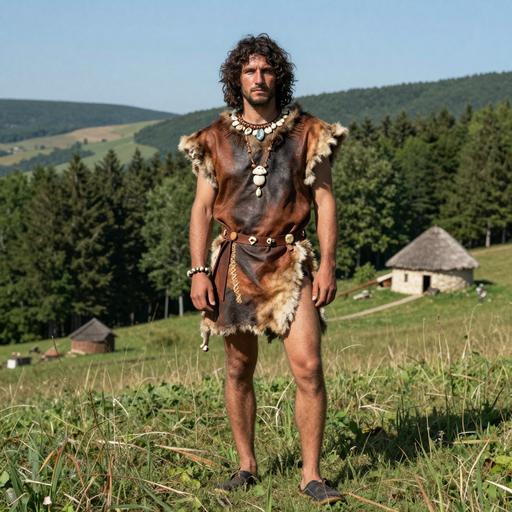
Portraits是AI生成的插图,样本标签和加入ID识别参考记录.

纵向 样本 国家 大纪元 日期 文化 mtDNA 匹配
AI生成的示例性肖像 Germanic individual, Lower Saxony. Hiddestorf, Germany (300-500 CE)
Sample ID: HID002
Germany Saxon Early Medieval Hiddestorf, Germany 300 CE - 500 CE Saxon Hiddestorf H15a1 Direct
AI生成的示例性肖像 Roman Late Antiquity-o Levant individual, Trogir-Dobrić (Split-Dalmatia County, Općina Marina), Croatia (300-600 CE)
Sample ID: I26709
Croatia Late Imperial Roman Croatia 300-600 CE Late Imperial Roman H15a1 Direct
AI生成的示例性肖像 Germany Hiddestorf Saxon Emedieval individual, Lower Saxony. Hiddestorf, Germany (300-500 CE)
Sample ID: HID002
Germany Saxon Early Medieval Hiddestorf, Germany 300 CE - 500 CE Saxon Hiddestorf H15a1 Direct
AI生成的示例性肖像 England MIA individual, England. Bedfordshire. Broom Quarry, United Kingdom (381-197 BCE)
Sample ID: I11150
United Kingdom England MIA 381-197 calBCE (2215±28 BP, SUERC-86441) Middle Iron Age British H15a1 Direct
AI生成的示例性肖像 Late Punic-o individual, Villaricos (Andalusia, Almería, Cuevas del Almazora), Spain (419-131 BCE)
Sample ID: I18202
Spain Spain LatePunic o 400-150 BCE Spain_LatePunic-o H15a1 Direct
AI生成的示例性肖像 Conqueror individual, Balatonújlak (Somogy County, Marcali), Hungary (784-1,016 CE)
Sample ID: I19076
Hungary Hungary Conqueror 800-1000 CE Hungary_Conqueror H15a1 Direct
AI生成的示例性肖像 Norse individual, Skara. Varnhem, Sweden (900-1,200 CE)
Sample ID: VK306
Sweden Sweden Viking 900 CE - 1200 CE Viking H15a1 Direct
AI生成的示例性肖像 Viking individual, Skara. Varnhem, Sweden (900-1,200 CE)
Sample ID: VK306
Sweden The Viking Age 900 CE - 1200 CE H15a1 Direct
AI生成的示例性肖像 Early Medieval Slav individual, Santok (Lubusz Province, Gorzów Wielkopolski, Santok), Poland (1,000-1,200 CE)
Sample ID: PCA0381
Poland Iron Age Santok Culture 1000-1200 CE Santok Culture H15a1 Direct
AI生成的示例性肖像 Celtic individual, Scotland. City of Edinburgh. Merrilees Close. Leith, United Kingdom (1,615-1,447 BCE)
Sample ID: I5470
United Kingdom Early Bronze Age Scotland 1615 BCE - 1447 BCE Scottish Bronze Age H15a1 Direct
MATERNAL LINEAGE · ANCIENT DNA

古代世系证据地图

跟随母舰飞向这个分支 探索古代载体的发现地点

正在装入古老的观测...

标记是考古发现地点。一个破碎的连接器是连续分支之间一种不确定的、拟议中的地理过渡,辅以多个日期的观察;它不是一个准确的旅行路线、出生地或直接血统的证明。父系样本可能属于其他后代分支。在证据不足的地方,差距依然存在。样本日期与随机群形成日期不同。

参考简介

载体分布图

35 个古代 DNA 样本的地理分布,涵盖 H15A1 及其下游分支的携带者

直接承运人 子舱载体
时间段过滤器
所有时间段
显示全部样本
参考简介

时间分布

载体在考古时期的分布

参考简介

地理分布

按有记录的抽样国家计算,反映的是现有的参考选择,而不是人口频率。

参考简介

国家 × 大纪元发行

比较各国和考古时期记录的样本数量。选择一个人口密集的细胞来检查样本。

数据

数据证明( P)

来源信息和数据质量

上次更新 2026-02-16
信心分数 50/100
覆盖范围 Low

数据来源

分类、估计日期和地理背景反映了所记录的参考数据,随着证据的修订而可能发生变化,样本覆盖范围不均匀;所记录的地点和考古协会没有确定个人出身或文化特征。