Bohemian Chalcolithic Echoes

下载的 PDF 是图像副本。如需可选中文本及更好的辅助技术支持,请使用打印功能。

Bohemian Chalcolithic Echoes

揭开一个失落的文明

正在加载考古记录……

正在收集古代记录

跳转到主内容
Bohemian Chalcolithic Echoes
文明焦点

Bohemian Chalcolithic Echoes

Three Central Bohemian individuals illuminate Chalcolithic lives and maternal lineages.

3800 CE - 3370 BCE
Central Bohemia, Czech Republic
滚动开始
Chapter I

剧情

了解 Bohemian Chalcolithic Echoes 文化

Three ancient individuals from Central Bohemia (3800–3370 BCE) link Chalcolithic archaeology and maternal DNA haplogroups K, T2b, and J. Limited samples from Prague-Jinonice and Bílina suggest farmer-associated maternal ancestry; conclusions are preliminary.

Time Period

3800–3370 BCE (Chalcolithic)

Region

Central Bohemia, Czech Republic

Common Y-DNA

Not reported / undetermined (low sample size)

Common mtDNA

K, T2b, J (each observed once)

Chapter II

时间线

这种文化历史上的关键时刻

3800 BCE

Earliest sampled individuals in dataset

The oldest Czech_C individual dates to ca. 3800 BCE, anchoring this small dataset in the Chalcolithic landscape of Central Bohemia.

Chapter III

Origins & Emergence

The Czech_C individuals come from the later Neolithic / Chalcolithic horizon of Central Bohemia (dated 3800–3370 BCE). Archaeological contexts recorded at Prague-Jinonice (Holman’s Garden Centre, Prague 5) and at Bílina (Titzler, NW Bohemia, Teplice) place these people within landscapes actively shaped by mixed farming, local craft production, and long-distance exchange networks characteristic of Chalcolithic communities in the region.

Archaeological data indicates that this period saw intensifying settlement nucleation in fertile lowlands and the patterned reworking of earlier Neolithic traditions. Material traces across Bohemia show continuity in polished stone and pottery technologies alongside innovations in metalworking processes that would crescendo later in the 3rd millennium BCE. The three sampled individuals therefore represent a narrow window into those transitions: biologically they are anchors for understanding how living people inhabited this evolving cultural tapestry.

Limited evidence suggests these individuals carry maternal lineages commonly associated with Neolithic farmer expansions in Europe, yet the small number of samples (n = 3) constrains broad inferences. Archaeology provides landscape and cultural context; genetics offers lineage threads — together they begin to tell a nuanced story of regional emergence and interaction, while underscoring the need for more data from additional sites and burials.

  • Samples dated to 3800–3370 BCE from Central Bohemia
  • Sites: Prague-Jinonice (Holman’s Garden Centre) and Bílina (Titzler)
  • Small sample size; regional patterns remain tentative
Chapter IV

Daily Life & Society

Archaeological remains from contemporaneous Chalcolithic contexts in Bohemia speak of mixed farming economies: domesticated cereals and animals, seasonally occupied settlements, and craft specialization. While these specific Prague and Bílina finds are limited to a few human remains rather than full settlement assemblages, the broader material record paints a cinematic scene of sunlit fields, clusters of timber dwellings, and hands shaping clay into vessels for storage and cooking.

Social life would have been organized around kin networks, household production, and exchange routes that linked Bohemia to neighboring regions. Funerary treatments across the wider Chalcolithic Czech landscape vary — from simple inhumations to richer depositional practices — suggesting social differentiation, perhaps tied to age, gender, or status. Environmental reconstructions indicate a mosaic of woodlands and cleared fields, with waterways providing routes for goods and ideas.

Archaeological data indicates craft and raw material exchange: copper finds and exotic raw materials appear in contemporary contexts elsewhere in Central Europe, hinting at long-range contacts. For the Czech_C individuals, the skeletal record offers only fragments of daily life; pottery, tools, and settlement excavations from the region provide the fuller cultural backdrop against which these people lived and died.

  • Mixed farming and household craft formed economic backbone
  • Regional exchange networks connected Bohemia to Central Europe
Chapter V

Genetic Profile

Genetic analysis of the three Czech_C individuals yields maternal haplogroups K, T2b, and J — each observed once among the samples. These mtDNA lineages are frequently associated with Neolithic farming populations in Europe: haplogroup K and subclades of T and J commonly trace to early Anatolian-derived farmer ancestry that spread into Europe during the 7th–5th millennia BCE. Their presence here in 3800–3370 BCE suggests continuity or persistence of farmer-associated maternal lineages in Central Bohemia during the Chalcolithic.

No clear Y‑chromosome haplogroup is reported for these samples; this absence could reflect preservation issues, sampling decisions, or sequencing limitations. Without paternal markers and with only three genomes, broader statements about population-level sex-biased processes or the timing of Steppe-related admixture in Bohemia remain speculative. Steppe-associated genetic influx into Central Europe is documented in later periods (~3000 BCE and after) in many regions, so assessing its impact on Bohemia at 3800–3370 BCE requires larger sample sets.

Archaeogenetics here acts as a thread linking individuals to continental demographic stories: maternal lineages tie to Neolithic farmer ancestry, while future, larger datasets will be needed to resolve admixture proportions (Anatolian farmer, Western hunter-gatherer, and Steppe-derived components) and to test hypotheses about mobility, kinship, and social structure in Chalcolithic Bohemia. Given the sample count (<10), conclusions must be treated as preliminary.

  • mtDNA lineages: K, T2b, J — indicative of farmer-associated maternal ancestry
  • No reported Y‑DNA; low sample count makes population claims tentative
Chapter VI

Legacy & Modern Connections

The genetic and archaeological echoes of the Czech_C individuals contribute to a long arc of human presence in Central Bohemia. Maternal haplogroups observed here (K, T2b, J) persist in varying frequencies in modern European populations, reflecting deep continuities in maternal lineages from the Neolithic and Chalcolithic onward. Archaeologically, the rhythms of farming, craft, and exchange established in this era laid groundwork for later Bronze Age developments across Bohemia.
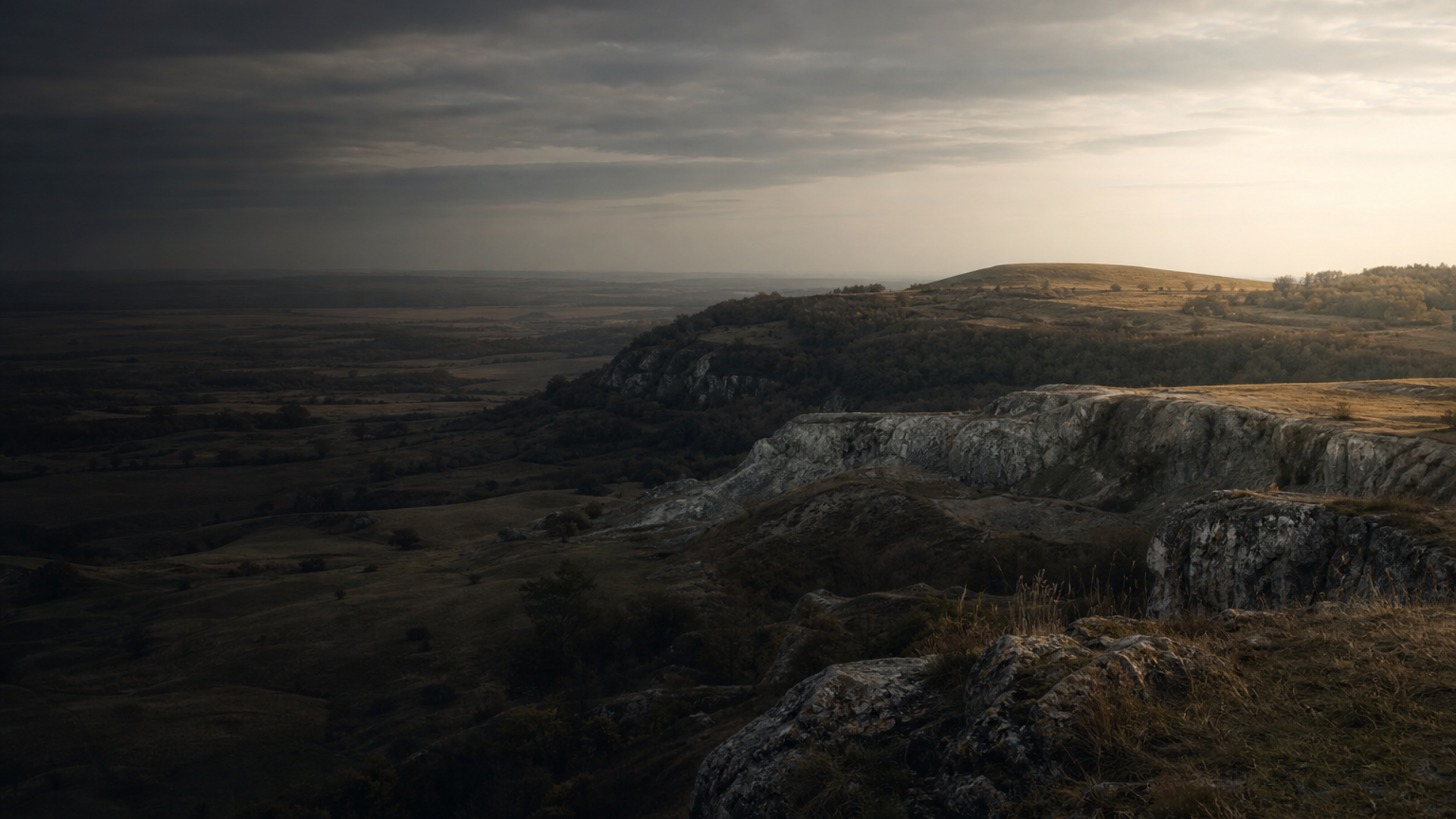

However, linking these three individuals directly to modern communities requires caution. Small sample size limits representativeness, and millennia of subsequent migrations — including major demographic shifts in the late Neolithic and Bronze Age — reshaped genetic landscapes. Still, these remains are intimate bridges: each mitochondrial genome is a biological thread that connects ancient household fires and river crossings to people living in the same landscape today. Future aDNA sampling from more sites will clarify how much of that genetic legacy persisted locally versus being overwritten by later movements.

  • Maternal lineages observed have deep continuity into later European populations
  • Direct links to modern populations are preliminary given temporal and demographic complexity
AI 电源

AI 助手

就 Bohemian Chalcolithic Echoes 文化提问

AI 助手 由DNAGENICS公司制作

解锁此特性
Ask questions about the Bohemian Chalcolithic Echoes culture. Our AI assistant can explain genetic findings, historical context, archaeological evidence, and modern connections.
AI 样本分析

Bohemian Chalcolithic Echoes 文化是人类历史中值得了解的一章……

遗传分析揭示了与早期种群的联系,同时显示了独特的适应和文化创新的证据。 古代DNA样本提供了对迁徙模式、社会结构以及古代种群之间的生物关系的深刻见解。

这是人工智能分析的预览。 解锁全AI 助手, 以探索关于:

  • 遗传组成和祖先
  • 移徙模式和起源
  • 日常生活和文化习俗
  • 现代遗传遗产

探索更古老的文化

揭开古代世界文明的故事

使用优惠码 可减免 35% • 11月12日 到期




