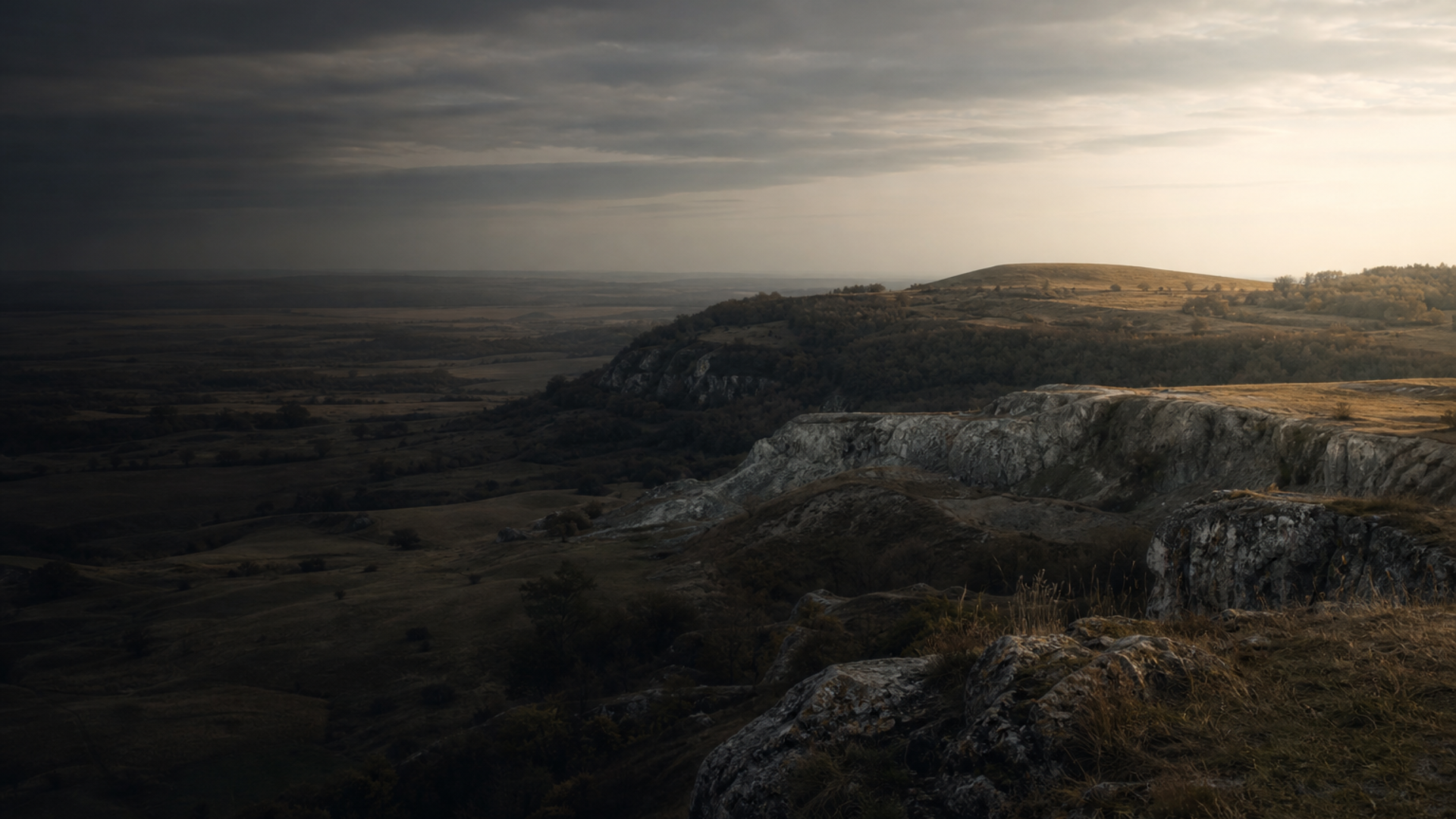
Archaeological remains from contemporaneous Chalcolithic contexts in Bohemia speak of mixed farming economies: domesticated cereals and animals, seasonally occupied settlements, and craft specialization. While these specific Prague and Bílina finds are limited to a few human remains rather than full settlement assemblages, the broader material record paints a cinematic scene of sunlit fields, clusters of timber dwellings, and hands shaping clay into vessels for storage and cooking.
Social life would have been organized around kin networks, household production, and exchange routes that linked Bohemia to neighboring regions. Funerary treatments across the wider Chalcolithic Czech landscape vary — from simple inhumations to richer depositional practices — suggesting social differentiation, perhaps tied to age, gender, or status. Environmental reconstructions indicate a mosaic of woodlands and cleared fields, with waterways providing routes for goods and ideas.
Archaeological data indicates craft and raw material exchange: copper finds and exotic raw materials appear in contemporary contexts elsewhere in Central Europe, hinting at long-range contacts. For the Czech_C individuals, the skeletal record offers only fragments of daily life; pottery, tools, and settlement excavations from the region provide the fuller cultural backdrop against which these people lived and died.