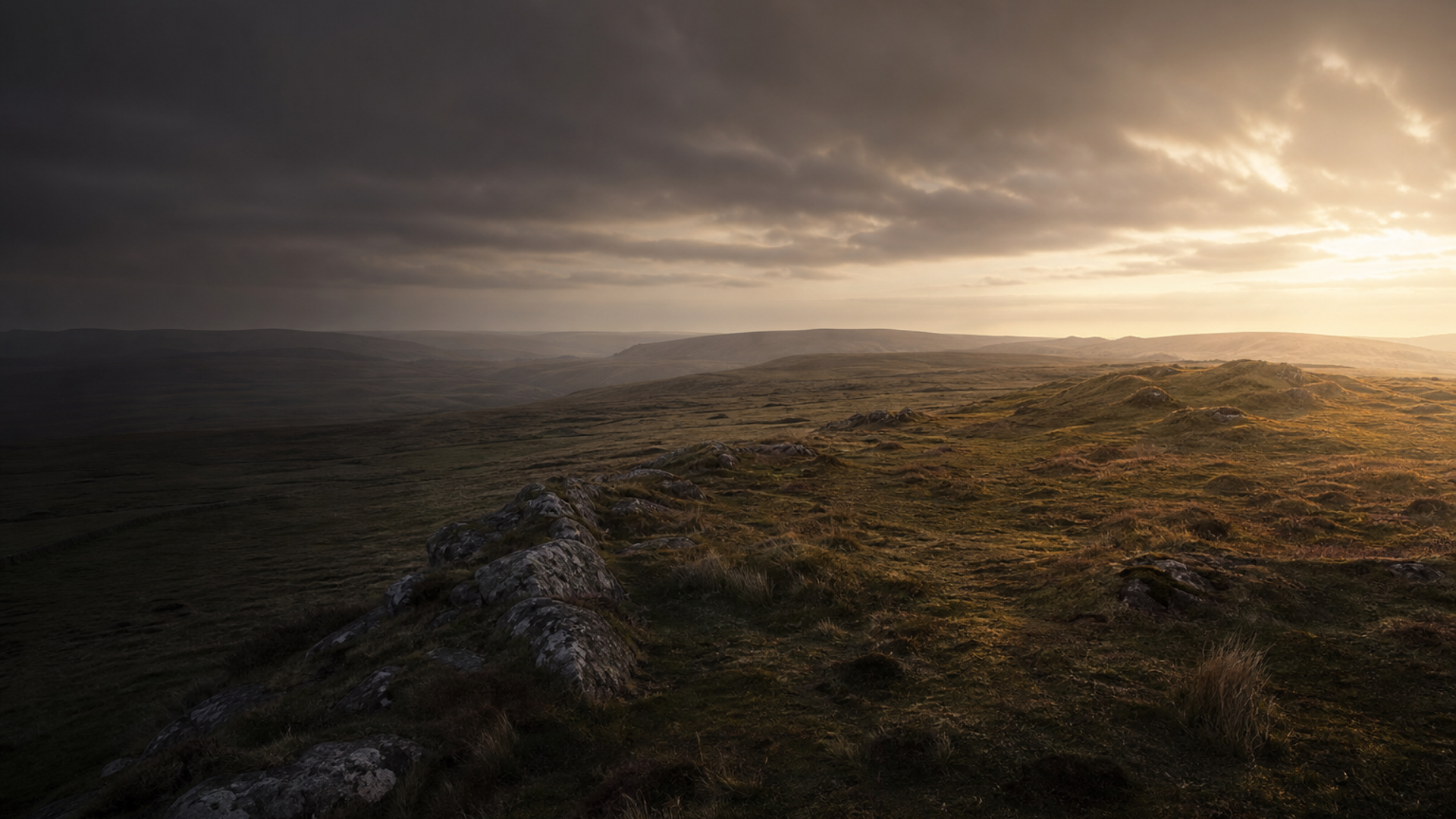
Daily life for Early Bronze Age people in the North Yorkshire landscape would have been framed by seasonal cycles of agriculture, livestock, and craft. Archaeological indicators from comparable North Yorkshire sites—field systems, pit features, and domestic debris—suggest households managed mixed farming of barley, wheat, and cattle or sheep. Bronze tools and ornaments appear intermittently in graves and hoards, signifying both practical uses and emerging status display.
Burial practices in the region show variety: modest inhumations beneath small mounds, occasional cremation deposits, and curated grave goods hinting at differentiated roles or wealth. Where stone and timber were available, roundhouses and enclosures marked homesteads; in peatier zones, ephemeral structures may leave only postholes. Community life likely revolved around kin networks with seasonal gatherings for exchange, bridewealth, or ritual.
Archaeological data indicates exchange of raw materials—copper and tin reaching British shores via long-distance contacts—so that even remote North Yorkshire communities were tied into broader Bronze Age economies. However, with only three DNA samples from West Heslerton, linking specific social roles to genetic identities remains speculative. The human stories suggested by bones, potsherds, and metalwork are evocative but incomplete.