Saltar para o conteúdo principal
Cultura de destaque

Bronze Dawn of North Yorkshire

A fleeting glimpse into Early Bronze Age lives at West Heslerton through archaeology and DNA

2500 CE - 1200 BCE
North Yorkshire, England (West Heslerton)

A História

Three Early Bronze Age individuals (2500–1200 BCE) from West Heslerton, North Yorkshire provide a preliminary genetic window—mtDNA lineages T2e, T, and U—paired with regional archaeological traces of barrows, metalwork, and changing burial practice.

Time Period

2500–1200 BCE

Region

North Yorkshire, England (West Heslerton)

Common Y-DNA

Not reported / limited data

Common mtDNA

T2e, T, U (each observed once)

Cronologia

2500 BCE

Early Bronze Age begins in North Yorkshire

Onset of local Bronze Age practices—metal use, new burial forms, and shifting settlement patterns—mark a regional transformation.

Origins & Emergence

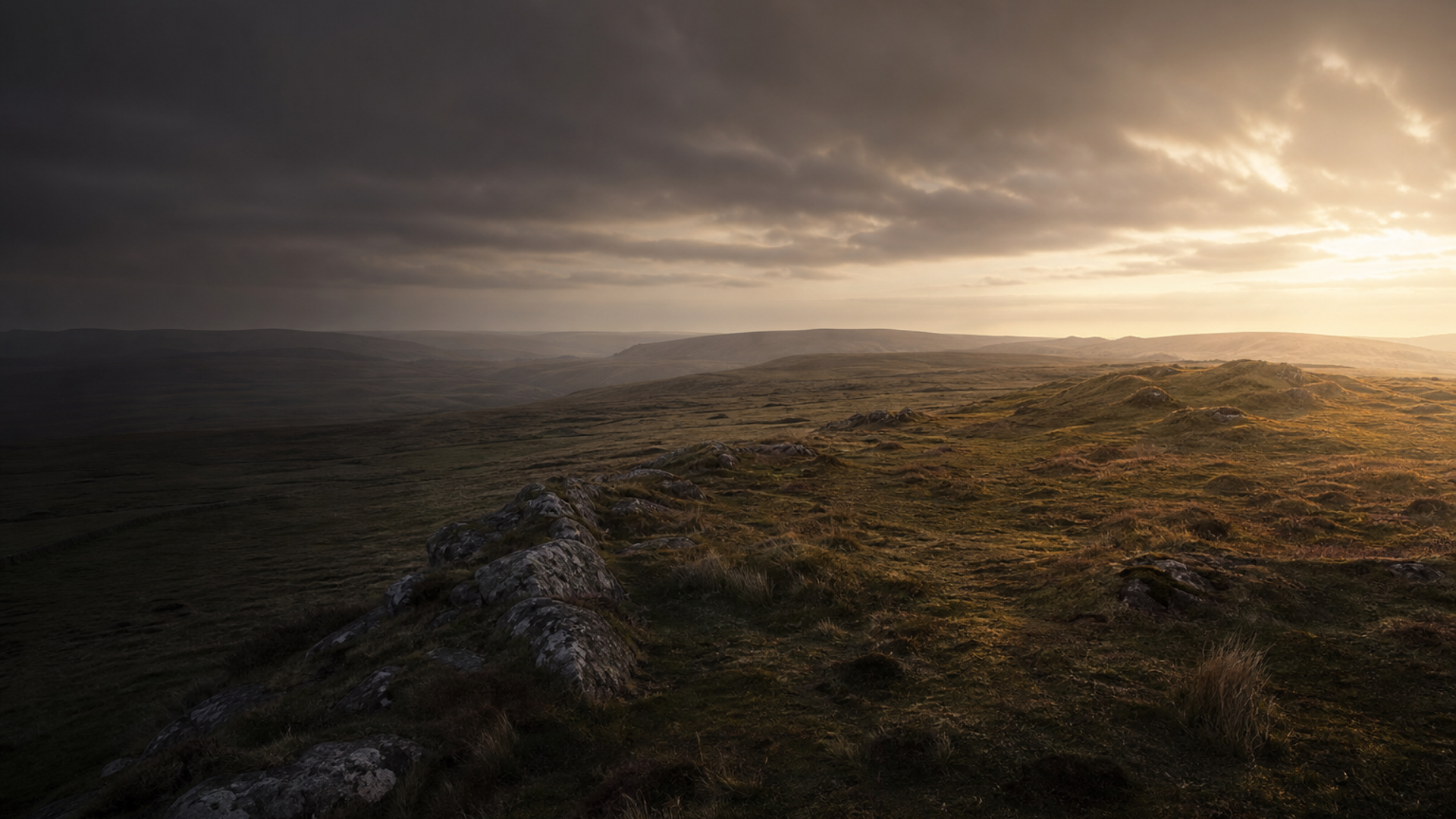
The Early Bronze Age in North Yorkshire unfolds like a low, windswept horizon of change. Between about 2500 and 1200 BCE communities adjusted to the arrival and wider adoption of bronze technology, shifts in burial practice, and altered settlement patterns. Archaeological data from the region indicate barrows, small roundhouses, and ritual depositions on the landscape rather than large urban centers. At West Heslerton—better known for later periods—isolated Early Bronze Age contexts have produced human remains and material fragments that tie the locale into wider Atlantic and North Sea networks.

Cinematic in its sweep but cautious in detail, the picture here is built from only three analysed individuals. Limited evidence suggests continuity with earlier Neolithic and Beaker-era influences in material culture, while new mobility and exchange networks likely carried metals and ideas across the British Isles. Regional geology and rivers would have steered trade routes, while local people adapted imported bronze objects into existing social frameworks. Archaeological evidence indicates localized cemeteries and dispersed farming hamlets rather than dense nucleated towns, reflecting a rural mosaic of kin groups and seasonal economies.

Because the skeletal and contextual sample is small, conclusions about population movements or cultural origins remain provisional and should be treated as hypotheses to be tested with broader sampling.

  • Early Bronze Age in North Yorkshire: 2500–1200 BCE
  • Material signs: barrows, small settlements, bronze artefacts
  • Evidence currently limited to a small number of contexts

Daily Life & Society

Daily life for Early Bronze Age people in the North Yorkshire landscape would have been framed by seasonal cycles of agriculture, livestock, and craft. Archaeological indicators from comparable North Yorkshire sites—field systems, pit features, and domestic debris—suggest households managed mixed farming of barley, wheat, and cattle or sheep. Bronze tools and ornaments appear intermittently in graves and hoards, signifying both practical uses and emerging status display.

Burial practices in the region show variety: modest inhumations beneath small mounds, occasional cremation deposits, and curated grave goods hinting at differentiated roles or wealth. Where stone and timber were available, roundhouses and enclosures marked homesteads; in peatier zones, ephemeral structures may leave only postholes. Community life likely revolved around kin networks with seasonal gatherings for exchange, bridewealth, or ritual.

Archaeological data indicates exchange of raw materials—copper and tin reaching British shores via long-distance contacts—so that even remote North Yorkshire communities were tied into broader Bronze Age economies. However, with only three DNA samples from West Heslerton, linking specific social roles to genetic identities remains speculative. The human stories suggested by bones, potsherds, and metalwork are evocative but incomplete.

  • Mixed farming, pastoralism, and localized craft production
  • Varied burial customs with occasional grave goods indicating social differences

Genetic Profile

Ancient DNA from three individuals recovered in the West Heslerton area provides a narrow but valuable genetic snapshot. Mitochondrial haplogroups observed are T2e, T, and U—lineages that appear in prehistoric Europe with varying frequencies and can reflect maternal ancestry lines persisting from Neolithic and later Bronze Age populations. No consistent pattern of Y‑chromosome lineages is reported from these samples, so male-line conclusions cannot be drawn for this group.

Archaeogenetic interpretation must emphasize scale and uncertainty: with only three genomes, statistical power is low and population-level inferences are preliminary. That caveat aside, the mtDNA diversity suggests not a highly endogamous single maternal line but at least three distinct maternal ancestries present in the small sample. This diversity is compatible with regional patterns where post‑Neolithic mobility, marriage exchange, and small-scale migration introduced genetic heterogeneity into local communities.

When paired with archaeological evidence—burial variability, metal exchange, and variable material culture—these genetic hints support a picture of Early Bronze Age North Yorkshire as a place of interconnected households rather than isolated clans. Future sampling, especially of male Y‑DNA and genome-wide autosomal data from a larger set of burials, is needed to test hypotheses about migration, kinship, and social stratification.

  • mtDNA haplogroups: T2e, T, U observed (one each)
  • Sample size (3) is very small — interpretations are preliminary

Legacy & Modern Connections

The genetic and archaeological traces from Early Bronze Age North Yorkshire reverberate into the deep structure of British prehistory. Lineages like mtDNA U and T are part of a wider European tapestry; their presence in West Heslerton hints at maternal ancestries that contributed to later regional gene pools. Archaeological continuities—field systems, burial motifs, and metalworking traditions—help explain how prehistoric innovations were absorbed and transformed by local communities.

For modern audiences, these fragments remind us that present populations are palimpsests of many movements and interactions. Yet any direct lineage claims from three samples to living individuals or groups would be premature. The real legacy is methodological: combining careful excavation with ancient DNA opens cinematic but rigorous narratives of how people lived, moved, and forged communities across millennia in landscapes like North Yorkshire.

  • Maternal lineages reflect long-term European ancestry components
  • Combined archaeology + DNA offers paths to test continuity and change

Assistente de IA

Assistente de IA por DNAGENICS

Desbloquear esta função
Pregunta sobre la cultura Bronze Dawn of North Yorkshire. El asistente con IA puede explicar hallazgos genéticos, contexto histórico, pruebas arqueológicas y conexiones modernas, con sus límites de interpretación.
Exemplo de análise com IA

La cultura Bronze Dawn of North Yorkshire representa un capítulo de la historia humana...

A análise genética permite estudar semelhanças com populações anteriores e possíveis adaptações. As amostras de DNA antigo fornecem informações para investigar padrões migratórios e relações entre populações, com limites que dependem do estudo e do contexto arqueológico.

Esta é uma antevisão da análise com IA. Aceder ao assistente completo para explorar informações sobre:

  • Composição e similaridade genética
  • Padrões migratórios e origens
  • Vida cotidiana e práticas culturais
  • Contexto genético moderno