Echoes of the Botocudo

下载的 PDF 是图像副本。如需可选中文本及更好的辅助技术支持,请使用打印功能。

Echoes of the Botocudo

揭开一个失落的文明

正在加载考古记录……

正在收集古代记录

跳转到主内容
Echoes of the Botocudo
文明焦点

Echoes of the Botocudo

Late pre-contact and historic people of Brazil’s Rio Doce Valley, read through bones and genes

1479 CE - 1842 CE
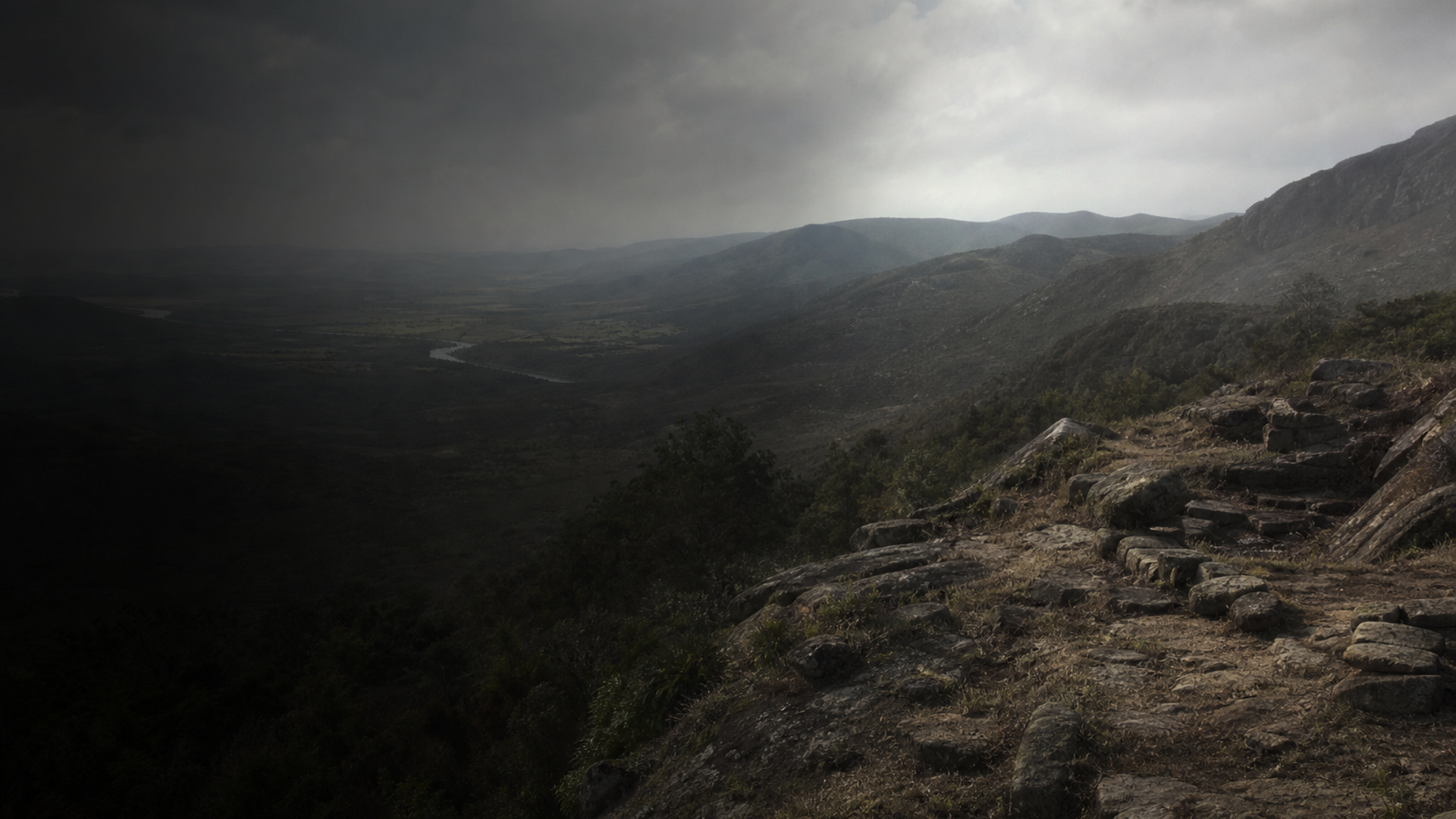
Rio Doce Valley, Brazil
滚动开始
Chapter I

剧情

了解 Echoes of the Botocudo 文化

Archaeological remains from the Rio Doce Valley (dated 1479–1842 CE) shed light on Botocudo lifeways. Limited ancient DNA from three individuals shows Indigenous-lineage markers (Y haplogroup C, mtDNA B), but small sample size makes conclusions preliminary.

Time Period

1479–1842 CE (direct dates)

Region

Rio Doce Valley, Brazil

Common Y-DNA

C (observed in 1 of 3 samples)

Common mtDNA

B (observed in 1 of 3 samples)

Chapter II

时间线

这种文化历史上的关键时刻

1479 CE

Earliest directly dated individual

A radiocarbon date near 1479 CE ties one sampled burial in the Rio Doce Valley to the late pre-contact/early-contact era.

1500 CE

European arrival on Brazilian coast

Arrival of Portuguese expeditions to Brazil begins a period of coastal contact that would reshape interior dynamics over centuries.

1800 CE

Colonial-era encounters recorded

19th-century colonial accounts describe interior groups labeled as 'Botocudo', though such labels blur internal diversity.

1842 CE

Latest directly dated individual

The most recent sampled burial from the Rio Doce Valley dates to 1842 CE, within sustained historic contact periods.

Chapter III

Origins & Emergence

The bones recovered from burial contexts in the Rio Doce Valley evoke a long human presence along eastern Brazil’s forest-savanna mosaic. Radiocarbon dates for the sampled individuals fall between 1479 and 1842 CE, placing them at the cusp of intensified colonial contact. Archaeological data indicates continuity of Indigenous occupation of interior valleys even as coastal contact accelerated after 1500 CE. Ethnohistoric accounts from colonial travelers and missionaries later referred to groups collectively labeled by outsiders as “Botocudo” (an exonym tied to distinctive lip ornaments), but that label likely encompassed diverse, neighbouring communities rather than a single unified polity.

Limited archaeological evidence from the Rio Doce region suggests adaptation to mixed environments: riverine resources, forest game, and seasonal plant foraging. Material traces—stone tools, faunal remains, and burial treatments—hint at long-standing local traditions that persisted into the historic period. However, because the available genetic sample set is small (three individuals), any story of population continuity, migration, or demographic change must be treated as provisional. Ongoing excavations and respectful collaboration with descendant communities are essential to expand the dataset and refine origin narratives.

  • Radiocarbon dates: 1479–1842 CE from Rio Doce Valley contexts
  • ‘Botocudo’ is an external label; likely multiple neighboring groups were included
  • Evidence points to long-term Indigenous occupation through early colonial times
Chapter IV

Daily Life & Society

Archaeological traces from the Rio Doce Valley paint a portrait of adaptive, mobile lifeways lived at the interface of rivers, gallery forest, and open landscapes. Subsistence strategies likely combined hunting of medium-sized mammals, fishing in tributaries of the Rio Doce, and gathering of seasonally available tubers and fruits. Tools fashioned from local stone and bone would have supported processing, hunting, and daily crafts. Burial practices preserved in the valley—individual interments with modest grave goods—offer glimpses of social identity and ritual across generations.

Ethnohistoric descriptions from the colonial era emphasize social markers such as body ornamentation and distinctive cultural practices; these records must be read critically because they were produced by outsiders. The archaeological record complements these accounts by revealing diet through faunal remains and by showing how communities organized space and material culture. Nevertheless, the small number of directly sampled individuals limits inferences about social structure, kinship systems, or population size. Future multidisciplinary work combining archaeology, stable isotopes, and expanded ancient DNA sampling will better illuminate daily life in Botocudo-associated communities.

  • Mixed subsistence: hunting, fishing, and plant gathering inferred from site assemblages
  • Burials in the valley show continuity of local mortuary practice into the 19th century
Chapter V

Genetic Profile

Ancient DNA recovered from three individuals from the Rio Doce Valley provides a tantalizing, but very limited, genetic window into late pre-contact and historic populations often grouped under the Botocudo label. Within this tiny sample set: one male carried a Y-chromosome lineage classified as haplogroup C, and one individual carried mitochondrial haplogroup B. Both haplogroups are known in Indigenous American populations—mtDNA B is a widespread maternal lineage across the Americas, while Y haplogroup C appears in some Indigenous South American paternal lineages and has deeper connections to Asian branches that contributed to the peopling of the Americas.

Crucially, the sample count is low (<10), so patterns of population structure, sex-biased migration, and admixture cannot be robustly inferred. No strong, reproducible signal of widespread European or African admixture can be asserted from these three samples alone; detecting such admixture and estimating its timing requires larger autosomal datasets and comparative sampling from contemporaneous coastal and inland sites. Archaeogenetics here functions best as an initial probe: it confirms Indigenous-lineage markers within Rio Doce burials and highlights the need for expanded, ethically guided sampling to resolve demographic histories and connections to living descendant communities.

  • Small sample set (3 individuals) — conclusions are preliminary
  • Observed markers: Y haplogroup C (1 individual), mtDNA B (1 individual)
Chapter VI

Legacy & Modern Connections

The echoes of the Botocudo reach into the present as both cultural memory and genetic heritage. Descendant communities and neighbouring Indigenous groups today carry the continuity of lifeways shaped by riverine forests and interior plains. Archaeological and genetic research from the Rio Doce Valley can illuminate these continuities, but only if pursued with transparent collaboration and respect for Indigenous sovereignty over ancestral remains and data. Given the small number of ancient samples, genetic results should be presented as preliminary contributions to broader conversations rather than definitive statements about identity.

Scientific narratives that bridge bones and genomes must be paired with Indigenous knowledge and oral histories. Together, these perspectives can recover lives obscured by colonial upheaval: hunters at river margins, families practicing ritual burial, and communities adapting to centuries of change. Ethical research and expanded sampling—conducted in partnership with descendant communities—offer the best path to transform preliminary genetic signals into meaningful histories that honor both the living and the dead.

  • Results are preliminary; further sampling and Indigenous collaboration are essential
  • Archaeogenetics can complement, not replace, descendant communities’ own histories
AI 电源

AI 助手

就 Echoes of the Botocudo 文化提问

AI 助手 由DNAGENICS公司制作

解锁此特性
Ask questions about the Echoes of the Botocudo culture. Our AI assistant can explain genetic findings, historical context, archaeological evidence, and modern connections.
AI 样本分析

Echoes of the Botocudo 文化是人类历史中值得了解的一章……

遗传分析揭示了与早期种群的联系,同时显示了独特的适应和文化创新的证据。 古代DNA样本提供了对迁徙模式、社会结构以及古代种群之间的生物关系的深刻见解。

这是人工智能分析的预览。 解锁全AI 助手, 以探索关于:

  • 遗传组成和祖先
  • 移徙模式和起源
  • 日常生活和文化习俗
  • 现代遗传遗产

探索更古老的文化

揭开古代世界文明的故事

使用优惠码 可减免 35% • 11月12日 到期





